Staffweiler
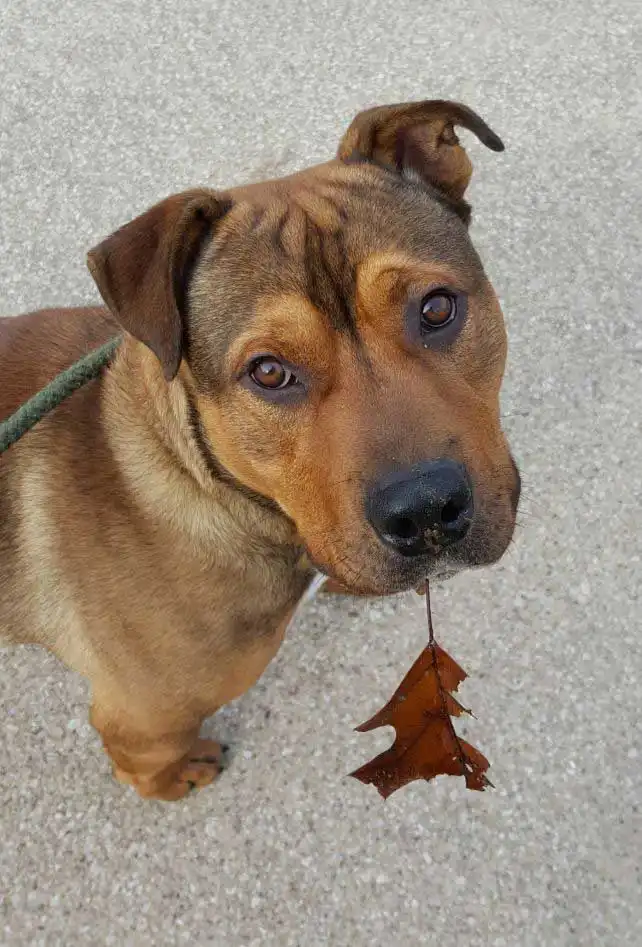
The Staffweiler is a hybrid breed that combines traits from both the Rottweiler and the American Staffordshire Terrier. This large dog can weigh up to 130 pounds and typically stands between 25 and 27 inches tall. Despite its formidable appearance, characterized by broad shoulders, a strong head, and striking eyes, the Staffweiler is recognized for its loving and loyal disposition. Its short, smooth coat fits snugly against its body and comes in a variety of colors, such as the traditional black with brown markings or white accented with hues like brown, black, blue, or brindle. Regardless of the coat color, the breed's almond-shaped eyes are mostly dark brown, with hazel being a rare exception. The ears of the Staffweiler are large and triangular, either folding down or standing upright, especially when the dog is alert. In terms of personality, the Staffweiler is exceptionally affectionate and gentle with its family. However, its instinct to protect makes it an effective guard dog, as it tends to be cautious and suspicious of strangers. To cultivate this protective nature positively, early socialization and training are crucial. Without proper guidance, this instinct could lead to unwanted behaviors, influenced by the protective reputations of its parent breeds. The Staffweiler flourishes in a family setting and generally interacts well with older children, as long as there is supervision. While it may become irritable with younger kids who tend to poke and prod, this breed is inherently loving and, with the right training, is unlikely to show aggression.
Breed Origin
The Staffweiler is a relatively new hybrid breed that originated in the United States during the early 2000s. Given its short history, there isn't a comprehensive account of its origins. To better understand the Staffweiler's purpose and ancestry, we need to look at its parent breeds: the American Staffordshire Terrier and the Rottweiler. Starting with the American Staffordshire Terrier, commonly known as the Am Staff, this breed shares a lineage with the American Pit Bull Terrier. It was created by crossing Bulldogs and Terriers, primarily for entertainment purposes during the 19th and early 20th centuries, a time when dog fighting was both legal and widely accepted in the U.S. Unfortunately, this practice encouraged aggressive behavior and contributed to the development of negative traits in these dogs. While the Am Staff was involved in these activities, the Pit Bull faced the majority of the stigma, as it remains unrecognized by the American Kennel Club, unlike the Am Staff, which has been registered since 1936. Despite the unfavorable perceptions, both breeds have also been valued as loyal family pets and effective farm dogs, excelling in roles such as ratters and protectors against threats like bears and wild pigs. Their bravery and determination made them ideal for these tasks. Today, the Am Staff continues to serve as a working dog, though it is more frequently seen in dog shows and as a cherished family companion. In contrast, the Rottweiler has a history that dates back to ancient Roman times. The Romans, primarily laborers, needed strong and dependable dogs to assist them. They bred local dogs in the town of Rottweil, mixing them with other breeds to create a sturdy and loyal companion. This breed played a crucial role in herding cattle to market and protecting their owners from thieves during their travels. The Rottweiler's affectionate and hardworking nature made it a beloved companion. However, with the rise of modern machinery, the need for such working dogs declined, leading to a near extinction of the breed. Fortunately, passionate dog lovers in Germany worked tirelessly to preserve the Rottweiler. Their dedication paid off, and the breed regained popularity around the world, celebrated for its strong work ethic and loving temperament. Today, Rottweilers are among the top ten most popular breeds recognized by the American Kennel Club, primarily serving as companion animals.
Breed Appearance
The Staffweiler, a breed that inherits characteristics from the Rottweiler, has the potential to become a notably large dog. Males can weigh as much as 120 pounds and reach a height of 26 inches, while females are typically smaller and possess a more refined build. This breed is characterized by a large, sturdy head, powerful shoulders, and a well-defined, athletic body. Although agility is not its strongest suit, the Staffweiler is both strong and quick. Its coat is short and fits closely to the body, with seasonal shedding. Color variations are quite broad, but the most common pattern features a solid base complemented by accents of brown or white. The breed's ears are large, either drooping or standing upright, and its striking almond-shaped eyes often come in beautiful shades of brown or hazel, contributing to its overall impressive appearance.


Care Routine
This breed is low-maintenance. Although it does shed fur on a regular basis, brushing a few times each week is enough to keep its coat shiny and clean. Bathing is only needed occasionally, but it’s essential to regularly clean the Staffweiler's ears. This helps remove any debris or moisture that could lead to irritation or infections. Furthermore, it's advisable to trim your dog's nails approximately twice a month to keep their paws healthy and prevent snags. This also reduces the likelihood of causing serious scratches if the dog jumps on someone. Don’t forget to brush their teeth several times a week as well.
Behavior & Temperament
Despite being a large breed, don’t be surprised if this gentle giant follows you around the house and occasionally tries to curl up in your lap. The Staffweiler’s profound loyalty and strong bond with his family are rooted in his lineage, making him an excellent choice for those looking for a devoted protector who prefers the company of loved ones over solitude. While he isn’t particularly vocal, he will engage in playful “talking” when he’s feeling excited. The Staffweiler typically interacts well with children, although it’s advisable that they are at least seven years old. This age helps foster a safer and more harmonious relationship between the dog and the kids. For families with younger children, it’s essential that the Staffweiler is raised alongside them, and that the children learn to respect this large breed. Excessive poking and prodding can annoy any dog, especially larger and stronger ones, so it’s best to avoid such rough play. In conclusion, if you’re looking for a family-oriented guard dog with a spirited and affectionate nature, the Staffweiler might be the perfect match for you. Just be aware of his strengths and limitations, and you’re likely to find a wonderful companion.


Play & Exercise
The Staffweiler needs two energetic exercise sessions each day, along with an additional hour dedicated to training or play in between. His high energy levels stem from his eagerness to work, so keeping him engaged with tasks throughout the day will ensure his happiness. For example, he can assist by pulling a cart during yard work or giving rides to younger children. When out on hikes, having him carry a dog pack can also provide him with a rewarding job. While these activities will require some planning and training to ensure they are done safely and effectively, they offer your Staffweiler a sense of purpose while helping to burn off his energy. Due to his size and exercise needs, the Staffweiler is not well-suited for apartment living. Although he may adapt for a short time, he truly flourishes in a larger home with access to a yard where he can play and explore.
Things to Know
Cups Per Day
3.0 Cups
Daily Activity
180 Minutes
Average Lifespan
11 Years
Origin
2000's
Type
Crossbreeds
Size
Large
Origin Country
United States
Brush Frequency
Weekly
Coat Texture
Straight
Register
Your kids have been begging for a pet forever, and you've recently decided that it's time for your family to get a new addition -- a dog! While everyone is excited for the new arrival, you're wondering if you need to have a dog license. How much does it cost? Is it required? Where do you get one?
Member Clubs

PETINNATE
Other
Height & Weight
Weight
85 lbs (39 kg)Male: 90 lbs (41 kg) , Female: 80 lbs (36 kg)
Height
22 inches (56 sm)Male: 23 inches (58 sm) , Female: 21 inches (53 sm)
6 Months
60 lbs ( m 60 lbs, f 60 lbs )
14 inches ( m 14 inches, f 14 inches )
12 Months
80 lbs ( m 80 lbs, f 80 lbs )
18 inches ( m 18 inches, f 18 inches )
18 Months
100 lbs ( m 100 lbs, f 100 lbs )
22 inches ( m 22 inches, f 22 inches )
Eye Colors
Hazel

Brown
Nose Colors
Blue
Black
Brown
Coat Colors
Brindle
White
Blue
Fawn
Brown
Gray
Black