Tornjak
Bosnian-Herzegovinian Sheepdog, Tornjak, Hrvatski pas Planinac, Croatian Mountain Dog
The Tornjak, pronounced Torn-Yak, is a sturdy mountain sheepdog that hails from Bosnia and Croatia. This breed is not only sizable but also embodies a warm and generous spirit. Originally bred to protect sheep, the Tornjak is both watchful and devoted to his family. He has a calm temperament and is generally adaptable, which makes training him relatively straightforward. While he tends to be non-aggressive towards people and other dogs, he can exhibit protective behaviors if he senses a threat to his loved ones. The Tornjak is especially good with children, often taking on a protective role while they play in the yard or at the park. However, despite his easygoing nature, he may not be the best fit for first-time dog owners.
Breed Origin
The Tornjak, a breed that hails from Bosnia and Herzegovina, is predominantly found in the Vlasic mountains, which lie at the country's core. The earliest documentation of this breed dates back to 1067 A.D., providing insights into its physical traits and temperament. It is thought that the Slavs introduced dogs resembling the Tornjak during their migrations into the region. However, studies suggest that the breed may actually trace its lineage back to the Tibetan Mastiff. For over a thousand years, the Tornjak has been primarily associated with Bosnia and Herzegovina, making it one of the most historically documented ancient dog breeds. Originally referred to as Kanis Montanus, or "mountain dog," the Tornjak was named by the local populace who depended on these dogs for their daily tasks. The term "Tornjak" translates to "enclosure for sheep." In 1981, the breed received official recognition as the Bosnian-Herzegovinian Sheepdog – Tornjak, classified as an autochthonous breed, indicating its native roots in a specific geographical region. A panel of judges was formed to establish a breed standard, which was completed in 1990 in Travnik, located in central Bosnia. In 2006, the Fédération Cynologique Internationale (FCI) granted provisional acceptance to the Tornjak, enabling it to compete in dog shows in countries that host FCI-sanctioned events. Since then, the breed has achieved full recognition from both the FCI and the United Kennel Club. Currently, enthusiasts of the breed are working towards gaining recognition from the American Kennel Club.
Breed Appearance
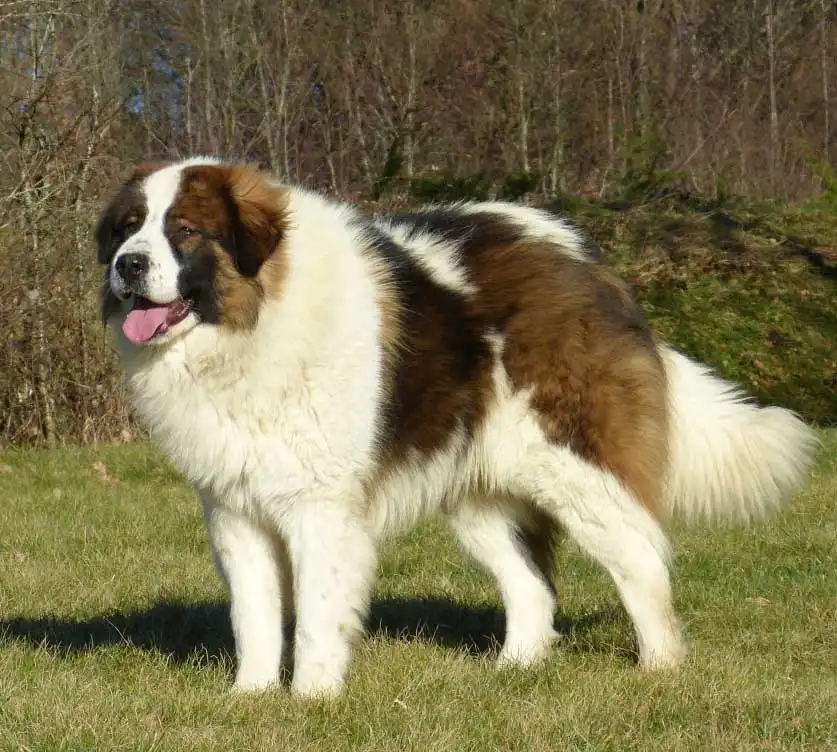
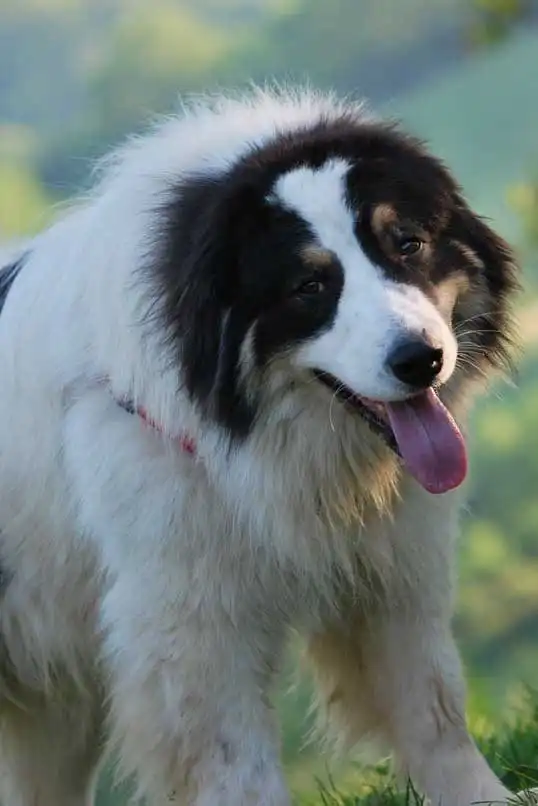
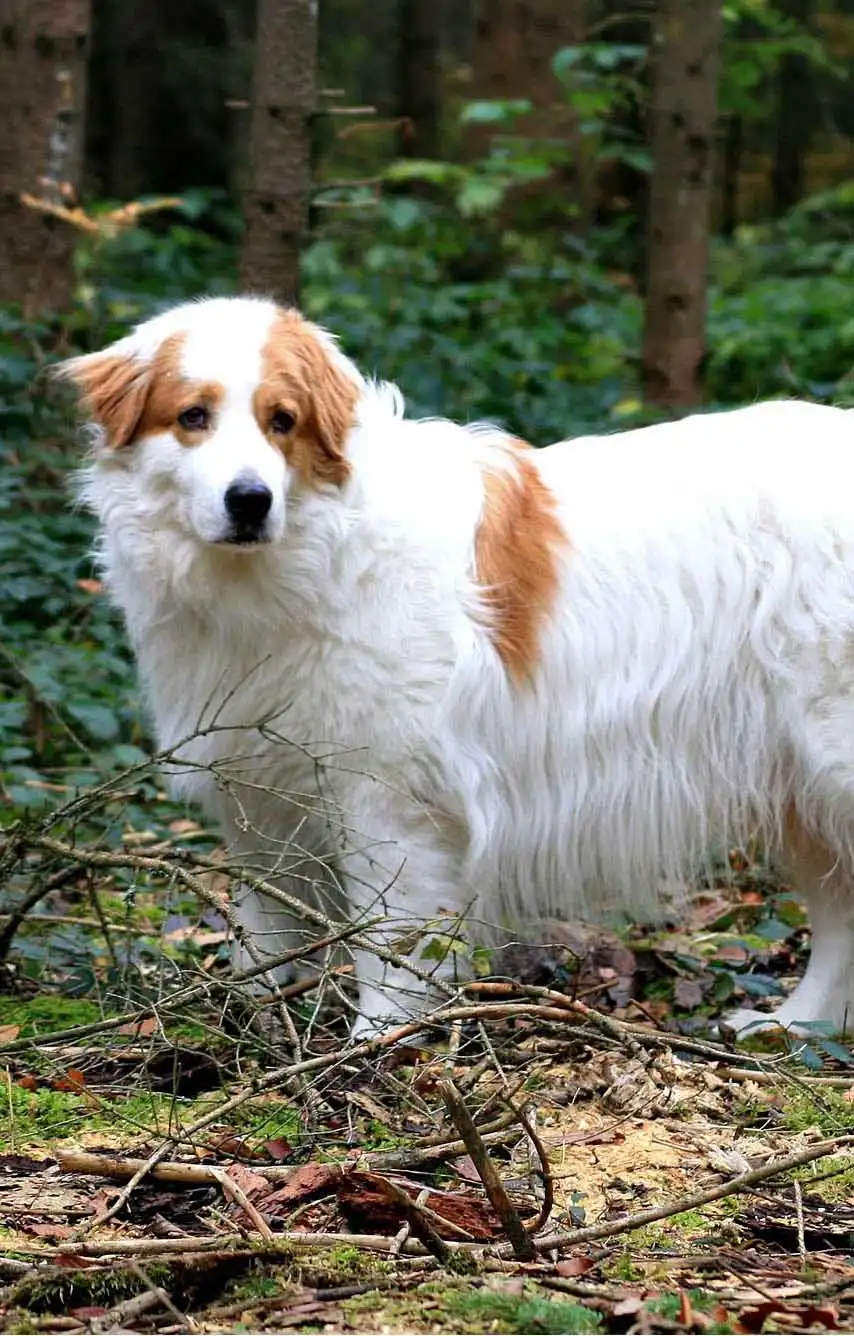
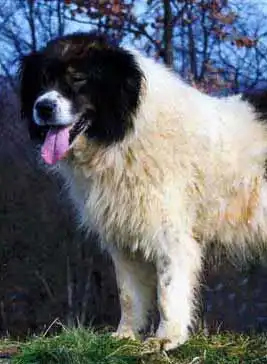
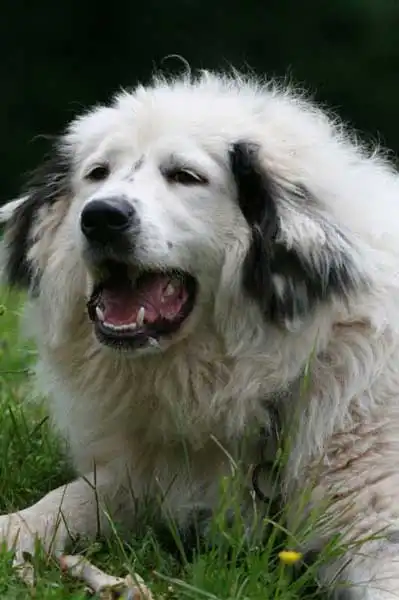
The Tornjak is a strong and formidable breed, notable for its substantial size and well-defined musculature. Its body has a nearly square shape, showcasing a harmonious proportion. While the breed should exhibit a robust bone structure, it must not come across as overly heavy or coarse. The Tornjak is adorned with a long, thick coat that is both woolly and dense, featuring a straight, harsh outer layer and a softer, wooly undercoat beneath. The tail is carried high but should not curl over the back. Its large, almond-shaped eyes are usually a rich brown, complemented by a prominent nose with wide nostrils that are black in color. Typically, Tornjaks are primarily white with colored markings, which categorizes them as parti-colored or, in some cases, piebald. Although rarer, they can also exhibit a black mantle with white markings. The breed is commonly seen in three main color combinations: black and white, red and white, and brown and white.
Care Routine
The Tornjak, known for its long and dense coat, should be brushed at least once a week using a pin brush and a metal comb. If the fur becomes tangled or matted, employing a mat splitter may be necessary. A high-quality detangling spray can also assist in managing any knots. As a breed with a double coat, the Tornjak experiences seasonal shedding, which necessitates more frequent grooming during these periods. Daily grooming is advisable during heavy shedding times, and using a de-shedder can be quite helpful. When shedding occurs, bathing the dog with warm water and a mild shampoo can aid in loosening and removing stray hairs. While the Tornjak descends from Mastiff lineage and does drool, it is not as much as some other breeds in this group. Additionally, the Tornjak typically does not have a strong dog odor, so bathing him a few times a year is generally sufficient.
Behavior & Temperament
The Tornjak is a breed known for its friendly demeanor and confidence. It takes its protective responsibilities seriously, often exhibiting a cautious attitude towards strangers who enter its territory. With proper training from an experienced handler, this breed learns swiftly and is generally easy to instruct. The Tornjak is dedicated to its protective role, showing remarkable focus and resilience against distractions that might divert it from safeguarding its home or livestock. Its deep loyalty to its family makes rehoming a challenge if circumstances change. Given the strong bonds it forms, it’s crucial not to leave the Tornjak alone in the yard for long stretches, as it yearns to be near its loved ones. If outdoor time is necessary, providing stimulating activities is essential to keep it engaged. The Tornjak is friendly with regular visitors and responds well to positive reinforcement and rewards during training.
Play & Exercise
Things to Know
Cups Per Day
3.0 Cups
Daily Activity
45 Minutes
Average Lifespan
13 Years
Origin
500 A.D.
Type
Pure Breeds
Size
Large
Origin Country
Croatia, Bosnia, Herzegovina
Brush Frequency
Weekly
Coat Texture
Straight
Register
Your kids have been begging for a pet forever, and you've recently decided that it's time for your family to get a new addition -- a dog! While everyone is excited for the new arrival, you're wondering if you need to have a dog license. How much does it cost? Is it required? Where do you get one?
Member Clubs

PETINNATE
Guardian Dog

AKC
Foundation Stock Service

UKC
Guardian Dog
Height & Weight
Weight
84 lbs (38 kg)Male: 94 lbs (43 kg) , Female: 75 lbs (34 kg)
Height
26 inches (66 sm)Male: 27 inches (69 sm) , Female: 25 inches (64 sm)
6 Months
34 lbs ( m 34 lbs, f 34 lbs )
19 inches ( m 19 inches, f 19 inches )
12 Months
62 lbs ( m 62 lbs, f 62 lbs )
22 inches ( m 22 inches, f 22 inches )
18 Months
75 lbs ( m 75 lbs, f 75 lbs )
24 inches ( m 24 inches, f 24 inches )
Eye Colors
Brown

Nose Colors
Black
Coat Colors
Pied
White
Black
Red
Brown