Toy Foxie Doxie
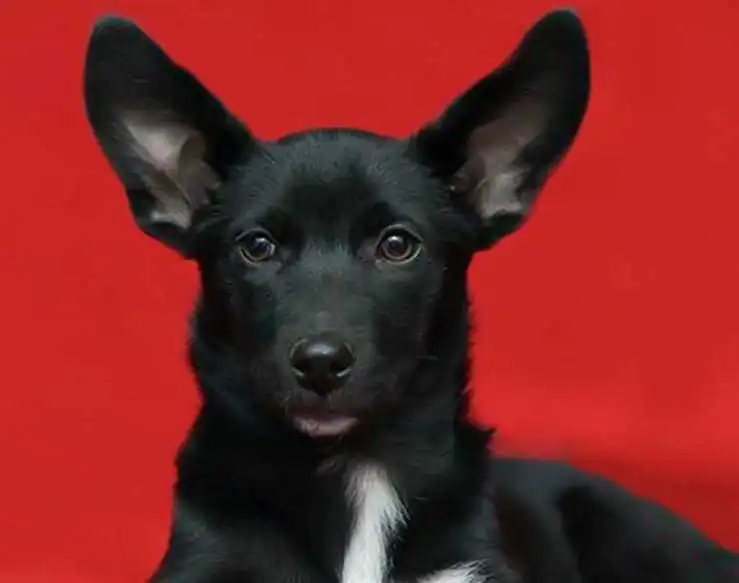
The Toy Foxie Doxie is a charming hybrid that combines the traits of the Dachshund and the Toy Fox Terrier. Generally, these small dogs stand between 8 to 11 inches tall and weigh anywhere from 7 to 18 pounds. Their coats are short and straight, available in a range of colors such as brown, black, white, isabella, blue, or various combinations of these hues. Renowned for their lively, loving, and playful demeanor, these dogs enjoy outdoor activities, including walks and games of fetch at the park. However, they have a strong personality and can be quite protective of their territory. Additionally, similar to their parent breeds, they may exhibit a natural instinct to hunt small animals. While they can adapt to living indoors, they are not the best fit for apartment life due to their tendency to be quite vocal.

Breed Origin
The Toy Fox Terrier is a hybrid breed created by crossing a Dachshund with a Toy Fox Terrier, with its roots tracing back to the early 1900s. The Dachshund, originally a hunting dog from Germany, is a blend of Braques, Pinschers, and likely French Basset Hounds. Known historically as the "badger dog" or "dachs hund" in German, this breed is depicted in 15th-century art and referenced in 16th-century literature. Initially, Dachshunds came in various sizes: those bred for hunting badgers and boars typically weighed between 30 and 35 pounds, while those used for fox and deer hunting ranged from 16 to 22 pounds. Smaller Dachshunds, around 12 pounds, were utilized for hunting hares and weasels, and even 5-pound versions were employed to chase cottontail rabbits. The breed originally featured only smooth-haired varieties, but through crossbreeding, long-haired types emerged, likely from Spaniel mixes, and wire-haired versions were developed from Terriers. By the 1800s, Dachshunds had become popular pets, especially among European royalty, with Queen Victoria being a prominent fan. Over the years, the breed shrank in size, leading to the creation of a miniature variant. The first breed standard was set in 1879, and the American Kennel Club recognized the Dachshund in 1885. Although their popularity waned during World War I and II due to their German association, they quickly regained their appeal afterward. In contrast, Terrier breeds have their origins in England, dating back to the 1500s. The Toy Fox Terrier was developed in the United States, stemming from the Smooth Fox Terrier of England, which was crossed with smaller breeds like the Manchester Terrier, Chihuahua, Miniature Pinscher, and Italian Greyhound. The Smooth Fox Terrier varied widely in size, weighing between 7 and 20 pounds, but the smaller dogs were particularly prized for their spirited and fearless demeanor. The United Kennel Club recognized the Smooth Fox Terrier in 1912, initially registering all sizes under one breed. However, in 1936, after numerous requests, the UKC officially classified the smaller variants as the Toy Fox Terrier. The American Kennel Club subsequently recognized the Toy Fox Terrier in 2003.
Breed Appearance
The Toy Foxie Doxie is a small breed, usually standing between 8 to 11 inches tall and weighing between 7 to 18 pounds. In comparison to a Dachshund, they possess longer legs and shorter backs. This breed has a compact build, featuring strong legs and paws that enhance their skills as nimble diggers and sprinters. Their face is small and rounded, with a slender, pointed muzzle that is typically shorter than that of a Dachshund. The eyes are round and curious, while the ears hang down on either side of the head. Their coat comes in a variety of colors, such as black, brown, isabella, blue, tan, or a mix of two or three shades. The texture of their fur can vary depending on their Dachshund ancestry, ranging from wiry to smooth or long-haired, with smooth being the most prevalent.

Care Routine
The Toy Foxie Doxie is a dog that sheds a moderate amount of hair. To keep your home fur-free and manage loose hair, it’s best to brush him weekly with a deshedder or pin brush. The brushing frequency may depend on the length and texture of his coat, as longer hair can easily become tangled. It’s also essential to check your hybrid’s ears weekly for any signs of infection or irritation. You can clean his ears with an ear cleanser and a cotton ball. Nail trimming should occur once or twice a month, unless he naturally wears them down. His nails usually don’t emit odors, so bathing him once a month or even less frequently is adequate. Additionally, to prevent tartar buildup and bacteria, it’s advisable to brush his teeth at least three times a week.
Behavior & Temperament
This hybrid breed is a compact dog with a lively disposition. They are often quite vocal and possess a strong instinct to protect their family and home. Renowned for their loyalty and affection, they thrive on interactive play and love being cuddled and petted. Generally, they are friendly with other dogs and get along well with children. To avoid potential issues such as shyness or small dog syndrome, it is important to socialize them early. The Toy Foxie Doxie may become destructive if left alone for long periods or if they do not receive enough mental stimulation. They are typically easy to train, and employing positive reinforcement techniques helps keep them engaged. Even as they age, these dogs usually maintain an active lifestyle.


Play & Exercise
The Toy Foxie Doxie, a hybrid breed, inherits the energetic and lively traits of its parent breeds. Despite their small stature, these dogs possess a strong inclination to engage in play, run, and dig. A couple of short walks, around 15 minutes each, are sufficient to keep them healthy and happy, yet they are always enthusiastic about going out whenever they can. Their playful disposition makes them enjoy games like fetch and interacting with other dogs. However, if they take after their Dachshund parent with a longer body, it’s important to steer clear of activities that might put stress on their back. This breed thrives best in indoor settings and does not do well when left outside for extended periods. They are quite vocal, which allows them to adapt comfortably to both city and countryside living. Furthermore, they have a preference for warmer weather and delight in soaking up the sun.
Things to Know
Cups Per Day
1.0 Cups
Daily Activity
30 Minutes
Average Lifespan
14 Years
Origin
1900s
Type
Crossbreeds
Size
Small
Origin Country
Unknown
Brush Frequency
Weekly
Coat Texture
Straight
Register
Your kids have been begging for a pet forever, and you've recently decided that it's time for your family to get a new addition -- a dog! While everyone is excited for the new arrival, you're wondering if you need to have a dog license. How much does it cost? Is it required? Where do you get one?
Member Clubs

PETINNATE
Other
Height & Weight
Weight
13 lbs (6 kg)Male: 14 lbs (6 kg) , Female: 11 lbs (5 kg)
Height
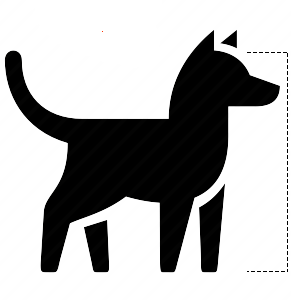
10 inches (25 sm)Male: 10 inches (25 sm) , Female: 9 inches (23 sm)
6 Months
7 lbs ( m 7 lbs, f 7 lbs )
5 inches ( m 5 inches, f 5 inches )
12 Months
11 lbs ( m 11 lbs, f 11 lbs )
9 inches ( m 9 inches, f 9 inches )
18 Months
11 lbs ( m 11 lbs, f 11 lbs )
9 inches ( m 9 inches, f 9 inches )
Eye Colors
Hazel

Brown
Nose Colors
Black
Brown
Coat Colors
Fawn

Isabella
Pied

White
Brown

Blue

Black