Treeing Cur
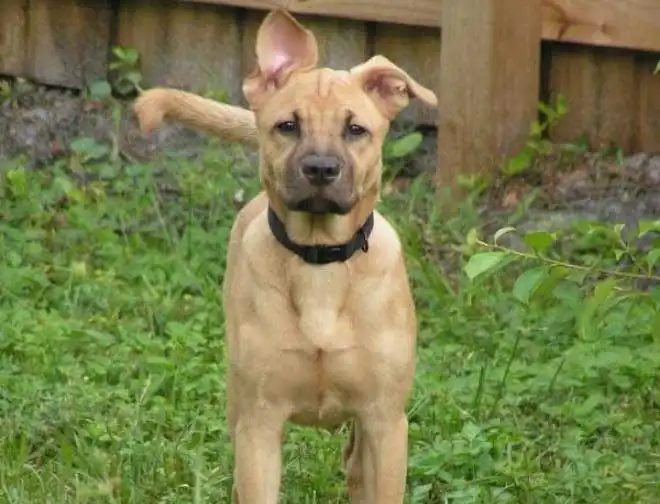
The Treeing Cur is one of several Cur breeds that emerged in the southern United States, specifically bred for their adaptability as hunting and farm dogs. These canines are particularly adept at herding sheep and cattle, safeguarding the homestead, and tracking both large and small game. In addition to their prowess as hunters, they are also affectionate and devoted companions in the home. When properly socialized, they generally coexist harmoniously with other dogs. Like other Cur breeds, the Treeing Cur is a blend of hound, terrier, and feist breeds, developed mainly for their practical skills rather than their appearance, which leads to a diverse array of sizes and colors.
Breed Origin
The Cur classification generally refers to adaptable hunting and working dogs that emerged from the isolated rural areas of the southern United States. While the term "cur" is often linked to aggressive, unhealthy, or mixed-breed dogs, and can also describe someone who is mean-spirited or cowardly, a registered Cur breed dog is a unique working animal. These dogs were bred from a variety of breeds chosen for their specific skills, with less focus on their physical characteristics. Historical mentions of Cur dogs trace back to the 1700s, primarily as hybrids of hounds and terriers, sometimes incorporating feists or herding breeds. Over the years, the Cur breed evolved into several distinct varieties, including the Black Mouth Cur, Catahoula Cur, and Mountain Cur, shaped by the particular environments and needs of the farmers and settlers who developed them. Notably, the Treeing Cur is recognized as a highly versatile working dog, skilled in herding sheep and cattle, safeguarding homes, and excelling in tracking and hunting. Their specialized talent lies in pursuing tree-dwelling animals such as raccoons, squirrels, and even bears. The United Kennel Club officially acknowledged the Treeing Cur breed in the winter of 1998, largely due to the dedication of breeders Alex and Ray Kovac.
Breed Appearance
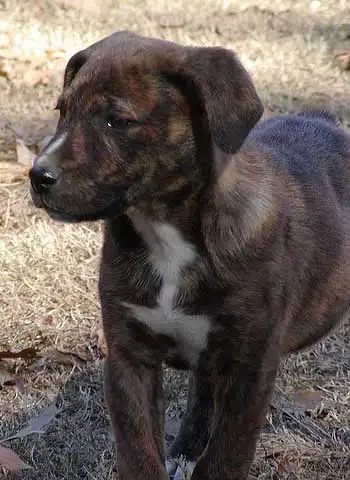
The Treeing Cur is notable among cur breeds for its impressive variety in both size and color. All shades are accepted, with the exception of albinism. Typically, these dogs stand between 18 and 24 inches tall at the shoulder and weigh between 30 and 60 pounds. They are characterized by strong, slightly elongated bodies and well-defined musculature. Their heads are usually broad and flat, tapering to a muzzle that is somewhat shorter than the skull, and they feature a square black nose that can be either black or pink. The Treeing Cur has medium to long, rounded ears that hang close to the cheeks, and their eyes are set wide apart. While brown is the most prevalent eye color, they can also appear in green, yellow, or blue hues.

Care Routine
These dogs require very little grooming due to their easy-to-care-for single-layer coats. Bathing should be done only when absolutely necessary, as frequent washing can cause dry and irritated skin. Typically, brushing is sufficient just once or twice a week to control loose hair and enhance the coat's luster. Nail trimming should be done monthly, and significant dental expenses can be reduced by brushing their teeth three times a week. Breeds with floppy ears, like the Treeing Cur, are somewhat prone to ear infections. To help prevent this, many owners opt to trim the excess hair in the ear canal and keep the ears clean and dry.
Behavior & Temperament
These dogs are recognized for their keen alertness, intelligence, and physical prowess. They have a strong inclination to please their owners, yet they can also exhibit a stubborn streak. This behavior stems from their breeding, which was designed to prepare them for guarding families against large predators like mountain lions and bears, as well as hunting aggressive wild boars and managing livestock, such as Texas Longhorns. While it’s essential to supervise their interactions with young children, this breed generally displays a friendly and affectionate demeanor towards family members of all ages. With proper socialization, they can also get along well with other dogs. However, they need consistent and assertive training to avoid becoming overly protective of their home and loved ones. As instinctive hunters, they rely on all their senses when tracking prey; some may pursue quietly, while others might bark during the hunt.


Play & Exercise
These dogs possess a remarkable level of energy and athleticism, having been originally bred for their impressive strength and stamina. To maintain their optimal health, they require a significant amount of exercise—ideally, between one to one and a half hours of vigorous activity daily. It’s essential to understand that mental stimulation is equally vital as physical exercise; they flourish when faced with mental challenges just as much as they do with physical ones. Engaging in activities such as herding, hunting trials, agility training, and even canine freestyle dance can effectively satisfy their need for mental engagement. While they make excellent companions in rural settings, they typically struggle to adjust to smaller living spaces, such as apartments.
Things to Know
Cups Per Day
2.0 Cups
Daily Activity
75 Minutes
Average Lifespan
10 Years
Origin
1700s-1800s
Type
Pure Breeds
Size
Medium
Origin Country
Southern USA
Brush Frequency
Weekly
Coat Texture
Straight
Register
Your kids have been begging for a pet forever, and you've recently decided that it's time for your family to get a new addition -- a dog! While everyone is excited for the new arrival, you're wondering if you need to have a dog license. How much does it cost? Is it required? Where do you get one?
Member Clubs

PETINNATE
Scenthound

UKC
Scenthound
Height & Weight
Weight
45 lbs (20 kg)Male: 45 lbs (20 kg) , Female: 45 lbs (20 kg)
Height
21 inches (53 sm)Male: 21 inches (53 sm) , Female: 21 inches (53 sm)
6 Months
31 lbs ( m 31 lbs, f 31 lbs )
17 inches ( m 17 inches, f 17 inches )
12 Months
40 lbs ( m 40 lbs, f 40 lbs )
20 inches ( m 20 inches, f 20 inches )
18 Months
45 lbs ( m 45 lbs, f 45 lbs )
21 inches ( m 21 inches, f 21 inches )
Eye Colors
Blue

Hazel
Brown
Amber
Nose Colors
Black
Isabella
Coat Colors
Brindle

Sable

Pied

White
Silver
Blue

Fawn

Isabella
Cream
Red

Brown

Gray

Black