Treeing Feist
Feist, Fyce, Fice, American Feist, American Treeing
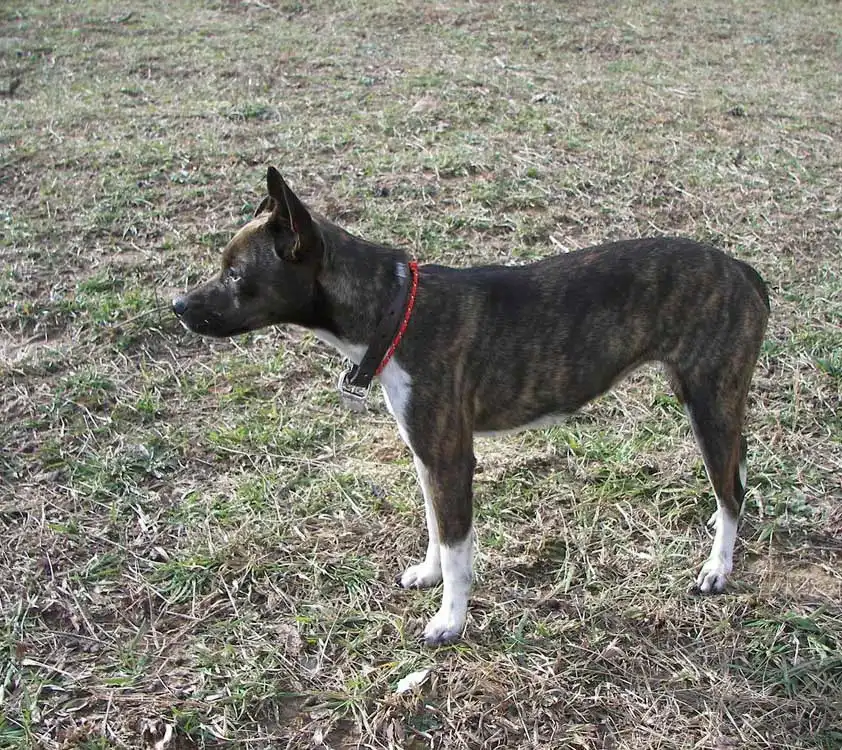
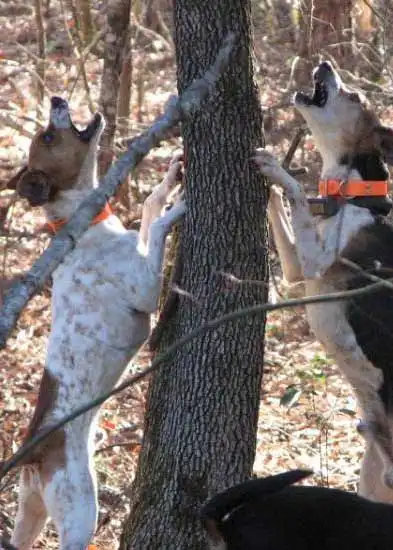
The Treeing Feist is a small, agile breed that has been refined over the years to become a top-tier treeing dog. These dogs are specifically trained to chase prey into trees, where they wait for the hunter to either call them off or take down the game. Renowned for their exceptional abilities, they are often referred to as the "ultimate squirrel dog," but they are also proficient in hunting raccoons and opossums. Their remarkable speed allows them to quickly approach their targets while remaining stealthy. Once they have successfully cornered their prey in a tree, they signal their owners with loud, persistent barking. Among recognized breeds, the Feist stands out for its flexible standards. Although there are some guidelines regarding height and weight, these dogs can be found in virtually any color and pattern, thanks to their varied lineage, which likely includes a blend of scent hounds, European terriers, and native American hounds. Known for their adaptability, Treeing Feists thrive in both small and large living environments, as long as they receive regular exercise. Affectionate and loyal, Treeing Feists develop strong connections with their families, including children. However, due to their energetic nature and size, they typically benefit from training and socialization to prevent them from becoming overly exuberant around kids. Their terrier heritage gives them a somewhat territorial nature; while they generally coexist well with other dogs, they may be wary of strangers and could bark if they feel threatened. Overall, Treeing Feists are not only excellent companions but also skilled hunters and vigilant watchdogs.
Breed Origin
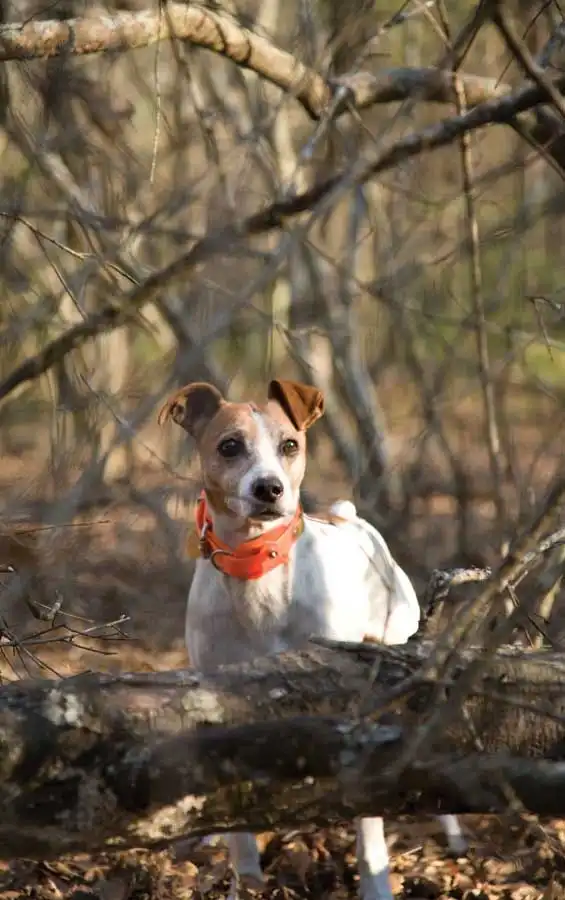
Determining the exact timeline of the Treeing Feist is difficult due to its vast genetic diversity and the lack of thorough documentation. Historical mentions of this breed appear in the works of prominent individuals like George Washington, Abraham Lincoln, and William Faulkner, indicating that it has been around for quite some time. However, the debate over whether the breed originated in the United States or earlier in England, where terriers were more common, is still unresolved. Some accounts even suggest that they may date back to the 17th century. Regardless of their beginnings, the breed gained popularity in the American South, where farmers relied on them not only for treeing but also for controlling vermin and safeguarding their crops. Their friendly nature, strong work ethic, and versatility made them beloved companions. Notably, even Teddy Roosevelt had dogs with Feist ancestry. Today, while they continue to be a relatively well-liked breed, many remain unregistered.
Breed Appearance
Feists are small dogs, generally standing between one and one and a half feet tall at the shoulder and weighing up to 30 pounds. Their coats are short, soft, and fairly dense, which makes it difficult to assess their appearance based solely on color or pattern, as the breed standard accommodates a wide range of combinations. They have long, slender heads, with the skull slightly longer than the muzzle; both features are parallel and separated by a distinct stop. Typically, their noses are black or self-colored, while their eyes can vary from brown to amber, with other hues being quite uncommon. The ears are set high, have a somewhat triangular shape, and can be either erect or folded. Their necks are clean and muscular, of medium length, seamlessly transitioning into their relaxed shoulders and level back. The forelegs are straight, strong, and surprisingly sturdy for their size, with elbows close to the body yet allowing for free movement. Their chests are relatively deep and wide in relation to their overall size, enhancing their impressive barking ability, while their bellies are only moderately tucked. The hindquarters are particularly muscular, especially in the thighs, providing them with strong propulsion in any direction. Their tails can be long and tapering or naturally bobbed.
Care Routine
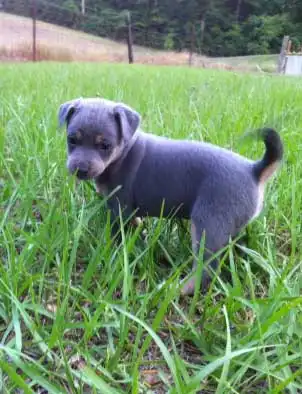
Feists are considered to be low-maintenance dogs, a characteristic that has been purposefully developed through breeding. They shed a moderate amount and generally need to be brushed only once or twice a week to keep their coats healthy. Bathing is rarely needed unless they get into something particularly dirty or odorous, as they are quite adept at grooming themselves. Nonetheless, it’s crucial to regularly inspect and trim their nails to prevent any cracking or breaking, and weekly teeth brushing is vital for their dental health. This routine care can help owners avoid costly veterinary cleanings, which many choose to have done annually.
Behavior & Temperament
Although Feists are known for their energetic nature and instinctual hunting drives, they tend to be quite laid-back when indoors, enjoying quality time with their families. These dogs are characterized by their affectionate and playful demeanor, with some of the smaller varieties even relishing the opportunity to be lap dogs if allowed. While they generally get along well with children, it’s crucial to ensure they receive proper training and socialization to avoid any potential behavioral issues. Training is relatively straightforward, but it demands consistency and firmness from the beginning; otherwise, the dog may attempt to assert dominance or, in some cases, develop Small Dog Syndrome. Feists require regular exercise due to their lively temperament, but their size places them in a moderate category compared to other breeds. Insufficient physical activity can lead to boredom or frustration, resulting in destructive behaviors. Therefore, daily walks or runs, along with mental stimulation, are essential for their overall well-being. They typically interact well with other dogs but may be wary of strangers, often barking if they feel threatened or startled. While some may find this behavior bothersome, it can also make them effective watchdogs and loyal companions. With early training to help them respond appropriately to unfamiliar individuals, they usually adapt quite well. Their size and versatility enable them to thrive in a variety of living situations and family dynamics, as long as they receive the necessary attention and exercise.


Play & Exercise
Treeing Feists are known for their medium to high energy, which means they need a significant amount of daily exercise to stay healthy and well-mannered. Although their smaller stature requires less physical activity than larger breeds with comparable energy levels, they still thrive on about 60 minutes of exercise each day. This can encompass a variety of activities, such as leashed walks, runs, playtime in a dog park or yard, and stimulating games that also engage their minds. Due to their strong instinct to chase, which can create difficulties both on and off the leash, it is crucial to begin training early for effective management.
Things to Know
Cups Per Day
1.0 Cups
Daily Activity
60 Minutes
Average Lifespan
13 Years
Origin
Unknown
Type
Pure Breeds
Size
Small
Origin Country
United States/United Kingdom
Brush Frequency
Weekly
Coat Texture
Straight
Register
Your kids have been begging for a pet forever, and you've recently decided that it's time for your family to get a new addition -- a dog! While everyone is excited for the new arrival, you're wondering if you need to have a dog license. How much does it cost? Is it required? Where do you get one?
Member Clubs

PETINNATE
Terrier

UKC
Terrier
Height & Weight
Weight
21 lbs (10 kg)Male: 21 lbs (10 kg) , Female: 21 lbs (10 kg)
Height
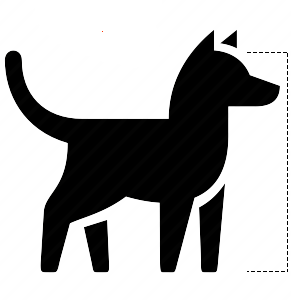
15 inches (38 sm)Male: 15 inches (38 sm) , Female: 15 inches (38 sm)
6 Months
15 lbs ( m 15 lbs, f 15 lbs )
11 inches ( m 11 inches, f 11 inches )
12 Months
18 lbs ( m 18 lbs, f 18 lbs )
16 inches ( m 16 inches, f 16 inches )
18 Months
21 lbs ( m 21 lbs, f 21 lbs )
15 inches ( m 15 inches, f 15 inches )
Eye Colors
Brown

Amber
Nose Colors
Black
Brown
Coat Colors
Brindle
Sable
Pied
White
Silver

Fawn

Isabella
Cream

Red

Brown
Gray
Black