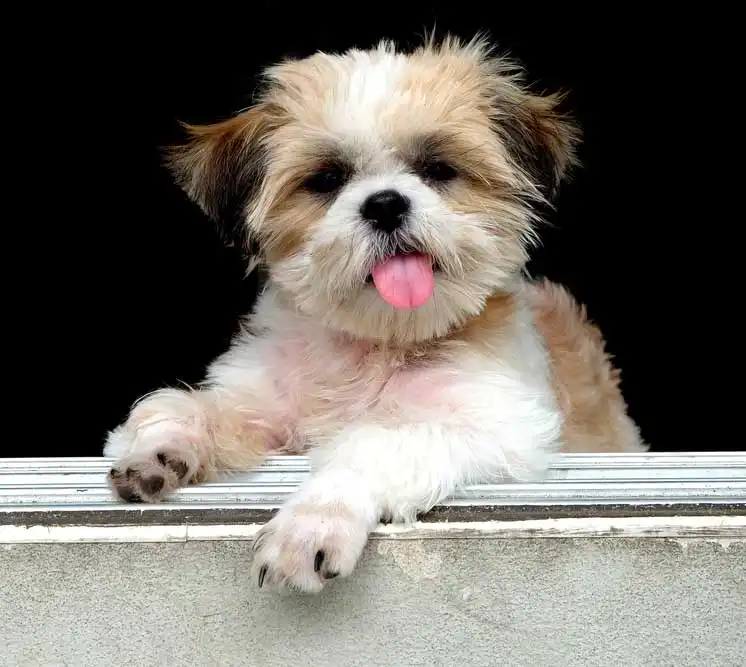
Tzu Basset
The delightful Tzu Basset is a charming blend of Shih Tzu and Basset Hound. These loving companions generally fall within the small to medium size range, standing between 9 and 13 inches tall and typically weighing under 40 pounds as adults. Their coats can vary widely, from short and smooth to long, silky, and straight, and they are available in various colors, including white, brown, and brindle. Many Tzu Bassets display bi-colored or tri-colored patterns. With moderate exercise needs, they are well-suited for urban environments and apartment living. However, due to their Basset Hound lineage, they possess a strong tracking instinct, which means they may wander off if not kept on a leash or secured within a fenced area.
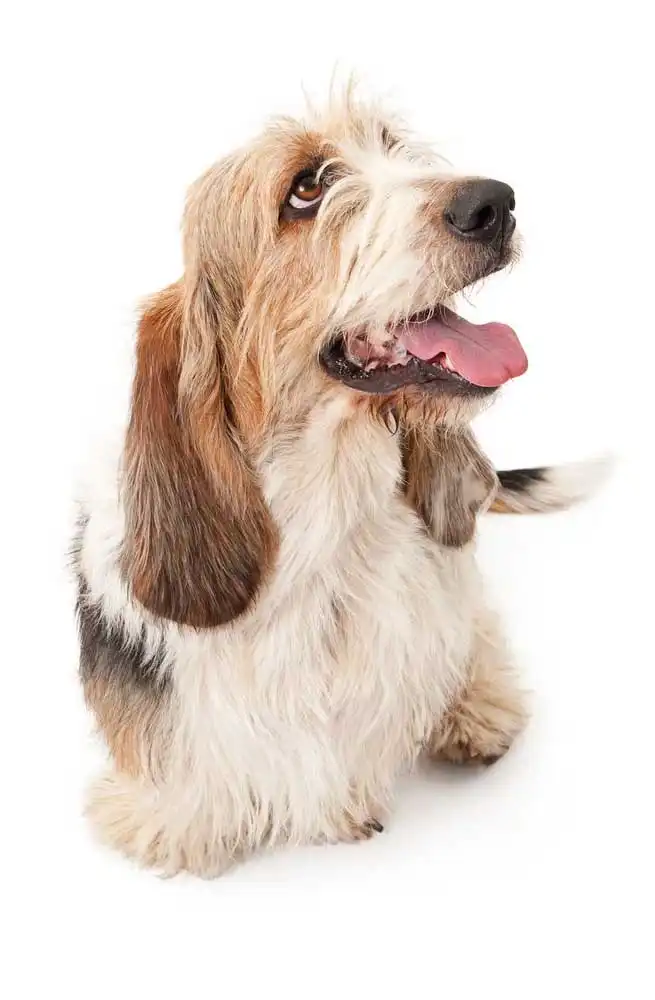
Breed Origin
The Tzu Basset, a hybrid breed, has a somewhat ambiguous background due to its mixed lineage. This breed is the result of crossing two beloved dogs: the Basset Hound and the Shih Tzu, creating a loyal companion that showcases the finest characteristics of both breeds. The Basset Hound's origins can be traced back to France in the 1500s, with its lineage linked to the Basset d’Artois and the Basset Nomads. The modern Basset Hound evolved with contributions from other short-legged hounds, specifically bred for hunting small game like hares and rabbits. Unlike many other hounds, the Basset was deliberately bred to move at a slower pace, facilitating easier tracking during hunts. This beloved breed has made numerous appearances in popular culture and has been officially recognized by the American Kennel Club since 1935. Conversely, the Shih Tzu has a rich and storied history of its own. Originating in ancient China, these affectionate lap dogs were primarily bred for companionship. It is thought that they were developed by crossing the Lhasa Apso with a smaller Chinese breed, such as the Pekingese. Shih Tzus were highly valued by Chinese royalty and were also popular among the general public. However, the breed faced a significant threat of extinction during the Chinese Revolution, with only fourteen dogs—seven males and seven females—surviving. All modern Shih Tzus can trace their ancestry back to these fourteen dogs. The breed began to gain international popularity in the 1900s, with many arriving in the United States after World War II. The American Kennel Club officially recognized the Shih Tzu in 1969, and it has since become one of the most favored breeds in the country.
Breed Appearance
The Tzu Basset is a distinctive breed known for its compact size and elongated physique, showcasing a diverse range of sizes, colors, and coat types. While many Tzu Bassets have short, smooth coats similar to those of the Basset Hound, others may possess long, luxurious fur that highlights their Shih Tzu heritage. Their coats can be found in various colors, including yellow, white, black, brown, brindle, and tricolor, often adorned with markings reminiscent of the Basset Hound. Like the Basset, the Tzu Basset features short legs and a long body, supported by sturdy limbs that end in large, strong pads. This breed typically has drooping ears, and some individuals may also display the characteristic underbite associated with Shih Tzus.


Care Routine
The Shih Tzu is recognized for its low shedding, while the Basset Hound is known for shedding quite a bit. The Tzu Basset, a mix of these two breeds, falls in the middle with a moderate level of shedding. Due to its Basset Hound heritage, this breed may also be prone to excessive drooling and could have a lingering odor that can be difficult to manage. To keep a Tzu Basset looking and feeling their best, regular brushing is vital, especially for those with longer coats. Routine baths are also necessary to help control any odors and support overall health. Nail trimming should be done every three to four weeks, and dental hygiene, including brushing, is advisable at least once a week. Because of their floppy ears, Tzu Bassets are at a higher risk for infections, making it important to clean and inspect their ears on a weekly basis.
Behavior & Temperament
The Tzu Basset makes for an excellent companion, celebrated for its friendly and gentle nature. These loving dogs flourish in the company of others and often find it challenging to be left alone, which can result in boredom and excessive barking. With a moderate level of energy, they don’t need rigorous exercise; a short walk or a quick game of fetch usually suffices. However, they can be susceptible to gaining weight, so incorporating extra physical activity may be essential for keeping them at a healthy weight. Although the Tzu Basset is intelligent, it can exhibit some stubbornness. Thankfully, their eagerness to please their owners generally means they respond well to positive reinforcement and patient training techniques.


Play & Exercise
The Tzu Basset is generally low-energy and tends to be quite sedentary, showing a strong love for food that can lead to weight gain. However, this breed has a natural curiosity for tracking and enjoys sniffing out different scents during walks. Their calm demeanor makes them ideal companions for busy people or those living in apartments. It's crucial to supervise them outdoors unless they are in a securely fenced area, as they may wander off in search of interesting smells. A couple of brisk walks or visits to a dog park will provide the exercise your pet needs.
Things to Know
Cups Per Day
2.0 Cups
Daily Activity
30 Minutes
Average Lifespan
13 Years
Origin
Unknown
Type
Crossbreeds
Size
Medium
Origin Country
Unknown
Brush Frequency
Weekly
Coat Texture
Straight
Register
Your kids have been begging for a pet forever, and you've recently decided that it's time for your family to get a new addition -- a dog! While everyone is excited for the new arrival, you're wondering if you need to have a dog license. How much does it cost? Is it required? Where do you get one?
Member Clubs

PETINNATE
Other
Height & Weight
Weight
32 lbs (15 kg)Male: 34 lbs (15 kg) , Female: 30 lbs (14 kg)
Height
11 inches (28 sm)Male: 11 inches (28 sm) , Female: 11 inches (28 sm)
6 Months
11 lbs ( m 11 lbs, f 11 lbs )
6 inches ( m 6 inches, f 6 inches )
12 Months
22 lbs ( m 22 lbs, f 22 lbs )
10 inches ( m 10 inches, f 10 inches )
18 Months
29 lbs ( m 29 lbs, f 29 lbs )
10 inches ( m 10 inches, f 10 inches )
Eye Colors
Brown

Nose Colors
Black
Brown
Coat Colors
White
Brindle
Brown
Black