Wauzer
West Highland Schnauzer
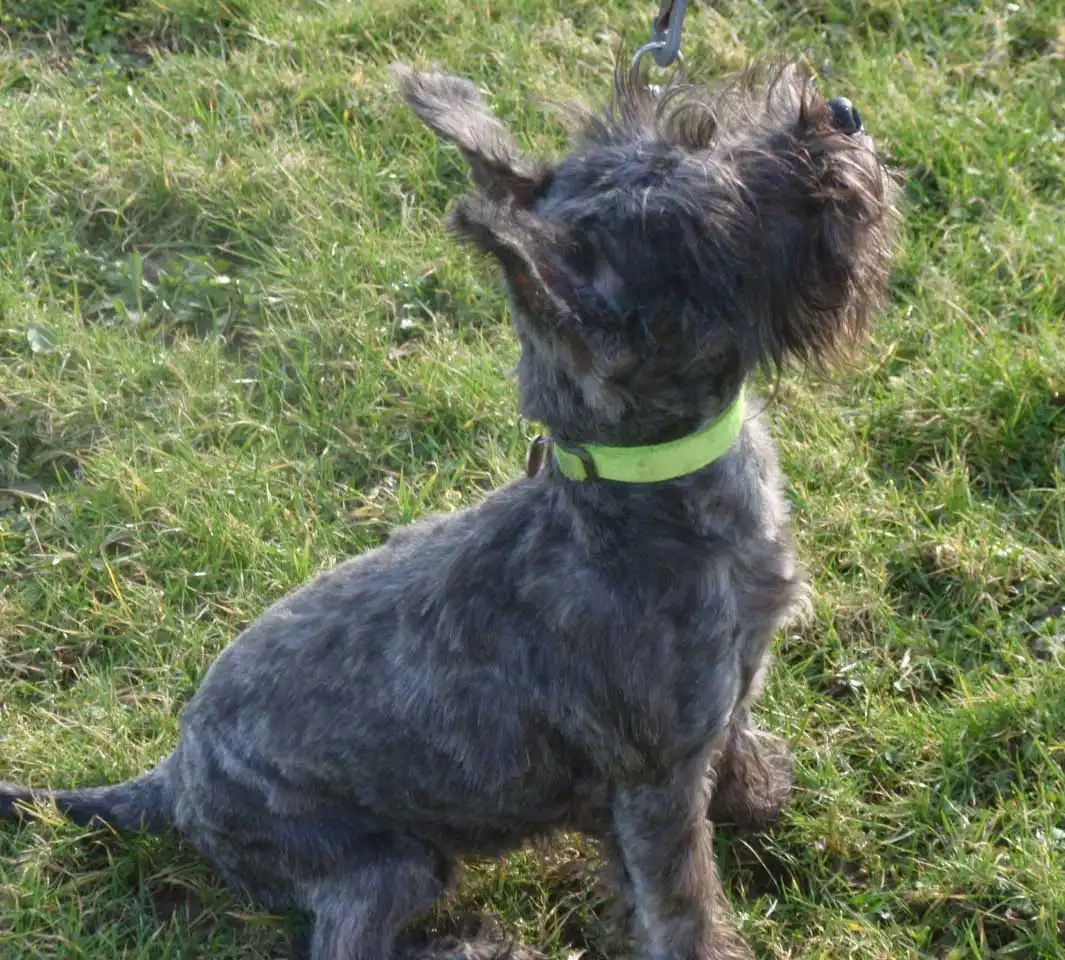
The Wauzer is a small, fluffy dog breed that emerges from the crossbreeding of a West Highland Terrier and a Schnauzer. Renowned for their low shedding, these hybrid dogs are an excellent option for those who suffer from allergies to pet dander. Typically, Wauzers stand at a height of around 15 inches and boast a coat that can be found in a variety of colors, such as black, white, silver, or dark brindle. These dogs are known for their sharp intelligence, playful spirit, friendly nature, and loving disposition. They make fantastic companions for children, exhibiting a vibrant energy that drives them to run, dig, jump, and partake in various playful activities. To keep a Wauzer engaged, it’s important to provide an abundance of toys, as they have a natural inclination to chew. Overall, this breed thrives on companionship, enjoying both snuggles and energetic playtime with their owners.
Breed Origin
The Wauzer is a relatively new hybrid breed, resulting from the crossbreeding of a West Highland Terrier and a Schnauzer. While their popularity is on the rise, there is limited information available about their origins. The West Highland Terrier, commonly known as the Westie, belongs to a group that includes the Scottish, Skye, Dandie Dinmont, and Cairn Terriers. Hailing from Scotland, these dogs were historically bred for hunting and managing vermin, such as rats. Their ancestry is thought to date back to the 17th century, linked to a breed of small dogs that were presented to the French king during that time. A significant event in the 19th century involved Colonel Malcolm of Poltalloch, who accidentally shot one of his Cairn Terriers, mistaking it for a fox. This unfortunate incident led him to breed only white dogs to avoid future mix-ups, resulting in the Westie's distinctive coloration. Initially called the Poltalloch Terrier and the Roseneath Terrier, the breed received official recognition from the American Kennel Club as the West Highland White Terrier in 1908. On the other hand, the Schnauzer has its origins in Germany, with its ancestors appearing in Renaissance art by renowned artists like Rembrandt and Albrecht Dürer, as well as in tapestries from 1501. These dogs were valued as protectors, safeguarding farm families and their livestock while also helping to control rat populations. In the mid-1800s, German breeders began to standardize the breed, incorporating traits from dogs such as the Wolfspitz and the black German Poodle. This period also saw the development of the Miniature Schnauzer, followed by the Giant Schnauzer. Originally known as Wirehaired Pinschers, the breed's standard was established in 1880. A dog named “Schnauzer” won first place at the Third German International Show in Hanover in 1879, and by 1900, the breed had gained widespread recognition under that name, which refers to their characteristic muzzle (schnauze in German). During World War I, Schnauzers were utilized for communication, assisting the Red Cross and engaging in police work. The breed was introduced to America in the early 1900s by immigrant families, with the American Kennel Club recognizing the Standard Schnauzer in 1904 and the Miniature Schnauzer in 1926.
Breed Appearance
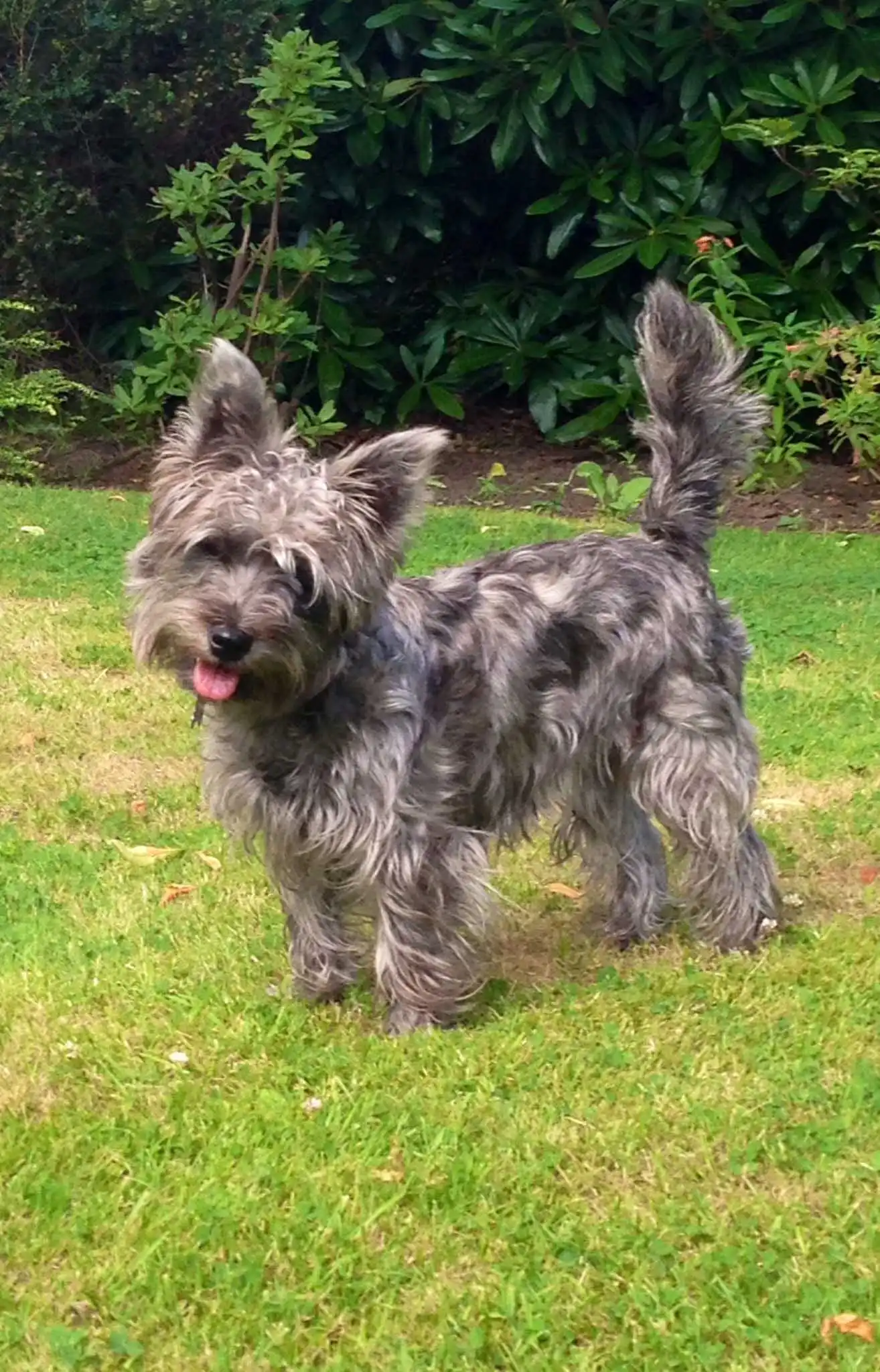
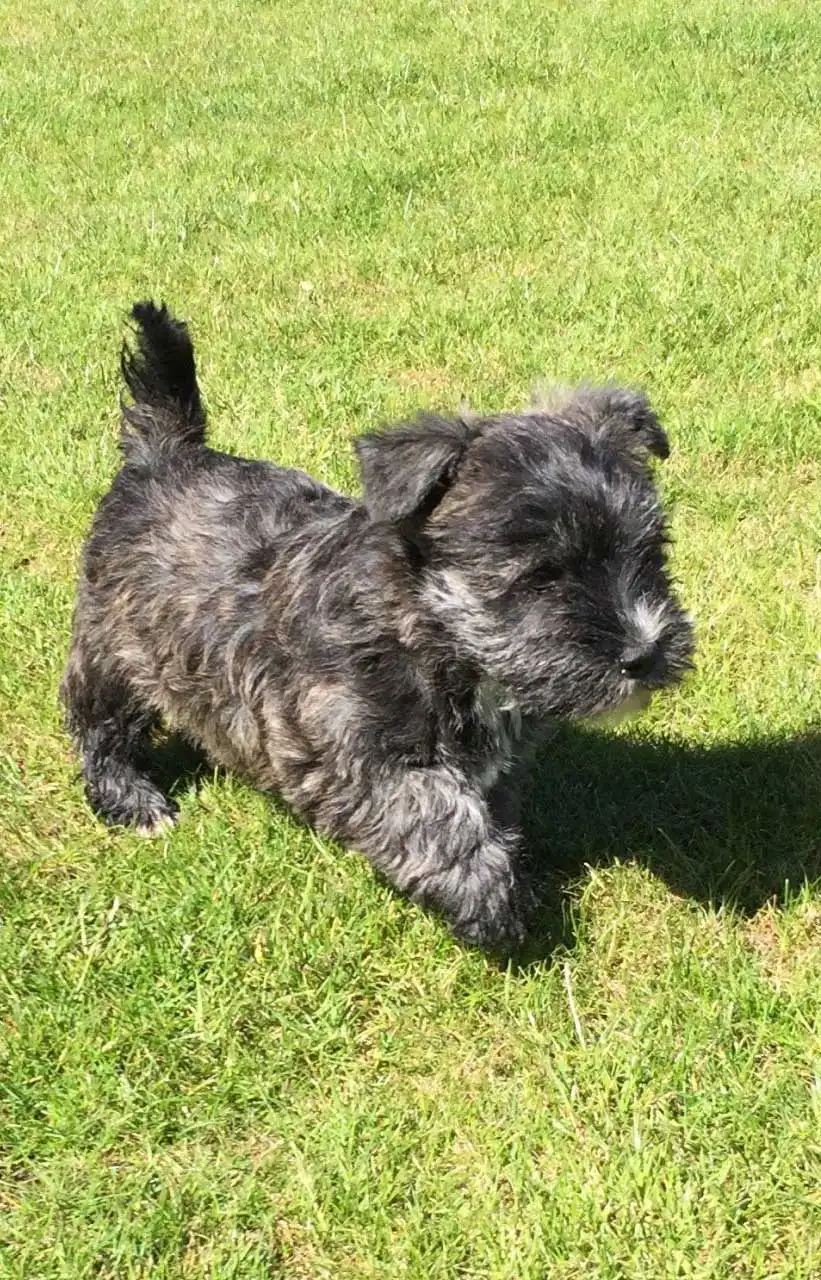
The Wauzer is a small dog known for its robust, compact physique and shaggy coat. Weighing in at 12 to 18 pounds and standing between 7 and 15 inches tall, these dogs have a distinctive double coat made up of a dense undercoat and a wiry outer layer, featuring medium-length, wavy fur. Their coloration typically includes shades like black, white, dark brindle, and silver. Wauzers are characterized by their broad heads, large, rounded dark eyes, and black noses. Their ears are fluffy and generally stand upright, although some may have tips that fold over. This breed often displays a slightly unbalanced look, with elongated bodies, short legs, and small feet, traits that can be traced back to their West Highland White Terrier ancestry.

Care Routine
The Wauzer is recognized for its low-shedding characteristics, making it an ideal option for allergy sufferers. This breed boasts a dense, medium-length wiry coat that can easily become matted, so daily brushing with a slicker brush is recommended. Regular grooming, including trimming around the eyes, ears, and paws, is important to avoid discomfort and reduce the risk of infections. Before bathing your dog, always ensure that you brush and detangle its fur, as managing tangles becomes more difficult after a bath. Additionally, be mindful not to bathe your Wauzer too often, as this can result in dry skin. Wauzers are prone to dental problems, so it’s crucial to brush their teeth daily to prevent infections, tartar buildup, and bad breath. Finally, remember to trim their nails approximately once a month.
Behavior & Temperament
The Wauzer is a remarkably friendly, sociable, and energetic breed known for its intelligence. This hybrid dog makes a fantastic companion and is a great fit for any family. He has a special fondness for children and is always ready to join in on their playtime. With a high level of energy, he enjoys activities such as running, jumping, playing, and digging, but he also values his downtime, relishing long naps and cuddling in comfortable spots. Since both of his parent breeds have a hunting background, the Wauzer may exhibit a tendency to chase after small animals, making early training essential to curb this instinct. When properly socialized, he generally gets along well with other dogs. His intelligence and eagerness to please make him relatively easy to train; he quickly grasps commands, so repetition is usually unnecessary. To maximize training effectiveness, be sure to offer plenty of treats and positive reinforcement.


Play & Exercise
This lively little dog is full of energy and can easily put on weight, which makes regular physical activity crucial for his well-being and for burning off that excess energy. It’s advisable to take him on two daily walks of about 20 minutes each, in addition to play sessions and chances to run freely in a yard or park. Be aware that these dogs often have a propensity to dig, so it’s wise to keep them away from gardens. They can also be quite vocal, so having plenty of chew toys available will help minimize any potential damage. Their intelligence and energetic nature make them ideal candidates for agility training. While they can thrive in an apartment setting if they get enough exercise, they would certainly enjoy the freedom of a large yard where they can run and dig to their heart's content.
Things to Know
Cups Per Day
1.0 Cups
Daily Activity
45 Minutes
Average Lifespan
11 Years
Origin
Unknown
Type
Crossbreeds
Size
Small
Origin Country
Unknown
Brush Frequency
Daily
Coat Texture
Wiry
Register
Your kids have been begging for a pet forever, and you've recently decided that it's time for your family to get a new addition -- a dog! While everyone is excited for the new arrival, you're wondering if you need to have a dog license. How much does it cost? Is it required? Where do you get one?
Member Clubs

PETINNATE
Other
Height & Weight
Weight
15 lbs (7 kg)Male: 16 lbs (7 kg) , Female: 14 lbs (6 kg)
Height
11 inches (28 sm)Male: 12 inches (30 sm) , Female: 10 inches (25 sm)
6 Months
9 lbs ( m 9 lbs, f 9 lbs )
6 inches ( m 6 inches, f 6 inches )
12 Months
14 lbs ( m 14 lbs, f 14 lbs )
10 inches ( m 10 inches, f 10 inches )
18 Months
14 lbs ( m 14 lbs, f 14 lbs )
10 inches ( m 10 inches, f 10 inches )
Eye Colors
Brown

Nose Colors
Black
Coat Colors
Silver

White
Brindle
Black