Weimarrott
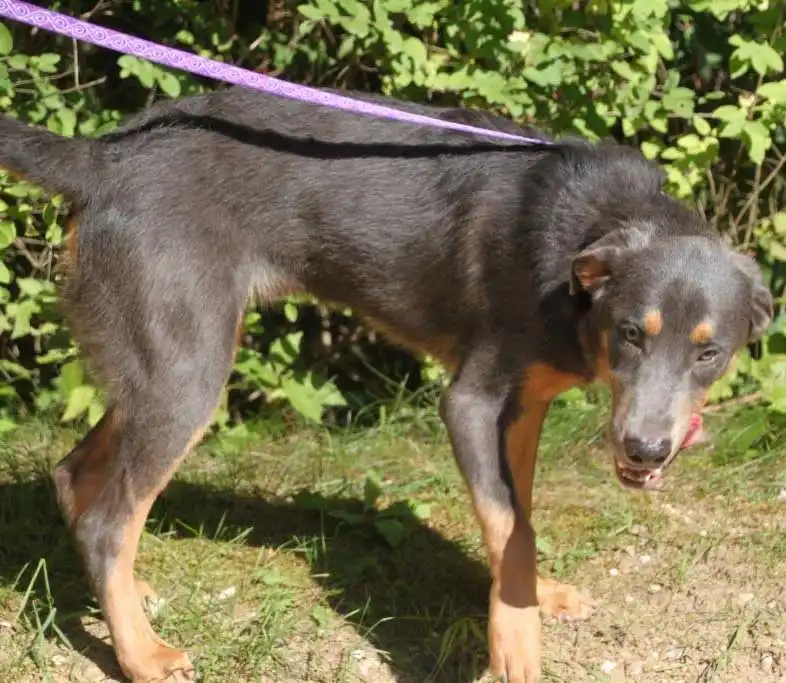
The Weimarrott is a well-proportioned hybrid that combines the best traits of two esteemed German breeds: the Weimaraner and the Rottweiler. Typically large due to the size of its parent breeds, this dog can stand around 24 inches tall and possess a robust, athletic build, often nearing 100 pounds, although most are lighter. Visually, Weimarrotts display a captivating mix of colors, merging the Rottweiler's characteristic black and brown markings with the Weimaraner's unique faded coat, which has earned it the moniker "Gray Ghost." Their color palette is diverse, ranging from solid black to light gray, and may also feature various shades of brown and tan. Both parent breeds were initially bred for hunting and protection, which contributes to the Weimarrott's energetic nature, impressive strength, and high intelligence. With appropriate training, these dogs can thrive as both loyal companions and effective service animals.

Breed Origin
The Weimarrott is a relatively recent breed, yet both the Weimaraner and Rottweiler have deep-rooted histories in Germany. The Weimaraner was developed through careful breeding efforts by the Weimar court in the early 19th century, with the goal of creating an ideal all-purpose working dog. Characterized by its sleek and athletic build, the Weimaraner is known for its impressive speed and agility. Its exceptional sense of smell and webbed feet further enhance its skills as a capable hunter. Renowned for their intelligence and loyalty, Weimaraners are not only relatively easy to train but have also earned the moniker “Gray Ghost,” reflecting their almost metallic coats and their tendency to shadow their owners closely. This courageous breed received official recognition from the American Kennel Club in 1943 and is classified within the Sporting Group. On the other hand, the Rottweiler boasts an even older heritage, dating back to the first century AD. It is believed that this breed originated when Roman settlers arrived in the Black Forest region of Germany. Initially descended from ancient Mastiffs, the Romans crossbred their dogs with the ancestors of Bernese Mountain Dogs, Appenzellers, and Entlebuchers, resulting in a versatile breed adept at hunting, herding cattle, and providing protection. The region became known as “das Rote Wil,” meaning “red roof tiles,” and over time, the dogs from this area were referred to as “rot wil” dogs. Although the breed faced near extinction in the mid-19th century due to the rise of trains replacing traditional herding methods, Rottweilers have since regained their popularity and are now frequently utilized as guard dogs, guide dogs, search and rescue dogs, and police dogs.
Breed Appearance
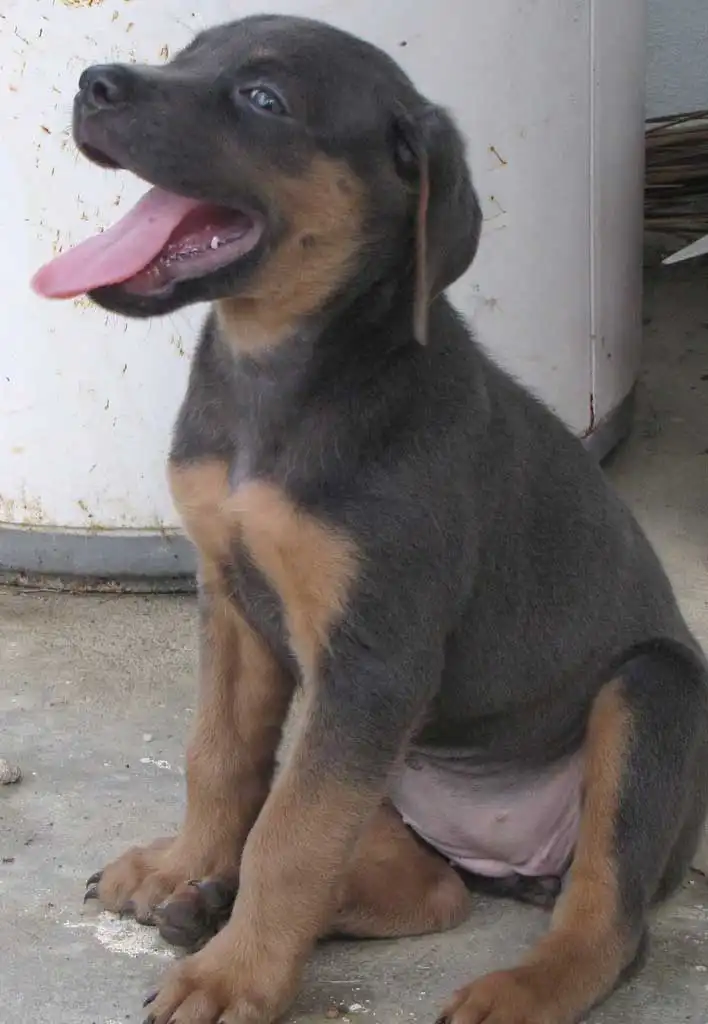
The Weimaraner is a graceful and athletic breed known for its tall frame, short to medium silvery coat, long ears, and typically docked S-shaped tail. In contrast, the Rottweiler is a sturdy, medium-sized dog distinguished by its broad face and wiry coat, which is a blend of black and brown and of medium length. The Weimarott, a crossbreed of these two, is a strong dog of moderate height, featuring a short to medium coat and a square face. This hybrid showcases a muscular physique, especially in its legs, merging the Rottweiler's robust build with the Weimaraner's added height. Their coat colors can range from deep black to light gray, often displaying a combination of the Rottweiler's black and tan patterns, while also exhibiting the characteristic near-metallic sheen typical of Weimaraners.

Care Routine
The Weimaraner and Rottweiler are both characterized by their short coats that shed minimally, allowing for effective coat maintenance with just weekly brushing using a slicker brush. These breeds typically do a good job of grooming themselves, so occasional baths are usually sufficient. However, it’s crucial for owners to routinely clean and dry their dogs' ears, as the shape of their folded ears can trap moisture, increasing the risk of infections. Since both breeds are energetic working dogs, regular nail trimming is vital, especially for Rottweilers, whose nails tend to grow rapidly. Maintaining dental health is also important, particularly for Rottweilers, as they are more prone to dental problems; thus, regular brushing is advisable. Furthermore, both breeds can be at risk of obesity, which can be effectively controlled through a well-balanced diet and regular physical activity.
Behavior & Temperament
The Weimaraner is a breed celebrated for its intelligence and loyalty, traits that enhance its obedience and make training relatively straightforward. This breed is often seen as an ideal family pet, thanks to its affectionate and playful demeanor, which makes it particularly suitable for households with children. However, Weimaraners exhibit only moderate compatibility with other dogs, so it is crucial to provide proper socialization, especially in homes with multiple pets or for those who frequently visit public areas for exercise. Conversely, Rottweilers are more appropriate for families with experienced dog owners due to their considerable size and strength. When raised in a supportive environment, they can be exceptional companions. Despite their sometimes fearsome image, Rottweilers are known for their loyalty and affection, provided they receive proper socialization from an early age. This is vital for helping them navigate busy environments alongside other dogs. They generally get along well with children and possess a moderate capacity for training. If you are considering a Weimarrott, a crossbreed of Weimaraner and Rottweiler, it is essential to focus on obedience training to ensure the dog reliably follows commands. Engaging in regular interactions with other dogs through training classes will also aid this hybrid in becoming more comfortable in social situations. With the right support and experiences, the Weimarrott can flourish as a devoted family member.
Play & Exercise
The Rottweiler and Weimaraner are both high-energy breeds that need plenty of exercise each day to stay healthy and content. Ideally, a Weimarrott should have the opportunity to engage in several miles or hours of activity twice daily, as they flourish in spacious homes or environments where they can run freely. Due to the intelligence of both parent breeds, it’s essential to offer mental stimulation to avoid boredom and frustration; therefore, regular playtime and interactive toys are advantageous. Incorporating obedience training and frequent visits to the dog park will help your Weimarrott burn off energy while also developing their social skills.
Things to Know
Cups Per Day
2.0 Cups
Daily Activity
75 Minutes
Average Lifespan
10 Years
Origin
Unknown
Type
Crossbreeds
Size
Large
Origin Country
Germany
Brush Frequency
Weekly
Coat Texture
Straight
Register
Your kids have been begging for a pet forever, and you've recently decided that it's time for your family to get a new addition -- a dog! While everyone is excited for the new arrival, you're wondering if you need to have a dog license. How much does it cost? Is it required? Where do you get one?
Member Clubs

PETINNATE
Other
Height & Weight
Weight
90 lbs (41 kg)Male: 100 lbs (45 kg) , Female: 80 lbs (36 kg)
Height
25 inches (64 sm)Male: 26 inches (66 sm) , Female: 24 inches (61 sm)
6 Months
56 lbs ( m 56 lbs, f 56 lbs )
16 inches ( m 16 inches, f 16 inches )
12 Months
68 lbs ( m 68 lbs, f 68 lbs )
19 inches ( m 19 inches, f 19 inches )
18 Months
80 lbs ( m 80 lbs, f 80 lbs )
23 inches ( m 23 inches, f 23 inches )
Eye Colors
Hazel

Brown
Amber
Nose Colors
Blue
Black
Coat Colors
Black

Silver
Gray