
West Highland Corgi
West Highland Corgis are loving, easygoing, and spirited pets that adapt effortlessly to different environments. Although they are small in size, they have a solid build and a lively, alert personality. These dogs are intelligent and usually easy to train, though they can be a bit headstrong if they don’t perceive a clear incentive to follow commands. Their medium-length coat requires minimal upkeep, and they are generally a hearty breed. Renowned for their friendly disposition, they interact well with both humans and other dogs. Their adaptability makes them fantastic travel buddies, always ready to join you on your next adventure.
Breed Origin
The West Highland White Terrier, affectionately referred to as the Westie, originated in Scotland as a working dog in the 1700s. This breed emerged from various types of Terriers and was primarily bred for hunting small game, including otters, foxes, and rats. Initially, Westies came in a range of colors, but after one was mistakenly identified as a fox during a hunt, breeders shifted their focus to creating exclusively white-coated dogs. The American Kennel Club recognized the breed in 1908, and since then, Westies have gained immense popularity in the United States. Welsh Corgis, which include both the Cardigan and Pembroke varieties, have a rich history that spans over 3,000 years. These sturdy dogs are descendants of breeds such as the Dachshund, Collie, Pomeranian, and Vallhund, and have long been valued as herding animals. Their importance to Welsh farmers was so significant that laws were established to safeguard them from theft and harm. While they thrived as working dogs, Corgis quickly captured the hearts of their owners, becoming beloved pets throughout the centuries. Queen Elizabeth II has had a particular affection for Pembrokes since her childhood. The American Kennel Club officially recognized both Corgi breeds in 1935, with notable differences: Pembrokes are always red and white and are tailless, while Cardigans have long tails. The West Highland Corgi is a relatively new hybrid breed, and as such, its history is still being developed. However, considering the friendly and sociable nature of its parent breeds, it is anticipated that these robust dogs will make wonderful companions.
Breed Appearance
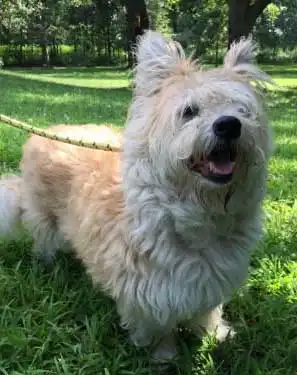
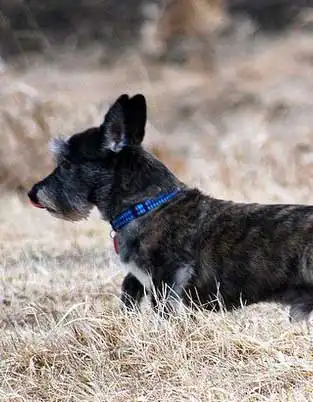
The West Highland Corgi features a medium-length, coarse coat that reflects its heritage from both parent breeds. Primarily white, thanks to its Westie lineage, this breed can also exhibit a variety of color patches inherited from its Corgi roots, such as red, black, brindle, sable, red merle, fawn, or blue merle. Generally, West Highland Corgis have dark eyes, although blue eyes may occasionally appear. Their bodies are rectangular and supported by short, sturdy legs, typically ending in a short tail that is carried high; however, some individuals may be born without a tail. Despite their compact stature, these dogs have a deep chest, a straight back, and a solid build. Their expression is both alert and friendly, enhanced by large ears that may be pointed or have tips that fold forward. Their bite features a scissor alignment of the teeth.

Care Routine
The West Highland Corgi boasts a coat that varies from medium to long, featuring a soft undercoat. Unlike Westies, which shed minimally, Corgis tend to shed considerably throughout the year, making regular weekly brushing crucial. Using a deshedder can help remove dead hair from the undercoat effectively. Since Corgis often have thicker fur around their chest and hindquarters, it’s important to pay special attention to these areas during grooming. If your dog inherits the Westie’s longer fur around the eyes, ears, and mouth, trimming these areas may be necessary to prevent matting. Fortunately, the West Highland Corgi’s coat is naturally dirt-repellent and doesn’t retain strong odors, so baths are only needed when absolutely necessary. Additionally, it’s recommended to trim your dog’s nails about once a month. Starting this practice while your dog is still a puppy can help them get used to having their paws handled. Regular tooth brushing, ideally once a week, is also advisable to prevent tartar buildup and reduce the risk of gum disease.
Behavior & Temperament
The West Highland Corgi is a loving, spirited, and friendly breed, making it a fantastic option for families. These dogs are vigilant watchdogs, alerting their owners to any unusual activity, yet they are not aggressive and tend to quickly accept newcomers once they perceive no danger to themselves or their family. West Highland Corgis form strong bonds with their human families and thrive on social engagement. They may display herding instincts inherited from their Corgi ancestry, which can result in nipping or excessive mouthing, especially during their younger years. While they enjoy the energetic presence of children, their tendency to nip may not make them the best fit for very young kids. However, with appropriate training, this behavior can be effectively managed. In general, these dogs are sociable with other dogs, particularly if they have been properly socialized from an early age. If their herding instincts are strong, they might try to herd other animals, which could be problematic. Regular socialization can help reduce this tendency. Additionally, Westies have a notable prey drive that may be inherited, making them less suitable for households with cats or other small pets. This breed is intelligent and quick to learn, but they can also be quite headstrong if they don’t perceive a personal advantage in the training. Therefore, it’s essential to incorporate plenty of rewards during training sessions. Corgis have a tendency to overeat and can gain weight easily, so it’s important to provide the right portion sizes and limit treats for your West Highland Corgi. These dogs are energetic and playful, requiring daily walks and ample attention to remain content and calm. They may bark out of boredom and can suffer from separation anxiety if left alone for long periods. Nonetheless, their joyful and playful disposition makes them wonderful companions that you’ll always want by your side.


Play & Exercise
West Highland Corgis are energetic and enthusiastic pets that need both physical activity and mental engagement due to their keen intelligence. Typically, a daily exercise routine of 30 to 45 minutes is sufficient to fulfill their requirements. It’s crucial to offer your dog plenty of attention beyond just their walks, as these friendly animals flourish with human interaction. Their sharp minds make them ideal candidates for agility and obedience competitions, and they often shine as playful fetch companions. These dogs are adaptable and easygoing, fitting well into a variety of living situations. However, they may become quite vocal if they don’t receive enough exercise, which is an important factor for those living in apartments. While they can adjust to different climates, they generally prefer cooler weather.
Things to Know
Cups Per Day
2.0 Cups
Daily Activity
45 Minutes
Average Lifespan
14 Years
Origin
Unknown
Type
Crossbreeds
Size
Medium
Origin Country
Unknown
Brush Frequency
Weekly
Coat Texture
Wiry
Register
Your kids have been begging for a pet forever, and you've recently decided that it's time for your family to get a new addition -- a dog! While everyone is excited for the new arrival, you're wondering if you need to have a dog license. How much does it cost? Is it required? Where do you get one?
Member Clubs

PETINNATE
Other
Height & Weight
Weight
25 lbs (11 kg)Male: 25 lbs (11 kg) , Female: 25 lbs (11 kg)
Height
11 inches (28 sm)Male: 11 inches (28 sm) , Female: 11 inches (28 sm)
6 Months

11 lbs ( m 11 lbs, f 11 lbs )
5 inches ( m 5 inches, f 5 inches )
12 Months
17 lbs ( m 17 lbs, f 17 lbs )
10 inches ( m 10 inches, f 10 inches )
18 Months
25 lbs ( m 25 lbs, f 25 lbs )
10 inches ( m 10 inches, f 10 inches )
Eye Colors
Blue

Brown
Nose Colors
Black
Brown
Coat Colors
Blue

Brown
White

Brindle
Sable
Fawn

Black