West of Argyll Terrier
The West of Argyll Terrier is a hybrid breed resulting from the crossbreeding of a Beagle and a West Highland White Terrier. These small, sturdy dogs boast wiry, thick coats that can appear in a variety of colors such as white, black, brown, fawn, cream, or brindle. Generally, they weigh between 16 and 25 pounds and can stand as tall as 15 inches. Renowned for their independence, confidence, and lively disposition, these dogs can exhibit a stubborn streak, which calls for a training method rooted in patience and consistency. Despite their strong personalities, they are affectionate and playful companions that can thrive in apartment settings, as long as they receive regular exercise through daily walks.
Breed Origin
The West of Argyll Terrier was developed in the 1990s through the crossbreeding of a Beagle and a West Highland White Terrier, commonly known as the Westie. This breed has its origins in Scotland, where Westies were initially employed for hunting medium-sized game and managing vermin populations. The West Highland White Terrier is related to several other Scottish breeds, such as the Dandie Dinmont, Cairn, and Skye Terriers. Its lineage is believed to trace back to the 17th century, originating from a small earth dog that King James I of Argyllshire presented to the King of France. A significant event in the 19th century played a role in establishing the breed's characteristic all-white coat. Colonel Malcolm of Poltalloch, while hunting foxes with his Terriers, accidentally shot one of his beloved Cairns. This incident led him to breed exclusively white dogs to avoid future confusion with foxes. Initially referred to as the Poltalloch Terrier or Roseneath Terrier, the breed received official recognition as the West Highland White Terrier from the Kennel Club of England in 1906, with the American Kennel Club following suit in 1908. The history of the Beagle is more complex. Dogs resembling Beagles are mentioned in Greek writings dating back to 400 B.C. It is thought that Beagles are descended from small hunting hounds brought to England by the Romans, who interbred them with local hounds. They are also believed to have lineage from the now-extinct Talbot hounds, which William the Conqueror introduced to England in 1066. The breed quickly gained popularity in England, especially the smaller variants known as Glove Beagles, which were small enough to fit in a gloved hand. Queen Elizabeth I was known to have owned several of these tiny Beagles. Although they were originally used for hunting, their popularity declined due to their slower pace. Nevertheless, Irish and English farmers helped preserve the breed by using them for hunting rabbits and hares. The contemporary Beagle, as we recognize it today, was refined in the 19th century when English breeders concentrated on enhancing its appearance. The breed was also introduced to America, where breeders sought to further improve its looks. In England, larger Beagles were bred for fox hunting, while American breeders focused on developing smaller versions for rabbit hunting. The American Kennel Club officially recognized the breed in 1884.
Breed Appearance
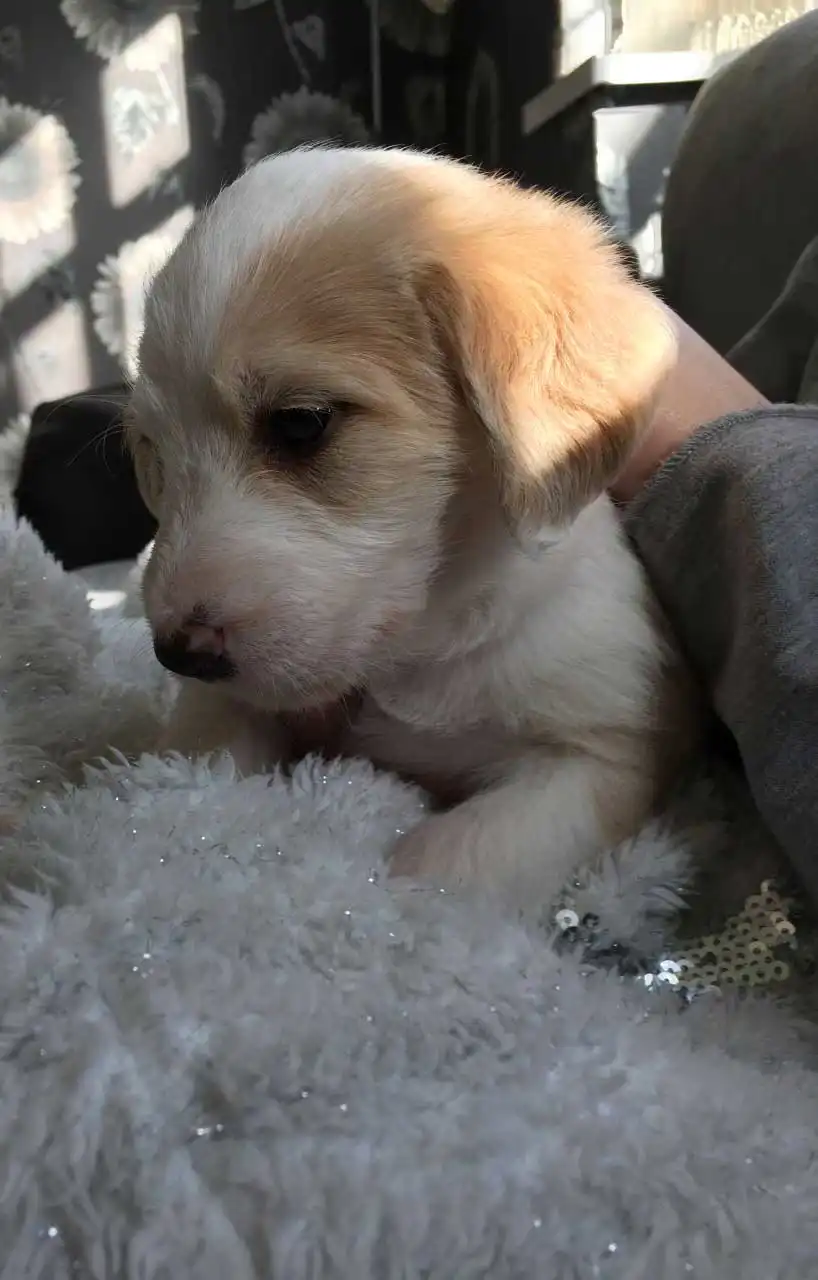
The Argyll Terrier is a small, sturdy breed, typically weighing between 16 and 25 pounds and standing 11 to 15 inches tall. They are characterized by their robust physique and shaggy coat, which gives them a unique appearance. Their fur consists of two layers: a soft, dense undercoat and a coarser outer layer. Hair length can range from short to medium and is available in various colors, such as white, black, brindle, brown, cream, fawn, or combinations of these hues. These dogs have heavy, slightly rounded skulls and a medium-length, wide, flat muzzle that is notably furry, resembling a mustache. Their ears hang down on either side, and their large brown eyes, along with a broad, rounded black nose, contribute to their endearing expression.

Care Routine
The Argyll Region Terriers are known for their moderate shedding and possess a dense, wiry coat. To keep their fur in good condition and avoid mats and tangles, it’s recommended to brush them every other day using a slicker brush. Regular grooming also includes trimming the hair around their ears, eyes, and paws to prevent blockages and potential infections. These dogs may develop a moderate odor, so bathing should be done as needed. Always brush them before a bath and opt for a veterinarian-recommended dog shampoo. Cleaning their ears weekly is crucial; use an ear cleaning solution along with a cotton ball or cloth for this task. Nail trimming should be performed once or twice a month, depending on how quickly their nails grow. To help prevent tartar buildup, bacteria, and bad breath, it’s important to brush their teeth at least two to three times a week.
Behavior & Temperament
West of Argyll Terriers are lively, confident, and courageous little companions. Although they have a fair degree of intelligence, their stubbornness can pose challenges during training, necessitating a considerable amount of time and effort. Achieving success in training relies heavily on your patience, consistency, and the application of positive reinforcement methods. These dogs typically get along well with other dogs and can be wonderful with children, as long as they receive appropriate training in their formative years. It’s also crucial to educate children on how to properly interact with dogs. Renowned for their playful demeanor, West of Argyll Terriers are quite energetic and love to play games. They tend to be quite vocal, often barking at strangers. Nevertheless, they are affectionate and gentle pets. If you need to leave them alone, it’s important to provide them with plenty of toys to keep them entertained, as they may feel anxious when left by themselves.
Play & Exercise
West Highland Terriers are lively canines prone to weight gain, which makes regular physical activity crucial. A daily walk of at least 30 minutes is ideal for maintaining their fitness and happiness, and it’s also a great opportunity for some off-leash fun at a dog park or a secure backyard. These dogs have a fondness for swimming, so trips to the beach or a lake can be particularly enjoyable for them; even a small plastic pool in the yard can enhance their playtime. However, they do not fare well in cold climates and prefer warmer surroundings. They can adapt to apartment living as long as they receive regular outdoor exercise.
Things to Know
Cups Per Day
1.0 Cups
Daily Activity
40 Minutes
Average Lifespan
14 Years
Origin
1990s
Type
Crossbreeds
Size
Small
Origin Country
Unknown
Brush Frequency
Daily
Coat Texture
Wiry
Register
Your kids have been begging for a pet forever, and you've recently decided that it's time for your family to get a new addition -- a dog! While everyone is excited for the new arrival, you're wondering if you need to have a dog license. How much does it cost? Is it required? Where do you get one?
Member Clubs

PETINNATE
Other
Height & Weight
Weight
21 lbs (10 kg)Male: 22 lbs (10 kg) , Female: 19 lbs (9 kg)
Height
13 inches (33 sm)Male: 14 inches (36 sm) , Female: 12 inches (30 sm)
6 Months
12 lbs ( m 12 lbs, f 12 lbs )
9 inches ( m 9 inches, f 9 inches )
12 Months
19 lbs ( m 19 lbs, f 19 lbs )
12 inches ( m 12 inches, f 12 inches )
18 Months
19 lbs ( m 19 lbs, f 19 lbs )
12 inches ( m 12 inches, f 12 inches )
Eye Colors
Brown

Nose Colors
Black
Coat Colors
Brindle
Pied

Fawn

Brown

White
Black