West Siberian Laika
Zapadno-Sibirskaia Laika
The West Siberian Laika is a sturdy and somewhat imposing breed, distinguished by its elongated, wolf-like build. This hardy dog features a thick, coarse coat that offers excellent protection against the elements. Although it shares some traits with its cousin, the East Siberian Laika, the West Siberian variant displays a stronger prey drive and is generally larger. Both breeds have ancestral ties to wolves. Renowned for its remarkable navigational skills, the West Siberian Laika can track game over long distances. With sufficient playtime and daily activities to keep it occupied, this breed can also thrive as a loving family companion.
Breed Origin
There are four unique varieties of Laika: the Karelo-Finnish Laika, Russo-European Laika, East Siberian Laika, and West Siberian Laika. This breed has origins that date back to ancient times, recognized as a primitive hunting dog with aboriginal roots. Evolving from wolves, the Laika still exhibits many physical characteristics and hunting instincts inherited from its wild ancestors. The West Siberian Laika has been integral to the cultures of the Hanty and Mansi peoples in the Ural Mountains and the surrounding West Siberian region of Russia. This breed was employed for hunting both large and small game in areas just south of the tundra, particularly within the thick forests of the Ural Mountains. It also played a vital role in the sable fur trade. However, as the sable population faced near extinction, hunting activities diminished, leading to a significant drop in the West Siberian Laika's popularity. In the early 20th century, initiatives were launched to safeguard the West Siberian Laika, resulting in the establishment of a breed standard in the 1930s. By the 1940s, the four Laika breeds were officially classified according to their geographic regions. The first West Siberian Laika to reach the United States was brought by Dr. Vladimir Beregovoy, a Ph.D. holder and breed enthusiast, in 1992. As a Russian immigrant, Dr. Beregovoy's dedication to the breed is thought to have been crucial in its introduction to North America. Between 1992 and 2014, around 21 West Siberian Laikas were imported into the U.S., and today, it is estimated that there are about 300 of these dogs in the country. The breed gained recognition from the United Kennel Club in 1996.
Breed Appearance
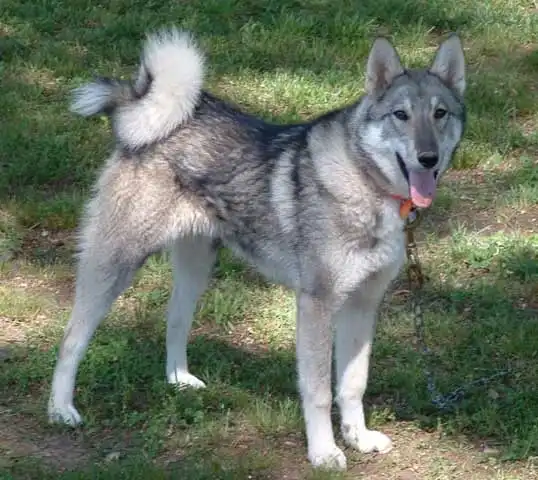
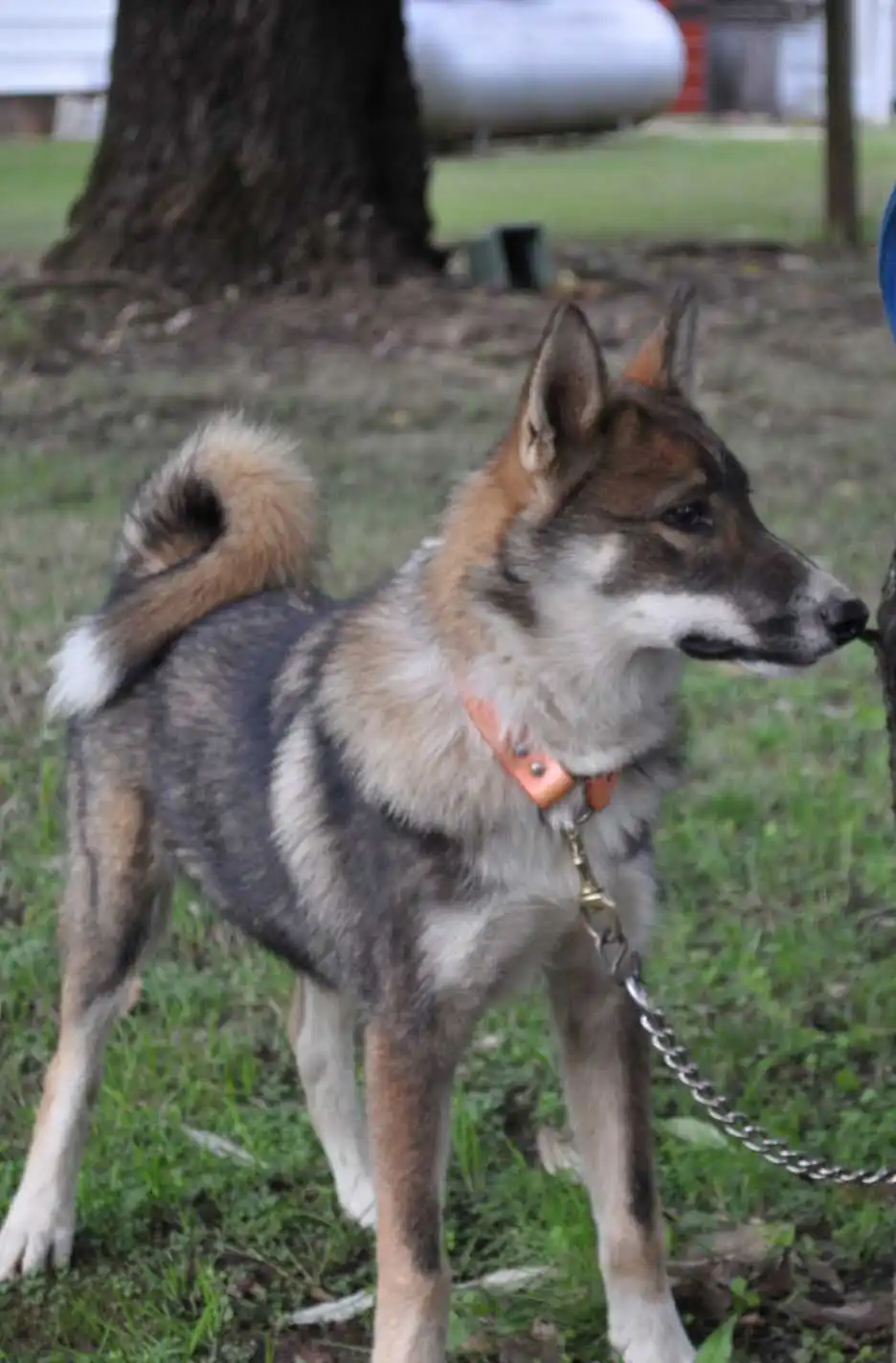
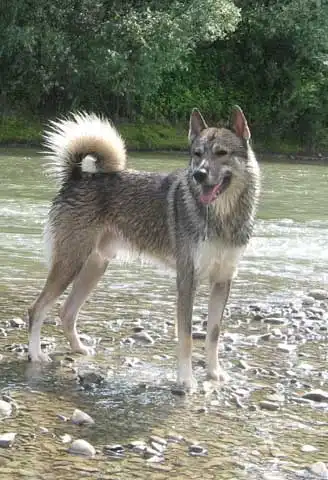
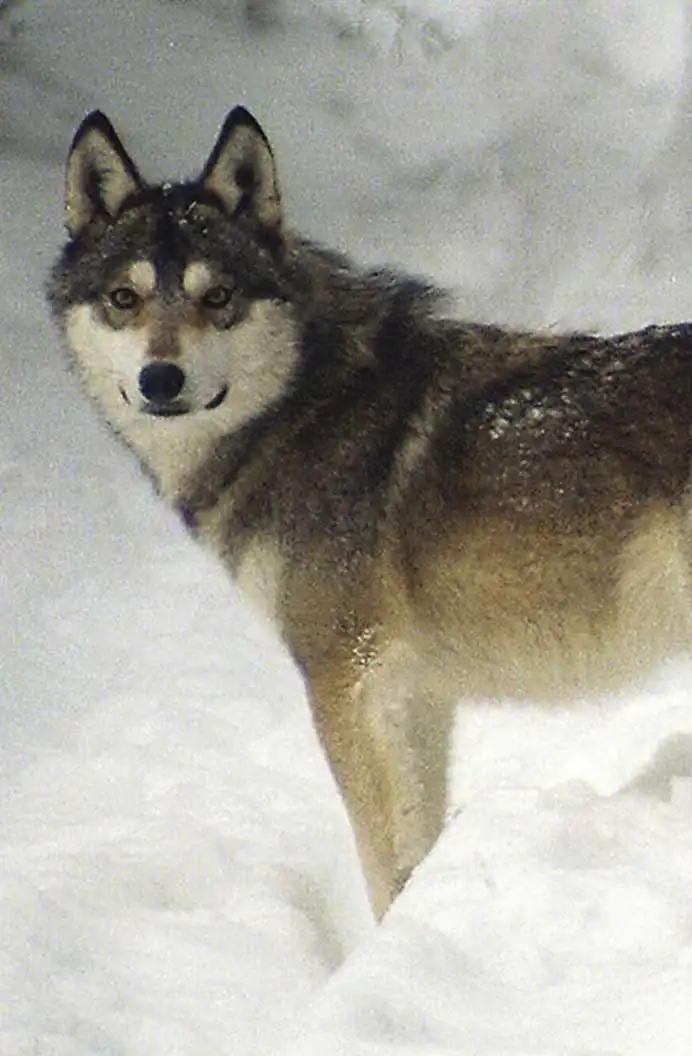
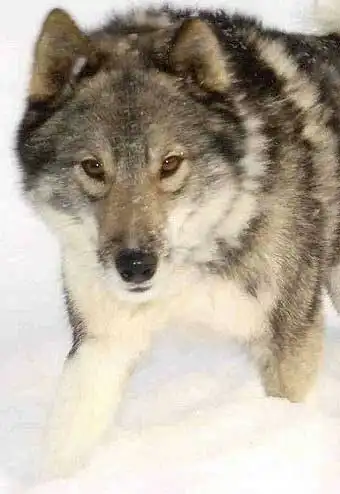
The West Siberian Laika is classified as a medium to large breed within the Spitz category, distinguished by its wolf-like features that can appear quite formidable. Nonetheless, it should not have an excessively heavy or rugged look. This breed is characterized by a broad nose equipped with wide, black nostrils. Its dark, oval eyes are set at an angle, enhancing its alert expression. The ears are high on the head, standing upright and shaped like triangles with pointed tips. This breed is known for its thick, double-layered coat. The outer layer is straight, of medium length, and has a coarse feel, while the undercoat is dense, well-structured, and softer to the touch. The thickness of the undercoat causes the topcoat to stand away from the body. Additionally, the fur on the cheekbones is slightly longer, creating a bearded appearance. The West Siberian Laika comes in a variety of colors, with the most prevalent being white, red, salt and pepper, and various shades of grey.
Care Routine
The coat of the West Siberian Laika is often compared to that of the German Shepherd in terms of shedding. This breed features a double coat that sheds seasonally, resulting in loose hairs floating in the air and landing on furniture, countertops, and clothing. During heavy shedding periods, daily brushing becomes crucial, while at other times, a weekly grooming session is adequate to keep the coat healthy and shiny. For grooming, it is advisable to use a slicker brush and a metal comb, and having a deshedder or pin brush can also be helpful. Interestingly, the West Siberian Laika does not have a strong dog smell, even when wet, and does not need frequent baths. Generally, you should aim to bathe your Laika about two to three times a year, as its coat naturally repels dirt due to its non-oily composition, setting it apart from some other breeds.
Behavior & Temperament
The West Siberian Laika may not be the best option for novice dog owners due to its independent and stubborn temperament, which necessitates consistent training and socialization. This breed is not well-suited for apartment living or environments with limited outdoor access. Characterized by its inquisitive nature, the West Siberian Laika loves to explore its surroundings. Leaving this dog alone in the yard for long periods is unwise, as it may engage in activities that lead to destructive behavior. Furthermore, this breed is quite vocal, using barking to communicate its discoveries to hunters, which can become a nuisance to neighbors if the dog is left unsupervised. Care should also be taken around smaller pets, as the Laika has a strong prey drive and could pose a risk to animals such as ferrets, hamsters, birds, or even cats. In summary, the West Siberian Laika can make a fantastic companion if it is clear about its place within the family or pack hierarchy.
Play & Exercise
The West Siberian Laika is an active breed that requires plenty of physical exercise; without it, he may engage in playful mischief to keep himself occupied. To keep him content while you're preoccupied, it's essential to provide a large, secure yard stocked with toys. Regular, extended walks in the neighborhood or visits to a dog park are advantageous, but be sure to keep an eye on him when he's around smaller dogs. This breed does not adapt well to apartment living and is likely to become unhappy in such settings, which can result in restlessness and possible destructive tendencies.
Things to Know
Cups Per Day
2.5 Cups
Daily Activity
60 Minutes
Average Lifespan
15 Years
Origin
1940s
Type
Pure Breeds
Size
Medium
Origin Country
Siberia
Brush Frequency
Weekly
Coat Texture
Straight
Register
Your kids have been begging for a pet forever, and you've recently decided that it's time for your family to get a new addition -- a dog! While everyone is excited for the new arrival, you're wondering if you need to have a dog license. How much does it cost? Is it required? Where do you get one?
Member Clubs

PETINNATE
Northern Breed

UKC
Northern Breed
Height & Weight
Weight
48 lbs (22 kg)Male: 48 lbs (22 kg) , Female: 48 lbs (22 kg)
Height
22 inches (56 sm)Male: 23 inches (58 sm) , Female: 22 inches (56 sm)
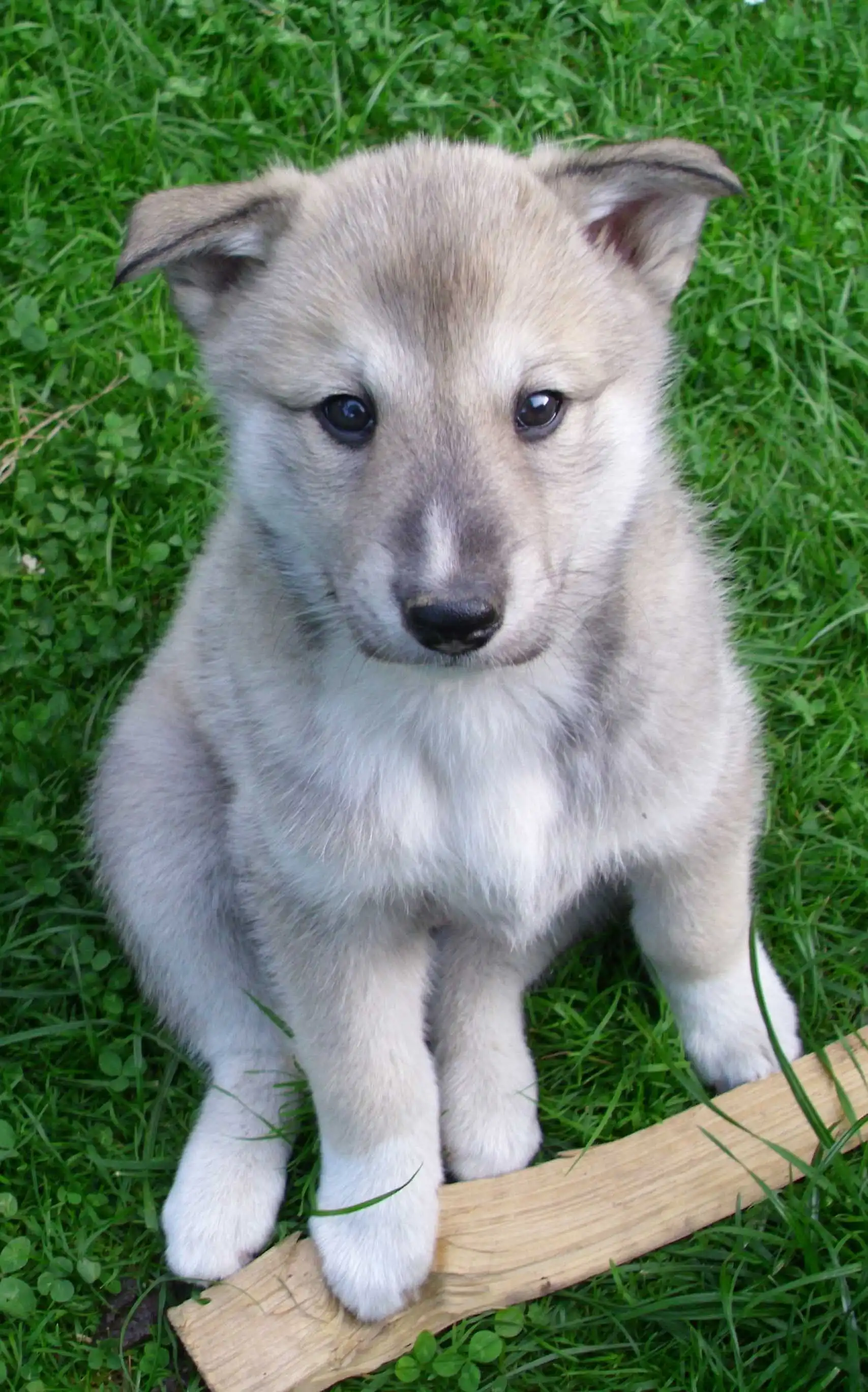
6 Months
22 lbs ( m 22 lbs, f 22 lbs )
17 inches ( m 17 inches, f 17 inches )
12 Months
35 lbs ( m 35 lbs, f 35 lbs )
19 inches ( m 19 inches, f 19 inches )
18 Months
47 lbs ( m 47 lbs, f 47 lbs )
21 inches ( m 21 inches, f 21 inches )
Eye Colors
Brown

Nose Colors
Black
Coat Colors
Red

Gray

White