Westiepoo
Wee-Poo, Westiedoodle
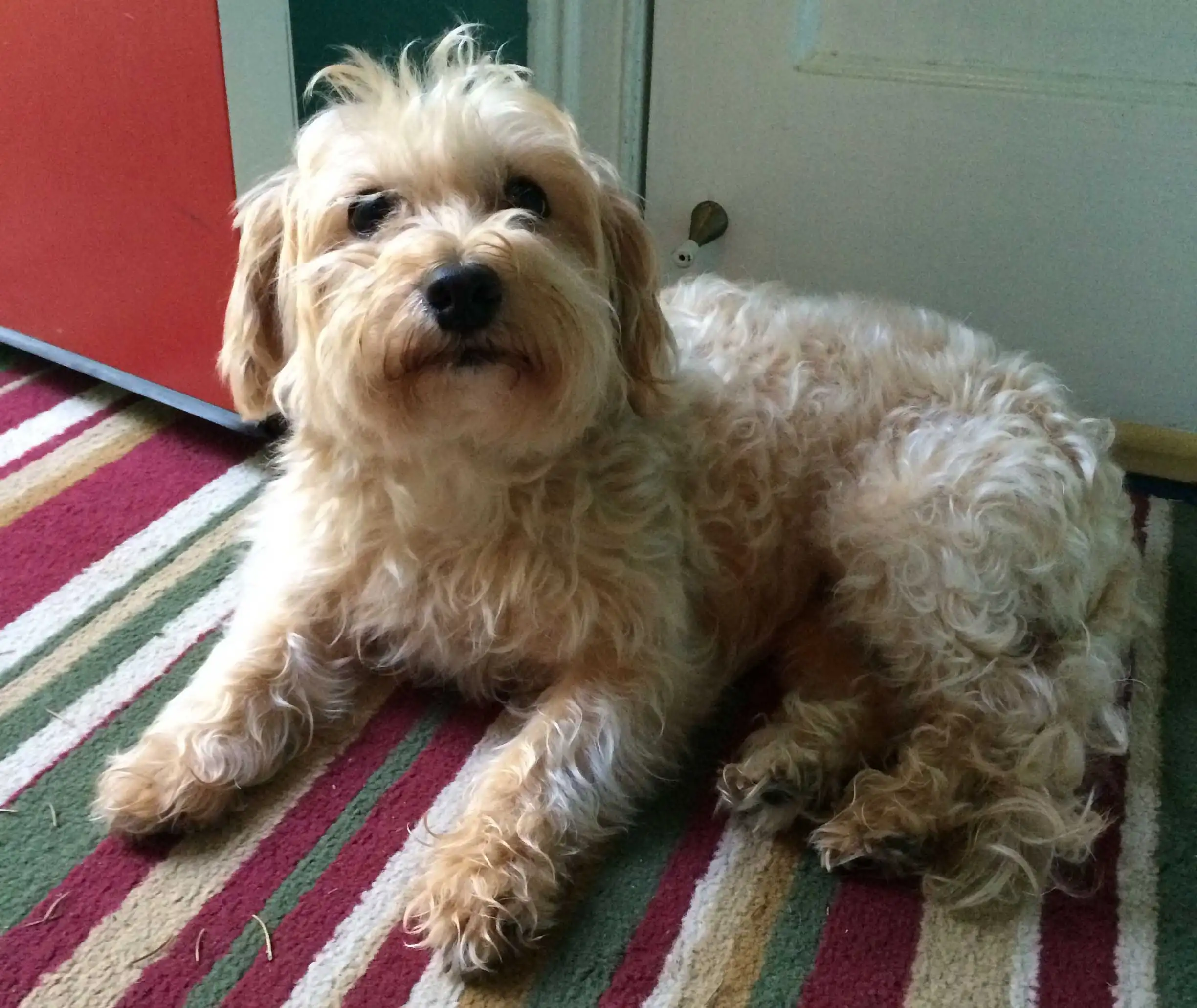
The Westiepoo, commonly known as the Westiedoodle or Wee-Poo, is an energetic and clever mixed breed that results from crossing a Poodle with a West Highland White Terrier. Renowned for their inquisitive and friendly demeanor, these dogs make wonderful companions for families. Their high level of intelligence typically makes training a straightforward process. Furthermore, Westiepoos do not shed, which makes them a suitable choice for those with allergies. With a playful nature, they thrive particularly well in households with older children who can engage with them appropriately. Although they are quite energetic, Westiepoos can adjust to different living environments as long as they receive sufficient exercise and mental stimulation.
Breed Origin
The West Highland White Terrier, commonly referred to as the Westie, was initially developed in Scotland for hunting small animals and vermin. These energetic dogs are related to various other Scottish Terriers, such as the Cairn Terrier, Scottish Terrier, and Skye Terrier. Originally, Westies were found in multiple colors, but a notable event involving a Scottish colonel, who mistakenly shot his beloved dog believing it to be a fox, prompted the decision to exclusively breed white Terriers for safety. Since that time, the breed has consistently showcased its signature white coat. The American Kennel Club officially recognized the Westie in 1908. In contrast, the Poodle has a rich history that may trace back thousands of years, possibly to the first century in ancient Egypt. Due to its long-standing heritage, there is much discussion about its exact origins. It is generally accepted that Poodles were first bred as hunting dogs before arriving in France, where they were employed for duck hunting. The breed underwent further refinement in France, with the Standard Poodle being the first variant to develop, followed by the Miniature and Toy Poodles. The American Kennel Club recognized Poodles in 1886, although their popularity in the United States surged only after World War II. The Westiepoo, a more contemporary hybrid breed, has an ambiguous origin. It is believed to have been created shortly after the Cockapoo, which appeared in the 1960s, and is thought to have its beginnings in the United States.
Breed Appearance
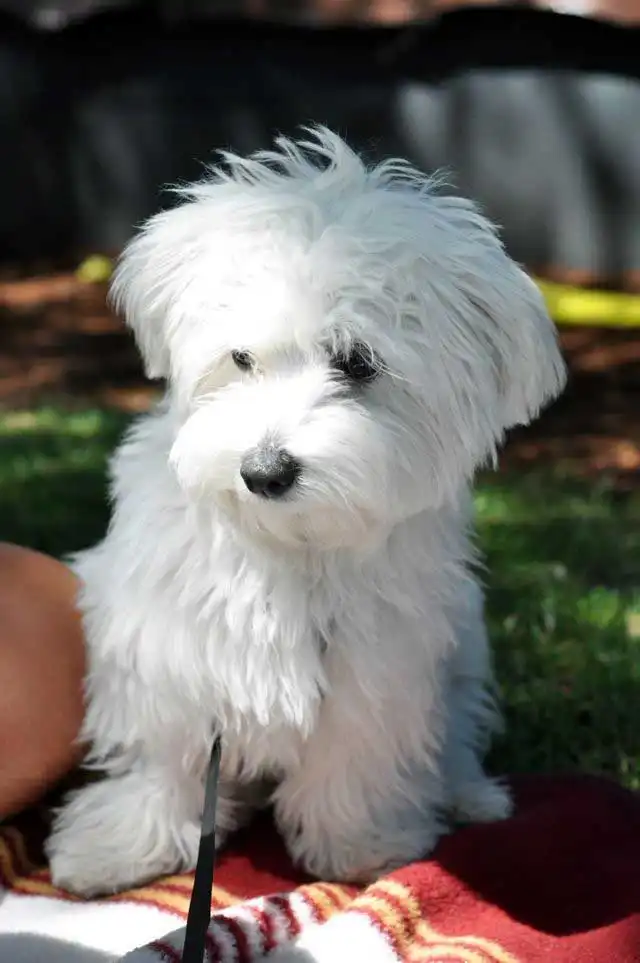
Both Poodles and West Highland White Terriers feature a straight, level spine, a trait that the Westiepoo also inherits. These dogs may have a compact, square physique akin to that of the Poodle, or they might display a slightly elongated form reminiscent of the Westie’s rectangular shape. Their tails are positioned high and have a gentle curve. The Westiepoo's coat is of medium length, with a texture that can range from wiry to curly, and it typically has a moderate density. Depending on their genetic background, Westiepoos may have the soft, curly fur characteristic of Poodles, the rough, wiry coat of Westies, or a combination of both. While their coats are predominantly white, they can also feature patches of blonde, grey, or liver. These dogs possess dark, widely spaced eyes that can be round or oval in shape. Their ears may either lie flat against their heads or stand erect, with the tips folding forward. They have black noses and often display alert expressions, frequently tilting their heads when engaged in conversation, which showcases their intelligence. Their snouts are straight, and their teeth meet in a scissor bite.


Care Routine
Westiepoos typically have minimal shedding, if any at all. This breed benefits from the Poodle's non-shedding characteristics combined with the West Highland White Terrier's low shedding, resulting in a coat that needs consistent grooming. To avoid matting, particularly around the eyes and ears, it’s important to brush your Westiepoo regularly. If the fur becomes overly dirty or tangled, trimming these areas may be necessary. Keeping the hair around the ears short can make grooming easier. Additionally, since longer hair can trap dirt and moisture, it’s wise to check your Westiepoo’s ears weekly for any signs of irritation or inflammation. Regular dental hygiene is crucial as well; aim to brush your dog’s teeth at least once a week, though daily brushing is ideal. Finally, if you hear your Westiepoo’s nails clicking on the floor, it’s time for a trim, which should be done roughly once a month.
Behavior & Temperament
Westiepoos are charming and intelligent dogs with a vibrant personality. To keep them from becoming destructive, it’s crucial to provide them with plenty of exercise. While Poodles are known for their sociability, Westies appreciate human interaction but also show a level of independence. The temperament of your Westiepoo can vary depending on which genetic traits are more pronounced. Regardless, be prepared to dedicate considerable time and attention to these dogs; even those with a more independent streak flourish with your presence. Their irresistible cuteness makes it difficult to leave them behind! Both Poodles and Westies are celebrated for their pride and playful demeanor, so it’s natural to assume that Westiepoos inherit these qualities. They particularly enjoy the company of children and anyone willing to engage in play. Generally, Westiepoos are friendly with other dogs, eagerly seeking companionship during playtime. However, due to their strong prey drive, they may not be the best choice for households with cats or other small animals. Thanks to their intelligence, Westiepoos are relatively easy to train. They usually grasp commands quickly, though they can exhibit a stubborn streak, especially if they don’t see a personal benefit. It’s best to use reward-based training methods with your Westiepoo. While they can serve as effective watchdogs due to their alertness and ability to detect unfamiliar presences, they are not aggressive and tend to warm up to new people quickly.


Play & Exercise
Westiepoos are a lively breed that may develop destructive habits if left alone for long stretches. To mitigate this risk, it’s essential to ensure they receive plenty of exercise. Ideally, they should have at least 30 to 45 minutes of physical activity each day, with younger dogs often needing even more. When socialized early, they love to interact with other dogs and can be seen joyfully running in a secure, fenced space. Their intelligence, a trait inherited from both parent breeds, also means they need mental stimulation. Westiepoos shine in obedience and agility events and enjoy engaging in interactive games with their owners. While they can adapt to various living environments, they are particularly content in homes with a yard where they can roam freely. They adjust well to different climates, but if their coat is kept short, it’s advisable to provide them with a sweater during colder weather.
Things to Know
Cups Per Day
2.0 Cups
Daily Activity
45 Minutes
Average Lifespan
14 Years
Origin
1970s
Type
Crossbreeds
Size
Medium
Origin Country
United States
Brush Frequency
Weekly
Coat Texture
Wavy
Register
Your kids have been begging for a pet forever, and you've recently decided that it's time for your family to get a new addition -- a dog! While everyone is excited for the new arrival, you're wondering if you need to have a dog license. How much does it cost? Is it required? Where do you get one?
Member Clubs

PETINNATE
Other
Height & Weight
Weight
30 lbs (14 kg)Male: 30 lbs (14 kg) , Female: 30 lbs (14 kg)
Height
15 inches (38 sm)Male: 15 inches (38 sm) , Female: 15 inches (38 sm)
6 Months
19 lbs ( m 19 lbs, f 19 lbs )
9 inches ( m 9 inches, f 9 inches )
12 Months
22 lbs ( m 22 lbs, f 22 lbs )
12 inches ( m 12 inches, f 12 inches )
18 Months
25 lbs ( m 25 lbs, f 25 lbs )
14 inches ( m 14 inches, f 14 inches )
Eye Colors
Brown

Nose Colors
Black
Coat Colors
Cream
White