Westphalian Dachsbracke
Westphalian Hound
The Westphalian Dachsbracke is a compact dog of small to medium stature, hailing from Germany. This breed is believed to have emerged from a cross between the German Hound and the Dachshund, resulting in a versatile hunting companion. Their short legs enable them to adeptly maneuver through burrows, dens, and caves, making them outstanding hunters capable of tracking their quarry for long durations. Renowned for their courage, Westphalians often take on game much larger than themselves, particularly excelling in hunting wild boar. Despite their remarkable hunting abilities, these dogs are also sociable and enjoy engaging playtime with their families, showcasing a playful and slightly mischievous demeanor. With a well-rounded temperament, they can make excellent family pets and companions, though they do need a secure yard for safe off-leash play. To keep their energy in check, daily walks are crucial. Their grooming requirements are minimal, typically needing baths only when necessary. Affectionate, intelligent, and occasionally stubborn, the Westphalian Dachsbracke may be small, but they are full of personality.
Breed Origin
The Westphalian Dachsbracke originates from the Westphalia region of Germany, nestled between the Rhine and Weser rivers. While the precise beginnings of this breed are somewhat ambiguous, it is generally accepted that it resulted from a mix of the German Hound and the Dachshund. This breed was specifically developed to thrive in the rugged German landscape, where larger Bracke dogs often struggled, particularly in dense underbrush and caves while pursuing game. Celebrated for its outstanding scent-tracking abilities and keen hunting instincts, the Westphalian Dachsbracke has been recognized since the 17th century, although a formal breed description was not created until 1886 by Ludwig Beckmann and Otto Grashley. The initial breed standard was established in 1910, and it was these two enthusiasts who officially named the breed. The German Kennel Club acknowledged the breed in 1935, and it received international recognition from the Federation Cynologique Internationale in 1987, which helped elevate its profile globally. Despite being valued by German nobility as both a hunting partner and a beloved pet, the Westphalian Dachsbracke is rarely seen in dog shows today. Now considered a rare breed, it faces difficulties in sustaining its presence. With its reliable temperament, attractive appearance, and affectionate nature, this breed certainly merits more attention. A dedicated effort to promote the Westphalian Dachsbracke could showcase its many admirable traits.
Breed Appearance
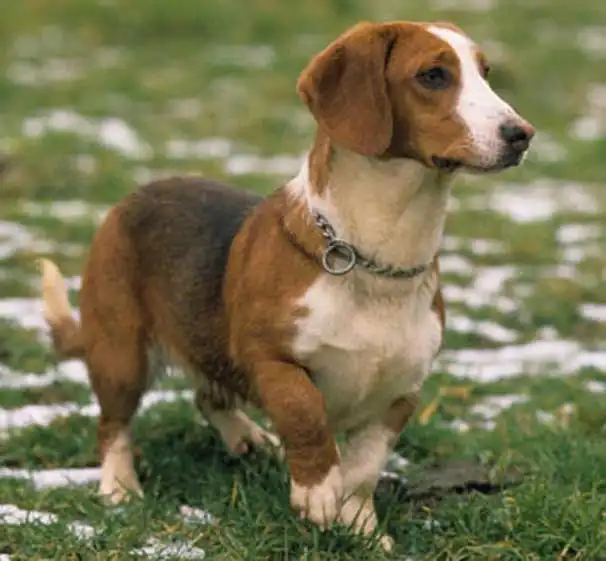
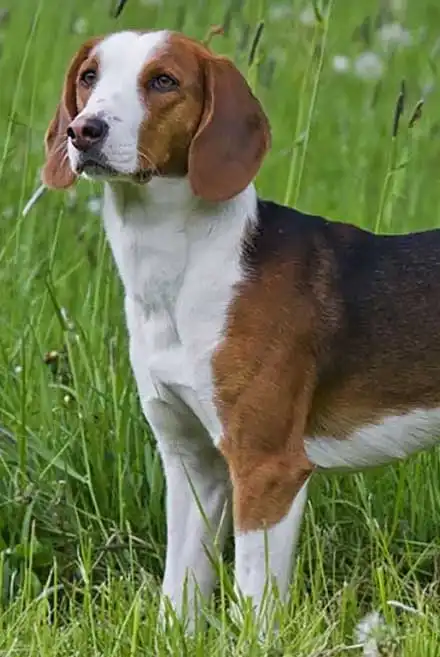
The Westphalian Dachsbracke is a compact, short-legged scenthound originating from Germany's Westphalia region. This breed is a diminutive version of the Deutsche Bracke, specifically developed for hunting rabbits and foxes. Their primary function was to either drive the game back to their owner or hold it in place until the owner could arrive. Despite their sturdy, short legs, they exhibit surprising agility, reaching heights of up to 15 inches at the withers. Their elongated bodies are characterized by a deep chest and well-defined muscles. The tail is long, set high, and held upright. With round, well-padded paws, they achieve excellent traction, allowing for swift movement over uneven terrain. The breed features a thick neck that supports an elegant head with a pointed muzzle. Their long, drooping ears and large, round eyes enhance their friendly and alert expression. Westphalian Dachsbrackes typically have a tricolor coat that varies from red to yellow, marked by a distinctive black saddle and charming white markings known as Bracken marks. These markings include a white muzzle, chest, legs, collar, and tail tip, along with a white blaze on the head. Known for their gentle and friendly disposition, especially towards children, they generally coexist well with other pets. However, they may have a tendency to chase smaller, quick-moving animals, so it is advisable to supervise them at all times.


Care Routine
The Westphalian Dachsbracke boasts a dense, coarse coat that only needs to be brushed weekly and bathed occasionally as required. Although they do shed, the short length of their fur makes maintenance fairly simple. Their medium-length drop ears should be routinely examined for any signs of inflammation or infection. Cleaning the inner ear is an easy task; a damp cloth can be used to gently wipe the area. Your dog will enjoy a regular grooming routine, appreciating the attention it provides. When it comes to bathing your Westphalian Dachsbracke, choose a gentle dog shampoo designed to cleanse without stripping away the natural oils that safeguard their coat against various weather elements. Keep in mind that younger dogs can be quite spirited during bath time, so be prepared to get a bit wet! Training should commence early in puppyhood, as this breed is both energetic and lively. Incorporating teeth brushing with dog-safe toothpaste into your training routine will help make this task easier as they mature. By ensuring your pup receives plenty of exercise, grooming, training, and a sense of purpose, you will help them flourish and find true happiness.
Behavior & Temperament
The Westphalian Dachsbracke is a devoted hunting dog that also has a playful personality at home. This breed flourishes as a companion, especially when it receives plenty of daily exercise and stimulating activities. Keeping this lively dog engaged with a variety of tasks is essential to avoid any troublesome behavior. Known for their kind and friendly nature, they are particularly good with children and generally get along well with other dogs and some pets. However, it’s important to be aware of their instinct to chase small furry animals, like the neighbor's cat, making early socialization vital to manage this tendency. These dogs thrive in an active family environment and are always eager to accompany you on adventures. Just be sure to keep them on a leash, as their strong hunting instincts may cause them to dash after an interesting scent. A confident owner is crucial to prevent the onset of "small dog syndrome," where they might try to take charge. Employing gentle and patient training methods is the most effective approach; harsh techniques should be avoided. After a good play session, this energetic dog will happily snuggle up next to you, though they might still show their playful side in their dreams, often barking or whining while they sleep!


Play & Exercise
The Westphalian Dachsbracke was specifically developed for hunting, which instills in them a deep enthusiasm for the activity. In the absence of hunting opportunities, they need plenty of exercise to manage their abundant energy. Additionally, mental engagement is crucial, so offering them stimulating activities is vital. This breed requires a significant daily walk, rather than just a leisurely stroll. Ideally, they thrive in environments with a large yard where they can roam and keep watch. While they can be excellent companions for running, it's essential to be mindful of their short legs—avoid getting too far ahead. When outside, it's wise to keep them on a leash, as they have a natural instinct to chase small animals they view as potential prey. Once they switch into hunting mode, they can vanish in the blink of an eye! They typically respond well to training, although their occasional stubbornness can create some hurdles. Training them successfully involves a blend of patience, kindness, and a firm yet approachable attitude.
Things to Know
Cups Per Day
2.5 Cups
Daily Activity
120 Minutes
Average Lifespan
11 Years
Origin
1886
Type
Pure Breeds
Size
Medium
Origin Country
Germany
Brush Frequency
Weekly
Coat Texture
Straight
Register
Your kids have been begging for a pet forever, and you've recently decided that it's time for your family to get a new addition -- a dog! While everyone is excited for the new arrival, you're wondering if you need to have a dog license. How much does it cost? Is it required? Where do you get one?
Member Clubs

PETINNATE
Scenthound

UKC
Scenthound
Height & Weight
Weight
33 lbs (15 kg)Male: 33 lbs (15 kg) , Female: 33 lbs (15 kg)
Height
14 inches (36 sm)Male: 14 inches (36 sm) , Female: 14 inches (36 sm)
6 Months
13 lbs ( m 13 lbs, f 13 lbs )
9 inches ( m 9 inches, f 9 inches )
12 Months
18 lbs ( m 18 lbs, f 18 lbs )
12 inches ( m 12 inches, f 12 inches )
18 Months
30 lbs ( m 30 lbs, f 30 lbs )
14 inches ( m 14 inches, f 14 inches )
Eye Colors
Brown

Amber
Nose Colors
Black
Coat Colors
White
Fawn
Red
Black
Pied