White Shepherd
American-Canadian White Shepherd, Pastor Aleman Blanco Suizo, Pastor Blanco Suizo, Schäferhund, White German Shepherd, Weisser Schweizer, Weiße Schäferhunde, White Shepherd Dog, White GSD
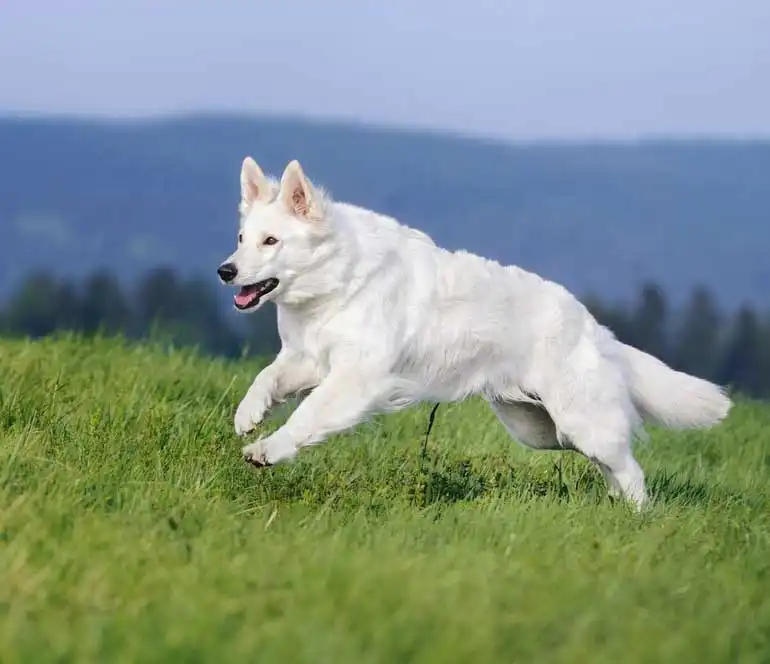
The White Shepherd bears a striking resemblance to its cousin, the German Shepherd Dog. Renowned for its intelligence, courage, and loyalty, this breed makes a wonderful family companion, thriving on interaction with all household members. Its instinct to protect makes it a superb choice for a guard dog. Although it tends to be wary of strangers, it rarely barks unless it feels the need to alert its family. This breed is eager to learn and generally responds well to training. However, it requires consistent social engagement; if left alone for long stretches, it may become unhappy or display destructive tendencies. If you work outside the home throughout the day, be prepared to invest extra time with your White Shepherd.
Breed Origin
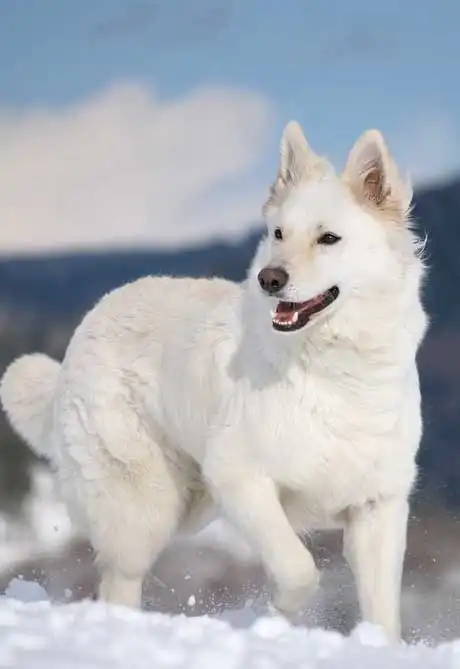
The White Shepherd is derived from the purebred German Shepherd Dog, distinguished by its unique white coat, which stems from a gene found in all German Shepherds. For many years, this white coloration was deemed a serious defect, resulting in these dogs being excluded from breeding programs, where they were frequently spayed or neutered. It wasn't until breeders in the U.S. and Canada began to recognize the visual appeal of the white coat that attitudes began to change. In the 1930s, any German Shepherd with white fur was considered unacceptable and barred from registration. However, by the 1980s, breeders started to intentionally select for pure white German Shepherds. Consequently, these solid white dogs were often left out of conformation shows and various breeding efforts, leading to the establishment of the White Shepherd as a distinct type and separate breed. While the White Shepherd closely resembles its German Shepherd lineage apart from its coloration, it has garnered both supporters and detractors. The German Shepherd Club of America did not acknowledge the solid white variety, which led to the creation of the American White Shepherd Association. Although the American Kennel Club does not officially recognize the White Shepherd, it has developed a loyal following and is capable of performing all the same functions as its German Shepherd relatives. In 1999, the United Kennel Club officially recognized the White Shepherd as a separate breed, allowing it to compete in all UKC-sanctioned events.
Breed Appearance
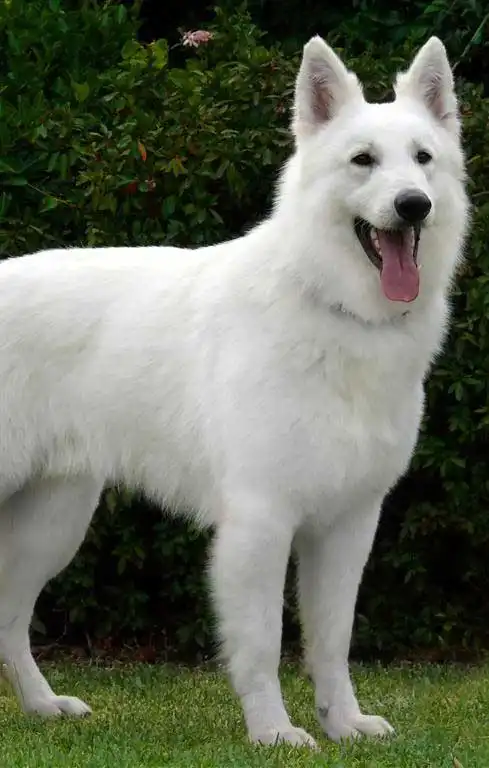
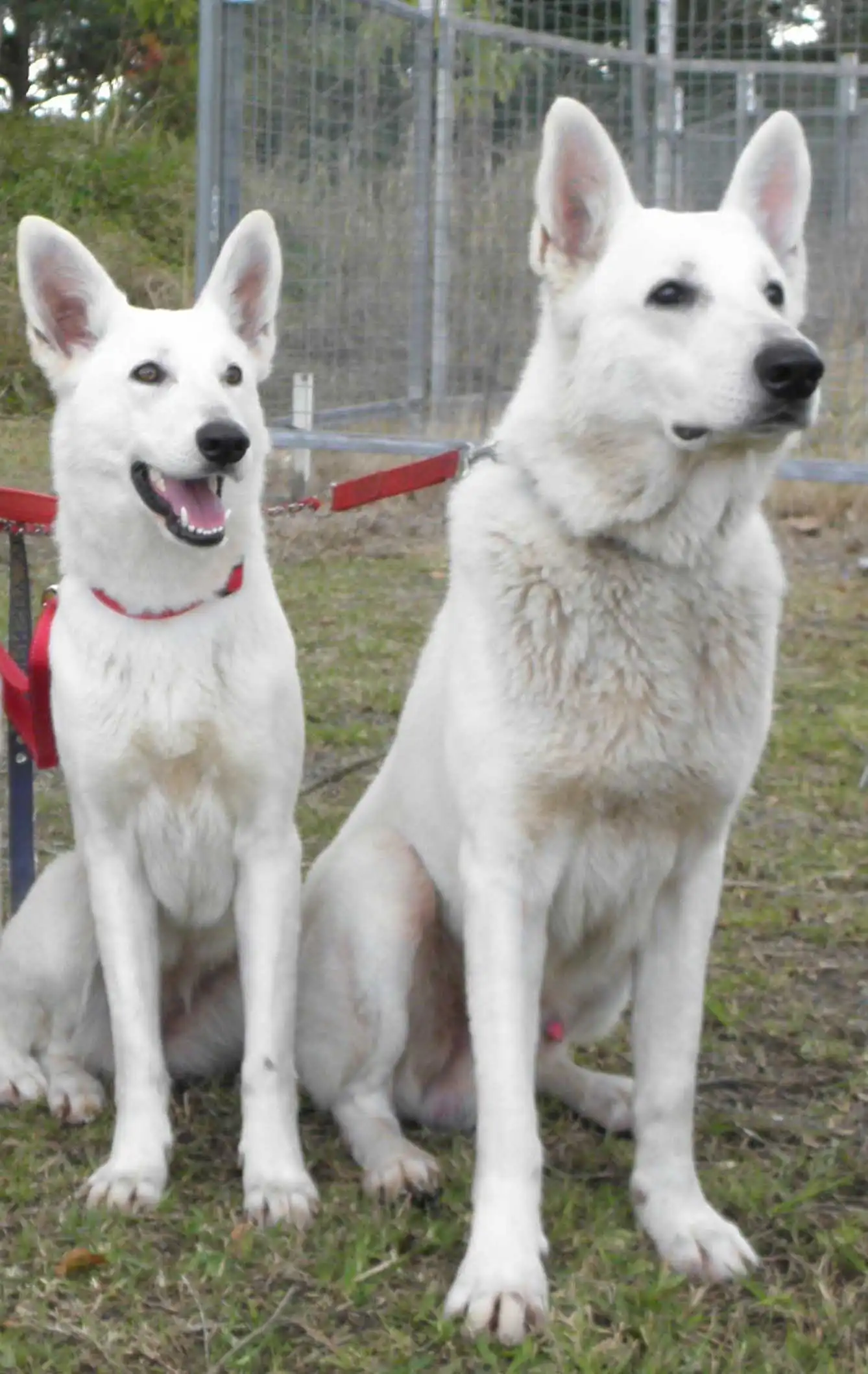
The White Shepherd is a sturdy, medium-sized dog known for its slightly elongated body in relation to its legs. Its coat is primarily a pristine white, although a creamy tint is also acceptable. This breed is distinguished by its large, upright triangular ears, which are supported by strong ear leather. The tail is gently arched, set low, and reaches down to the hock. There are notable differences between the sexes; females generally exhibit less muscle and have a lighter bone structure than males. The nose is usually black, but a lighter shade is permissible, though not preferred. The eyes are medium in size, almond-shaped, and have a slight slant; dark brown is the ideal color, while lighter shades are not permitted. The expression of the White Shepherd should reflect both intensity and a touch of liveliness. Ideally, both the rims of the eyes and the lips are dark, preferably black. This breed features a weather-resistant double coat, consisting of a straight, dense, and coarse outer layer, paired with a thick, short, and fine undercoat.
Care Routine
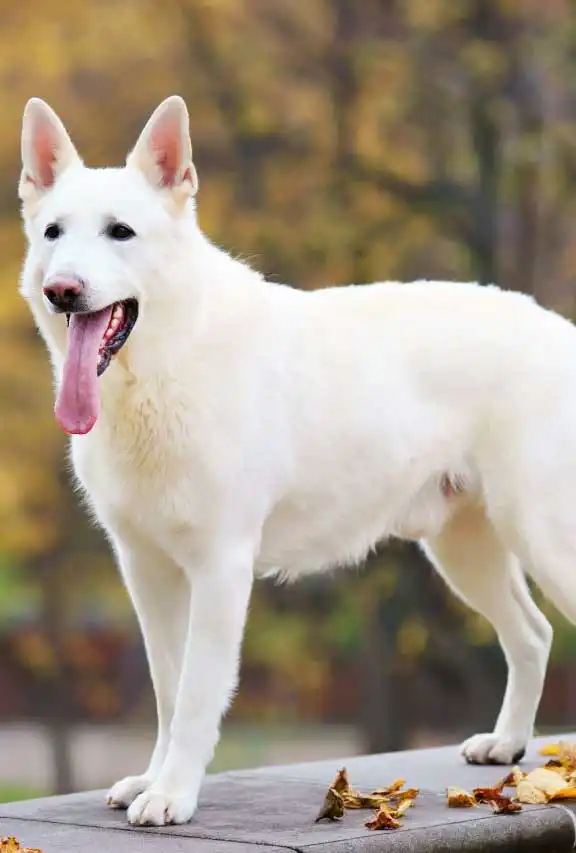
The White Shepherd is not classified as hypoallergenic and tends to experience significant shedding during specific times of the year. You may notice hair floating in the air or accumulating on your floors and furniture throughout the seasons. To help manage shedding, it’s beneficial to brush your dog weekly using a slicker brush, a metal comb, and a deshedder. During peak shedding periods, daily brushing is advisable to control the loose fur. Bathe your White Shepherd only when necessary, ideally at the onset of heavy shedding, to assist in loosening the undercoat. When you do bathe him, choose a mild shampoo formulated for white dogs. Additionally, clean his ears on a weekly basis and watch for any signs of irritation or bad odors, which could indicate an infection. Trim his nails every few weeks, depending on how quickly they grow. Establish a dental care routine that includes brushing once a week and scheduling annual professional cleanings to help prevent gum disease.
Behavior & Temperament
The White Shepherd is a breed known for its remarkable intelligence, courage, and assertiveness. This dog is fiercely loyal to its family and quickly develops strong bonds, especially with its handler. To avoid issues like fear or aggression towards new people, early socialization is essential. By nature, the White Shepherd tends to be wary of strangers and may respond aggressively if it senses a threat to itself or its family. A lack of proper training and socialization is a significant factor contributing to aggressive or difficult behavior in some individuals of this breed. Therefore, enrolling in training classes at an early age is highly advantageous. Generally, this breed gets along well with children and other animals, but it does expect to be treated with respect. If children or pets do not recognize its boundaries, they may experience the consequences of its displeasure. This breed is very trainable but requires daily mental and physical stimulation, such as long walks or playtime in a secure yard. When left alone, it is important to provide a safely fenced area for play.

Play & Exercise
The White Shepherd flourishes in the company of humans and is exceptionally receptive to training. To ensure his happiness, set aside at least 30 minutes each day for interactive activities, such as playing games or going for brisk walks. If the weather isn't suitable for outdoor exercise, he can easily adjust to running on a treadmill. This breed is particularly skilled in a variety of dog sports, including obedience, agility, flyball, and protection training. Being a sociable animal, he loves engaging in playdates with other dogs or visiting the dog park. When training, it's important to incorporate elements of fun and excitement; this not only enhances the learning experience but also strengthens the bond you share and creates enjoyable moments together.
Things to Know
Cups Per Day
3.0 Cups
Daily Activity
30 Minutes
Average Lifespan
13 Years
Origin
1900s
Type
Pure Breeds
Size
Large
Origin Country
North America, Europe
Brush Frequency
Weekly
Coat Texture
Straight
Register
Your kids have been begging for a pet forever, and you've recently decided that it's time for your family to get a new addition -- a dog! While everyone is excited for the new arrival, you're wondering if you need to have a dog license. How much does it cost? Is it required? Where do you get one?
Member Clubs

PETINNATE
Herding Dog

UKC
Herding Dog
Height & Weight
Weight
83 lbs (38 kg)Male: 83 lbs (38 kg) , Female: 83 lbs (38 kg)
Height
24 inches (61 sm)Male: 25 inches (64 sm) , Female: 23 inches (58 sm)
6 Months

35 lbs ( m 35 lbs, f 35 lbs )
17 inches ( m 17 inches, f 17 inches )
12 Months
59 lbs ( m 59 lbs, f 59 lbs )
19 inches ( m 19 inches, f 19 inches )
18 Months
82 lbs ( m 82 lbs, f 82 lbs )
23 inches ( m 23 inches, f 23 inches )
Eye Colors
Brown

Nose Colors
Black
Brown
Coat Colors
Cream
White