Wire Foodle
Wire-Poo, Wirepoo, Wiredoodle
To breed a Wire Foodle, you must combine a Wire Fox Terrier with a Poodle. The Poodle can be of any type—Standard, Miniature, or Toy—which will affect the dog's final size. This hybrid is ideal for seniors, families with children, and homes with other pets, but it is vital to ensure early socialization. Additionally, consistent and effective training is important to establish a sense of leadership. Wire Foodles have dense, curly, and wiry coats, necessitating regular grooming and daily exercise to keep them healthy and to avoid behavioral problems. Generally, they are a sturdy breed, often living into their mid-teens, although it is important to keep an eye on potential congenital health issues.
Breed Origin
The Wire Foodle is a relatively recent hybrid dog, and since it doesn't have a long history of its own, examining the backgrounds of its parent breeds can provide valuable insights. The Poodle, one of the oldest and most esteemed breeds, is celebrated for its unique curly coat. Although its roots can be traced back to Germany, it was in France that the breed truly thrived, as noted by experts. Poodles are available in three distinct sizes: Toy, Miniature, and Standard. These sizes were developed by selectively breeding smaller Poodles rather than mixing them with other small breeds, ensuring the preservation of their pure lineage. The Poodle's evolution involved the crossing of various European Water Dog breeds from countries such as France, Portugal, Spain, Hungary, Germany, and Russia. Some theories suggest a possible connection to the African Barbet, while others indicate ties to Asian Herding Dogs. Evidence of the breed's existence can be traced back to ancient Egyptian tomb art from around 100 B.C. and Roman artifacts from the same period. While the Toy Poodle was specifically bred as a companion dog, the Miniature and Standard varieties were primarily used for hunting truffles and ducks. Their talent for performing tricks was discovered by gypsies, who began showcasing them in circus performances. Today, Poodles remain extremely popular, ranking seventh among over 100 breeds in the United States, and were officially recognized by the American Kennel Club in 1887. Conversely, the Wire Fox Terrier was bred in England for the purpose of hunting vermin, including rats, mice, and, as its name suggests, foxes. This breed originated from the crossbreeding of various Terrier types from regions such as Durham, Derbyshire, Wales, Shropshire, and Cheshire, resulting in a small yet courageous dog capable of pursuing its prey into foxholes. A notable Wire Fox Terrier named Caesar was owned by King Edward VII, who displayed remarkable loyalty by walking alongside the king's casket at his funeral in the early 1900s. This intelligent and striking breed has won Best in Show honors 13 times at the prestigious Westminster Dog Show, making it a favorite in the competitive dog show circuit. However, in terms of popularity among dog owners, it ranks only 101st among breeds in America, having been recognized by the AKC in 1885.
Breed Appearance
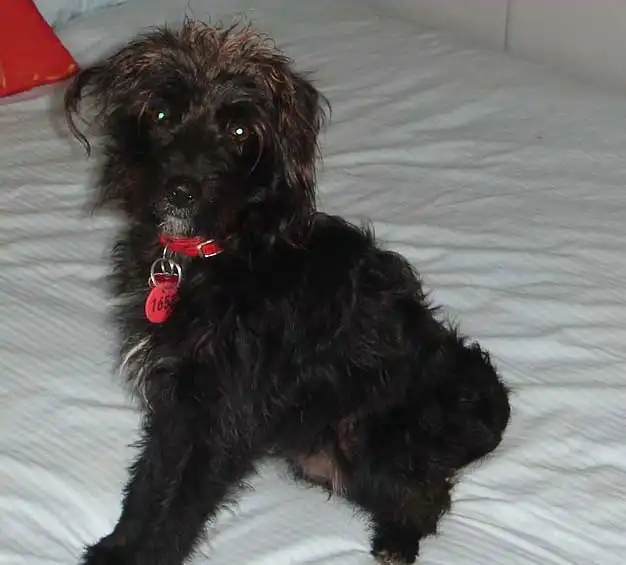
The Wire Foodle is a small to medium-sized dog known for its thick, wiry coat, which typically reaches a medium length. This coat can be found in a wide range of colors, such as gray, golden, blue, apricot, silver, white, brown, peach, yellow, black, red, sable, pied, merle, speckled, or spotted. Weighing between 20 and 40 pounds and standing about 10 to 15 inches tall, its size is primarily influenced by its Poodle lineage. Generally, the Wire Foodle has a long, tapered muzzle with a black nose and lips, and its teeth form a scissors bite. The head is rectangular, featuring furry, drooping ears and dark brown, almond-shaped eyes that often reflect a sharp intelligence.


Care Routine
The Wire Foodle features a thick, wiry coat that demands regular and proper grooming. Every few months, this coat should be stripped using a specialized tool, or you can opt to remove the dead hairs manually. Many pet owners choose to take their Wire Foodle to professional groomers a few times a year to keep the coat in top condition. Bathing should be done roughly once a month, unless your dog gets particularly dirty; in those instances, it's also advisable to trim their nails and clean their ears. It's important to note that frequent bathing can deplete the essential oils in their skin, which are crucial for maintaining a healthy coat and skin. To prevent costly dental issues, be sure to brush your Wire Foodle's teeth several times each week.
Behavior & Temperament
The Wire Foodle is an affectionate and friendly breed, but it may show signs of territoriality and caution around strangers. To foster their sociable nature, early socialization during puppyhood is vital, along with continued interaction with other pets throughout their lives. Proper introductions to guests are also necessary to avoid any fear or aggressive reactions. Wire Foodles are eager learners who enjoy making their owners happy, which makes training fairly easy when approached with patience and consistency. These lively dogs are quite vocal, so they need plenty of daily activity and companionship to thrive.


Play & Exercise
The Poodle and the Wire Fox Terrier are both lively breeds that need a good amount of physical exercise. For those with a Wire Foodle, it's crucial to ensure they get a minimum of an hour of activity daily. Many owners tend to walk their dogs in the mornings and evenings, often incorporating extra activities during the day. These activities can range from flyball and frisbee to obedience and agility training, as well as playing fetch, hiking, and swimming. Furthermore, these dogs often enjoy earth dog training, which is a type of underground hunting that is particularly well-suited for small Terriers.
Things to Know
Cups Per Day
1.5 Cups
Daily Activity
90 Minutes
Average Lifespan
14 Years
Origin
2000s
Type
Crossbreeds
Size
Medium
Origin Country
United States
Brush Frequency
Daily
Coat Texture
Wiry
Register
Your kids have been begging for a pet forever, and you've recently decided that it's time for your family to get a new addition -- a dog! While everyone is excited for the new arrival, you're wondering if you need to have a dog license. How much does it cost? Is it required? Where do you get one?
Member Clubs

PETINNATE
Other
Height & Weight
Weight
30 lbs (14 kg)Male: 33 lbs (15 kg) , Female: 28 lbs (13 kg)
Height
13 inches (33 sm)Male: 13 inches (33 sm) , Female: 12 inches (30 sm)
6 Months
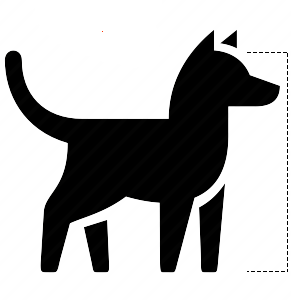
12 lbs ( m 12 lbs, f 12 lbs )
10 inches ( m 10 inches, f 10 inches )
12 Months
17 lbs ( m 17 lbs, f 17 lbs )
11 inches ( m 11 inches, f 11 inches )
18 Months
27 lbs ( m 27 lbs, f 27 lbs )
12 inches ( m 12 inches, f 12 inches )
Eye Colors
Brown

Nose Colors
Black
Coat Colors
Brindle
Sable
Pied
White
Silver
Blue
Fawn
Cream
Red
Brown
Gray
Black