Yorkeltie
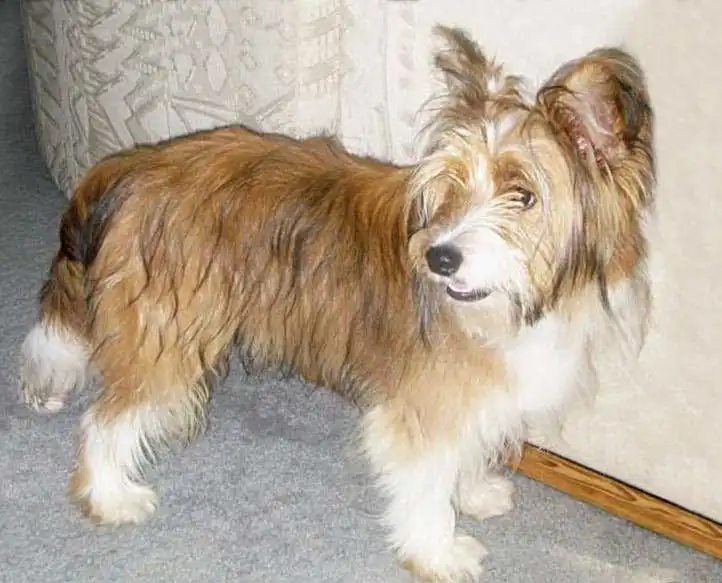
The Yorkeltie is a designer hybrid dog celebrated for its cleverness and lively spirit. This breed flourishes with consistent exercise and play, both of which are vital for its well-being. As a family companion, it has a special affinity for children and delights in bringing joy to those around it. With a gentle temperament and steadfast loyalty, the Yorkeltie makes an excellent friend. Unlike many smaller breeds, it is not overly vocal; however, it will notify its family of unusual noises or the presence of strangers. Typically, this breed stands between 13 and 16 inches tall and weighs between 11 and 24 pounds.
Breed Origin
The Yorkeltie is an impressive fusion of the finest characteristics from its parent breeds. While the Yorkshire Terrier is small in stature, it embodies the determination commonly found in larger Terriers. This breed hails from Yorkshire, England, where it was originally bred to navigate mines and control rodent populations. Additionally, hunters employed these dogs to drive foxes and badgers from their dens, as the Yorkie's size allowed it to access tight spaces with ease. The development of the Yorkie is believed to involve several breeds, such as the Manchester Terrier, Paisley Terrier, Dandie Dinmont Terrier, Maltese, the old rough-coated Black and Tan English Terrier, and the Skye Terrier, all of which contributed to its lively disposition. In the late 1800s, the breed began making its way from the United Kingdom to the United States, quickly gaining popularity. The American Kennel Club officially recognized the breed in 1885, placing it in the Toy Group. The Shetland Sheepdog, commonly referred to as the Sheltie, is a direct descendant of the Collie and was developed in the Shetland Islands of Scotland. This breed is thought to have been shaped by the Rough Collie, King Charles Spaniel, and various Spitz breeds, all of which enhanced its herding skills. The Sheltie's dense double coat offers protection against the severe Scottish weather. During the 1800s, these dogs were extensively bred in the Shetland Islands and sold to travelers. The American Kennel Club recognized the Sheltie in 1911, incorporating it into the Herding Group.
Breed Appearance
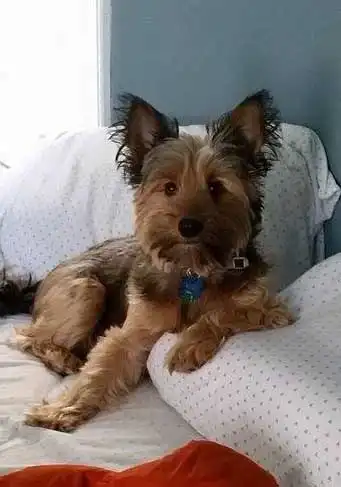
The Yorkeltie is distinguished by its luxurious, lengthy double coat, which has a slightly wiry texture. This breed displays a variety of colors, including black, brown, and white. While most Yorkelties have ears akin to those of a Sheltie, there are occasional exceptions with individuals sporting fully erect ears. The dog's facial features are reminiscent of a fox, characterized by a long snout and a gently arched forehead, contributing to its overall elegance. Its bone structure is typically delicate and refined, paired with small, cat-like paws. The tail is of moderate length, well-furred, and can be held upright. This breed exhibits a purposeful and strong gait in its movements.

Care Routine
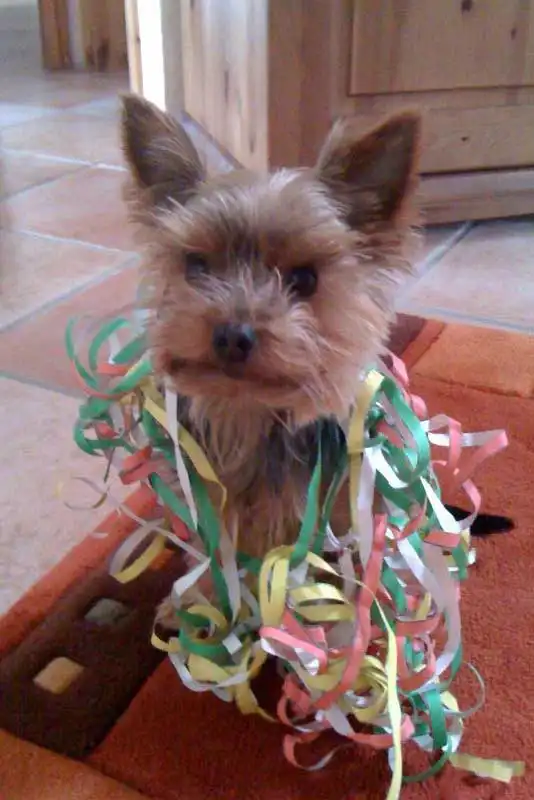
Consistent brushing is crucial for keeping a Yorkeltie's coat tangle-free. This breed features a thick undercoat that sheds biannually, leading to a considerable amount of loose fur. To maintain the coat's quality, a monthly bath is generally recommended. Furthermore, brushing his teeth several times a week can help prevent bad breath and minimize plaque accumulation. Although his energetic lifestyle often keeps his nails naturally trimmed, he might still require occasional clipping. To keep his upright ears clean, it's helpful to wipe them with a washcloth to eliminate any dirt or debris that may gather in the folds.
Behavior & Temperament
The Yorkeltie is a loving and friendly breed that flourishes when near his family. In contrast to many dogs that value their independence, he is keen to satisfy his owner and relishes every moment as a devoted companion. His keen intelligence, playful demeanor, and quick sense of humor make him an ideal fit for any home. He can easily adjust to apartment life, as long as he receives adequate daily exercise. Although he typically gets along well with other dogs, regular socialization is crucial for all canines. Participating in obedience training and taking frequent visits to the dog park will provide him with plenty of opportunities for positive interactions.


Play & Exercise
The Yorkeltie is a lively breed that requires consistent physical activity to thrive. Generally, a daily walk paired with some playtime is sufficient to meet his exercise needs. This breed often displays a strong herding instinct inherited from the Sheltie, which can become noticeable around young children or other pets. With his keen intelligence, the Yorkeltie shines in various activities, including obedience training, flyball, and agility courses. He takes pleasure in learning new skills and is most content when participating in activities alongside his beloved owner. Furthermore, providing him with plenty of outdoor time each day greatly enhances his overall well-being.
Things to Know
Cups Per Day
3.0 Cups
Daily Activity
30 Minutes
Average Lifespan
15 Years
Origin
Unknown
Type
Crossbreeds
Size
Small
Origin Country
Unknown
Brush Frequency
Daily
Coat Texture
Straight
Register
Your kids have been begging for a pet forever, and you've recently decided that it's time for your family to get a new addition -- a dog! While everyone is excited for the new arrival, you're wondering if you need to have a dog license. How much does it cost? Is it required? Where do you get one?
Member Clubs

PETINNATE
Other
Height & Weight
Weight
17 lbs (8 kg)Male: 18 lbs (8 kg) , Female: 17 lbs (8 kg)
Height
14 inches (36 sm)Male: 15 inches (38 sm) , Female: 14 inches (36 sm)
6 Months
6 lbs ( m 6 lbs, f 6 lbs )
8 inches ( m 8 inches, f 8 inches )
12 Months
16 lbs ( m 16 lbs, f 16 lbs )
14 inches ( m 14 inches, f 14 inches )
18 Months
16 lbs ( m 16 lbs, f 16 lbs )
14 inches ( m 14 inches, f 14 inches )
Eye Colors
Brown

Coat Colors
White
Brown
Black