Yorktese
Malkie, Malki, Maltiyork, Morkie, Yorkiemalt, Yortese
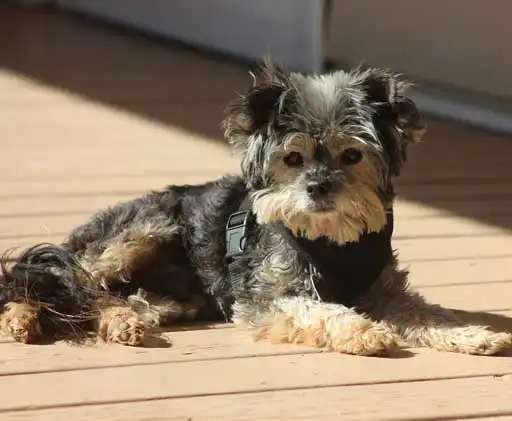
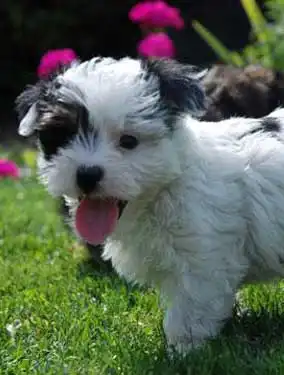
The Yorktese, an endearing cross between the Maltese and Yorkshire Terrier, is a small designer breed celebrated for its distinctive look and lively demeanor. Often regarded as an ideal lap dog, this breed is a delightful companion, thanks to its loving disposition and compact size. However, they tend to be somewhat choosy about their interactions with other dogs, pets, strangers, and young children, which makes early socialization essential for those wanting to introduce them to a broader range of experiences beyond their immediate family. Their long, straight coats usually feature a limited selection of colors, such as black, white, silver, and fawn, and require consistent grooming to keep their signature appearance, especially around their short, flat faces.

Breed Origin
The Yorktese is a modern designer breed with a relatively short history that traces back to the United States, unlike its parent breeds, which boast rich traditions in their native lands. The Maltese, an ancient breed that originated from a blend of Bichon and Spaniel, takes its name from Malta, the island recognized by the Romans as its birthplace. Over time, this breed has been referred to by various names such as the Comforter, the Roman Ladies' Dog, and the Spaniel Gentle, all of which highlight its affectionate and gentle nature. The designation Maltese Lion Dog emphasizes its opulent coat and often spirited personality. Historically, these dogs were treasured companions for the sick, believed to have healing properties, and were favored by European aristocracy for their charming demeanor and noble appearance, frequently inspiring artistic and literary works. They arrived in the United States in the 18th century, quickly gaining popularity as both beloved pets and show dogs. In a similar vein, the Yorkshire Terrier, named after its English roots, emerged during the Industrial Revolution when Scottish immigrants sought work and brought with them the now-extinct Waterside and Old English Toy Terriers, breeds skilled in controlling rodents. This crossbreeding played a significant role in the early formation of the Yorkshire Terrier. Eventually, these dogs made their way across the Atlantic to the United States, where they were recognized by the American Kennel Club in 1885. Like the Maltese, they gained popularity for their affectionate temperament and remarkable showmanship.
Breed Appearance
At a maximum height of just 10 inches, the Yorktese is a petite breed, typically weighing around half that. Their slender build is partly due to their long, luxurious coats, which come in a limited palette of colors, including classic black and white, as well as steel blue and tan. These dogs are characterized by their short snouts, which feature a black nose, and striking dark brown, marbled eyes. Their ears can either stand erect or hang down, and they are adorned with prominent eyebrows and mustaches. With a generally square posture, a straight back, and a tail that is docked to a medium length—often styled for extra flair—the Yorktese exudes a delightful and sophisticated charm.

Care Routine
Yorkshire Terriers, often referred to as Yorkies, are characterized by their luxurious long coats, which require significant upkeep. Daily brushing is essential to prevent matting and tangling, and regular trimming is important to maintain their shape and keep the length manageable. Many owners choose to take their dogs to professional groomers for this purpose. Bathing should occur on a semi-regular basis, and attentive owners can easily tell when their pet needs a wash. While the bathing process is generally simple, it’s crucial to brush out any tangles beforehand and to use a mild dog conditioner to make the process smoother. After bathing, a gentle blow-dry on a low setting, following a light towel dry, will help remove excess moisture and improve the coat's appearance. Furthermore, consistent care for the ears, teeth, and nails is vital for the overall health, comfort, and happiness of the dog.
Behavior & Temperament
Yorkies, though small in stature, are full of character and affection for their owners, often seeking out attention. They tend to be energetic and playful, but without proper training and socialization, they risk developing Small Dog Syndrome. This condition can manifest in behaviors like excessive barking, anxiety, and a tendency to be overly demanding. Such behaviors may complicate their interactions with young children, unfamiliar faces, and other pets. Even with the right training, it can be difficult to suppress their instinct to act as vigilant watchdogs, as they are quick to alert their owners to any perceived threats, whether real or imagined. However, with a little guidance and plenty of love, these charming dogs can thrive as delightful family companions, bringing immense joy and affection into the home.


Play & Exercise
Given their small stature, Yorkies generally display low to moderate energy levels, needing just a good walk and some playtime to satisfy their activity requirements. They flourish best when they have plenty of room to roam or when they regularly join their owners in various activities. A weekly walking schedule of approximately 5 to 6 miles, along with an extra 30 to 45 minutes of daily play, should suffice. To avoid undesirable behaviors, it’s important to keep them mentally stimulated; engaging them in games and teaching new tricks can greatly improve the happiness of both the dog and its owner.
Things to Know
Cups Per Day
1.0 Cups
Daily Activity
30 Minutes
Average Lifespan
13 Years
Origin
Unknown
Type
Crossbreeds
Size
Small
Origin Country
United States
Brush Frequency
Daily
Coat Texture
Straight
Register
Your kids have been begging for a pet forever, and you've recently decided that it's time for your family to get a new addition -- a dog! While everyone is excited for the new arrival, you're wondering if you need to have a dog license. How much does it cost? Is it required? Where do you get one?
Member Clubs

PETINNATE
Other
Height & Weight
Weight
6 lbs (3 kg)Male: 6 lbs (3 kg) , Female: 6 lbs (3 kg)
Height
9 inches (23 sm)Male: 9 inches (23 sm) , Female: 9 inches (23 sm)
6 Months
3 lbs ( m 3 lbs, f 3 lbs )
6 inches ( m 6 inches, f 6 inches )
12 Months
4 lbs ( m 4 lbs, f 4 lbs )
7 inches ( m 7 inches, f 7 inches )
18 Months
5 lbs ( m 5 lbs, f 5 lbs )
9 inches ( m 9 inches, f 9 inches )
Eye Colors
Brown
Nose Colors
Black
Coat Colors
Fawn
Silver
Blue
Black
White