
Bolo-Chi
The Bolo-Chi is a charming mix of two companion breeds: the Bolognese and the Chihuahua. Although the Chihuahua is more widely recognized in the United States, the Bolognese is less known, leading to a scarcity of information about this hybrid. To understand the potential personality traits of a Bolo-Chi, future owners should look at the characteristics of its parent breeds. Both the Bolognese and Chihuahua are small dogs, primarily bred for companionship, which means the Bolo-Chi is compact and well-suited for apartment living. The Bolognese is celebrated for its friendly nature, while the Chihuahua is often more reserved around unfamiliar faces. Therefore, your Bolo-Chi may inherit traits from either breed, but it will certainly be affectionate and loyal to its family.

Breed Origin
The Bolo-Chi is a modern hybrid dog that merges the Bolognese and Chihuahua breeds. As a designer dog, it was primarily bred for companionship and does not have an extensive or well-documented history. To understand the background of this hybrid, potential owners should look into the histories of its parent breeds. The Bolognese is a toy breed that belongs to the Water Spaniel family and has been historically adored by the aristocracy in France and Italy. Also referred to as the Bichon Bolognese, it is closely related to the Bichon Frise, a name that comes from the French word for "curly," reflecting the breed's soft, frizzy coat. The Italian name, Bolognese, is associated with the province of Bologna, where this breed is thought to have originated. On the other hand, the Chihuahua hails from the New World, likely having crossed the Bering Strait over 30,000 years ago before establishing itself in Mesoamerica and modern-day Mexico. For centuries, the Aztec and Toltec civilizations bred Chihuahuas for pest control purposes. The breed later made its way north in the 1800s through importation. Originally, Chihuahuas had short coats, but the long-haired varieties may have emerged from crossbreeding with Silky Terriers. Today, the Bolo-Chi is recognized by various organizations, including the American Canine Hybrid Club, the Designer Dog Kennel Club, the Dog Registry of America, and the International Designer Canine Registry. This hybrid effectively inherits characteristics from both parent breeds and is particularly well-adapted for life in smaller living spaces.
Breed Appearance
The Bolo-Chi is characterized by its soft, fluffy coat, which reflects its Bolognese heritage and is usually found in a pristine white shade. Nonetheless, there can be slight color variations, leading to a wheaten tint on the face and legs. Both the Bolognese and Chihuahua are categorized as toy breeds, though the Bolognese tends to be a bit taller. Typically, a Bolo-Chi stands at a maximum height of about ten inches. Its legs are slender and elongated, complemented by small, well-proportioned feet. The head is rounded with a short muzzle, and the ears, concealed beneath the fluffy fur, droop to the sides. Due to its Chihuahua lineage, the Bolo-Chi may also display an underbite and could face some dental issues.


Care Routine
The Bolo-Chi is expected to be a hypoallergenic hybrid, or at the very least, it will likely exhibit hypoallergenic traits. Despite its long fur, this breed has minimal shedding due to its double coat. However, it does require more grooming compared to some other breeds. To keep its long hair tangle-free, daily grooming is crucial. Regular brushing not only removes dead and loose hair but also helps distribute the natural oils from the Bolo-Chi’s skin evenly. It's best to limit baths, as this hybrid can be prone to dermatitis; bathe your Bolo-Chi only when absolutely necessary, using lukewarm water. After a bath, gently dry your Bolo-Chi with a clean, unscented towel. Furthermore, since Chihuahuas are prone to dental issues, it’s essential to keep an eye on your Bolo-Chi’s dental health and brush its teeth at least three times a week to prevent any problems.
Behavior & Temperament
The Bolo-Chi is a devoted companion, inheriting affectionate qualities from both of its parent breeds. The Bolognese is known for its sociable and friendly demeanor, while the Chihuahua is typically more reserved around unfamiliar faces and displays a lively, vocal character. This mixed breed can flourish in a household with children if they are introduced at an early age and receive proper socialization; however, it may not be ideal for very young kids who might tease or chase it. Children who are respectful and understanding of dogs will likely bond well with a Bolo-Chi. The Bolo-Chi's compatibility with other pets largely hinges on which parent breed it resembles more. Chihuahuas often find it challenging to live harmoniously with other animals, but with adequate socialization, they can learn to coexist peacefully. On the other hand, Bolognese dogs are typically friendly towards all creatures, making them great companions for both dogs and cats, despite their Water Spaniel ancestry. Naturally energetic, the Bolo-Chi doesn’t need extensive exercise to burn off its energy. It enjoys playful spurts of activity, such as darting around the house and occasionally performing little dances on its hind legs, before curling up for a nap in the afternoon.


Play & Exercise
Things to Know
Cups Per Day
0.0 Cups
Daily Activity
0 Minutes
Average Lifespan
0 Years
Origin
2000s
Type
Crossbreeds
Size
Not Set
Origin Country
United States
Brush Frequency
Daily
Coat Texture
Straight
Ancestors
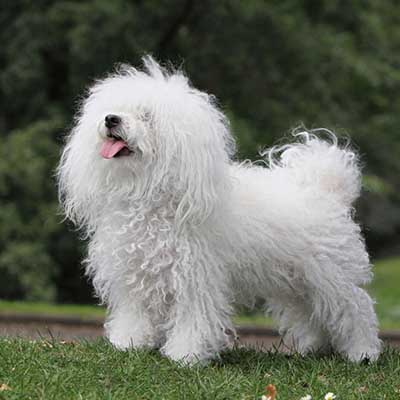
Bolognese
The Bolognese, a breed that hails from northern Italy, is celebrated as a companion dog and is one of the oldest breeds in Europe, with origins dating back to the 12th century. In the United States, however, this breed remains relatively rare. Bolognese dogs are known for their intelligence and ability to learn quickly, making them generally easy to train, although they may show a hint of stubbornness at times. Their unique, thick, curly white coat necessitates daily brushing and occasional professional grooming to keep it in good shape. Affectionately called Bolos, these dogs are low-energy and adapt well to living in apartments. Since they were specifically bred for companionship, they struggle with being left alone, which can lead to separation anxiety and result in unwanted behaviors like barking, chewing on furniture, or urinating indoors. Furthermore, due to their small size and potential delicacy, Bolognese dogs may not be the best fit for families with young children.
Read more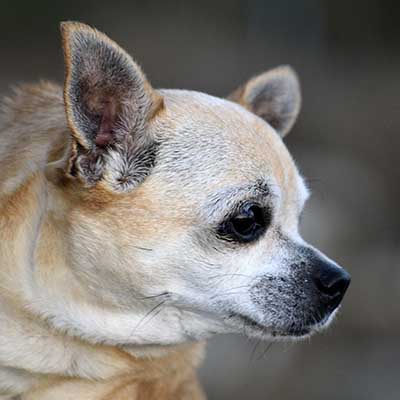
Chihuahua
The Chihuahua, celebrated as the tiniest dog breed in the world, takes its name from the Mexican state of Chihuahua. Both legends and archaeological findings indicate that these dogs originated in Mexico, with toy-like figures resembling Chihuahuas unearthed from Mexico to El Salvador, dating back to approximately 100 AD. Chihuahuas can have either long or short coats and are divided into two main head shapes: “apple heads,” which have rounder skulls, closely spaced eyes, and shorter legs, and “deer heads,” characterized by flatter skulls, wider-set eyes, larger ears, and longer legs. At present, apple-headed Chihuahuas are more popular among dog lovers. They come in a wide array of colors and patterns, but in this breed, the color does not influence the dog's personality. While Chihuahuas are primarily companions, they can take on a guarding role if not properly trained, exhibiting protective behaviors. Known for their spirited nature, loyalty, and protectiveness, Chihuahuas can be quick to react, making them less ideal for families with young children. They often form strong bonds with a single owner, showing a preference for that individual over others in the home, and they typically enjoy the company of fellow Chihuahuas more than that of other dog breeds.
Read moreRegister
Your kids have been begging for a pet forever, and you've recently decided that it's time for your family to get a new addition -- a dog! While everyone is excited for the new arrival, you're wondering if you need to have a dog license. How much does it cost? Is it required? Where do you get one?
Member Clubs

PETINNATE
Other