Bolognese
Bichon Bolognese, Bolos, Bolognese Toy Dog
The Bolognese, a breed that hails from northern Italy, is celebrated as a companion dog and is one of the oldest breeds in Europe, with origins dating back to the 12th century. In the United States, however, this breed remains relatively rare. Bolognese dogs are known for their intelligence and ability to learn quickly, making them generally easy to train, although they may show a hint of stubbornness at times. Their unique, thick, curly white coat necessitates daily brushing and occasional professional grooming to keep it in good shape. Affectionately called Bolos, these dogs are low-energy and adapt well to living in apartments. Since they were specifically bred for companionship, they struggle with being left alone, which can lead to separation anxiety and result in unwanted behaviors like barking, chewing on furniture, or urinating indoors. Furthermore, due to their small size and potential delicacy, Bolognese dogs may not be the best fit for families with young children.

Breed Origin
The Bolognese breed takes its name from the Italian city of Bologna, which is widely regarded as its birthplace. This breed belongs to the Bichon group, which also encompasses the Maltese, Havanese, Bichon Frise, and Coton de Tulear, and is believed to have ancestral ties to the Melitensis breed. Historically, Melitensis dogs were valued for their ability to catch mice and rats in Mediterranean ports and are thought to have been introduced to Italy from an island in Croatia. The first recorded mention of the Bolognese dates back to the Italian Renaissance, a period when they were highly prized as companion animals among the wealthy and often given as gifts to members of the nobility. This breed frequently appeared in tapestries and artworks, depicted as cherished pets of royals and dignitaries. Notable artists such as Francisco de Goya, Tiziano Vecellio, and Antoine Watteau included the Bolognese in their paintings alongside their illustrious owners. Aristotle also referenced the breed in his writings. King Philip II of Spain once received two Bolognese as a gift and expressed his appreciation in a letter, remarking, “These two little dogs are the most royal gifts one can make to an emperor.” Despite their noble status, the Bolognese nearly faced extinction during the decline of the aristocracy and the turmoil of World War II. Thankfully, a small group of devoted breeders in Europe worked tirelessly to revive the breed and restore its popularity.
Breed Appearance
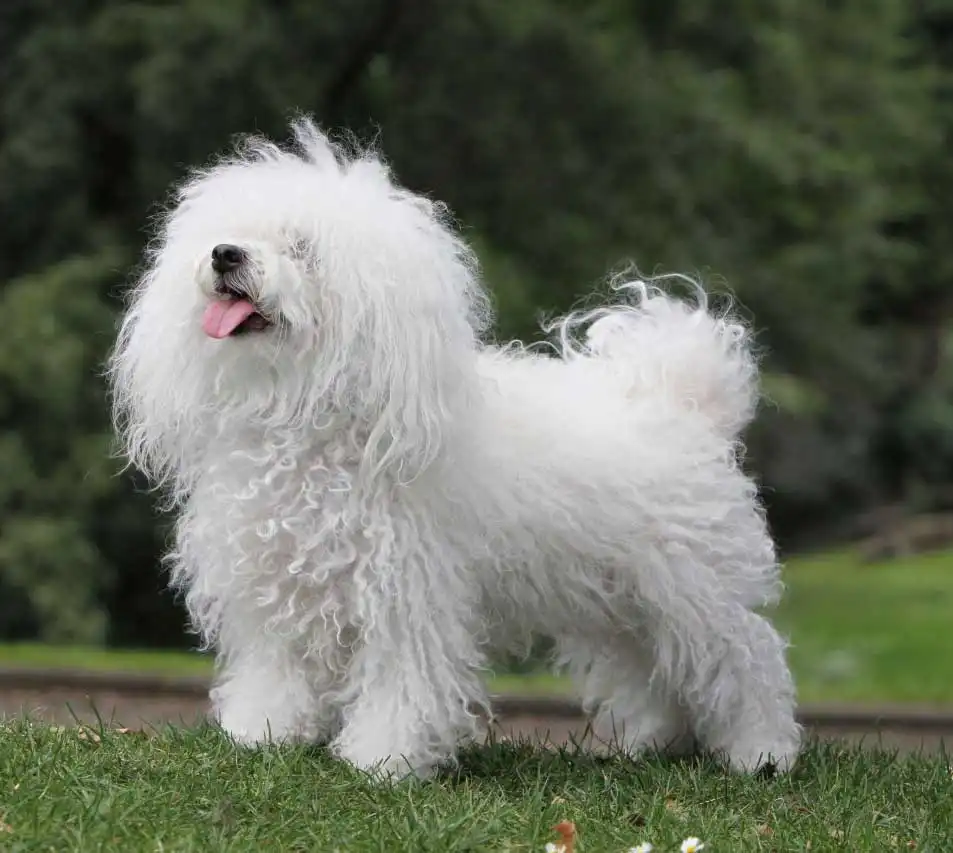
The Bolognese is a robust and compact breed, celebrated for its spirited and clever personality. This dog boasts a square, muscular build, covered in a soft, pristine white coat. Its head is moderately long, featuring strong jaws and a set of well-aligned white teeth. A prominent black nose and large, round eyes radiate curiosity, accentuated by dark eyelid rims. The ears are set high and hang down gracefully, while the tail is beautifully arched over its back.
Care Routine
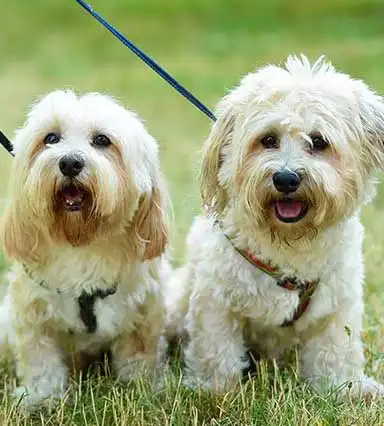
The Bolognese is characterized by its long, fluffy coat, which necessitates daily brushing to avoid tangles. It's crucial to regularly clean their eyes with an appropriate eye care product, as this breed is susceptible to tear stains. To address this concern, your veterinarian can suggest specific products aimed at reducing staining. Tear stains can result from various issues, such as allergies, teething, or ear infections. Therefore, it's wise to avoid dog foods that contain common allergens like soy, wheat, corn, and artificial dyes. Many breeders advocate for a hypoallergenic dry food tailored for Bolognese dogs. Beyond daily grooming, monthly professional grooming sessions are advantageous, including bathing, ear cleaning, and nail trimming. Additionally, it's essential to clear hair from the ear canal to help prevent infections. This breed is low-shedding, making them a great option for those with allergies. Although the Bolognese isn't particularly high-energy, they appreciate daily walks and are happy to unwind on the couch afterward. They adapt well to both apartment living and homes with yards. Bolognese puppies are eager to please and respond positively to obedience training.
Behavior & Temperament
The Bolognese is a lively, affectionate, and sociable breed that flourishes in the company of its owner. While it enjoys leisurely walks, it doesn't exhibit an overwhelming amount of energy. This breed makes a wonderful family pet and can also be a charming companion for older adults. Bolognese dogs generally have a fondness for children, but it's important to supervise their interactions, as kids may sometimes be overly boisterous, which could lead to potential injuries or defensive reactions from the dog. With proper socialization, Bolognese dogs are typically friendly and open to meeting new people and other pets. Despite their small size, they do not have the high-pitched bark commonly associated with many small breeds; rather, their vocalizations are deeper, and they are not known for excessive barking. Engaging in obedience training is recommended for all dog breeds, as early socialization and command training play a crucial role in fostering a well-adjusted dog and a peaceful family dynamic.


Play & Exercise
Things to Know
Cups Per Day
1.0 Cups
Daily Activity
60 Minutes
Average Lifespan
13 Years
Origin
1200s
Type
Pure Breeds
Size
Small
Origin Country
Italy
Brush Frequency
Daily
Coat Texture
Curly
Register
Your kids have been begging for a pet forever, and you've recently decided that it's time for your family to get a new addition -- a dog! While everyone is excited for the new arrival, you're wondering if you need to have a dog license. How much does it cost? Is it required? Where do you get one?
Member Clubs

PETINNATE
Companion Dog

AKC
Foundation Stock Service

UKC
Companion Dog
Height & Weight
Weight
7 lbs (3 kg)Male: 7 lbs (3 kg) , Female: 7 lbs (3 kg)
Height
11 inches (28 sm)Male: 11 inches (28 sm) , Female: 11 inches (28 sm)
6 Months
3 lbs ( m 3 lbs, f 3 lbs )
8 inches ( m 8 inches, f 8 inches )
12 Months
5 lbs ( m 5 lbs, f 5 lbs )
9 inches ( m 9 inches, f 9 inches )
18 Months
6 lbs ( m 6 lbs, f 6 lbs )
10 inches ( m 10 inches, f 10 inches )
Eye Colors
Brown

Nose Colors
Black
Coat Colors
White

Characteristics
Mixes
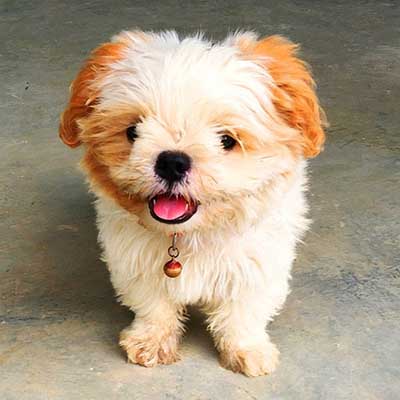
Bolo-Chi
The Bolo-Chi is a charming mix of two companion breeds: the Bolognese and the Chihuahua. Although the Chihuahua is more widely recognized in the United States, the Bolognese is less known, leading to a scarcity of information about this hybrid. To understand the potential personality traits of a Bolo-Chi, future owners should look at the characteristics of its parent breeds. Both the Bolognese and Chihuahua are small dogs, primarily bred for companionship, which means the Bolo-Chi is compact and well-suited for apartment living. The Bolognese is celebrated for its friendly nature, while the Chihuahua is often more reserved around unfamiliar faces. Therefore, your Bolo-Chi may inherit traits from either breed, but it will certainly be affectionate and loyal to its family.
Read more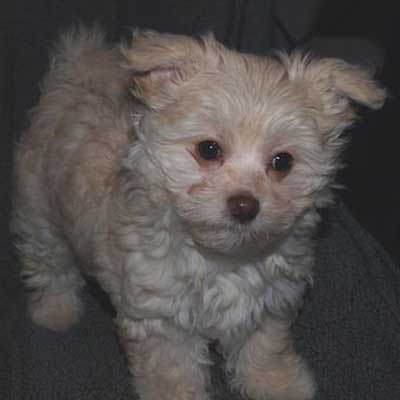
Bologco
The Bologco is a designer dog that results from crossing the Bolognese with the Cocker Spaniel. Known for its delightful personality and gentle temperament, this hybrid makes a wonderful companion for families and individuals residing in compact living spaces. Although detailed information about the Bologco is scarce, its parent breeds are celebrated for their beautiful, flowing coats. To keep the Bologco looking its best, consistent grooming is necessary. This breed tends to be somewhat submissive and sensitive, so it thrives in a loving home with a patient and understanding family.
Read more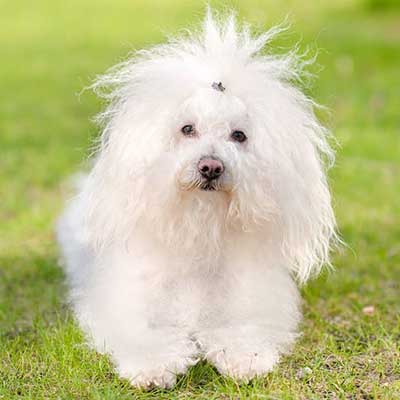
Dualanese
The Dualanese is a toy breed that emerges from the crossbreeding of a purebred Havanese and a purebred Bolognese. These dogs typically weigh up to 14 pounds and are available in a variety of colors, such as white, black, black and tan, sable, and grey. The Havanese is characterized by its thick, silky, and soft coat, whereas the Bolognese is known for its long, fluffy fur. Both breeds are recognized for their intelligence and playful demeanor, but they have different exercise needs. Bolognese dogs require minimal physical activity to stay content, while Havanese dogs need more exercise. Consequently, the exercise requirements for a Dualanese will largely depend on which parent breed they take after. Additionally, Havanese dogs are known for their affectionate nature but often struggle with being left alone.
Read more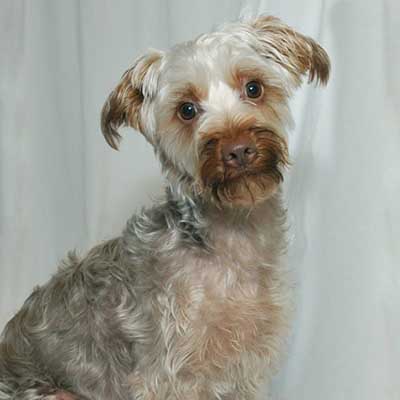
Mini Bolonauzer
The Mini Bolonauzer is a distinctive hybrid breed that emerges from the crossbreeding of the Bolognese and the Miniature Schnauzer. These designer dogs are generally small yet sturdy, featuring a broad chest. A standout trait of the Mini Bolonauzer is its thick, luxurious coat, which can vary between wiry and straight textures. Renowned for their friendly and gentle demeanor, these dogs are typically easy to train and tend to get along well with both children and other pets. However, they might not be the ideal choice for apartment living, as they have a tendency to bark quite a bit. In conclusion, if you lead an active lifestyle and have enough space for a Mini Bolonauzer to roam, this breed can be a wonderful companion, often following you closely wherever you go.
Read more