Cavottish
In recent times, designer dog breeds have surged in popularity, with the Cavottish emerging as a notable example. This small hybrid is the result of crossing two purebred dogs: the Cavalier King Charles Spaniel and the Scottish Terrier. While each breed has its unique traits, their combination creates a delightful companion known for its calm demeanor, gentleness, and playful nature. Cavottishes typically have a lifespan of 12 to 15 years and adapt well to living in apartments. However, they tend to dislike cold weather and may display some stubbornness. To help your Cavottish develop into a confident and well-mannered pet, it is crucial to provide proper training and socialization.
Breed Origin
The Cavottish is a newly established dog breed in the United States, created by crossing a Scottish Terrier with a Cavalier King Charles Spaniel. Although information about its origins is scarce, the histories of its parent breeds are quite rich. The Cavalier King Charles Spaniel was especially beloved by British royalty, notably King Charles I and King Charles II, in the 1600s. However, the breed faced near extinction when Queen Victoria began to promote a blend of the Cavalier, Pug, and Japanese Chin. In 1920, American Roswell Eldridge, upon visiting England, was saddened to witness the decline of the original breed due to the popularity of this new variant. Unable to find the traditional type, he launched a contest at the Crufts dog show in 1926, offering prizes for the best male and female examples of the original Cavalier. This initiative raised awareness and fueled efforts to revive the breed over the next five years. The breed encountered significant difficulties during World War II, as the importation of stud dogs became nearly impossible, forcing breeders to resort to inbreeding to maintain the lineage. The Scottish Terrier, which hails from Scotland, was historically used as a ratter in the 1800s, although further details about its background are limited.
Breed Appearance
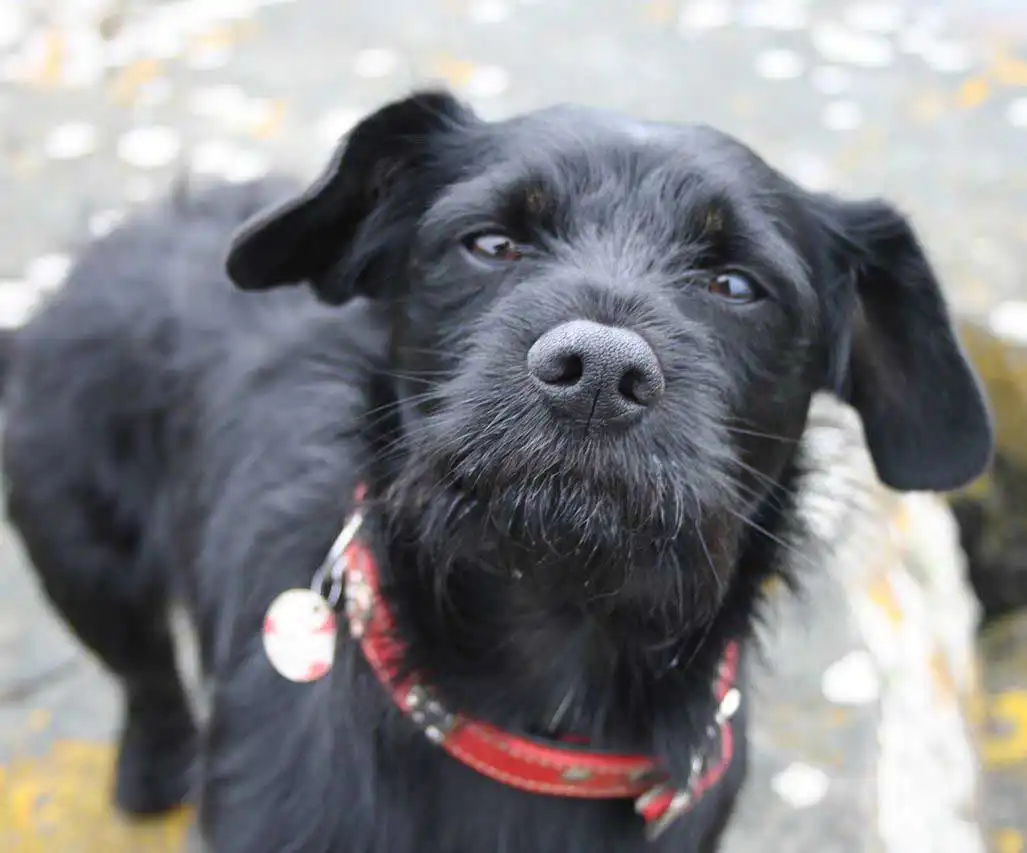
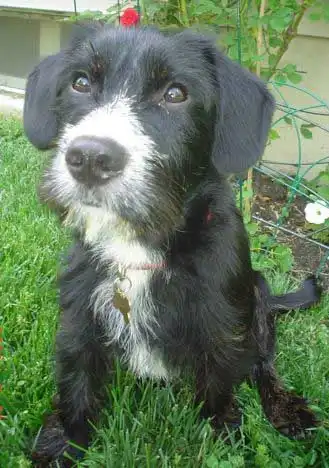
These charming dogs are characterized by their barrel-shaped bodies and short legs. Generally, this breed displays black fur with distinctive white patches and brown feet, complemented by a significant amount of facial hair. Individual traits can differ, as they may inherit various characteristics from their lineage. Cavalier King Charles Spaniels are petite, featuring gentle expressions and a calm demeanor. Their faces have a soft look, accentuated by the cushioning under their beautiful eyes. They sport long, silky ears that are feathered, and their wavy coats also exhibit similar feathering on their legs, feet, and chests. In contrast, the Scottish Terrier is a sturdy breed with short legs. They possess elongated, bearded faces, and their bushy eyebrows frame their wide-set, intense eyes. Their small, pointed ears stand erect on their heads. This breed is noted for its large muzzles and black noses, with jaws that meet in a scissors bite. They have broad chests and level backs, and their short, tapering tails are carried upright.


Care Routine
These dogs are known for shedding quite a bit and require regular grooming, which includes frequent clippings and daily brushing. Their coat can differ significantly, as it may take on the fur traits of either parent. The Cavalier King Charles is relatively easy to care for, needing to be brushed several times a week to keep its coat clean, shiny, and free of tangles. Bathing should be done as necessary, which may be more often due to their playful and adventurous nature outdoors. While trimming isn't mandatory, some owners choose to neaten the fur around the feet for a more polished look. In contrast, grooming Scottish Terriers can be more intensive, necessitating weekly brushing. It's recommended to use a hound glove, a stiff brush, and a wide-toothed comb for their face, along with scissors for any required trimming. They should be bathed as needed, but not too frequently, as excessive washing can irritate and dry out their skin. If you prefer a shorter coat, clipping should be done roughly every eight weeks, while longer coats may require trimming a few times a year. Additionally, these dogs can react negatively to flea bites, so using a flea comb during brushing is advisable. All dogs benefit from daily teeth brushing, or at least two to three times a week. It's also essential to clean your pet’s ears weekly and trim their nails once or twice a month.
Behavior & Temperament
The Cavottish possesses a unique temperament that combines traits from both the Cavalier King Charles and the Scottish Terrier. This breed is characterized by its cheerful disposition, loyalty, courage, intelligence, and a degree of independence. While they tend to be friendly with family and acquaintances, they can be cautious around strangers, often barking at unfamiliar individuals, which makes them effective watchdogs. Their interaction with children can differ significantly; the Cavalier King Charles generally gets along well with kids, while the Scottish Terrier may be less tolerant. Consequently, a Cavottish's behavior with children largely hinges on the specific traits it inherits and its upbringing. Training this breed can be somewhat challenging due to its independent and occasionally stubborn nature. Therefore, consistent obedience training is vital, and it is important for owners to assert themselves as the pack leader. Effective training and socialization are essential for all dogs, even if it can be a demanding process, as it helps cultivate calm and confident pets that will respect and follow their owners' commands.


Play & Exercise
These dogs are passionate swimmers brimming with energy. They flourish in indoor settings and can easily adjust to different living arrangements, such as apartments. However, Cavalier King Charles Spaniels can be susceptible to anxiety, especially if they don’t get enough outdoor time. To address this, it’s crucial to ensure they have daily walks. Strive to give the Cavottish between 30 to 45 minutes of exercise each day, keeping in mind that individual requirements may differ, with some dogs needing more or less physical activity.
Things to Know
Cups Per Day
0.0 Cups
Daily Activity
0 Minutes
Average Lifespan
14 Years
Origin
Unknown
Type
Crossbreeds
Size
Not Set
Origin Country
Unknown
Brush Frequency
Daily
Coat Texture
Straight
Register
Your kids have been begging for a pet forever, and you've recently decided that it's time for your family to get a new addition -- a dog! While everyone is excited for the new arrival, you're wondering if you need to have a dog license. How much does it cost? Is it required? Where do you get one?
Member Clubs

PETINNATE
Other
Height & Weight
Weight
18 lbs (8 kg)Male: 18 lbs (8 kg) , Female: 18 lbs (8 kg)
Height
11 inches (28 sm)Male: 11 inches (28 sm) , Female: 10 inches (25 sm)