Chin-Ocker
Cocker Chin
The Chin-Ocker is a delightful crossbreed that combines the Japanese Chin and the Cocker Spaniel. This affectionate and gentle hybrid is an ideal companion, making it a great fit for families and well-suited for apartment living. Although detailed information about this specific mix is scarce, both parent breeds are known for their friendly dispositions and attractive looks. To keep their coat healthy and looking its best, the Chin-Ocker needs regular grooming. This sensitive dog may show signs of slight submissiveness and can occasionally be a bit shy. Families that are ready to offer love and invest time in this breed will find that the Chin-Ocker is a fantastic addition to their household.
Breed Origin
The Chin-Ocker is a charming hybrid that combines the Japanese Chin and the Cocker Spaniel, emerging as a delightful companion dog in recent years. To understand the origins of this breed, one must delve into the histories of its parent breeds. The Japanese Chin is an ancient breed thought to have originated in the Chinese Imperial Court, where it was held in high regard. Its name reflects its journey to Japan, where it was presented to the emperor and considered more than just a pet; it was recognized as a unique entity, known as "chin" in Japanese. To shape the breed's modern look, Japanese breeders crossed the Chin with smaller Spaniel-like dogs. The Japanese Chin remained relatively obscure outside of Japan until the 19th century, when Commodore Matthew Perry opened trade relations between Japan and the West. This exposure led to the breed becoming a symbol of affluence and status in Western culture, initially called the Japanese Spaniel until 1977. The American Kennel Club granted official recognition to the Japanese Chin in 1888. Conversely, the Cocker Spaniel is part of the larger Spaniel family, which was historically divided into two categories: Water Spaniels and Land Spaniels. Cocker Spaniels, being the smaller variety, belong to the land group and were originally bred for their remarkable hunting abilities. The name "Spaniel" originates from Spain, where these dogs were first developed before they spread worldwide. The Cocker Spaniel gained immense popularity in the 1800s, as the focus shifted from hunting to showcasing their impressive conformation in dog shows. Today, the Chin-Ocker is acknowledged by various organizations, including the American Canine Hybrid Club, the Designer Dog Kennel Club, the Dog Registry of America, and the International Designer Canine Registry. This hybrid is versatile and adapts well to different living environments, making it a fantastic addition to any family.
Breed Appearance
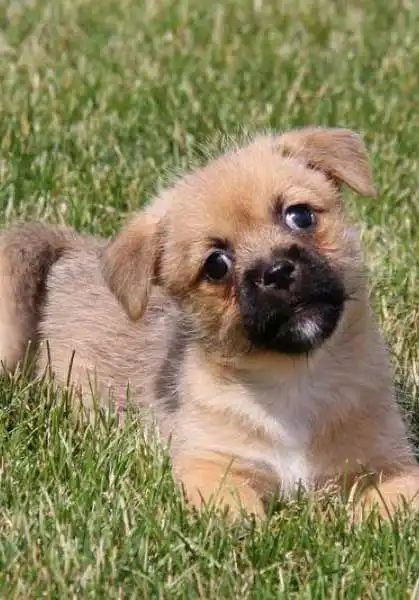
The Chin-Ocker is a sturdy and compact hybrid breed known for its muscular build. Once fully grown, these dogs generally weigh around 15 pounds, though some may reach up to 25 pounds due to their Cocker Spaniel heritage, placing them in the medium size category. They feature a round head with a short muzzle and a charming black nose. Their facial characteristics are similar to those of the Japanese Chin, particularly their large, round dark eyes. The ears are long and gracefully droop in soft waves. Common coat colors for the Chin-Ocker include cream, pied, and white.


Care Routine
The Chin-Ocker is not considered a hypoallergenic breed, despite the Cocker Spaniel often being labeled as one. This hybrid typically sheds very little, but it still needs regular grooming and brushing to keep its medium to long hair healthy and shiny, while also preventing tangles. Special care should be taken when grooming around the ears, as this breed is susceptible to ear infections. It's crucial to regularly clean the ears with a veterinarian-recommended solution to remove any built-up wax, dirt, or debris. If the Chin-Ocker inherits more characteristics from the Cocker Spaniel, its hair may grow continuously, which will require consistent grooming due to its minimal shedding. Rather than frequent baths, prioritize regular brushing to help distribute natural oils, remove dead and loose hair, and clean the coat of dirt and debris. Additionally, routine nail trimming and dental care are vital for ensuring your Chin-Ocker's overall well-being.
Behavior & Temperament
The Chin-Ocker is a vibrant and loving breed, celebrated for its friendly nature. This dog is highly attuned to its owners' emotions, which makes it both charming and delightful. However, it tends to be better suited for older children rather than very young ones, as its sensitivity can cause anxiety in the presence of loud noises and small kids. While generally friendly towards strangers, the influence of its Japanese Chin heritage may instill a certain level of caution, and the Cocker Spaniel background might lead to some shyness. To build confidence and social skills, it’s important for the Chin-Ocker to interact with a diverse range of people, animals, and settings from a young age. This breed usually gets along well with other dogs and can even form a bond with the family cat. For effective training and obedience, it’s crucial to strike a balance between firmness and gentleness. The Chin-Ocker is eager to please and responds positively to guidance, but may develop behavioral problems if kindness is lacking in the training approach.


Play & Exercise
The Chin-Ocker is an energetic breed that thrives on activity but can adapt well to living in an apartment, as long as it has regular chances to go outside. This breed is a mix of two distinct types, each with its own exercise needs. Although their energy levels can differ, the intensity of their exercise routines doesn’t have to be overly demanding. It’s important for them to have both mental and physical stimulation to ensure their well-being. Smaller Chin-Ockers, which often bear a resemblance to Japanese Chins, generally require less physical activity. On the other hand, larger Chin-Ockers need more exercise; however, a quick run in the yard along with engaging games can adequately meet their requirements. Activities that challenge both their minds and bodies are vital for their happiness and can help prevent behavioral problems.
Things to Know
Cups Per Day
1.0 Cups
Daily Activity
60 Minutes
Average Lifespan
14 Years
Origin
2000s
Type
Crossbreeds
Size
Small
Origin Country
United States
Brush Frequency
Weekly
Coat Texture
Wiry
Ancestors
Cocker Spaniel
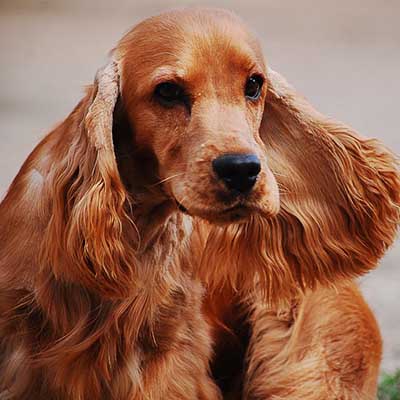
The American Cocker Spaniel traces its roots back to the English Cocker Spaniel but was intentionally bred with various other breeds to develop a smaller hunting dog that appealed to American hunters interested in game birds. These dogs are medium-sized, have a moderate level of energy, and are generally known for their joyful personalities. Renowned for their intelligence, American Cocker Spaniels are fairly easy to train for hunting activities and are loyal companions to their families. The breed received official recognition from the American Kennel Club (AKC) in 1878. They come in 13 unique colors and display two distinct styles of markings. According to the AKC, they are currently the 29th most popular dog breed in the United States.
Read more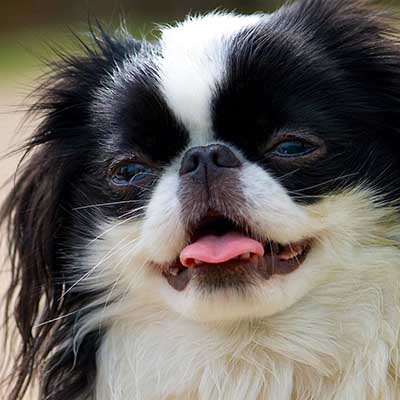
Japanese Chin
The Japanese Chin is a small breed within the toy dog category, distinguished by its flat face and elegant, flowing fur. While it is widely believed that this breed originated in the royal courts of China more than 1,500 years ago, there is some contention regarding whether it was first developed in Korea before arriving in Japan. Renowned for its playful and entertaining nature, the Chin is cherished in Japanese culture, often seen as a noble creature among dogs. This breed has a penchant for perching in high places, which has led to its nickname, “a cat in a dog suit,” reflecting its agile behavior and grooming habits.
Read moreRegister
Your kids have been begging for a pet forever, and you've recently decided that it's time for your family to get a new addition -- a dog! While everyone is excited for the new arrival, you're wondering if you need to have a dog license. How much does it cost? Is it required? Where do you get one?
Member Clubs

PETINNATE
Other
Height & Weight
Weight
18 lbs (8 kg)Male: 20 lbs (9 kg) , Female: 15 lbs (7 kg)
Height
14 inches (36 sm)Male: 14 inches (36 sm) , Female: 14 inches (36 sm)
Eye Colors
Brown

Nose Colors
Black
Coat Colors
Cream
White
Pied