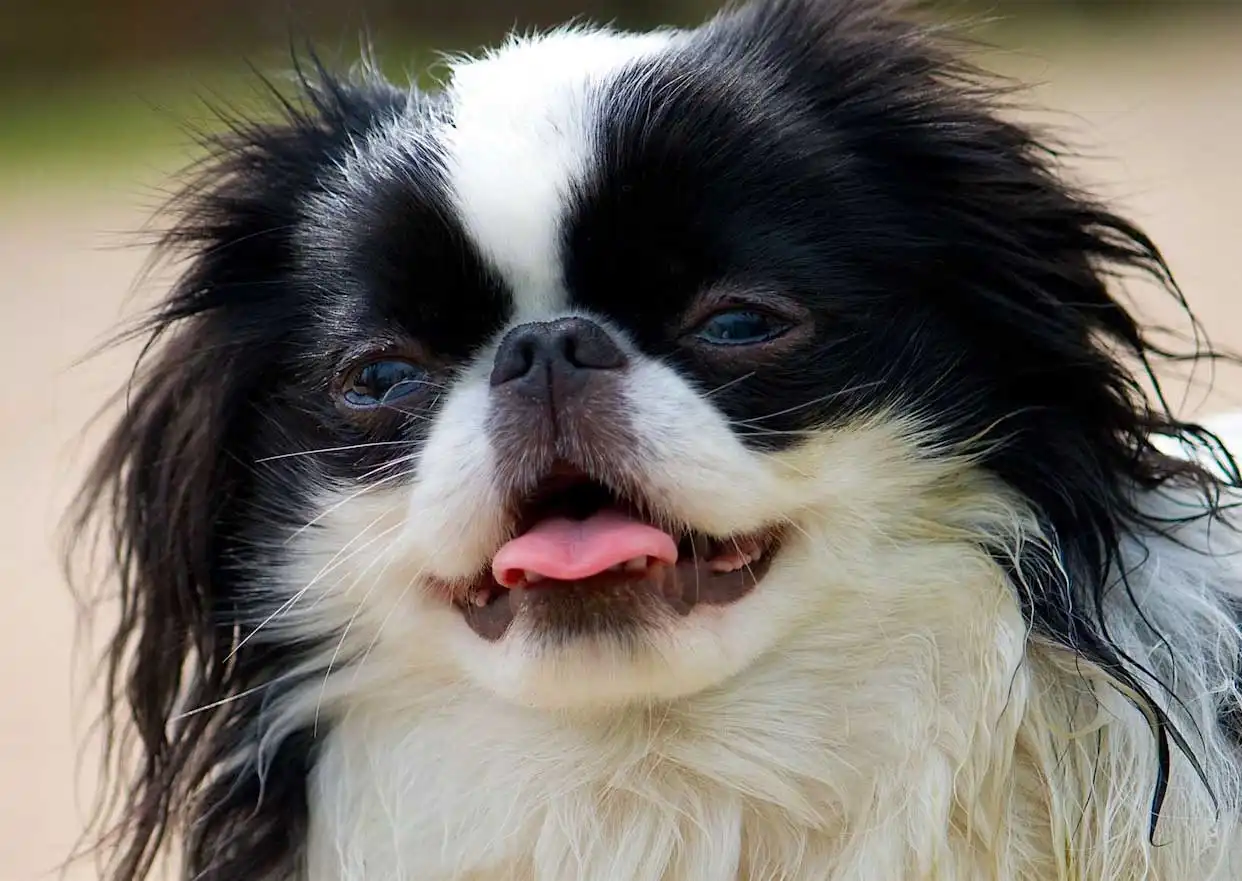
Japanese Chin
Japanese Spaniel
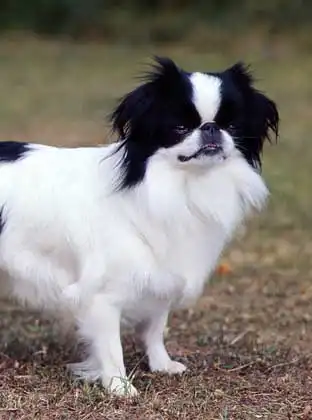
The Japanese Chin is a small breed within the toy dog category, distinguished by its flat face and elegant, flowing fur. While it is widely believed that this breed originated in the royal courts of China more than 1,500 years ago, there is some contention regarding whether it was first developed in Korea before arriving in Japan. Renowned for its playful and entertaining nature, the Chin is cherished in Japanese culture, often seen as a noble creature among dogs. This breed has a penchant for perching in high places, which has led to its nickname, “a cat in a dog suit,” reflecting its agile behavior and grooming habits.
Breed Origin
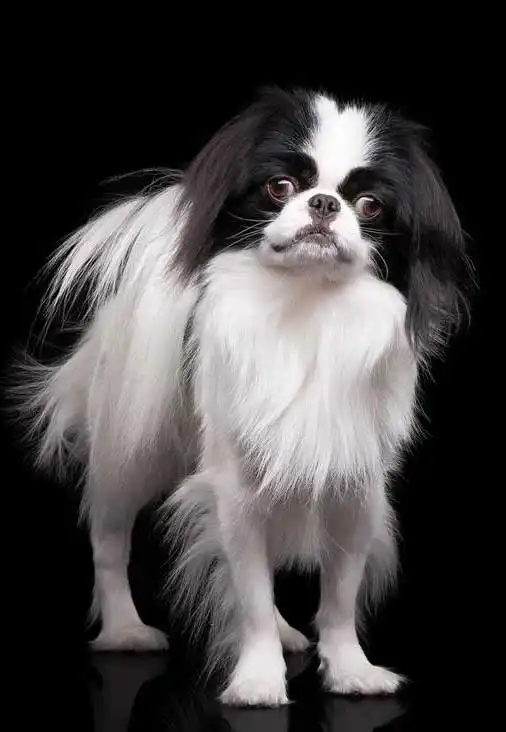
The Japanese Chin was originally known as the Japanese Spaniel. While the exact origins of this breed are somewhat ambiguous, there are theories linking it to the Pekingese, suggesting that Buddhist monks may have brought it to Japan around 520 A.D. Another possibility is that in approximately 1000 A.D., a Chinese emperor presented these dogs as a gift to the Emperor of Japan. Once in Japan, the breed quickly became popular, especially among the aristocracy. It is also thought that Portuguese sailors, who traded with Japan, played a role in introducing the Chin to Europe. Notably, Princess Catherine of Braganza received a Japanese Chin from these sailors. In 1854, Commodore Matthew Perry formally introduced the breed to Europe, giving a pair to Queen Victoria and later presenting another pair to the President of the United States. The American Kennel Club initially recognized the breed as the Japanese Spaniel in the late 1800s, but in 1977, the name was officially changed to Japanese Chin. Today, this breed remains highly regarded in Japan.
Breed Appearance
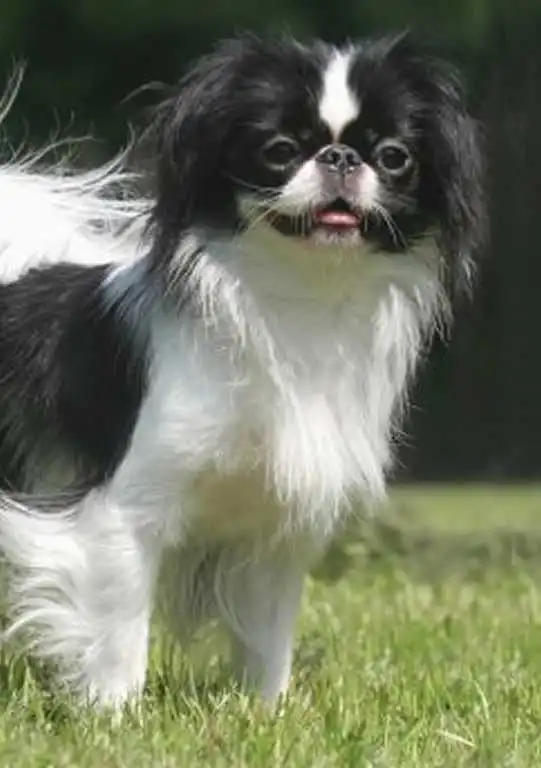
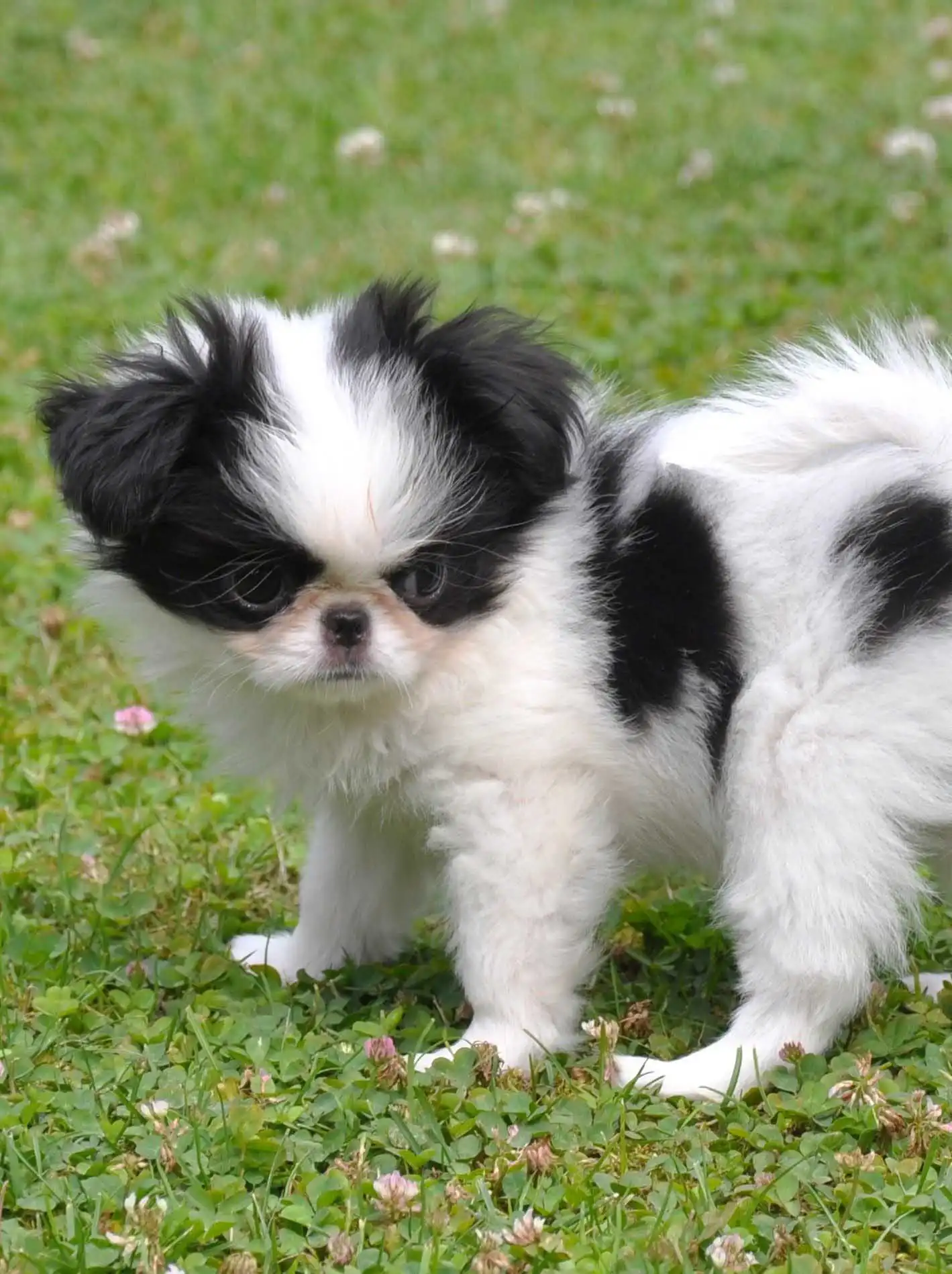
The Japanese Chin showcases a variety of shapes and sizes, shaped by the infusion of different breeds into its ancestry throughout the years. Within this breed, some individuals stand out as significantly larger than their counterparts. Typically, the Chin is characterized by a broad head, wide-set, prominent eyes, and a flat, brachycephalic face, all of which are enhanced by a short muzzle. Its ears are small and V-shaped, featuring long, flowing hair. Moreover, these dogs often exhibit an underbite. The tail is gracefully curled over the back, with feathered hair along its length. Their coat is mainly white, highlighted by patches of color, with the most common shades being black, red, lemon, orange, sable, and combinations like black and white with tan markings or brindle. Some Japanese Chins can exceed a weight of seven pounds.
Care Routine
The Japanese Chin is a lively breed that doesn't demand a lot of physical activity. A daily stroll is recommended, and it's preferable to use a harness rather than a collar, as brachycephalic breeds like the Chin are at risk for windpipe collapse, which can be exacerbated by a collar. This breed is celebrated for its beautiful, silky long coat. While the head, face, and forelegs have shorter hair, the rest of the body is covered in longer fur, featuring elegant feathering on the ears and legs. Japanese Chins are typically adept at self-grooming and do not require frequent baths; in fact, they can benefit from dry shampoos in between their monthly baths. Although they do shed, regular brushing once a week can help control this. When drying your Chin after a bath, use a pin brush to lift the coat upward and outward to avoid tangles. Additionally, brushing your Chin's teeth two to three times a week can help prevent periodontal disease and bad breath.
Behavior & Temperament
It is crucial to recognize that the Chin is a small breed that should not be left alone with young children. Older children who understand how to safely interact with small dogs are more suitable companions for this breed. The Chin is known for its playful demeanor, possessing a delightful sense of humor and a bit of a mischievous streak, often engaging in activities that pique its interest. This endearing dog can provide plenty of entertainment for its family and has an impressive memory, allowing it to recall those who have upset it. Chins are loving and thrive on companionship, but they can experience separation anxiety when left alone. Although they may present some challenges in training, with consistent effort, many Chins can be fully housebroken by around four months of age. It is essential to be firm with them, as overly harsh discipline can adversely impact their gentle nature.

Play & Exercise
Things to Know
Cups Per Day
1.0 Cups
Daily Activity
30 Minutes
Average Lifespan
13 Years
Origin
ancient times
Type
Pure Breeds
Size
Small
Origin Country
Japan
Brush Frequency
Weekly
Coat Texture
Straight
Register
Your kids have been begging for a pet forever, and you've recently decided that it's time for your family to get a new addition -- a dog! While everyone is excited for the new arrival, you're wondering if you need to have a dog license. How much does it cost? Is it required? Where do you get one?
Member Clubs

PETINNATE
Companion Dog

AKC
Toy Group

UKC
Companion Dog
Height & Weight
Weight
6 lbs (3 kg)Male: 6 lbs (3 kg) , Female: 6 lbs (3 kg)
Height
10 inches (25 sm)Male: 10 inches (25 sm) , Female: 10 inches (25 sm)
6 Months
3 lbs ( m 3 lbs, f 3 lbs )
7 inches ( m 7 inches, f 7 inches )
12 Months
4 lbs ( m 4 lbs, f 4 lbs )
8 inches ( m 8 inches, f 8 inches )
18 Months
5 lbs ( m 5 lbs, f 5 lbs )
9 inches ( m 9 inches, f 9 inches )
Eye Colors
Brown

Nose Colors
Black
Coat Colors
Black
Red
Cream
Fawn
White
Pied
Sable
Brindle
Characteristics
Mixes
Chin Crested
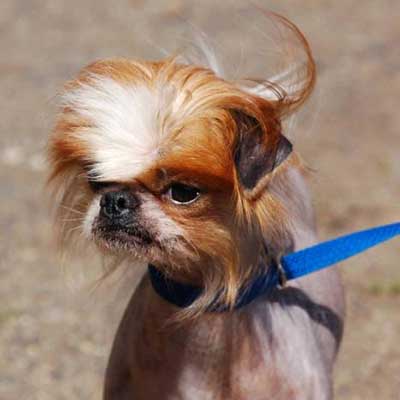
The Chin Crested is a charming mix of two companion breeds: the Japanese Chin and the Chinese Crested. While both belong to the toy category, it's noteworthy that only the Japanese Chin has origins in Asia. Information on this hybrid is somewhat scarce, so potential owners should look into the characteristics of its parent breeds to better understand its unique qualities. Currently, both the Japanese Chin and the Chinese Crested are mainly bred for companionship, although the Chinese Crested historically had roles as a ratting dog for sailors in China, among other functions. Typically small in size and possessing a low energy level, the Chin Crested makes an excellent pet for those living in apartments. Its appearance can differ depending on whether the Chinese Crested parent is hairless or of the Powderpuff variety.
Read more
Chin-Ocker
The Chin-Ocker is a delightful crossbreed that combines the Japanese Chin and the Cocker Spaniel. This affectionate and gentle hybrid is an ideal companion, making it a great fit for families and well-suited for apartment living. Although detailed information about this specific mix is scarce, both parent breeds are known for their friendly dispositions and attractive looks. To keep their coat healthy and looking its best, the Chin-Ocker needs regular grooming. This sensitive dog may show signs of slight submissiveness and can occasionally be a bit shy. Families that are ready to offer love and invest time in this breed will find that the Chin-Ocker is a fantastic addition to their household.
Read more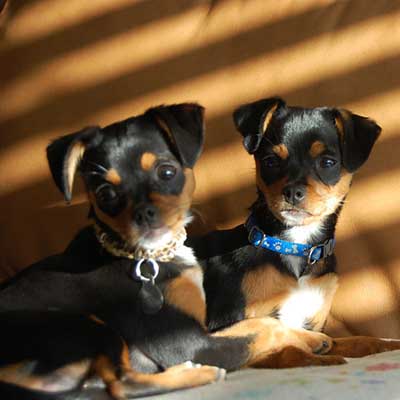
Chin-Pin
The Chin-Pin is a hybrid dog breed that emerges from the combination of a Japanese Chin and a Miniature Pinscher. This blend often results in a variety of inherited characteristics from both parent breeds, leading to a diverse palette of coat colors, including black, white, red, tan, rust, and chocolate. Their fur is usually short and fine, but it can also be silky if they take after the Japanese Chin. Grooming needs for the Chin-Pin are quite low, and they typically shed very little. These dogs are generally friendly with children and do not need a lot of exercise, making them ideal for living in apartments. However, due to the strong-willed tendencies of both parent breeds, training may require a bit of extra patience.
Read more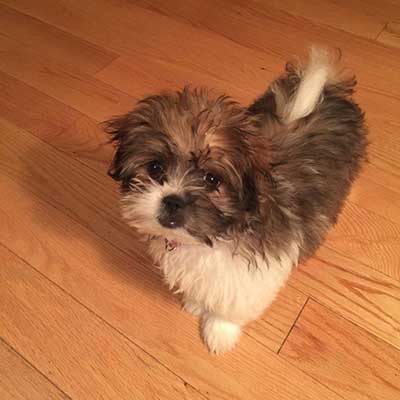
Havachin
The Havachin is a mixed breed that emerges from the combination of a Japanese Chin and a Havanese, showcasing characteristics and appearances from both parent breeds. Common color variations include black, white, black and tan, sable, grey, and red. Both breeds possess silky coats that tend to be relatively long, necessitating regular grooming. The Japanese Chin is distinguished by the feathering on its ears and legs, while the Havanese can have either straight or curly fur, which requires daily brushing if kept long to prevent tangles. Japanese Chins are friendly little companions that flourish with family engagement, but their small stature may make them less suitable for homes with very young children. On the other hand, Havanese dogs are celebrated for their loving disposition, getting along well with kids and other pets. They are not fond of being left alone and can experience separation anxiety, making them a great choice for those who spend considerable time at home.
Read more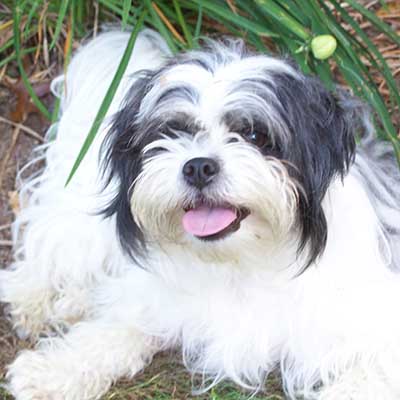
Ja-Chon
The Ja-Chon is a hybrid dog breed that emerges from the combination of a Japanese Chin and a Bichon Frise. This breed can have either a long, curly coat or a shorter, denser one. Renowned for their affectionate and friendly disposition towards children, Ja-Chons usually possess a calm temperament and are not overly energetic. They love to cuddle and require little grooming, with a shedding level that is typically moderate. With their gentle and loving personality, these small dogs flourish in indoor settings, making them ideal companions for both apartment dwellers and those in larger homes.
Read more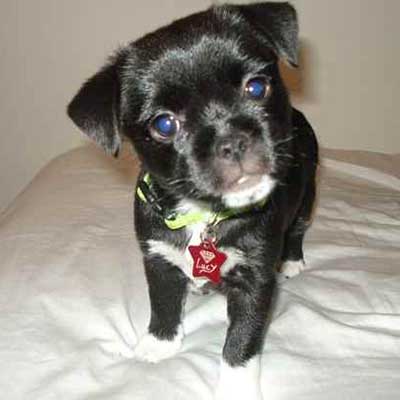
Jaland
The Jaland is a charming mix of the Japanese Chin and the West Highland White Terrier, both recognized as toy breeds. Typically, these small dogs reach a height of no more than a foot and weigh around 13 pounds on average. Their coats are soft and plush, varying from medium to long lengths, and come in a range of colors including black, white, gray, fawn, sable, pied, and brindle. Although they possess intelligence, their stubbornness can pose challenges during training. Jalands are loving companions for children, but it's essential to supervise their interactions with very young ones. They generally coexist well with other pets. This breed is also noted for its robust health, often living up to approximately 15 years.
Read more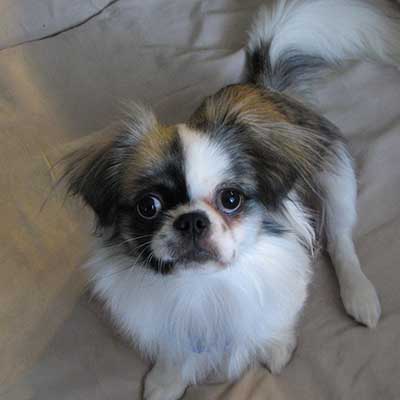
Japeke
The Japeke is an affectionate and spirited hybrid, resulting from the combination of two Chinese breeds: the Japanese Chin and the Pekingese. This small companion exudes a dignified charm and possesses a courageous nature. Although the Japeke is recognized for its vigilance and can act as a reliable watchdog, many owners discover that their pet enjoys a more relaxed way of life, frequently curling up and napping contentedly in their laps.
Read more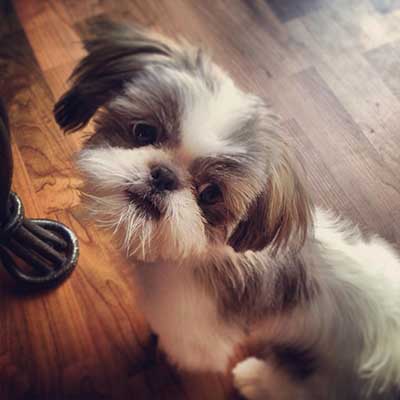
Jatzu
The Jatzu, often called a designer or boutique dog, is a thoughtfully created hybrid that emerges from the deliberate breeding of two sociable and lively breeds: the Japanese Chin and the Shih Tzu. This delightful little canine is celebrated for its friendly nature and is generally well-behaved, making training a straightforward process. While Jatzus tend to be gentle and friendly with humans, they might become anxious around young children or particularly active pets. They don’t require a lot of exercise, which makes them ideal companions for both spacious and compact living environments. However, it’s essential to keep in mind that they demand more grooming than many other dog breeds.
Read more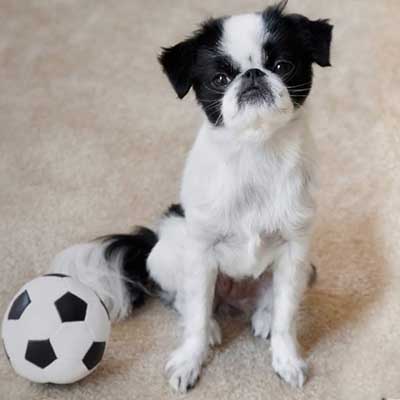
Mini Jafox
The Mini Jafox is a hybrid breed resulting from the combination of the Japanese Chin and the Miniature Fox Terrier. The gentle temperament of the Japanese Chin balances the lively spirit of the Mini Fox Terrier, yet this designer dog still needs ample daily exercise. Perfect for urban living, the Mini Jafox prefers to spend a majority of its time indoors. While it bears a strong resemblance to the Jafox, it is generally taller and can be mistaken for its relative. Because of its close association with the Jafox, the Mini Jafox is officially acknowledged by just one registry: the Designer Dog Registry.
Read more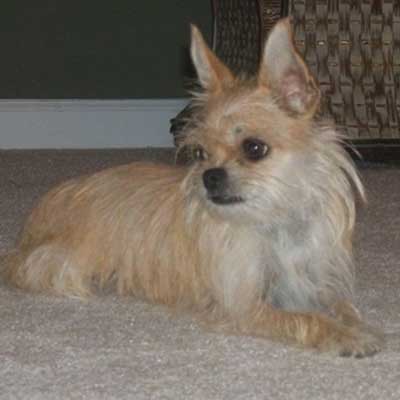
Silkin
The Silkin is a charming hybrid breed that emerges from the crossbreeding of a Japanese Chin and a Silky Terrier. Renowned for their joyful and playful nature, these loving dogs flourish in the company of their families and display a deep sense of loyalty. Their coats are medium to long and silky, coming in a range of colors such as chocolate, cream, white, black, or various combinations of these hues. Ideal for apartment living, Silkens are satisfied with short playtimes and moderate physical activity. They generally weigh between 8 and 11 pounds and reach a height of up to 11 inches.
Read more