Chipin
Pinhuahua, Minchi
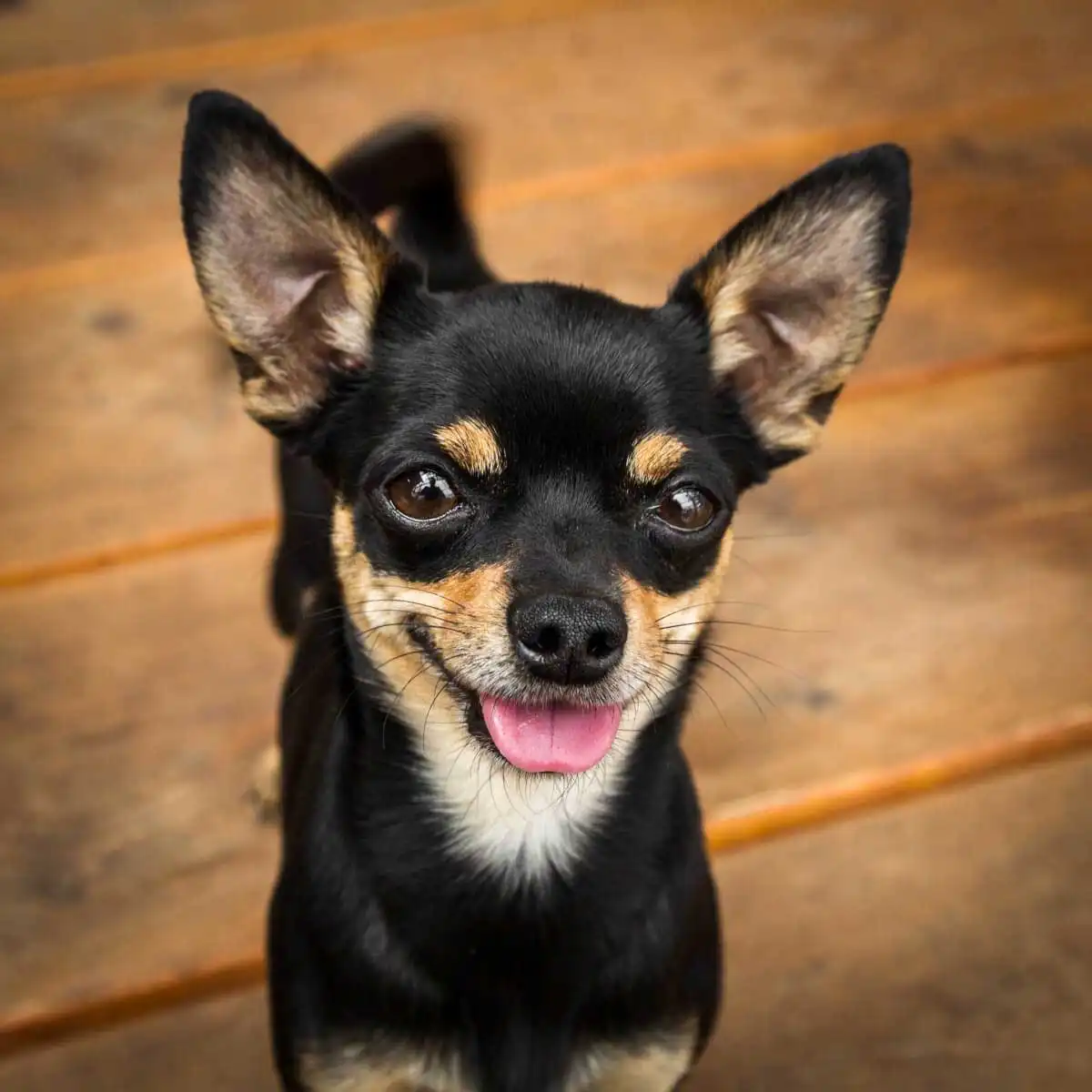
The Chipin is a small dog, typically measuring between 8 to 12 inches in height and weighing around 5 to 15 pounds. This charming breed is a mix of the Chihuahua and the Miniature Pinscher, both recognized as toy breeds. Chipins have a short, robust coat that comes in various colors, including shades of tan and black, often in different combinations. Renowned for their intelligence, they are quick to learn and respond positively to training. Their short fur requires minimal maintenance, and they only need a moderate level of daily exercise. Chipins make excellent companions for children and other pets, which makes them well-suited for family life. However, they may display territorial tendencies, so it’s important to socialize them early on.

Breed Origin
The history of the Chihuahua is steeped in debate, with various stories regarding its origins. The most widely accepted theory indicates that this breed has been around for more than 3,000 years, originating from the Aztec civilization. Another narrative suggests that Chihuahuas may have come from China, where they were bred with several small native dog breeds after being brought to the New World by Spanish traders. Additionally, some theorists argue that the Chihuahua is a descendant of the Techichi, a small, mute dog from South America that played a role in sacrificial ceremonies. These tiny dogs were believed to guide the souls of the deceased in the afterlife, while others contend that they were consumed as food by the Aztecs and Toltecs. Another viewpoint holds that the breed was first recognized in Chihuahua, Mexico, during the 1800s, which is how it received its name. The Chihuahua only gained significant popularity in the United States after Xavier Cugat showcased his own Chihuahua in public events. Since 1904, the breed has been acknowledged by the American Kennel Club (AKC) and currently ranks as the 30th most popular dog breed in the nation. In contrast, the Miniature Pinscher hails from Germany, with its roots tracing back to the 1600s; the term "Pinscher" translates to "terrier" in German. Despite the similarity in names, Miniature Pinschers are not related to Doberman Pinschers. Historically, they were bred to hunt vermin like rats and mice. This breed is a mix of the German Pinscher, Dachshund, and Italian Greyhound. In the 1800s, efforts to create a smaller version led to some unattractive and deformed dogs, but these issues were resolved by the early 1900s. The breed gained popularity in German dog shows and saw an increase in recognition in the United States after World War I. The AKC officially recognized the Miniature Pinscher in 1925, and it is now the 68th most popular dog breed in America.
Breed Appearance
The Chipin is a charming, small dog known for its short, sleek, and robust coat, which comes in various colors such as cream, chocolate, golden, black, white, tan, and combinations of black and tan. With a rounded head, prominent ears, and a slender, pointed muzzle, they bear a striking resemblance to a miniature Miniature Pinscher. Their compact physique is complemented by well-defined legs and petite feet, often featuring the characteristic dark facial mask associated with the Miniature Pinscher. Typically weighing around 10 pounds and standing about 9 inches tall, these dogs often sport a curious expression, as if they are in a constant state of contemplation, and their dark brown eyes convey a sharp intelligence.


Care Routine
This breed requires minimal grooming compared to many others. Brushing with a stiff bristle brush a few times a week is generally adequate. Bathing should only be done when necessary, and it’s crucial to use a gentle dog shampoo, as harsh products can remove the natural oils that maintain the health of her coat. Furthermore, it’s wise to check her ears weekly for any signs of mites, redness, dirt, or wax buildup. For cleaning, use a mild cleanser recommended by your veterinarian, and don’t forget to trim her toenails as needed. To prevent dental problems, it’s also advisable to brush her teeth several times a week.
Behavior & Temperament
Your Chipin flourishes in a family environment and may become anxious and noisy if left alone for extended periods. Training them is generally uncomplicated, but it's vital to apply consistent rules to assert your leadership. They can show a stubborn streak, making it important to remain steady in your methods. Despite their small size, they often display courage, occasionally standing up to much larger dogs when they sense danger. While they typically get along well with children, it's wise to exercise caution around very young ones, as their small size can make them susceptible to harm. Early socialization is key to curbing any potential aggressive behaviors.


Play & Exercise
The Chipin needs at least 45 to 60 minutes of intense exercise daily, which can involve running, walking, or hiking. You might want to explore agility training, as this breed thrives in such environments and it offers great physical engagement. Failing to provide enough exercise can result in behavioral problems such as chewing, jumping, digging, and excessive barking. Mental stimulation is equally crucial; activities like fetch and structured training can aid in this regard. Furthermore, Chipins possess a strong instinct to chase small creatures like squirrels and rabbits, so you may observe her doing this in your yard.
Things to Know
Cups Per Day
0.0 Cups
Daily Activity
0 Minutes
Average Lifespan
13 Years
Origin
2001
Type
Crossbreeds
Size
Not Set
Origin Country
United States
Brush Frequency
Daily
Coat Texture
Straight
Ancestors
Chihuahua
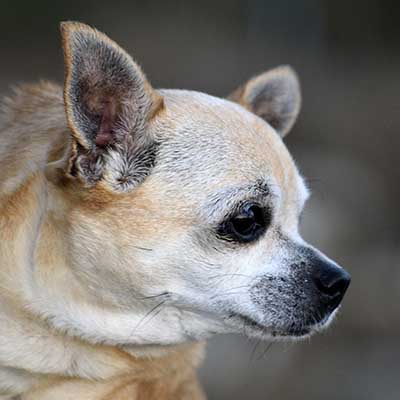
The Chihuahua, celebrated as the tiniest dog breed in the world, takes its name from the Mexican state of Chihuahua. Both legends and archaeological findings indicate that these dogs originated in Mexico, with toy-like figures resembling Chihuahuas unearthed from Mexico to El Salvador, dating back to approximately 100 AD. Chihuahuas can have either long or short coats and are divided into two main head shapes: “apple heads,” which have rounder skulls, closely spaced eyes, and shorter legs, and “deer heads,” characterized by flatter skulls, wider-set eyes, larger ears, and longer legs. At present, apple-headed Chihuahuas are more popular among dog lovers. They come in a wide array of colors and patterns, but in this breed, the color does not influence the dog's personality. While Chihuahuas are primarily companions, they can take on a guarding role if not properly trained, exhibiting protective behaviors. Known for their spirited nature, loyalty, and protectiveness, Chihuahuas can be quick to react, making them less ideal for families with young children. They often form strong bonds with a single owner, showing a preference for that individual over others in the home, and they typically enjoy the company of fellow Chihuahuas more than that of other dog breeds.
Read more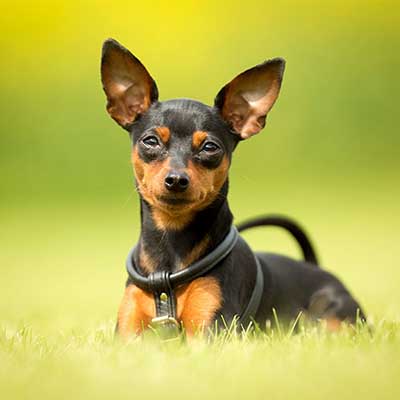
Miniature Pinscher
The Miniature Pinscher should not be mistaken for a diminutive version of the Doberman Pinscher; instead, it is more accurately described as a small-scale likeness of its larger relative. Interestingly, the Miniature Pinscher actually predates the Doberman. Often referred to as the Min Pin, this breed originates from the German Pinscher lineage and may also share ancestry with the Italian Greyhound and Dachshund. While the Miniature Pinscher has been officially recognized for over two centuries, the specifics of its ancestral background continue to spark discussion among enthusiasts. Nevertheless, this distinguished breed has been featured in Renaissance art, and artifacts from as far back as 2,000 years ago attest to its enduring existence.
Read moreRegister
Your kids have been begging for a pet forever, and you've recently decided that it's time for your family to get a new addition -- a dog! While everyone is excited for the new arrival, you're wondering if you need to have a dog license. How much does it cost? Is it required? Where do you get one?
Member Clubs

PETINNATE
Other
Height & Weight
Weight
10 lbs (5 kg)Male: 12 lbs (5 kg) , Female: 9 lbs (4 kg)
Height
10 inches (25 sm)Male: 11 inches (28 sm) , Female: 10 inches (25 sm)