Cocker Sheltie
Sheltie Cocker
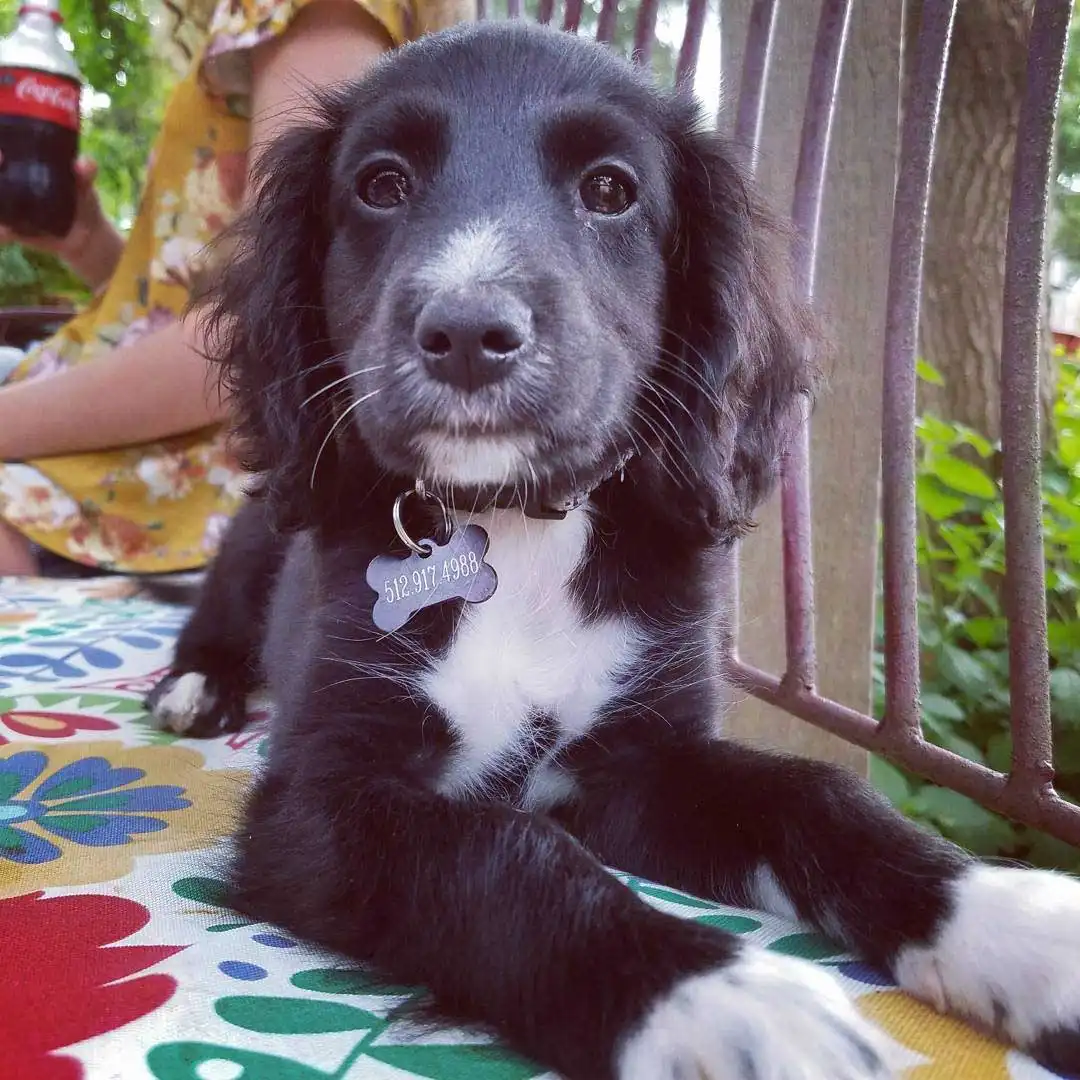
The Cocker Sheltie is a mixed breed that results from the intentional breeding of the Cocker Spaniel and the Shetland Sheepdog. As a designer breed, it is created through the careful selection of two established purebreds. This breed is characterized by its long, dense coat, which requires regular grooming to maintain its condition. Traits inherited from its parent breeds often include a strong herding instinct, a sociable nature, high energy, and a loving personality. To ensure its well-being, the Cocker Sheltie flourishes in a home with a securely fenced yard. This breed makes an excellent companion for active dog owners who lead a dynamic lifestyle.
Breed Origin
The word "Spaniel" means "Spanish dog," hinting at its presumed roots in Spain. The Cocker Spaniel, believed to have originated in the 1300s, was originally trained to flush woodcocks from their hiding spots, which is reflected in its name. When the American Kennel Club first recognized the breed in 1878, it was divided into land and water spaniels, with further classifications based on size. This system eventually led to the development of two separate breeds: the English Cocker Spaniel and the American Cocker Spaniel, the latter gaining official recognition as a distinct breed in 1946. Both types are part of the AKC's Sporting Group, with the American Cocker Spaniel being the smaller variant, and both excel in dog shows. Conversely, the Shetland Sheepdog, commonly known as the Sheltie, is essentially a smaller version of the Collie, developed in the Shetland Islands. Initially called the Shetland Collie, this breed emerged in the 1700s when fishermen visiting the islands introduced various dogs, including the King Charles Spaniel, Yakki dogs, Scandinavian Spitz breeds, and Scottish Sheepdogs, which were then crossbred with local canines. This combination led to the creation of the Shetland Sheepdog, primarily used for herding. The breed was first registered with the American Kennel Club in 1911, with a notable dog named Lord Scott, who was brought over from the Shetland Islands by John G. Sherman Jr. Today, Shetland Sheepdogs shine in activities like flyball, tracking, and herding, and they also serve as excellent therapy dogs.
Breed Appearance
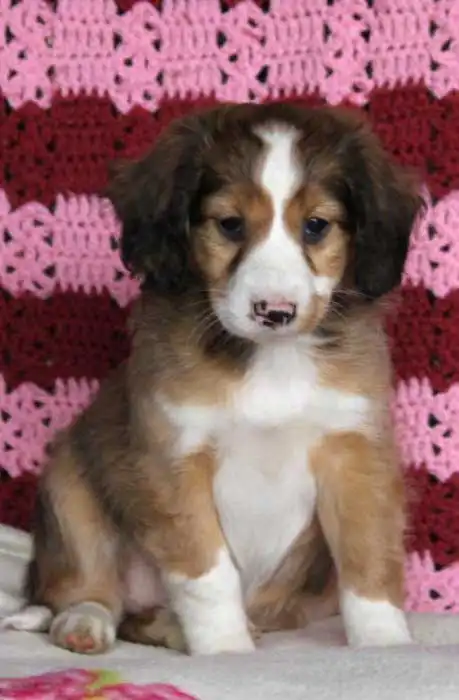
The Cocker Sheltie is a medium-sized breed known for its luxurious, thick double coat. This mixed breed showcases a variety of colors, such as merle, tricolor, black, brown, tan, and white. Typically weighing between 25 and 35 pounds, it possesses a strong and agile build. The Cocker Sheltie is recognized for its friendly and alert demeanor, with ears that often hang down. Its tail is of moderate length, and the muzzle is generally long and slender. The head can either have a rounded shape, akin to that of the Cocker Spaniel, or a more tapered appearance, reminiscent of the Shetland Sheepdog.


Care Routine
The Cocker Sheltie features a luxurious, long coat that demands consistent grooming to remove dead hair and prevent matting. To keep the coat in optimal condition, it’s important to bathe the dog monthly with a gentle dog shampoo. Nail trimming should also be performed every month. To prevent tartar buildup, brushing the Cocker Sheltie’s teeth several times a week with a toothpaste formulated for dogs is recommended. Regularly inspecting the ears for debris, foul smells, or signs of yeast infections is crucial, as the breed's long ears can be prone to such problems. An annual wellness check with the veterinarian is advisable, while puppies and senior dogs may require more frequent visits. Your veterinarian might also recommend monthly heartworm prevention and treatments for ticks and fleas.
Behavior & Temperament
The Cocker Spaniel is celebrated for its affectionate and friendly disposition. This breed is not only gentle and sweet but also possesses a notable level of intelligence. When exposed to social situations early on, Cocker Spaniels typically bond well with children and other dogs. Their eagerness to please their owners and their craving for attention make them relatively straightforward to train, especially in terms of obedience. Their curious and energetic nature further enhances their appeal. Conversely, the Shetland Sheepdog is a herding breed that may display instinctive herding tendencies. This can be seen in behaviors such as barking or trying to herd other animals or even people. They often have a propensity to chase moving objects, including other dogs, cars, or bicycles, so it’s wise to keep them leashed during walks. The Shetland Sheepdog is known for its distinctive high-pitched bark and is also recognized for its intelligence and ability to be trained. This breed is lively, affectionate, and brimming with energy. When these two breeds are combined into a Cocker Sheltie, you can anticipate a dog that is enthusiastic about learning and full of life. This hybrid will be playful and make an excellent family pet. With the right training and guidance, your Cocker Sheltie can thrive as a cherished member of your family.


Play & Exercise
Your Cocker Sheltie is probably quite lively, making regular walks vital for his health and happiness. He will enjoy activities such as playing fetch, exploring, and running freely in a safe yard. Additionally, taking him to a dog park can provide excellent opportunities for socialization and meeting new canine companions. This breed is recognized for its intelligence, so he will excel in obedience training classes and find joy in the learning experience. However, both the Cocker Spaniel and the Shetland Sheepdog are sensitive to heat, so it’s important to protect your Cocker Sheltie from extreme temperatures. In the summer months, choose shaded areas for walks to keep him comfortable.
Things to Know
Cups Per Day
3.0 Cups
Daily Activity
60 Minutes
Average Lifespan
14 Years
Origin
Unknown
Type
Crossbreeds
Size
Medium
Origin Country
United States
Brush Frequency
Daily
Coat Texture
Straight
Ancestors
Cocker Spaniel
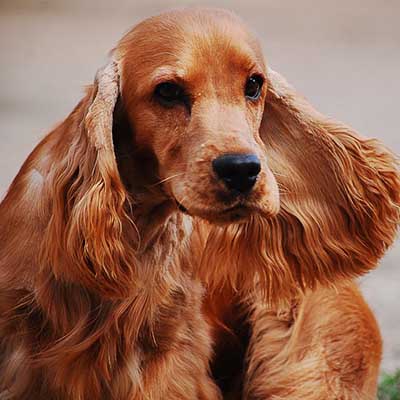
The American Cocker Spaniel traces its roots back to the English Cocker Spaniel but was intentionally bred with various other breeds to develop a smaller hunting dog that appealed to American hunters interested in game birds. These dogs are medium-sized, have a moderate level of energy, and are generally known for their joyful personalities. Renowned for their intelligence, American Cocker Spaniels are fairly easy to train for hunting activities and are loyal companions to their families. The breed received official recognition from the American Kennel Club (AKC) in 1878. They come in 13 unique colors and display two distinct styles of markings. According to the AKC, they are currently the 29th most popular dog breed in the United States.
Read more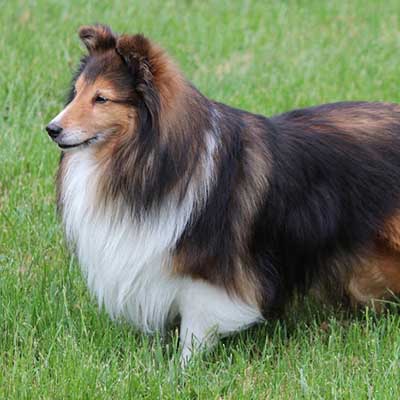
Shetland Sheepdog
The Shetland Sheepdog, often called the Sheltie, is akin to a small version of the Collie, as it is indeed a descendant of this breed. Breeders selectively developed smaller Collies, typically around 18 inches in height, to produce what we now know as the Shetland Sheepdog. These dogs were originally used for herding livestock, particularly sheep, in Scotland, with a strong presence on the Shetland Islands. It is thought that the breed's development may have also been shaped by influences from Border Collies, certain breeds from Iceland, and possibly the black and tan King Charles Terrier, all of which have contributed to the traits we associate with the Shetland Sheepdog today.
Read moreRegister
Your kids have been begging for a pet forever, and you've recently decided that it's time for your family to get a new addition -- a dog! While everyone is excited for the new arrival, you're wondering if you need to have a dog license. How much does it cost? Is it required? Where do you get one?
Member Clubs

PETINNATE
Other
Height & Weight
Weight
30 lbs (14 kg)Male: 30 lbs (14 kg) , Female: 30 lbs (14 kg)
Height
15 inches (38 sm)Male: 15 inches (38 sm) , Female: 15 inches (38 sm)
Eye Colors
Brown

Nose Colors
Black
Coat Colors
Sable
White
Black

Brown