Shetland Sheepdog
Sheltie
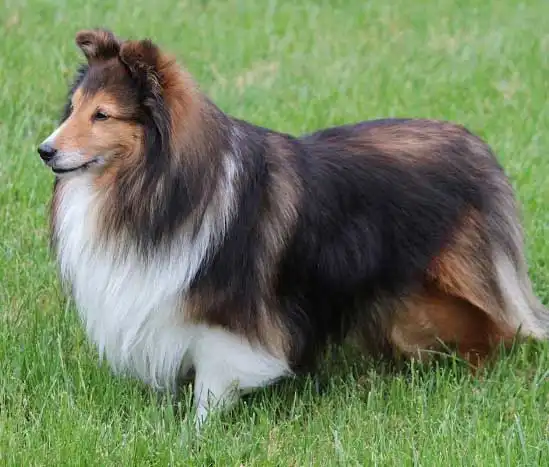
The Shetland Sheepdog, often called the Sheltie, is akin to a small version of the Collie, as it is indeed a descendant of this breed. Breeders selectively developed smaller Collies, typically around 18 inches in height, to produce what we now know as the Shetland Sheepdog. These dogs were originally used for herding livestock, particularly sheep, in Scotland, with a strong presence on the Shetland Islands. It is thought that the breed's development may have also been shaped by influences from Border Collies, certain breeds from Iceland, and possibly the black and tan King Charles Terrier, all of which have contributed to the traits we associate with the Shetland Sheepdog today.
Breed Origin
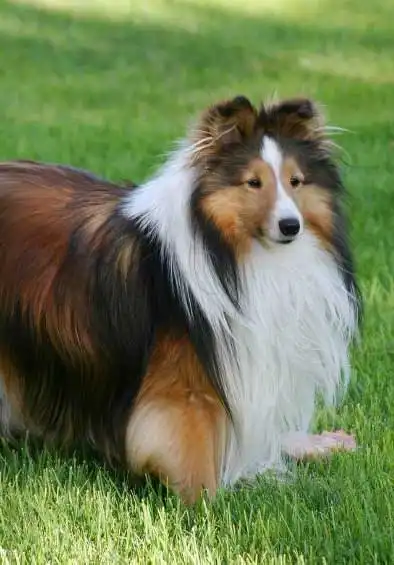
The Shetland Sheepdog, often called the “Sheltie,” gets its name from the Shetland Islands in Scotland, where it originated. This breed was specifically bred for herding sheep and other livestock, which is evident in its name. It is thought to be a mix of Collie, some Icelandic breeds, and possibly a black and tan King Charles Terrier. Due to the sparse vegetation on the Shetland Islands, herds were typically smaller, reducing the necessity for larger Collies to manage them. Consequently, the Sheltie proved adept at herding not only sheep and cattle but also ponies and even chickens. In the early 1900s, the British Navy encountered these dogs during training exercises and brought them back to England before 1917. Around 1906, the breed was informally referred to as Shetland Collies, a name that displeased Collie enthusiasts who opposed the connection. As a result, the breed's name was officially changed to Shetland Sheepdog. The American Kennel Club (AKC) first recognized the breed in 1911, registering its first Sheltie, named Lord Scott, who was transported from Scotland to New York by John G. Sherman.
Breed Appearance
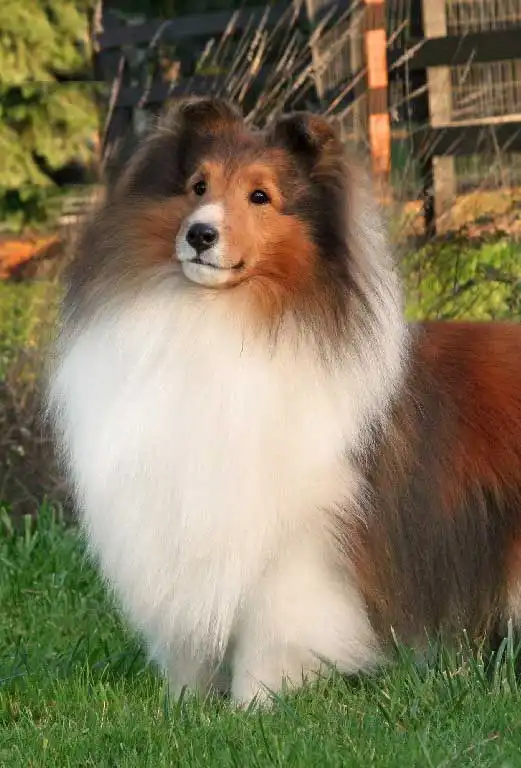
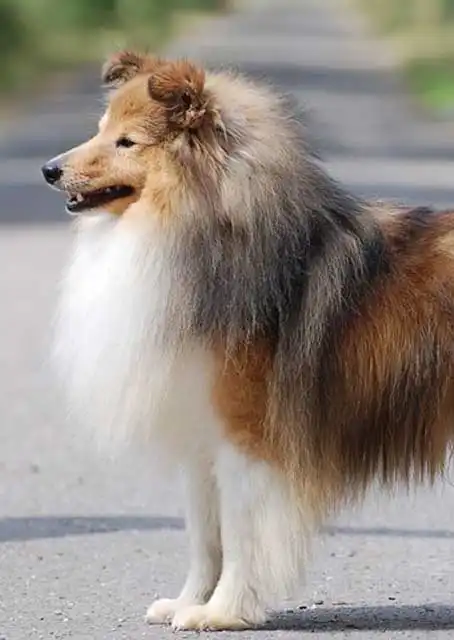
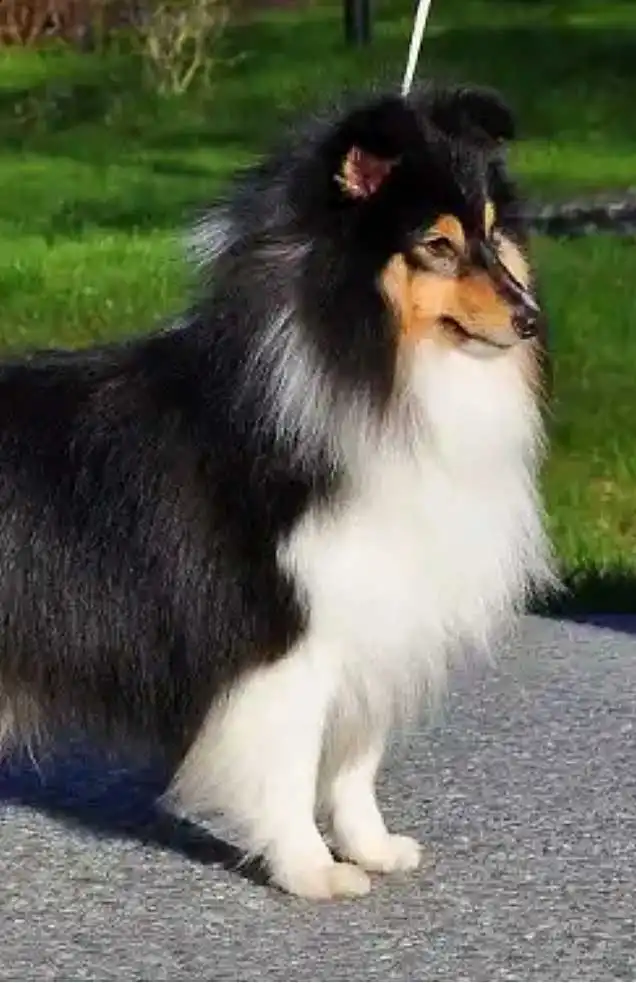
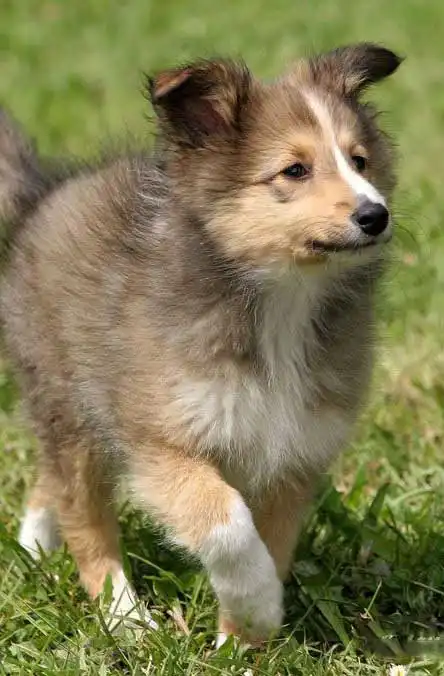
Shelties are often seen as a smaller version of the Rough Collie. They possess an elongated body while still maintaining a compact build. These dogs are known for their double coat, which features a luxurious mane of fur around the neck and upper chest. The undercoat is short and thick, whereas the outer coat is generally long and straight, creating a look that appears to float away from the body. The fur on the Sheltie’s head, ears, and feet is also long and straight, enhanced by a full and frilly mane. Their legs and tails are covered in long, fluffy hair. Shelties are available in three main color variations: a golden to mahogany sable, solid black, or blue merle, which is a striking blue-gray with black markings.
Care Routine
The Shetland Sheepdog's long, dense coat necessitates thorough brushing at least weekly. For optimal grooming, a pin brush is recommended. To prevent damage to the coat, lightly mist it with water from a spray bottle before you begin brushing, starting at the base and moving towards the tips. Pay particular attention to the hair between the ears, as this area is especially prone to tangling and requires gentle handling. Shelties do not require frequent baths; only wash them when they are truly dirty. During shedding season, which typically occurs once or twice a year, additional grooming will be needed. Furthermore, it’s advisable to brush your Sheltie’s teeth two to three times a week. To help your Sheltie acclimate to grooming, it’s best to introduce this routine while they are still a puppy.
Behavior & Temperament
The Shetland Sheepdog, often referred to as the Sheltie, is a breed renowned for its deep affection and unwavering loyalty to its family. While they may exhibit caution around unfamiliar faces, Shelties are generally very loving and devoted to those they live with. One of their most distinctive traits is their exuberance; they often express their excitement through continuous barking and energetic spins, especially when they meet another dog. Although they might sometimes seem aloof or detached, this behavior is believed to have been selectively developed to enhance their herding skills. Shelties are particularly vocal, often barking more than many other breeds. They also have a tendency to nip at objects and, unfortunately, at children, a behavior that stems from their herding instincts. Given their intelligence, it is beneficial to start training Shelties early, as many of these less desirable behaviors can be modified with appropriate guidance.
Play & Exercise
Things to Know
Cups Per Day
2.0 Cups
Daily Activity
45 Minutes
Average Lifespan
13 Years
Origin
1800s
Type
Pure Breeds
Size
Small
Origin Country
Scotland (Shetland Islands)
Brush Frequency
Weekly
Coat Texture
Straight
Register
Your kids have been begging for a pet forever, and you've recently decided that it's time for your family to get a new addition -- a dog! While everyone is excited for the new arrival, you're wondering if you need to have a dog license. How much does it cost? Is it required? Where do you get one?
Member Clubs

PETINNATE
Herding Dog

AKC
Herding Group

UKC
Herding Dog
Height & Weight
Weight
21 lbs (10 kg)Male: 21 lbs (10 kg) , Female: 21 lbs (10 kg)
Height
15 inches (38 sm)Male: 15 inches (38 sm) , Female: 15 inches (38 sm)
6 Months
12 lbs ( m 12 lbs, f 12 lbs )
7 inches ( m 7 inches, f 7 inches )
12 Months
17 lbs ( m 17 lbs, f 17 lbs )
14 inches ( m 14 inches, f 14 inches )
18 Months
19 lbs ( m 19 lbs, f 19 lbs )
14 inches ( m 14 inches, f 14 inches )
Eye Colors
Blue

Brown
Nose Colors
Black
Coat Colors
Sable
Black
Blue
White
Characteristics
Mixes
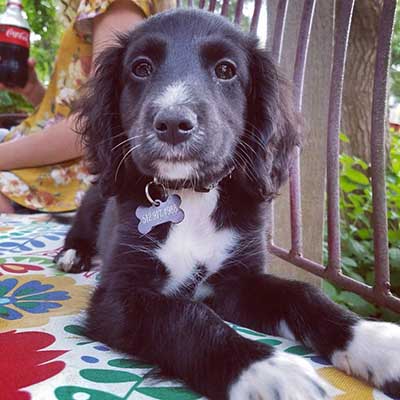
Cocker Sheltie
The Cocker Sheltie is a mixed breed that results from the intentional breeding of the Cocker Spaniel and the Shetland Sheepdog. As a designer breed, it is created through the careful selection of two established purebreds. This breed is characterized by its long, dense coat, which requires regular grooming to maintain its condition. Traits inherited from its parent breeds often include a strong herding instinct, a sociable nature, high energy, and a loving personality. To ensure its well-being, the Cocker Sheltie flourishes in a home with a securely fenced yard. This breed makes an excellent companion for active dog owners who lead a dynamic lifestyle.
Read more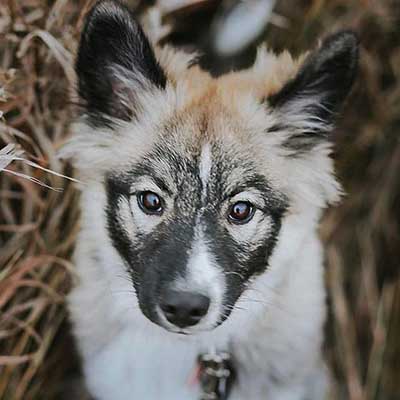
Eskland
The Eskland is an energetic blend of the American Eskimo and the Shetland Sheepdog. Both of these parent breeds are recognized for their small to medium size, durability, and beautiful, dense double coats featuring long fur. The size and weight of an Eskland can vary, influenced by the traits of its parent breeds. As a designer dog, the Eskland is intentionally bred for companionship, making it a fantastic option for active families. Although it may be difficult to anticipate the exact characteristics of this hybrid due to limited data, potential owners can refer to the traits of the parent breeds for guidance.
Read more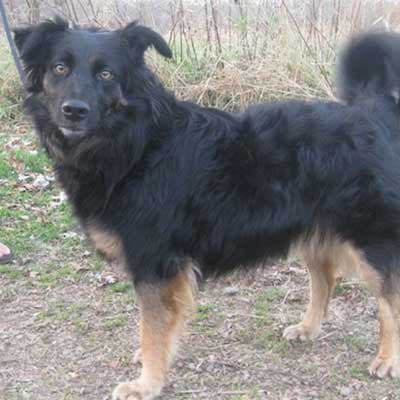
Gordon Sheltie
The Gordon Sheltie is a medium to large dog breed that has only recently emerged as a recognized designer hybrid, resulting in limited historical records. This distinctive breed is a cross between the Gordon Setter, a large hunting dog, and the Shetland Sheepdog, which was originally developed for herding. Gordon Shelties are known for their intelligence and desire to please, making them energetic companions that thrive in engaging environments. They have impressive stamina and require an active lifestyle. Although they demand a fair amount of grooming—needing to be brushed several times a week to control shedding, dirt, and prevent matting—they are ideal for lively households.
Read more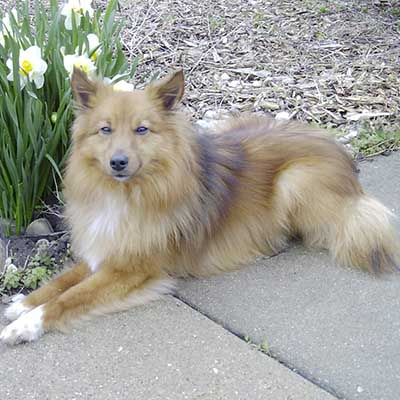
Poshies
The Poshies, an enchanting hybrid breed created by crossing a Shetland Sheepdog with a Pomeranian, is celebrated for its lively spirit, independence, and steadfast loyalty, making it an endearing companion. This small to medium-sized dog features a plush, double coat similar to that of the Pomeranian, along with small, expressive black eyes, a curly tail, and a long muzzle that ends in an adorable black button nose. Thanks to its affectionate nature inherited from the Pomeranian, the Poshies flourishes as a devoted lap dog, always eager to share quality moments with its owner. However, don’t be misled by its cuddly appearance! The Poshies also reflects the energetic character of the Sheltie, resulting in a vibrant and somewhat independent personality that can make it wary of strangers, thus serving as an effective watchdog for your household. Training this breed is generally uncomplicated due to its eagerness to please, although it may show a hint of stubbornness, requiring some repetition when learning new commands. Nonetheless, the Poshies is a quick study, and once it understands a concept, it will master it swiftly.
Read more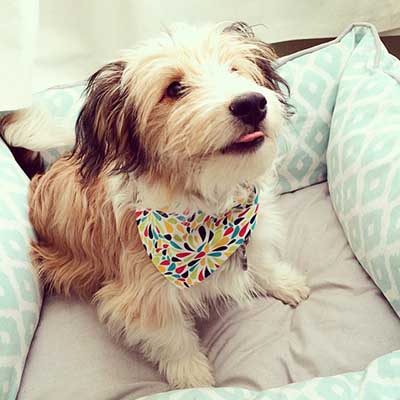
Shelchon
The Shelchon, commonly known as the Sheltie Bichon, is a medium-sized designer dog that emerges from the crossbreeding of a purebred Shetland Sheepdog and a purebred Bichon Frise. This breed is available in a range of colors, such as white, brown, tan, cream, black, and sable, and boasts medium to long, thick, double-layered coats that are often soft and slightly wavy. Renowned for their affectionate and joyful nature, Shelchons are wonderful companions for families. They typically interact well with children, although they may show some caution around strangers. These dogs are naturally curious and full of energy, but they can also be prone to excessive barking. Furthermore, they have a strong herding instinct, which might lead them to try to herd smaller animals, occasionally resulting in nipping. Grooming these dogs can be quite labor-intensive due to their tendency to shed significantly.
Read more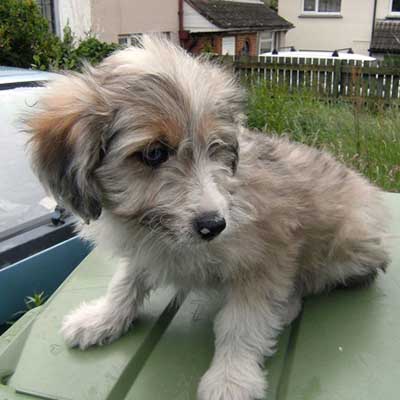
Sheltidoodle
The Sheltidoodle, commonly known as the Sheltipoo, has gained popularity as a designer breed in recent decades. This intentional hybrid results from crossing the Shetland Sheepdog, a sturdy herding dog from the Shetland Islands near Scotland, with the versatile Poodle, which was originally developed for duck hunting in Germany. Sheltidoodles are celebrated for their intelligence and sensitivity, showing a loving and attentive demeanor towards their families while being polite and reserved around strangers. Their inherent protective instincts enable them to serve as effective watchdogs, and they typically interact well with gentle, well-behaved children. However, some may display hyper-reactive behaviors, making them potentially less suitable for noisy or chaotic environments.
Read more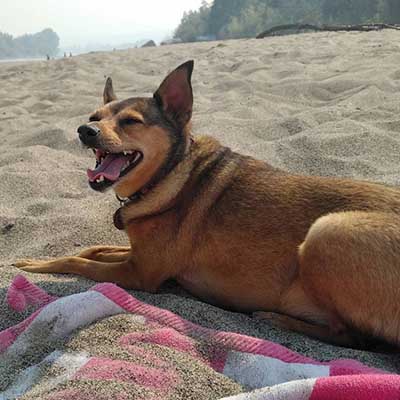
Sheltie Pin
The Sheltie Pin is a charming hybrid breed that emerges from the union of the Miniature Pinscher and the Shetland Sheepdog. Typically classified as small to medium in size, this breed showcases short fur, distinctive ears, and a delightful temperament. With a blend of energy inherited from both parent breeds, the Sheltie Pin is always ready for exciting new experiences. While this dog is incredibly loving and will faithfully follow you wherever you go, its independent nature and high energy levels can make training a bit challenging. Nevertheless, with the right training approach, the Sheltie Pin can become a fantastic companion, especially for families with older children who are enthusiastic about pet care. This breed is generally low maintenance and possesses a wonderful personality marked by intelligence, playfulness, and steadfast loyalty—traits that make the Sheltie Pin truly lovable. Just a note: this dog has a tendency to bark, so those living in close quarters or apartments should be prepared for that!
Read more
Sheltie Pug
The Sheltie Pug is a charming hybrid of the Pug and the Shetland Sheepdog. Given the size disparity between these two breeds, Sheltie Pugs usually weigh between 15 and 30 pounds and reach a height of approximately 12 to 18 inches. Their personality is marked by a playful, energetic, joyful, and affectionate nature, making them wonderful companions for families. However, it’s essential to supervise their interactions with young children and to provide early socialization. Their coat is typically short to medium in length, with a straight and smooth texture that makes grooming relatively easy. Despite this, they do shed, so daily brushing is advisable to keep your home free of pet hair.
Read more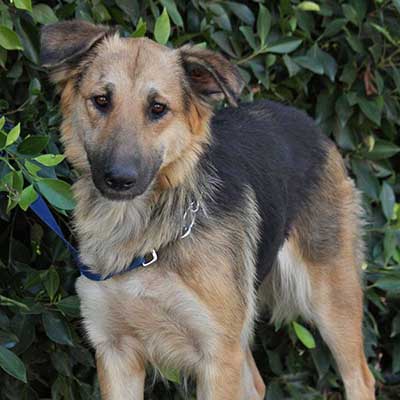
Sheltie Shepherd
The Sheltie Shepherd is a charming hybrid created by crossing the German Shepherd with the Shetland Sheepdog. Both parent breeds are celebrated for their intelligence and friendly demeanor, which makes them equally enthusiastic about both play and work. This breed is an excellent option for families and can also lend a hand in herding tasks when necessary. However, without appropriate training, they may try to herd other pets or even children. The good news is that they are quick to learn and respond positively to training, as long as you maintain consistency and assertiveness with the rules. Their long double coat requires regular grooming, and they benefit from a moderate amount of daily exercise. Overall, they are a sturdy breed, often living for more than 15 years.
Read more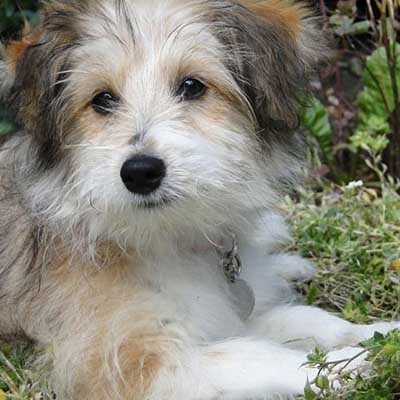
Sheltie Tzu
If you adore small, fluffy dogs, the Sheltie Tzu is likely to win you over. This delightful hybrid, a mix of the Shetland Sheepdog and the Shih Tzu, makes for an affectionate companion. Typically weighing between 15 and 25 pounds and standing around 10 to 16 inches tall, they are excellent family pets, flourishing in environments with children and other animals, including cats. Although they are generally straightforward to train, housebreaking can be a bit tricky and demands consistency and patience. Their coats can easily become matted, so regular grooming is crucial; however, they shed very little and are known for their strong health, often living well into their teenage years.
Read more