Dashalier
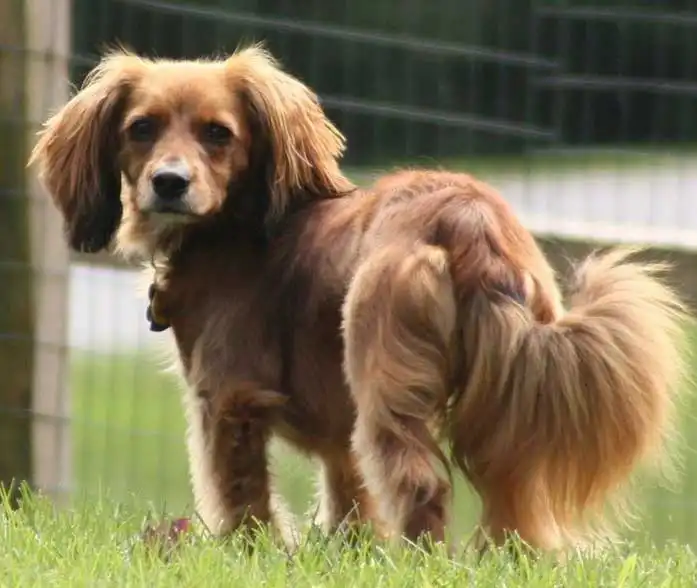
The Dashalier is an engaging and friendly small hybrid, resulting from the combination of the Dachshund and the Cavalier King Charles Spaniel. This delightful breed can showcase three different types of coats, ranging from short and soft to long, wiry, and silky. As a relatively recent hybrid, the Dashalier is thought to have originated in the 21st century, primarily as a companion animal. These dogs are typically easy to train and make excellent companions for families with children and other pets. However, they may not be ideal for those with busy lifestyles or those residing in apartments, as they are susceptible to separation anxiety, which can lead to excessive barking.

Breed Origin
The Dachshund is a small hound breed that traces its origins back to Germany in the 1600s. It was specifically bred to hunt animals such as badgers, rabbits, foxes, and wild boars by driving them out of their dens. Despite their diminutive size, Dachshunds are known for their impressive endurance and are skilled in both tracking and hunting. Initially referred to as the Badger Hound, the breed's name was changed to dissociate it from its German heritage, especially during periods of conflict. Interestingly, the Dachshund is the only breed recognized by the American Kennel Club that is proficient in hunting both above and below ground. On the other hand, the Cavalier King Charles Spaniel is a breed renowned for its grace and aristocratic charm, also emerging in the United Kingdom during the 1600s. This breed became particularly favored among noblewomen, earning it the moniker “ladies’ breed.” One of its most notable owners was Mary, Queen of Scots. Although the Cavalier has a rich history marked by various modifications and enhancements, it was not officially recognized by the American Kennel Club until 1996. Today, Cavaliers are cherished for their gentle temperaments, which can vary from serene to spirited.
Breed Appearance
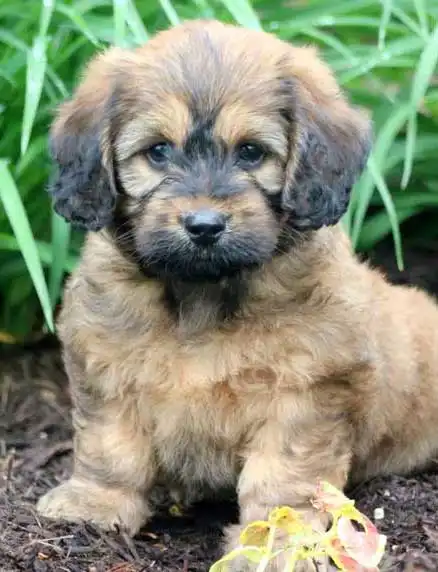
The Dashalier is a small dog breed, typically standing between 13 and 16 inches tall. While they possess a long and slender body, it is not as elongated as that of a Dachshund, yet they still exhibit a similar slim silhouette. Their heads are generally flat and rounded, featuring medium-length muzzles, wide, round eyes, and drooping ears. Often, these ears, along with their legs, are embellished with silky fur. Their tails are usually long and may curve in a sickle shape. Dashaliers can have coats that range from long to medium or short, with a wiry and dense texture. Their color variations include combinations like the Blenheim mix (red and white), cream mixes, and various tricolors.

Care Routine
Dashaliers are dogs that experience moderate shedding, and their grooming requirements can vary depending on their parent breeds. For example, a Dachshund can have a long-haired, wire-haired, or smooth short coat, while the Cavalier King Charles Spaniel usually has silky, medium-length fur. As a result, your Dashalier might inherit any of these coat types. If your Dashalier has a wire-haired or long-haired coat, you will need to brush them regularly with a pin brush and may need to bathe them more often. On the other hand, if your Dashalier has a shorter coat, a slicker brush will be adequate, allowing you to bathe them less frequently. Furthermore, a thorough grooming routine should also include regular teeth brushing, ear cleaning, and nail trimming.
Behavior & Temperament
Training a Dachshund can be quite a challenge due to its determined and assertive personality. On the other hand, the Cavalier King Charles Spaniel is recognized for its eagerness to please, which makes it easier to train. As a result, a Dashalier—a crossbreed of these two dogs—can be moderately trainable if you start early and apply a consistent training method that respects the characteristics of both parent breeds. This hybrid typically flourishes in a family environment, developing strong bonds with children and other pets. However, it is essential to socialize them during their puppy phase to prevent potential behavioral issues in the future. Moreover, teaching children to interact gently with these small dogs is vital, as they are susceptible to injury from rough play. When it comes to unfamiliar faces, Dashaliers may have a tendency to bark frequently upon meeting new people.

Play & Exercise
These hybrid dogs frequently exhibit bursts of energy and moments of increased activity. To effectively manage this energy, it's helpful to provide toys and engage in playtime with other dogs. Being a small breed, the Dashalier doesn't need extensive exercise; instead, two to three short walks each day are adequate, allowing for fresh air and chances to meet neighbors. Furthermore, owners can meet their dog's daily exercise requirements through activities like fetch, trips to safe off-leash parks, and swimming.
Things to Know
Cups Per Day
1.0 Cups
Daily Activity
45 Minutes
Average Lifespan
14 Years
Origin
2000s
Type
Crossbreeds
Size
Small
Origin Country
United Kingdom
Brush Frequency
Weekly
Coat Texture
Straight
Ancestors
Dachshund
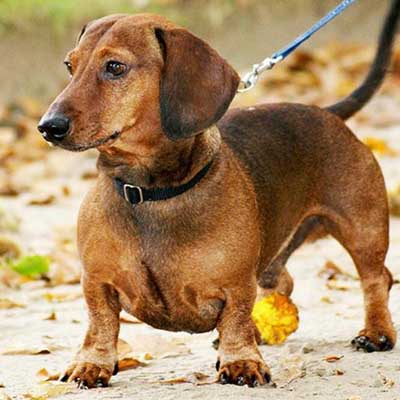
Since the 1950s, Dachshunds have consistently been among the most beloved dog breeds. With their distinctive long bodies and short legs, these dogs are not only charming but also exhibit a spirited and courageous personality. Although they possess intelligence, training can be challenging, especially if the techniques used become repetitive. Their inherent stubbornness often leads them to prefer their own methods. Originally developed in Germany for hunting small game, these characteristics are still apparent in their behavior today, which may manifest as a tendency to chase smaller animals or dig in the yard. Dachshunds are lively both indoors and outdoors, allowing them to adapt well to a variety of living environments.
Read more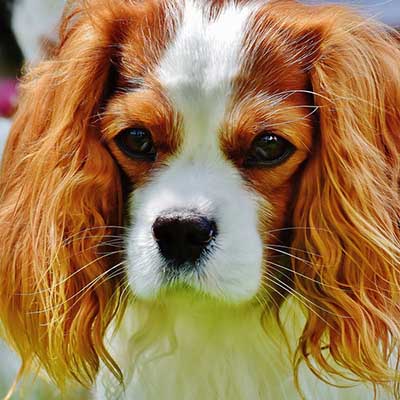
Cavalier King Charles Spaniel
Originating as a separate breed from the King Charles Spaniel in the 1920s, all modern Cavalier King Charles Spaniels can trace their ancestry back to just six dogs that survived World War II. Their lineage extends even further to 17th-century Spaniels, which were crossbred with Pugs to create the sought-after short-nosed look. This toy breed is distinguished by its long, silky, wavy coat, which comes in four unique color patterns: chestnut brown and white (Blenheim), black, white, and tan (Prince Charles), black and tan (King Charles), and solid chestnut (Ruby). Cavaliers can be recognized by their rounded skulls, slightly larger stature, higher ear placement, and elongated muzzles, setting them apart from the King Charles Spaniel. Initially bred for hunting, they have evolved into cherished companions, often dubbed "comforter spaniels" due to their loving nature. Known for their friendly demeanor, Cavaliers form strong bonds with people and get along well with children and other pets, regardless of their size. However, their sociable character means they require regular human interaction and should not be left alone for long periods. While they are eager to please, their intelligence is considered average. Their overly friendly disposition makes them poor guard dogs, and they have a tendency to chase birds, small animals, and vehicles. Regular grooming is necessary to maintain their coat, but trimming should be avoided.
Read moreRegister
Your kids have been begging for a pet forever, and you've recently decided that it's time for your family to get a new addition -- a dog! While everyone is excited for the new arrival, you're wondering if you need to have a dog license. How much does it cost? Is it required? Where do you get one?
Member Clubs

PETINNATE
Other
Height & Weight
Weight
20 lbs (9 kg)Male: 20 lbs (9 kg) , Female: 20 lbs (9 kg)
Height
16 inches (41 sm)Male: 15 inches (38 sm) , Female: 17 inches (43 sm)
Eye Colors
Brown

Nose Colors
Black
Coat Colors
Red

White

Black

Brown

Cream