Greater Welsh Corswiss
The Greater Welsh Corswiss is an intriguing hybrid breed that emerges from the combination of the impressive Greater Swiss Mountain Dog and the compact Welsh Corgi. The Greater Swiss Mountain Dog typically weighs between 85 and 140 pounds and is recognized for its affectionate and energetic demeanor towards its owners. On the other hand, the smaller Welsh Corgi contributes a friendly temperament to the mix, resulting in notable size differences among the hybrid puppies. These dogs tend to be good companions for children, highlighting the importance of early socialization during their formative months. To address their occasionally stubborn tendencies, it is crucial to provide consistent leadership. Furthermore, this lively and alert breed is quick to notify you of any unfamiliar visitors.
Breed Origin
An exploration of the parent breeds reveals that the Greater Swiss Mountain Dog boasts a lineage that stretches back around 2,000 years, positioning it among Switzerland's most ancient dog breeds. The dominant theory posits that these dogs are descendants of Mastiff-like breeds, which were brought to the Alps by Roman soldiers for various roles, including herding, guarding, and serving as draft animals. Once a beloved farm companion in Switzerland, the breed's popularity declined with the advent of machinery in agriculture. In 1990, the Swiss Kennel Club formally acknowledged the breed as the Greater Swiss Mountain Dog in its stud book. Nowadays, these dogs thrive in roles such as guarding and tracking, demonstrating their exceptional abilities as watchdogs. On the other hand, the Pembroke Welsh Corgi traces its origins to Wales in the 1100s, where it was initially bred to herd sheep by nipping at their legs to direct them. This breed also took on the roles of watchdogs and guard dogs. Although there is some discussion about its ancestry, many experts agree that the Pembroke Welsh Corgi descends from spitz-type breeds introduced to Britain by the Vikings. It is thought to be a blend of Keeshond, Schipperke, Pomeranian, Samoyed, Chow Chow, Norwegian Elkhound, and Finnish Spitz, which were brought in as working dogs by Flemish weavers. The name "Corgi" translates to "dwarf dog," aptly describing the breed's small stature, which today is primarily that of a companion animal. The American Kennel Club officially recognized the Pembroke Welsh Corgi in 1934.
Breed Appearance
The size of Greater Welsh Corswiss puppies can vary widely, largely due to the differing sizes of their parent breeds. Each parent dog has a unique and appealing appearance. Typically, this hybrid has a sturdy physique, which may feature a broad, flat head similar to that of the Greater Swiss Mountain Dog or a narrower head with a longer muzzle like the Cardigan Welsh Corgi. Some puppies may have a solid body that is longer than it is tall and sits low to the ground, while others might inherit longer legs and a more athletic build. The specific characteristics of each puppy will depend on which genetic traits are more dominant. Their eyes are usually medium-sized and can be found in shades ranging from chestnut to hazel or dark brown, often bordered by black rims. Both parent breeds have thick fur, and the puppies can come in a variety of colors, including combinations of tan and black, as well as fawn or red.
Care Routine
Your Greater Welsh Corswiss is expected to shed a considerable amount of fur throughout the year. To keep this under control, a weekly brushing with a pin brush or slicker brush is usually adequate. However, during shedding season, it’s advisable to brush daily to avoid the fur becoming matted. A comb can also be beneficial, as this breed tends to lose nearly all of its coat twice a year. These dogs prefer cooler to cold climates, and the summer heat can be quite challenging for a hybrid with a thick coat, so it’s crucial to monitor them and ensure they have ample water. Regular grooming during warmer months will help minimize excess shedding. Bathing should be reserved for instances when your dog gets into something unpleasant. Additionally, brushing their teeth several times a week is vital for maintaining good dental health. While an active dog may naturally wear down their nails, it’s prudent to check them every couple of months, as overly long nails can lead to breakage.
Behavior & Temperament
The Greater Welsh Corswiss inherit their temperament from their ancestry, making them naturally observant and gentle with their human companions. They have a strong protective instinct, alerting their families to unfamiliar faces and guarding them against potential dangers. While this breed often exudes confidence, they can also be quite independent, favoring their own decisions over strict obedience to commands. Therefore, establishing strong leadership and consistency in training is vital. Their distinctive, loud bark acts as an effective alarm system, alerting homeowners to any concerns. Although they may be cautious around strangers, early socialization with children during their puppyhood can lead to positive interactions as they grow. Overall, these dogs thrive on companionship and enjoy being near people, often seeking quality time with their families. To maintain their physical and emotional well-being, regular mental and physical stimulation is essential. Thankfully, this intelligent breed is typically easy to train.
Play & Exercise
The activity requirements of the Greater Welsh Corswiss can be deduced from its parent breeds. Both of these breeds were initially developed for work, indicating that this hybrid will flourish in a securely enclosed yard where it can partake in physical activities, especially during cooler to moderate weather. It needs around 60 minutes of exercise daily. With its energetic and athletic disposition, the Greater Welsh Corswiss thrives on being active and having tasks to accomplish. Regular physical activity is crucial not only for maintaining a healthy weight but also for ensuring the dog remains mentally engaged. Due to its independent and occasionally strong-willed character, enrolling in obedience classes or engaging in agility or flyball can be beneficial training strategies, while also strengthening the bond with its family.
Things to Know
Cups Per Day
3.0 Cups
Daily Activity
60 Minutes
Average Lifespan
0 Years
Origin
2000
Type
Crossbreeds
Size
Large
Origin Country
Unknown
Brush Frequency
Daily
Coat Texture
Wavy
Ancestors

Greater Swiss Mountain Dog
The Greater Swiss Mountain Dog, commonly known as the Swissy, is a gentle and affectionate breed that delights in making its owners happy. Although they are intelligent and can sometimes be a bit headstrong, their steadfast loyalty more than makes up for these tendencies. Generally, they are calm around children, other animals, and friendly guests, but they also make excellent watchdogs thanks to their sharp awareness. Originating from Switzerland, this breed has a rich history that dates back nearly 2,000 years, making it one of the oldest dog breeds in the country. Originally developed for herding, guarding, and draft work, the Greater Swiss Mountain Dog has transformed into a versatile companion, thriving in various activities such as competitive obedience, carting, tracking, and protection.
Read more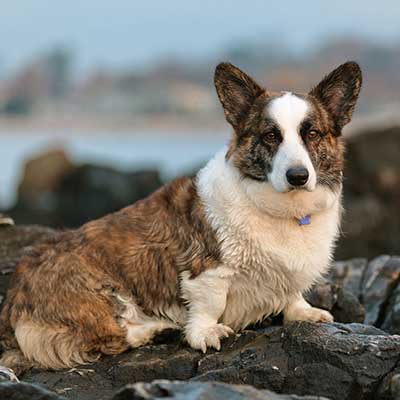
Cardigan Welsh Corgi
These delightful dogs are full of vitality and smarts, always ready to share their love. The Cardigan Welsh Corgi is related to the Dachshund, which likely explains their unique combination of long and short body features. Originally, they had floppy ears, but through selective breeding, they now typically have the upright ears that define the breed. While their initial purpose was to herd cattle, they have also become wonderful companions. With a vibrant personality packed into a compact size, the Cardigan is a playful and engaging pet. He thrives on interaction with his family and radiates happiness, making him a fantastic choice for homes with children. Originating from Wales, the Cardigan Welsh Corgi is endearingly known as the “yard-long dog” and was historically used for herding cattle, safeguarding farms, and controlling pests. Although he may occasionally exhibit herding behaviors, the Cardigan is now primarily recognized in dog shows and cherished as a family pet.
Read moreRegister
Your kids have been begging for a pet forever, and you've recently decided that it's time for your family to get a new addition -- a dog! While everyone is excited for the new arrival, you're wondering if you need to have a dog license. How much does it cost? Is it required? Where do you get one?
Member Clubs
PETINNATE
Other
Height & Weight
Weight
65 lbs (29 kg)Male: 65 lbs (29 kg) , Female: 65 lbs (29 kg)
Height
20 inches (51 sm)Male: 20 inches (51 sm) , Female: 20 inches (51 sm)
Eye Colors
Hazel
Brown
Nose Colors
Black
Coat Colors
Brown
Fawn
Red
Black