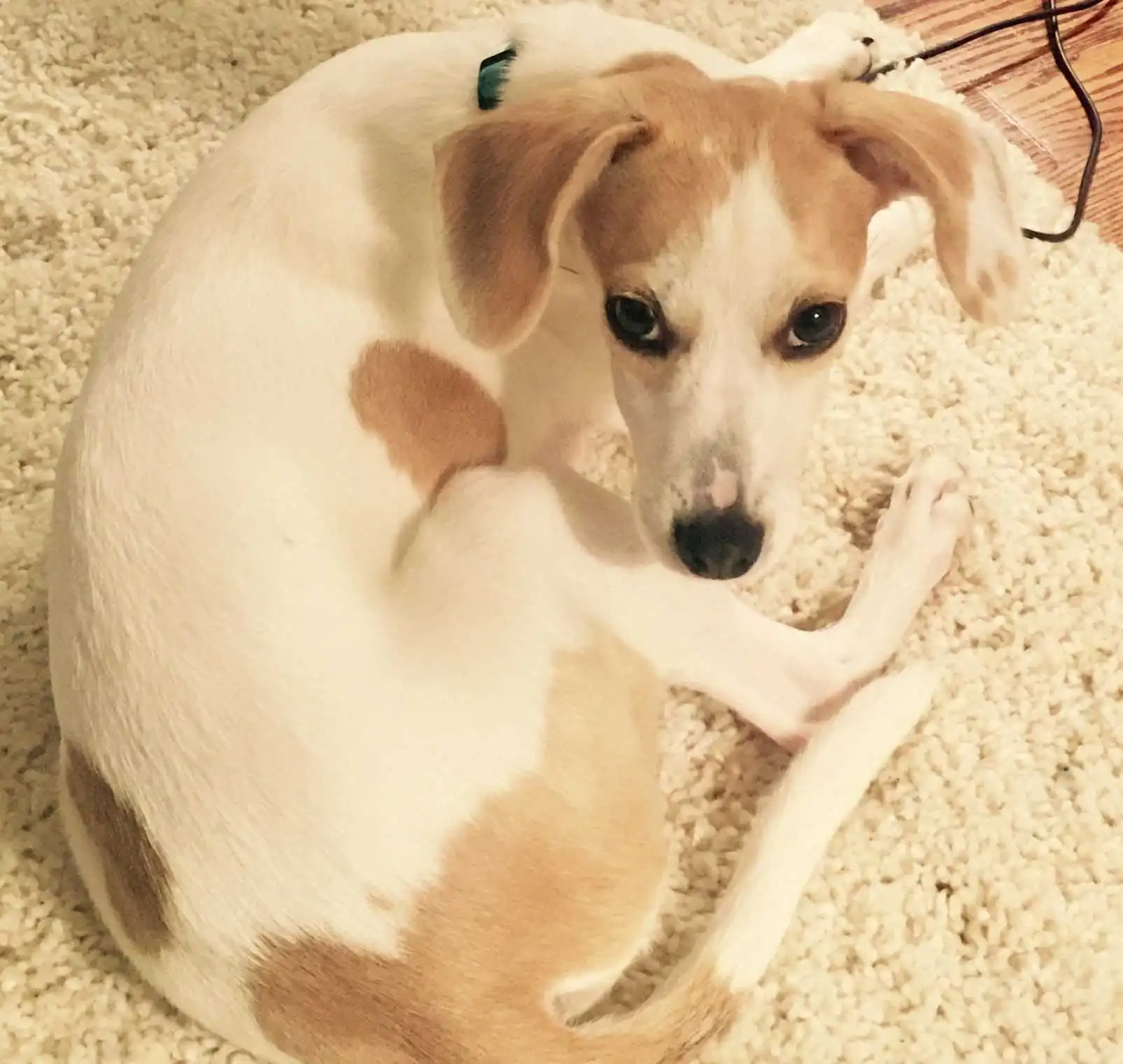
Italian Greagle
The Italian Greagle is a mixed breed that emerges from the crossbreeding of an Italian Greyhound and a Beagle. Although the exact history of this small dog is somewhat ambiguous, it is widely believed that the initial Italian Greagles were developed by Kelly and Angela Easley in their residence in Great Falls, Montana. These dogs are known for their strong prey drive, a characteristic inherited from both parent breeds. They possess the sharp vision typical of the Italian Greyhound, along with the remarkable scent detection skills of the Beagle. This powerful combination necessitates keeping the Italian Greagle on a leash unless in a secure area, as they are prone to chasing moving objects or following enticing scents. Renowned for their loving disposition, these dogs create deep connections with their owners and display a high level of intelligence. Generally categorized as medium-sized, Italian Greagles typically stand between 13 to 15 inches tall at the shoulder and weigh around 20 to 40 pounds.

Breed Origin
The Italian Greagle is a remarkable crossbreed that combines the best characteristics of the Italian Greyhound and the Beagle. The Italian Greyhound itself is an ancient breed, with origins that can be traced back to the Middle Ages in Italy. This elegant dog has been celebrated in art throughout Greece, Turkey, and various Mediterranean areas. By the 1600s, it had become highly popular in England, cherished as a companion among the aristocracy. However, the breed faced a significant decline during World War II, nearly disappearing across much of Europe. Fortunately, the Italian Greyhound had already made its way to the United States in the 1890s, where its early descendants flourished, paving the way for the breed's resurgence in Europe. The American Kennel Club recognized the Italian Greyhound in 1886, classifying it within the Toy Group. Despite its impressive speed, this breed is not typically used in lure coursing. The Beagle's history dates back to the 5th century B.C., when these small dogs were utilized for hunting hares and also served as companions. In the 11th century, early Beagle ancestors were brought to England, where their compact size allowed them to fit into a person's coat pocket. These courageous dogs were favored by hunters for their ability to navigate thick underbrush. Queen Elizabeth I had a special affection for Beagles, endearingly calling them her "Singing Beagles." In the 1830s, Reverend Phillip Honeywood of Essex began breeding larger Beagles that closely resemble the modern breed. The Beagle made its way to the United States in the 1840s, quickly becoming a popular family pet. In 1885, the American Kennel Club officially recognized the Beagle as part of the Hound Group.
Breed Appearance
The Italian Greagle boasts a robust, square-shaped face that brings to mind the Beagle, paired with floppy ears and a sleek, athletic build reminiscent of the Italian Greyhound. This breed radiates elegance in its overall look. The coat may vary, being either short and slightly coarse or smooth and silky. Its long, whip-like tail enhances its graceful presence. With an alert expression and sharp dark eyes, the Italian Greagle stays vigilant, constantly aware of its environment. Its feet are dainty and cat-like, and it moves with a lively, prancing gait that highlights its spirited nature.

Care Routine
The coat of the Italian Greagle is notably low-maintenance, needing very little grooming. Generally, a monthly bath suffices to eliminate any unwanted smells. Some owners opt to brush their dog's teeth to address bad breath and reduce the risk of gum disease. Additionally, it's crucial to clean the dog's floppy ears on a weekly basis to remove any debris, as their length can trap moisture and dirt, which may lead to irritation. If the dog receives adequate exercise, his nails typically wear down naturally. However, if they don’t remain short on their own, you might need to trim them once a month to keep them at a suitable length.
Behavior & Temperament
The Italian Greagle is celebrated for its profound loyalty and affectionate demeanor. This gentle breed forms a strong connection with its owner and has a special fondness for children, making it an ideal playmate thanks to its playful and gentle disposition. Although it isn't overly talkative, the Italian Greagle will notify you of unusual noises or the presence of strangers. While some might view it as a bit aloof at times, this independence actually makes it an excellent companion for individuals who spend time away from home, as it doesn't demand constant attention.


Play & Exercise
The Italian Greagle needs at least thirty minutes of daily walking to stay healthy and happy. This breed is built for speed and represents a true athletic mix. Ideally, they should have access to a secure, fenced yard where they can run and play freely. Many owners enjoy taking their dogs to dog parks, where they can socialize and romp with other canines. The Italian Greagle also loves playing fetch and, like its parent breeds, has a strong instinct to chase anything that moves. After a day filled with exercise, he usually enjoys snuggling up next to his owner in the evenings. Overall, living in an apartment is generally not the best fit for the Italian Greagle.
Things to Know
Cups Per Day
2.0 Cups
Daily Activity
30 Minutes
Average Lifespan
14 Years
Origin
2000s
Type
Crossbreeds
Size
Medium
Origin Country
United States
Brush Frequency
Weekly
Coat Texture
Straight
Ancestors
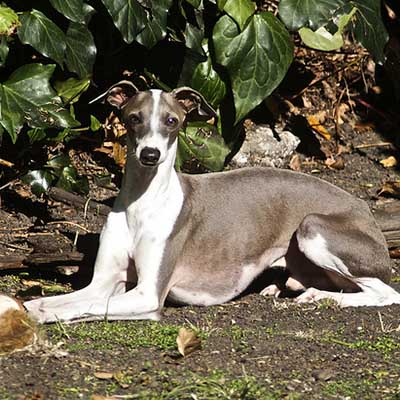
Italian Greyhound
The Italian Greyhound is recognized as the smallest of the sighthound breeds, often referred to as "miniature" due to its petite size. Historical artwork from ancient Egypt depicts dogs that closely resemble this breed. Renowned for their affectionate and lively disposition, Italian Greyhounds were originally bred for hunting purposes but have evolved into cherished companions that enjoy lounging on laps. It is crucial to keep them indoors or in a securely fenced space, as they have a propensity to chase after cars, bicycles, and even pedestrians. Although they are quite intelligent, they can pose challenges during house training. To flourish, they need plenty of love and attention. Furthermore, they may be sensitive to certain insecticides and anesthetics, yet they are generally regarded as healthy dogs overall.
Read more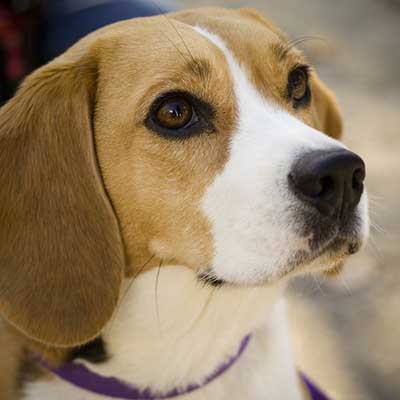
Beagle
The Beagle is frequently seen as one of the most laid-back and cheerful dog breeds. With a lively and amusing demeanor, this breed spreads happiness to those around it. Originating in England in the early 1800s, Beagles were originally developed for tracking and hunting rabbits. They flourish when allowed to explore their environment, utilizing their exceptional sense of smell, which can sometimes lead them into playful trouble. As scent hounds, Beagles have ancestry that includes the Talbot Hound, North Country Beagle, and Southern Hound. Their compact and muscular build makes them an ideal companion. Beagles are easily identifiable by their droopy ears and endearing expressions. Their short, smooth coats require little maintenance; a simple weekly brushing with a rubber curry brush is enough to keep them looking their finest.
Read moreRegister
Your kids have been begging for a pet forever, and you've recently decided that it's time for your family to get a new addition -- a dog! While everyone is excited for the new arrival, you're wondering if you need to have a dog license. How much does it cost? Is it required? Where do you get one?
Member Clubs

PETINNATE
Other
Height & Weight
Weight
28 lbs (13 kg)Male: 30 lbs (14 kg) , Female: 25 lbs (11 kg)
Height
14 inches (36 sm)Male: 14 inches (36 sm) , Female: 14 inches (36 sm)
6 Months
11 lbs ( m 11 lbs, f 11 lbs )
8 inches ( m 8 inches, f 8 inches )
12 Months
25 lbs ( m 25 lbs, f 25 lbs )
13 inches ( m 13 inches, f 13 inches )
18 Months
25 lbs ( m 25 lbs, f 25 lbs )
13 inches ( m 13 inches, f 13 inches )
Eye Colors
Brown

Nose Colors
Black
Coat Colors
White

Brindle

Gray

Brown