
Lhasanese
The Lhasanese is a hybrid breed that blends characteristics of both the Lhasa Apso and the Pekingese. This small dog usually boasts the Lhasa Apso's long, luxurious coat, which often necessitates regular grooming. Renowned for their loving disposition, Lhasanese dogs are loyal companions who bond closely with their families and are especially gentle and patient with children. Although they may initially be wary of strangers, they quickly warm up to individuals they sense are friendly. This breed is not overly active; they relish relaxing in your lap just as much as they enjoy a short walk by your side.

Breed Origin
The Lhasanese is a relatively new breed, and consequently, there is not much detailed information available about this particular hybrid. To better understand the origins of the Lhasanese, we can look into the histories of its parent breeds. The Lhasa Apso originates from Tibet, where it was bred for centuries specifically for the nobility and monks living in monasteries. Initially, this breed was used as a guard dog and was seen as a symbol of good fortune, but it was a privilege reserved for the elite. Only the Dalai Lama had the authority to gift this fortunate dog, which contributed to the breed's eventual spread beyond Tibet. In 1933, the Lhasa Apso was introduced to the United States when naturalist Suydam Cutting brought two of these dogs to his home in New Jersey and began breeding them. Conversely, the Pekingese, often known as the Lion Dog of China, has an intriguing legend about its origin, which involves various animals falling in love and receiving blessings from Buddha. This breed is thought to be around 2,000 years old and was originally owned solely by the nobility until it became a war trophy for Britain. Queen Victoria received a Pekingese, which she named Looty. By 1906, the Pekingese had made its way to the United States and has since become one of the most cherished dog breeds.
Breed Appearance
The Lhasanese shares a striking resemblance with its Lhasa Apso parent, although the specific features can differ depending on which breed's traits are more pronounced. Generally, this small dog is known for its long, luxurious, and silky coat. In adulthood, it typically weighs around twenty-five pounds and stands about eleven inches tall at the shoulder. The Lhasanese can exhibit a variety of colors, often reflecting the shades found in its Lhasa Apso heritage, including hues such as honey, black, white, slate, or various combinations. Additionally, it may inherit a golden coat from its Pekingese lineage. This breed is distinguished by its slender build and a long tail that elegantly curls over its back.


Care Routine
The Lhasanese demands a grooming routine akin to that of its Lhasa Apso ancestors. To maintain a healthy coat and prevent tangles, regular brushing—ideally on a daily basis—is crucial. Some pet owners choose to trim their Lhasanese's fur to make grooming easier. Nail care is also important; aim to trim your dog's nails every two weeks, using the sound of clicking against the floor as a helpful indicator. To address bad breath, it's advisable to brush your dog's teeth two to three times a week, though daily brushing is the best practice for preventing tooth decay. Keep in mind that smaller breeds are especially prone to dental problems.
Behavior & Temperament
The Lhasanese is a loving and devoted breed, recognized for its strong loyalty to every family member, including children. This dog is especially tolerant with young ones, but it’s beneficial to socialize him with other dogs early on to teach him appropriate behaviors. While he may show some protective tendencies and can be wary of strangers, he is not particularly energetic. Rather than engaging in intense play, he enjoys curling up beside you on the couch. Although he typically doesn’t suffer from separation anxiety, he takes pleasure in accompanying you from room to room throughout your daily activities.


Play & Exercise
The Lhasanese is a breed that flourishes with minimal physical activity. While he enjoys accompanying you on a short walk or a trip to the dog park, he is just as content to curl up in your lap. This dog adapts well to both apartment living and homes with secure yards. However, it’s crucial to be aware that if he inherits the flat facial structure from his Pekingese lineage, he may be susceptible to brachycephalic syndrome. This condition necessitates that the dog avoids strenuous exercise and overheating. Ensuring he has access to plenty of fresh water is vital for brachycephalic breeds. If the Lhasanese becomes too hot or overly stimulated, he may experience breathing difficulties. Consequently, he is best suited for short, energetic play sessions.
Things to Know
Cups Per Day
1.0 Cups
Daily Activity
30 Minutes
Average Lifespan
13 Years
Origin
Unknown
Type
Crossbreeds
Size
Small
Origin Country
United States
Brush Frequency
Daily
Coat Texture
Straight
Ancestors
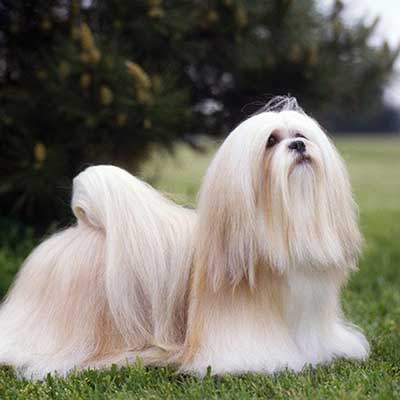
Lhasa Apso
These small but impressive dogs were initially bred to act as guardians in the temples and monasteries located in the Tibetan mountains thousands of years ago. Their popularity in the United States, however, only began in 1933 when the Dalai Lama presented several of these dogs to Mr. and Mrs. Suydam Cutting from New Jersey. Renowned for their joyful nature, these dogs are often playful and even a bit goofy at home, although they tend to be more reserved with unfamiliar faces and may display protective behaviors over their food and toys. Their beautiful, flowing coats require considerable maintenance, necessitating daily brushing and combing, even if kept relatively short.
Read more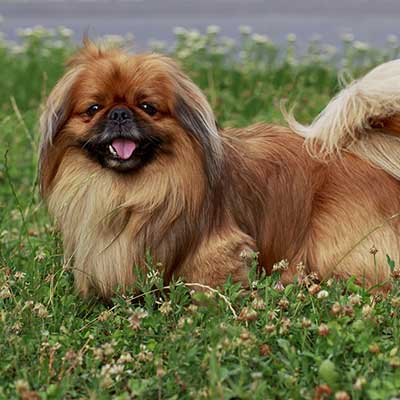
Pekingese
The Pekingese has a rich and esteemed history, having been celebrated as emblems of aristocracy in China. The breed's earliest records trace back to the 8th century during the T’ang Dynasty. Specifically bred to be companions, their name is derived from Peking, the former name of Beijing. These small, toy-sized dogs are known for their distinctive flat faces, lion-like manes, droopy ears, and a confident demeanor. According to Chinese mythology, the Pekingese is believed to be the offspring of a lion that fell in love with a marmoset. They come in a range of colors, including black, cream, fawn, gray, red, sable, and white.
Read moreRegister
Your kids have been begging for a pet forever, and you've recently decided that it's time for your family to get a new addition -- a dog! While everyone is excited for the new arrival, you're wondering if you need to have a dog license. How much does it cost? Is it required? Where do you get one?
Member Clubs

PETINNATE
Other
Height & Weight
Weight
20 lbs (9 kg)Male: 23 lbs (10 kg) , Female: 18 lbs (8 kg)
Height
15 inches (38 sm)Male: 16 inches (41 sm) , Female: 15 inches (38 sm)
6 Months

11 lbs ( m 11 lbs, f 11 lbs )
11 inches ( m 11 inches, f 11 inches )
12 Months
15 lbs ( m 15 lbs, f 15 lbs )
13 inches ( m 13 inches, f 13 inches )
18 Months
19 lbs ( m 19 lbs, f 19 lbs )
15 inches ( m 15 inches, f 15 inches )
Eye Colors
Hazel

Nose Colors
Black