Patterjack
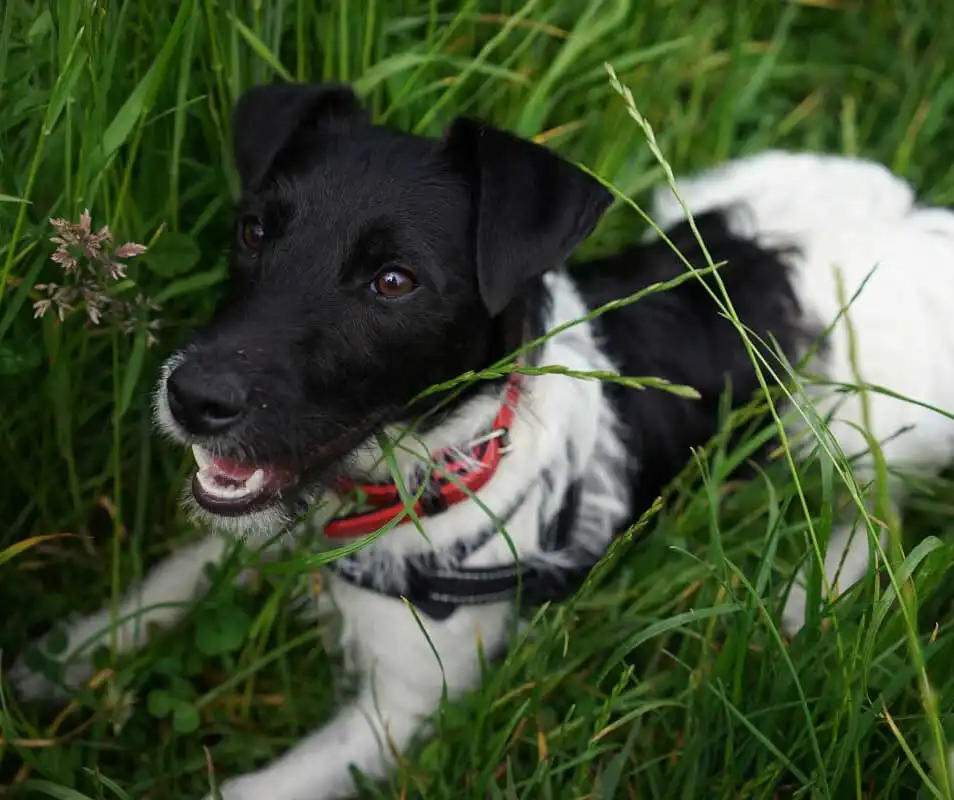
The Patterjack is a mixed breed resulting from the crossbreeding of a Patterdale Terrier and a Jack Russell Terrier. Puppies from the same litter can exhibit considerable variation in appearance and temperament, yet they commonly possess a sturdy physique and an energetic nature. With roots in a working background, these dogs need consistent physical activity and mental stimulation to prevent the emergence of negative behaviors. Standing at a height of up to 14 inches, this resilient breed can pose challenges for inexperienced owners. It is vital to establish clear leadership, as they flourish under the direction of a confident owner whom they can respect. Without proper training or established boundaries, they may display stubbornness or even aggression. However, when managed effectively, Patterjacks are loving, loyal, and protective companions. They typically interact well with children, assuming they have been properly socialized, but it is always important to supervise any interactions between young children and dogs.
Breed Origin
To grasp the heritage that our Patterjack Terrier will inherit, it is essential to explore its parent breeds. The Jack Russell Terrier has its origins in southern England, where Parson John Russell established the breed in the mid-1800s, which is how it got its name. The primary goal of this breeding endeavor was to develop a terrier that could hunt alongside hounds and, more importantly, chase foxes into their dens, encouraging them to flee for the hounds to pursue. This energetic little dog quickly became a favorite among hunters, especially those on horseback, due to its lively and spirited character. By the 1930s, the Jack Russell Terrier had gained considerable popularity in the United States. In 2000, the American Kennel Club officially recognized the breed, rebranding it as the Parson Russell Terrier to distinguish it from the Jack Russell Terrier Club of America. Renowned for its tenacious personality and diligent nature, the Jack Russell remains a cherished breed today. Conversely, the Patterdale Terrier is a dynamic breed that descends from the Fell Terrier. Its roots extend back several centuries to Northern England, where these dogs were utilized for hunting and managing fox populations, as well as for eradicating vermin in homes and stables. While much of their history is somewhat obscure, they are well-regarded for their fearless nature and strong work ethic. These hardy terriers would give their all for hunters in the Lake District, often chasing game like foxes into their dens, either to flush them out or confront them directly. They were also employed in badger hunting to help regulate their populations. Today, the Patterdale Terrier continues to function as a hunting and working dog, particularly on farms, just as it has for centuries. The breed received official recognition in the United Kingdom in 1995 as both a working dog and a companion. This spirited little dog has also made its way to the United States, where it hunts raccoons, foxes, and groundhogs. Additionally, the Patterdale Terrier excels in various canine sports, including agility and racing.
Breed Appearance
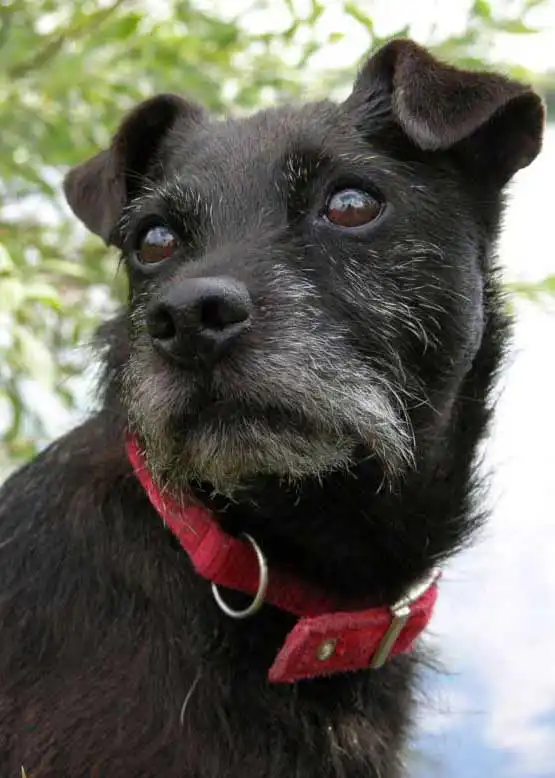
The Patterjack is a striking dog, both compact and sturdy, typically reaching a height of about 14 inches. It boasts a short, dense coat and maintains an alert stance and expression. The head is slightly rounded, taking on a wedge-like appearance, with ears positioned high and nearly touching the eyes. Its dark or amber eyes are sharp and observant, while the elongated muzzle contains teeth that meet in a scissors bite. The nose is usually black, although it may appear brown in dogs with a liver coloration. With a solid build supported by short, powerful legs, a tail held high, and a deep chest, this breed presents a more imposing presence than one might anticipate given its size. The coat can be a solid color or a combination of two shades or patches. Its watchful nature and lively spirit truly embody the characteristics of the Terrier lineage.

Care Routine
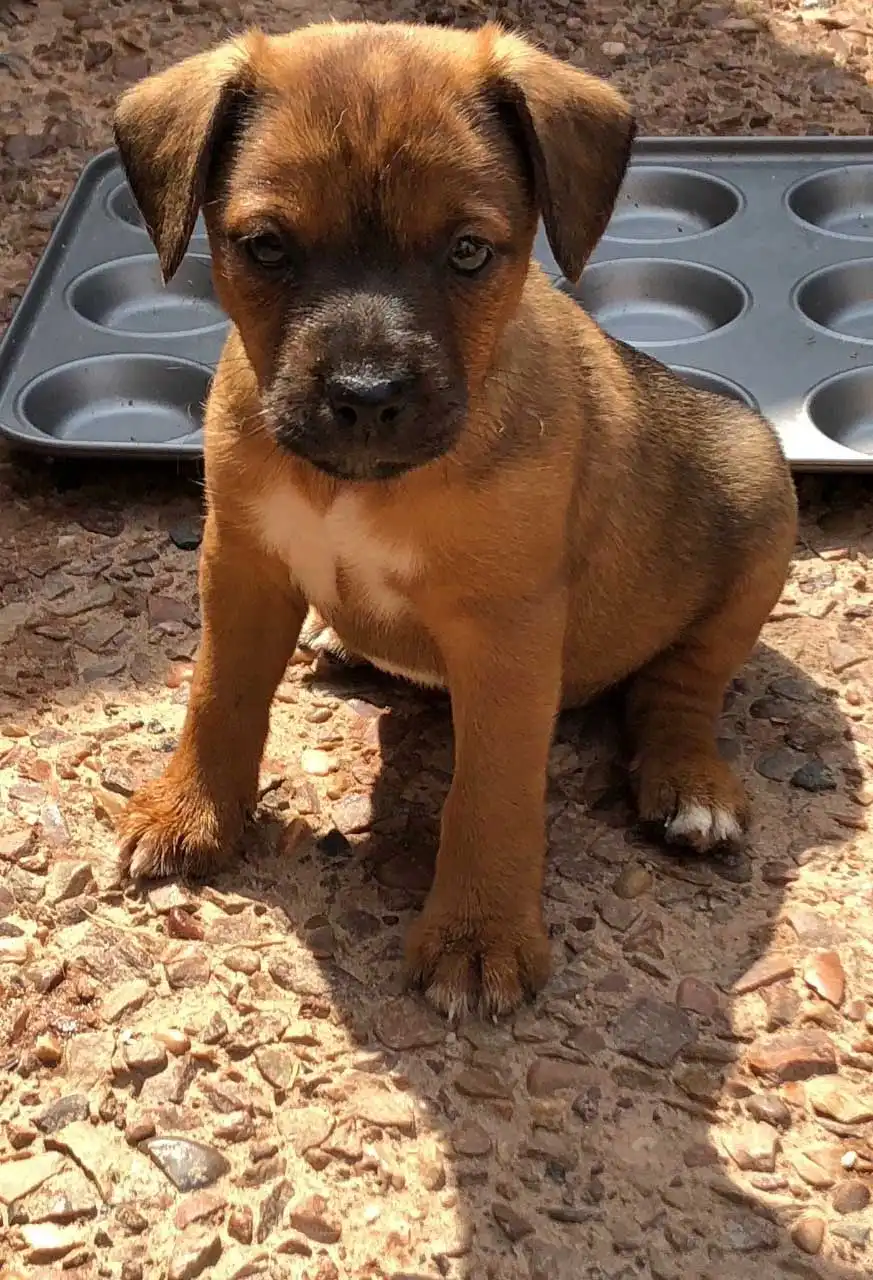
The Patterjack is relatively easy to care for. Their dense, short fur requires brushing every few days to maintain a polished appearance, along with occasional combing to eliminate loose hair. Given their energetic disposition and tendency to dig, these dogs might need more frequent baths compared to other companion breeds. However, it's crucial to avoid overbathing, as this can strip away the natural oils in their coat, reducing its ability to withstand the elements. During grooming sessions, take the time to check for any cuts or sores on their body and treat them as needed. Also, inspect their paws for any injuries and trim their nails when necessary. Their ears can accumulate dirt and oil, so it's wise to gently clean the inner ear with a soft, damp cloth, ensuring it is thoroughly dried afterward. To keep their breath fresh, aim to brush your dog's teeth at least twice a week.
Behavior & Temperament
The Patterjack dog is best described as a vigorous and spirited breed, full of vitality and an unquenchable thirst for activity. This breed is not ideal for confined living situations; they flourish in homes with generous outdoor space or, preferably, in rural environments. With a pronounced hunting instinct, they tend to chase after small, fast-moving animals, including cats. While growing up with a cat may mitigate this behavior, it doesn’t ensure they won’t pursue the neighbor’s pet. True to their terrier lineage, Patterjacks exhibit a strong sense of confidence and are often undaunted by larger dogs. To curb their natural inclination to chase, it’s wise to keep them leashed during walks. These dogs require a firm and assertive leader; a lenient approach can lead to behavioral challenges. They thrive on stimulation and need engaging tasks to keep them occupied, whether it’s agility training, farm duties, or long walks in the countryside to burn off their energy. As family companions, they typically bond well with children, especially if raised together. However, it’s crucial to teach kids to interact with the dog respectfully—actions like pulling tails, tugging ears, or disturbing their food can test the dog’s tolerance. In summary, the Patterjack is a quintessential working dog—devoted, loving, and visually striking—requiring a confident and steady owner to help them realize their full potential.
Play & Exercise
The Patterjack is an energetic breed with a rich history of working. To ensure their well-being, they need at least one long walk daily, though two would be even more beneficial. It's crucial to challenge their minds; activities like agility training or problem-solving games can effectively stimulate their intelligence. Training these dogs can be quite demanding, as they often display a mix of confidence and stubbornness. They are not the best choice for first-time owners, as they can become dominant and potentially aggressive if not properly guided. Patterjacks flourish in active homes, preferring to participate in activities rather than just relax. Given their high energy and tendency to be vocal, they are not ideally suited for apartment living. They adapt well to different climates and particularly thrive in rural settings where they can remain engaged.
Things to Know
Cups Per Day
2.0 Cups
Daily Activity
120 Minutes
Average Lifespan
11 Years
Origin
Unknown
Type
Crossbreeds
Size
Small
Origin Country
United States
Brush Frequency
Weekly
Coat Texture
Straight
Ancestors
Patterdale Terrier
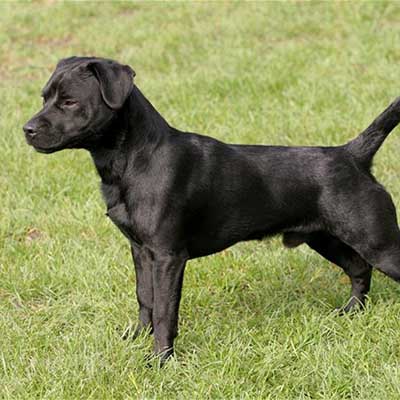
The Patterdale Terrier is characterized by its compact and robust build, typically featuring a short, smooth, or rough coat that is predominantly black—appearing in about 95% of cases—though variations in red, brown, and black and tan are also present. Staying true to their terrier lineage, these dogs exhibit a lively temperament, a dynamic personality, and are known for their resilience and dependability. Beneath their tough exterior lies a friendly, protective, and affectionate disposition. Despite their charming and cuddly looks, Patterdale Terriers are full of energy! Bred originally for hunting small game such as rats, foxes, and rabbits, they are quick and curious, thriving in outdoor settings where they can explore and express their playful nature. As a result, they are not ideal for apartment living; they thrive best in homes with secure yards or, preferably, in rural areas. These dogs typically get along well with children, although they may compete for attention. Given their strong hunting instincts, it’s wise to keep them away from smaller pets in the home. Small yet sturdy and exceptionally friendly, the Patterdale Terrier is fundamentally a working dog, making them a perfect companion for those with an active lifestyle who can keep up with their energetic nature.
Read more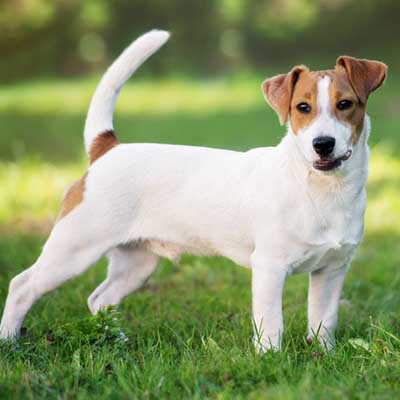
Jack Russell Terrier
The Jack Russell Terrier is a breed that has gained fame through popular television series like Frasier and Wishbone. Many fans have fallen in love with the quirky and endearing personalities of characters like Eddie from Frasier and Wishbone. However, the reality of owning a Jack Russell Terrier is quite different from what is depicted on screen. The dogs featured in these shows are supported by professional trainers and are given specific tasks to perform. In contrast, a real Jack Russell Terrier thrives on interaction and will actively seek out ways to entertain itself if its owner is busy. This breed is known for its high energy levels, relishing activities such as running, digging, and engaging in playful mischief. With the right training and an appropriate outlet for their considerable energy, they can make wonderful and loving companions.
Read moreRegister
Your kids have been begging for a pet forever, and you've recently decided that it's time for your family to get a new addition -- a dog! While everyone is excited for the new arrival, you're wondering if you need to have a dog license. How much does it cost? Is it required? Where do you get one?
Member Clubs

PETINNATE
Other
Height & Weight
Weight
14 lbs (6 kg)Male: 14 lbs (6 kg) , Female: 13 lbs (6 kg)
Height
12 inches (30 sm)Male: 13 inches (33 sm) , Female: 11 inches (28 sm)
6 Months
3 lbs ( m 3 lbs, f 3 lbs )
4 inches ( m 4 inches, f 4 inches )
12 Months
7 lbs ( m 7 lbs, f 7 lbs )
8 inches ( m 8 inches, f 8 inches )
18 Months
13 lbs ( m 13 lbs, f 13 lbs )
11 inches ( m 11 inches, f 11 inches )
Eye Colors
Brown

Amber
Nose Colors
Black
Isabella
Coat Colors
Black
Brown

Red

Sable

Brindle

White