Ratshire Terrier
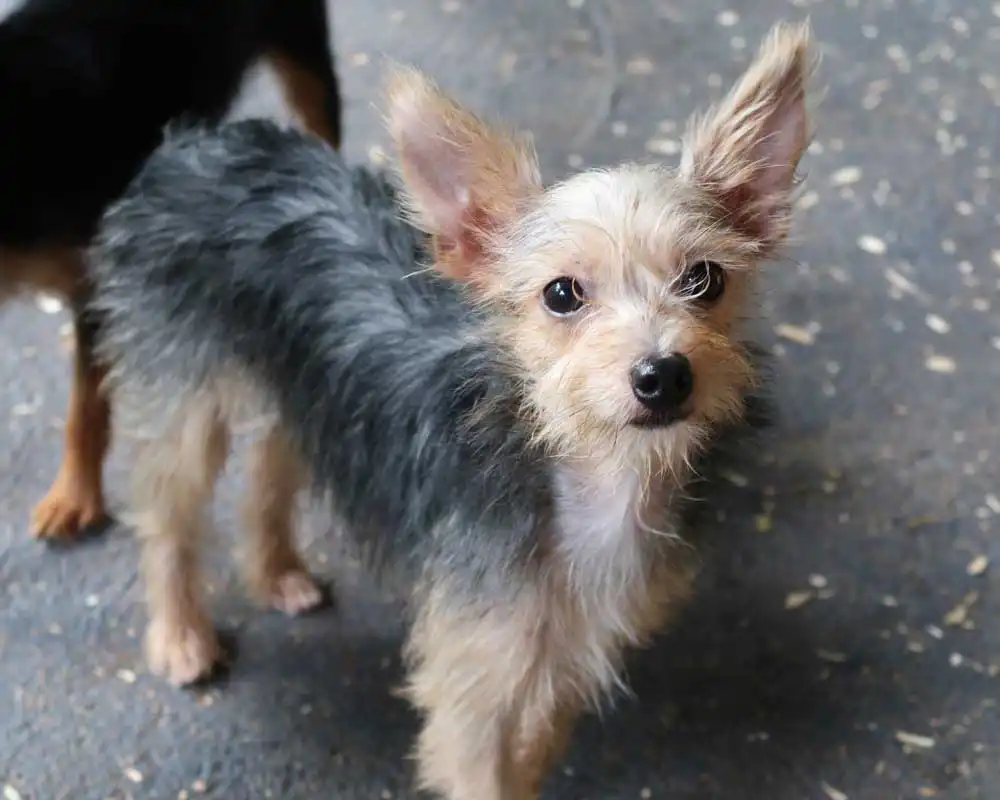
The Ratshire Terrier is a mixed breed that emerges from the combination of the American Rat Terrier and the Yorkshire Terrier. These small dogs usually weigh between 10 and 20 pounds when fully grown and reach a height of about 8 to 12 inches. They feature a thick coat of medium to long straight hair, which necessitates regular grooming to maintain its health and appearance. Renowned for their lively nature and robust health, Ratshire Terriers typically live for around 12 to 16 years and need plenty of exercise to manage their high energy levels. While they can make excellent pets, they often do best in homes without very young children. Training these dogs is usually quite manageable, although they may occasionally require some extra encouragement.

Breed Origin
Although the Ratshire Terrier hybrid has been around for a while, it doesn't have a well-defined history of its own, which prompts an exploration of its parent breeds: the Rat Terrier and the Yorkshire Terrier. The Rat Terrier, an American breed, emerged from a blend of Toy Fox Terriers, Bull Terriers, Manchester Terriers, English White Terriers, Whippets, Greyhounds, and Beagles. This breed was specifically designed to be an effective hunting dog, adept at chasing down rats and other pests both above and below ground. Their proficiency in this role made them popular companions on American farms. Over the years, their gentle demeanor and brave nature won the hearts of families, transforming them into cherished household pets. Notably, President Theodore Roosevelt brought several of these dogs, affectionately known as Teddy’s Terriers, to the White House. Although the breed traces its roots back to the 1800s, it only gained significant traction in the U.S. during the late 20th century. The United Kennel Club officially recognized the Rat Terrier in 1999, followed by the American Kennel Club's acknowledgment in 2013, where it was ranked as the 96th most popular dog breed. Conversely, the Yorkshire Terrier, named after its region of origin in Yorkshire, England, was developed in 1861 from a mix of Dandie Dinmont, Manchester, Paisley, Waterside, and Skye Terriers. Originally bred to hunt vermin, their small stature, captivating looks, and loving temperament eventually made them popular as lap dogs. The American Kennel Club recognized the Yorkshire Terrier in 1885, and it currently ranks as the 9th most popular dog breed in the United States.
Breed Appearance
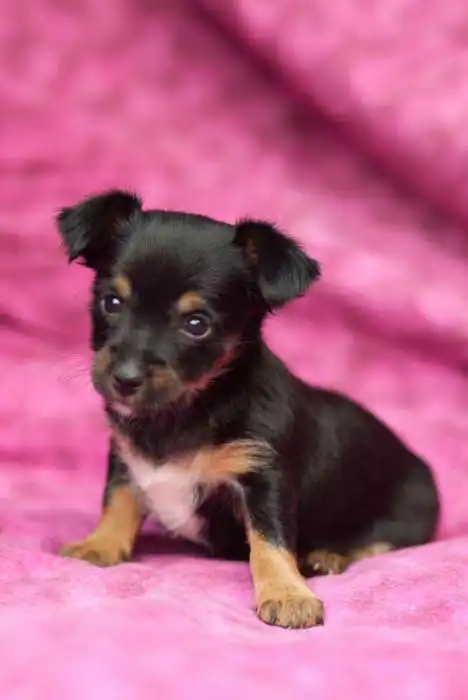
The Ratshire Terrier is known for its thick fur coat, which can resemble the colors of a Yorkshire Terrier or feature darker shades with white markings. The specific color variations are determined by the parents' genetics, resulting in a diverse palette. Common hues include silver, blue, black, pied, sable, merle, pinto, chocolate, gray, red, brindle, and white. These dogs typically have brown or hazel eyes, a small, pointed muzzle with a black nose, and an expression that reflects their alert nature. In terms of build, the Ratshire Terrier is longer than it is tall, boasting a sturdy neck, flat shoulders, and a wide chest. Their ears can be either floppy or upright, depending on their heritage, and their tails vary in length, often curling over their backs.

Care Routine
Consistent grooming of your Ratshire Terrier's coat is crucial to avoid tangles. Use a pin brush and a metal comb, focusing particularly on spots like under the neck, around the ears and tail, and beneath the legs. To keep their skin and coat healthy, bathe your Ratshire Terrier once or twice a month with a mild dog shampoo and conditioner. Many pet owners choose professional grooming services, akin to those required for a Yorkie. During bath time, make sure to clean your dog's ears thoroughly and dry them afterward.
Behavior & Temperament
Given the Ratshire Terrier's occasionally unpredictable behavior around young children, it is crucial to closely monitor their interactions. These dogs might bite or nip if they feel teased or excessively provoked. However, with the right family environment, this breed can become a delightful companion and can learn to live peacefully with other pets and children, provided they receive adequate and early socialization. Training a Ratshire Terrier may demand extra patience, as some may choose to follow their instincts and test boundaries. Consistently applying your rules and using positive reinforcement will foster a favorable response from your dog.


Play & Exercise
Your Ratshire Terrier is full of vitality and needs regular opportunities for play and exercise. Aim to engage your dog in about one to one and a half hours of energetic activity each day, whether inside or outside. Although their compact size means they can get a lot of exercise indoors, it's crucial to take them outside at least twice a day for some fresh air and bathroom breaks. If you have a secure yard, letting them play freely for a few hours can be advantageous, but don’t forget that they also thrive on meaningful interaction with their human friends.
Things to Know
Cups Per Day
1.0 Cups
Daily Activity
90 Minutes
Average Lifespan
14 Years
Origin
2000s
Type
Crossbreeds
Size
Small
Origin Country
United States
Brush Frequency
Daily
Coat Texture
Straight
Ancestors

Yorkshire Terrier
The contemporary Yorkshire Terrier is a small breed primarily valued for companionship. In stark contrast, its forebears were much larger and were utilized for hunting small rodents and other vermin. It is thought that the Yorkshire Terrier emerged from a mix of several terrier breeds, with some contributions from the Maltese. Among these breeds are the Skye Terrier, Dandie Dinmont, Manchester Terrier, and the now-extinct Paisley or Clydesdale Terrier. Over the years, this brave little hunting dog evolved into a trendy pet, so petite that many women now carry them in handbags or under their arms. The American Kennel Club officially recognized the Yorkshire Terrier in 1885.
Read more
Rat Terrier
During the 19th century, American farmers were in search of an adept rodent hunter, which prompted them to crossbreed several Terrier varieties with Whippets, Greyhounds, and Beagles. This endeavor led to the creation of the delightful Rat Terrier. Known for its agility, this breed excelled at locating rodents and other pests, whether they were hiding above or below ground. In addition to its hunting skills, the Rat Terrier became a dependable watchdog and a beloved companion, establishing itself as a familiar sight on farms throughout the nation. Today, this small to miniature breed is often seen happily engaging with families in both rural and urban environments. With low grooming needs and a high energy level, the Rat Terrier thrives in canine sports, remains vigilant over its loved ones, and adds a lively spirit to any household.
Read moreRegister
Your kids have been begging for a pet forever, and you've recently decided that it's time for your family to get a new addition -- a dog! While everyone is excited for the new arrival, you're wondering if you need to have a dog license. How much does it cost? Is it required? Where do you get one?
Member Clubs

PETINNATE
Other
Height & Weight
Weight
15 lbs (7 kg)Male: 18 lbs (8 kg) , Female: 13 lbs (6 kg)
Height
10 inches (25 sm)Male: 11 inches (28 sm) , Female: 10 inches (25 sm)
6 Months
6 lbs ( m 6 lbs, f 6 lbs )
6 inches ( m 6 inches, f 6 inches )
12 Months
11 lbs ( m 11 lbs, f 11 lbs )
8 inches ( m 8 inches, f 8 inches )
18 Months
13 lbs ( m 13 lbs, f 13 lbs )
9 inches ( m 9 inches, f 9 inches )
Eye Colors
Hazel

Brown
Nose Colors
Black
Coat Colors
Black
Gray
Brown
Red
Fawn
Fawn
Silver
White
Pied
Sable
Brindle