Scorkie
Scorkie Terrier
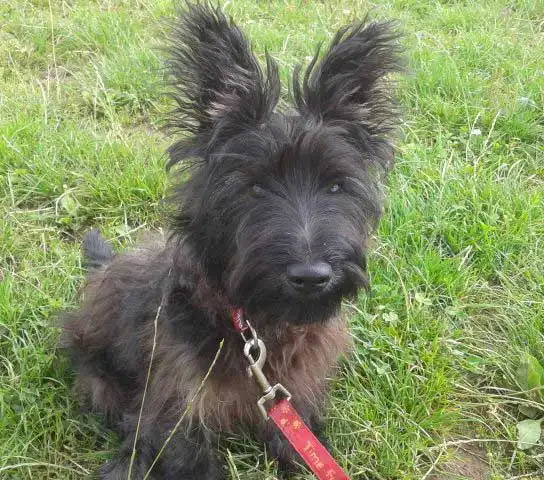
The Scorkie is a designer dog breed created by crossing a Scottish Terrier with a Yorkshire Terrier. This hybrid is recognized by three breed registries, including the Dog Registry of America. The American Canine Hybrid Club calls this mix the Scorkie, while the International Designer Canine Registry refers to it as the Scorkie Terrier. As a small Terrier, the Scorkie is known for its charming, "old soul" demeanor. They are affectionate companions for their families but need plenty of mental stimulation to stay happy and prevent negative behaviors like digging.

Breed Origin
The Scorkie, an endearing blend of the Scottish Terrier and the Yorkshire Terrier, has become increasingly popular as a small breed known for its lively character. Yet, information regarding the breeding practices and historical background of this hybrid is limited, particularly concerning when these two purebreds were first deliberately crossed. For those keen on grasping the potential traits of their Scorkie, delving into the histories of both parent breeds can offer significant insights. The Scottish Terrier, as its name implies, originates from Scotland. This small, black breed was initially bred on Scottish farms to manage vermin and has been around for centuries without formal records. Classified under the Skye Terrier group, the Scottie is distinguished by its medium-length, coarse coat. During the Industrial Revolution, as laborers moved from rural areas to urban factories, the Scottish Terrier made its way south to Britain, where it played a crucial role in controlling rat populations in cities and became a favored companion among factory workers. The breed received official recognition from the American Kennel Club in 1885 and remains a cherished pet today. In a similar vein, the Yorkshire Terrier, which also has Scottish origins, adapted to urban life during the Industrial Revolution. Developed in the Victorian Era, the Yorkie accompanied Scottish and British coal miners to Yorkshire. Weighing between 3 and 7 pounds, the Yorkshire Terrier, affectionately called the Yorkie, made its first appearance in the United States in the late 1800s, with its inaugural show recorded as early as 1878. The American Kennel Club recognized the Yorkie in the same year as the Scottish Terrier, 1885.
Breed Appearance
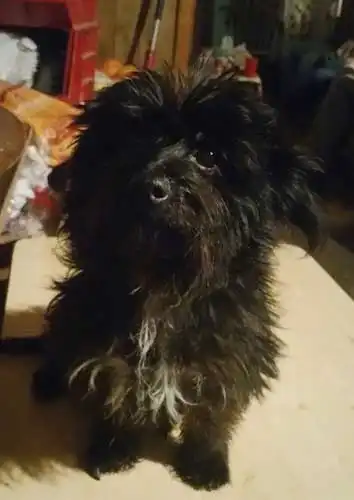
The Scorkie is a mixed breed that emerges from the combination of the rough-coated Scottish Terrier and the silky-coated Yorkshire Terrier, both of which are part of the Scottish Terrier family. This hybrid can inherit traits from either parent, usually resulting in a small, sturdy build that is close to the ground. The Scorkie's coat is typically long and can come in various colors, including solid black, gray, and tan, depending on which parent's characteristics are more dominant. Its head is square with an elongated snout, adorned with long hair that gives it a bearded appearance. The breed is characterized by large, round brown eyes and upright, triangular ears. With its short legs and low-sitting body, the Scorkie often holds its tail high, which is commonly docked.

Care Routine
The Scorkie is a breed that is hypoallergenic, characterized by its low shedding and minimal drooling. To maintain a healthy and tangle-free coat, it is crucial to brush it regularly, either once a week or every two weeks. This routine not only helps prevent matting but also removes loose or dead hair from its double coat. Since the Scorkie has delicate skin, care should be taken during baths to avoid stripping away its natural oils, which can result in allergic dermatitis. It is advisable for owners to limit the frequency of baths and instead use a pin or bristle brush to help distribute the skin's natural oils evenly. Furthermore, brushing weekly is beneficial for clearing away any dirt or debris that may gather in the fur during everyday activities.
Behavior & Temperament
The Scorkie is a loyal and affectionate breed that typically develops a deep connection with one primary owner. While they may display some independence, it is crucial to provide early and consistent training using a firm yet gentle method to address their occasional stubbornness. This breed is particularly ideal for individuals who live alone or for older adults, although they can also be quite loving towards calm, older children. Scorkies are known for their keen alertness and will bark to alert their owner of any unfamiliar visitors; however, they usually become friendly and curious once they sense there is no real danger. Despite having low energy levels, Scorkies require regular exercise to maintain their physical and mental well-being.


Play & Exercise
The Scorkie is a low-energy dog that still requires daily exercise, though the intensity needed is quite manageable. Due to their short legs, they are not the best choice for jogging companions. Most of their activity can be satisfied indoors, whether by roaming around their home or during their regular bathroom breaks. While the Scorkie hails from the cool climate of Scotland, it struggles with extreme temperatures and prefers a climate-controlled setting. Their small size and moderate exercise needs make them ideal for apartment living and urban environments. However, it’s crucial to provide them with mental stimulation to prevent the emergence of unwanted behaviors such as digging and chewing.
Things to Know
Cups Per Day
1.0 Cups
Daily Activity
30 Minutes
Average Lifespan
14 Years
Origin
Unknown
Type
Crossbreeds
Size
Small
Origin Country
United States
Brush Frequency
Weekly
Coat Texture
Straight
Ancestors
Scottish Terrier
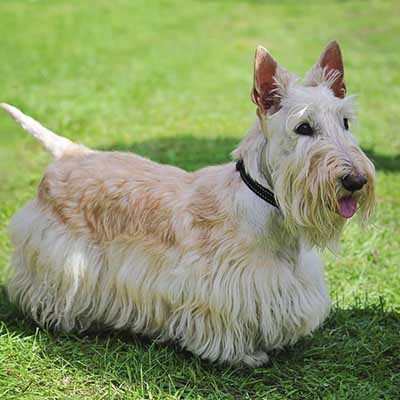
The Scottish Terrier is a small yet spirited breed, celebrated for its lively character. In the 1700s, breeders started developing what we now know as the Scottish Terrier, originally calling it the Aberdeen Terrier after a town in Scotland. The breed was affectionately dubbed the “little diehard” by the fourth Earl of Dumbarton, a nickname that still resonates today. Though they are petite, these dogs are brimming with bravery and vitality. Initially bred to hunt rabbits, otters, foxes, and badgers, Scottish Terriers continue to excel as vigilant watchdogs and devoted companions.
Read more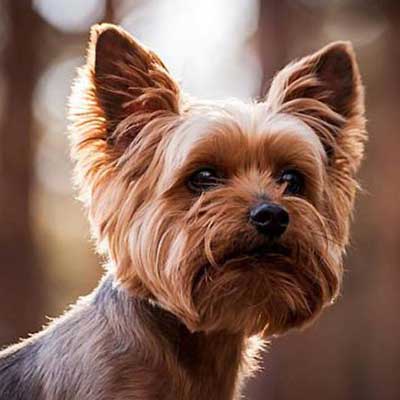
Yorkshire Terrier
The contemporary Yorkshire Terrier is a small breed primarily valued for companionship. In stark contrast, its forebears were much larger and were utilized for hunting small rodents and other vermin. It is thought that the Yorkshire Terrier emerged from a mix of several terrier breeds, with some contributions from the Maltese. Among these breeds are the Skye Terrier, Dandie Dinmont, Manchester Terrier, and the now-extinct Paisley or Clydesdale Terrier. Over the years, this brave little hunting dog evolved into a trendy pet, so petite that many women now carry them in handbags or under their arms. The American Kennel Club officially recognized the Yorkshire Terrier in 1885.
Read moreRegister
Your kids have been begging for a pet forever, and you've recently decided that it's time for your family to get a new addition -- a dog! While everyone is excited for the new arrival, you're wondering if you need to have a dog license. How much does it cost? Is it required? Where do you get one?
Member Clubs

PETINNATE
Other
Height & Weight
Weight
17 lbs (8 kg)Male: 18 lbs (8 kg) , Female: 17 lbs (8 kg)
Height
9 inches (23 sm)Male: 9 inches (23 sm) , Female: 9 inches (23 sm)
6 Months
15 lbs ( m 15 lbs, f 15 lbs )
7 inches ( m 7 inches, f 7 inches )
12 Months
16 lbs ( m 16 lbs, f 16 lbs )
8 inches ( m 8 inches, f 8 inches )
18 Months
16 lbs ( m 16 lbs, f 16 lbs )
8 inches ( m 8 inches, f 8 inches )
Eye Colors
Brown

Nose Colors
Black
Coat Colors
Brown
Red
Gray
Black