Shibadox
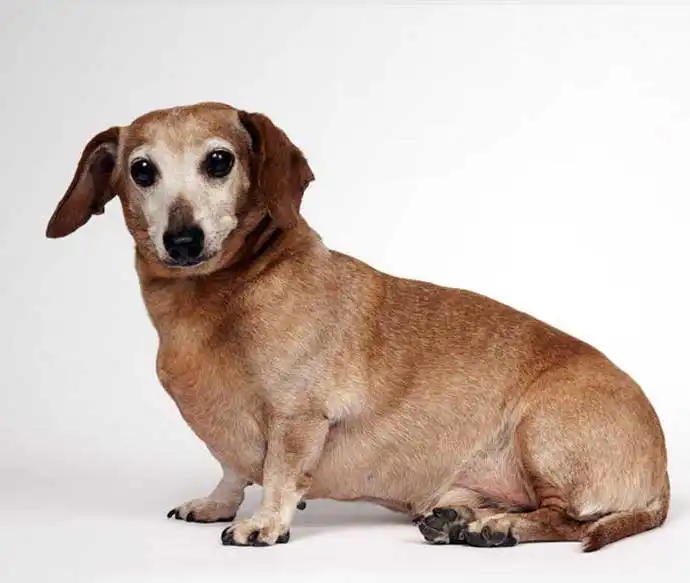
The Shibadox is a hybrid breed that results from the combination of the purebred Shiba Inu and the Dachshund. While its appearance can differ, it generally reflects the Shiba Inu's lively and joyful personality, paired with the Dachshund's elongated body. This crossbreed is not widely recognized and is officially acknowledged by only two breed registries: the Designer Dog Registry and the International Designer Canine Registry. Although both parent breeds were initially bred for hunting small game and have unique physical traits, the Shibadox is now mainly seen as a companion animal. Its Shiba Inu heritage also contributes to its reputation as a healthy hybrid.

Breed Origin
The Shibadox is a remarkable hybrid that emerges from the crossbreeding of the purebred Dachshund and Shiba Inu. Although it boasts an attractive appearance and strong health, this designer breed remains relatively obscure, with scant documentation available. At present, only two related breed registries recognize this hybrid: the Designer Breed Registry and the International Canine Designer Registry. Unfortunately, neither registry offers current information about the Shibadox. However, owners seeking to understand their dog's lineage and traits can delve into the histories of its parent breeds. The Shiba Inu, an ancient breed that developed alongside the Akita in Japan, is smaller and belongs to the Spitz family. Spitz breeds are celebrated for their robust health and unique curled tails that arch over their backs. Historically, the Shiba Inu was utilized as a small game hunter, skilled at flushing out birds and other small creatures from the dense underbrush of Japan. The name "Shiba" translates to "brushwood" in Japanese, which may provide insight into the breed's origins. One theory suggests that the breed was named after the brushwood where it hunted, while another interpretation links the name to the reddish color of its coat, reminiscent of autumn leaves. A third theory posits that "Shiba" may come from an old Japanese word meaning "small," referring to the dog's size. The precise origin of the name remains unclear, and the Shiba Inu lived in relative seclusion on the Japanese islands until after World War II. The breed's population faced challenges due to bombing raids, yet it persevered. By 1954, Westerners began importing Shiba Inus, but it wasn't until the 1970s that the breed gained significant recognition. By 1993, the Shiba Inu's popularity soared, leading to its first acknowledgment by the American Kennel Club in the Miscellaneous Group. Today, it enjoys moderate popularity and is widely recognized. The Dachshund, a breed originating from Germany, translates to "badger dog." These small, elongated canines are known for their tenacity as earth dogs, capable of hunting and extracting vermin from their burrows, even when faced with formidable prey. The Dachshund's ancestry can be traced back to the 15th century in Germany, where it was bred for both above-ground and underground hunting. However, by the 1800s, the emphasis shifted towards breeding Dachshunds for companionship rather than hunting ability. Selective breeding resulted in a variety of sizes, with weights ranging from 15 to 30 pounds. The breed made its debut in America in the 1880s and was officially recognized by the American Kennel Club in 1885. Today, the Dachshund enjoys widespread popularity.
Breed Appearance
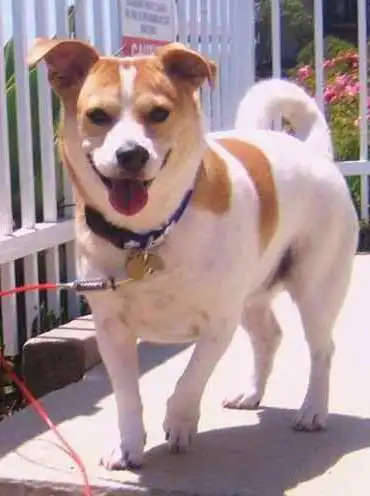
The Shibadox is a hybrid breed resulting from the combination of a Shiba Inu and a Dachshund, inheriting characteristics from both parent breeds. This mix typically displays a longer body with shorter legs, echoing the Dachshund's form but to a lesser extent. Its legs are strong and sturdy, while the tail often curves over the back, reminiscent of the Shiba Inu's signature look. The ears are triangular and typically stand upright. The head is elongated and slender, akin to that of the Dachshund, with round to oval eyes that convey a cheerful expression. The nose is mainly black, though it can appear brown in dogs with a brown coat, and is generally round with large nostrils that support effective breathing.

Care Routine
Caring for a Shibadox is generally uncomplicated, though it's important to note that this breed is not hypoallergenic and tends to shed a moderate to significant amount of fur. While daily grooming can be advantageous, it isn't necessary to brush them every single day. Regular brushing is effective in reducing loose and dead hair while also supporting skin health. Given that Shibadox dogs are prone to skin problems, it's best to limit their baths. This breed is lively, tends to drool minimally, and usually doesn't have a strong doggy smell. However, they can easily gain weight and may overindulge if food is left out.
Behavior & Temperament
The Shibadox is a loyal and joyful breed that finds it challenging to be left alone for long periods. They are characterized by their affectionate demeanor towards family members, though they can also display a bit of stubbornness. With proper socialization, Shibadox dogs can be loving and warm towards children, particularly older ones who know how to engage gently and avoid roughhousing. This hybrid breed tends to be less friendly towards strangers and may take on a protective role regarding their family. While they may always approach new people with caution, early and consistent exposure to different individuals, environments, and other dogs can help reduce aggressive behaviors. The same approach is beneficial for their interactions with other pets. Given their stubborn nature, Shibadox dogs flourish under the care of a confident and experienced owner, making them a less ideal choice for those new to dog ownership.


Play & Exercise
The Shibadox is an energetic hybrid recognized for its balanced energy levels. Despite its short legs and long body, which may limit its speed, this breed is full of enthusiasm and always eager to run and play. It's crucial to have a secure backyard for a Shibadox, as they often attempt to escape, occasionally digging to do so. While they aren't fans of extreme weather, they can adapt to both hot and cold environments when needed. With sufficient physical and mental stimulation, the Shibadox can flourish even in compact living spaces like apartments.
Things to Know
Cups Per Day
1.0 Cups
Daily Activity
30 Minutes
Average Lifespan
14 Years
Origin
Unknown
Type
Crossbreeds
Size
Small
Origin Country
United States
Brush Frequency
Weekly
Coat Texture
Straight
Ancestors
Shiba
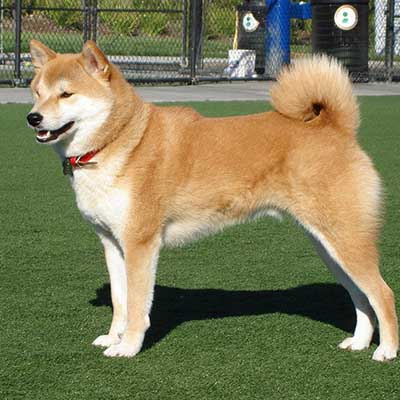
The Shiba Inu is a compact breed that, despite its size, embodies a boldness reminiscent of a lion. In Japan, it is officially recognized as a treasured natural asset. Initially bred for hunting in Japan's rugged terrains, the Shiba Inu is renowned for its agility in navigating difficult landscapes, its sharp instincts as a guardian, and its vibrant, energetic personality. As one of Japan's oldest native dog breeds, the Shiba Inu is cherished as the nation's most adored companion. Its distinctive reddish-brown fur often causes it to be mistaken for a fox.
Read more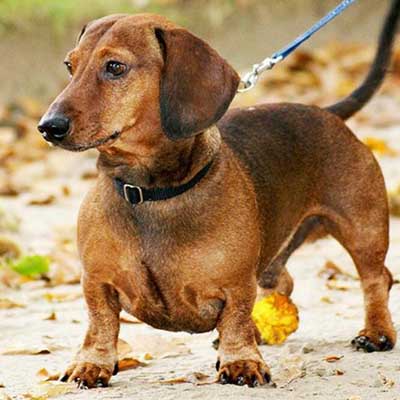
Dachshund
Since the 1950s, Dachshunds have consistently been among the most beloved dog breeds. With their distinctive long bodies and short legs, these dogs are not only charming but also exhibit a spirited and courageous personality. Although they possess intelligence, training can be challenging, especially if the techniques used become repetitive. Their inherent stubbornness often leads them to prefer their own methods. Originally developed in Germany for hunting small game, these characteristics are still apparent in their behavior today, which may manifest as a tendency to chase smaller animals or dig in the yard. Dachshunds are lively both indoors and outdoors, allowing them to adapt well to a variety of living environments.
Read moreRegister
Your kids have been begging for a pet forever, and you've recently decided that it's time for your family to get a new addition -- a dog! While everyone is excited for the new arrival, you're wondering if you need to have a dog license. How much does it cost? Is it required? Where do you get one?
Member Clubs

PETINNATE
Other
Height & Weight
Weight
13 lbs (6 kg)Male: 13 lbs (6 kg) , Female: 12 lbs (5 kg)
Height
23 inches (58 sm)Male: 23 inches (58 sm) , Female: 23 inches (58 sm)
6 Months
11 lbs ( m 11 lbs, f 11 lbs )
18 inches ( m 18 inches, f 18 inches )
12 Months
12 lbs ( m 12 lbs, f 12 lbs )
22 inches ( m 22 inches, f 22 inches )
18 Months
12 lbs ( m 12 lbs, f 12 lbs )
22 inches ( m 22 inches, f 22 inches )
Eye Colors
Brown

Nose Colors
Black
Brown
Coat Colors
Black
Brown
Red
Fawn
Sable
White