Affenwich
The Affenwich is a hybrid dog, often classified as a designer breed, resulting from the crossbreeding of an Affenpinscher and a Norwich Terrier. Both parent breeds are known for being hypoallergenic and have low-shedding fur, which necessitates regular grooming—preferably several times a week—to prevent matting. Monthly trimming and grooming are also recommended. This breed has a strong hunting instinct, which may make it less compatible with small pets such as gerbils, guinea pigs, or rabbits. The Affenwich is quite energetic and has a tendency to dig, so it’s wise to keep an eye on them when they’re outside. Engaging in outdoor activities with your Affenwich is beneficial, as they enjoy expressing themselves vocally and may bark if left alone for too long. With proper training and care, the Affenwich can become a cherished and joyful addition to your family.
Breed Origin
The Affenwich is a modern hybrid breed with sparse historical records. Its devoted parent breed, the Affenpinscher, is a toy breed that originated in Germany. Originally, the Affenpinscher functioned as a medium-sized dog on farms and in stores, primarily tasked with hunting mice and rats. During the 18th and 19th centuries, breeders aimed to create a smaller version of the Affenpinscher, evolving it into a companion animal. This miniature Affenpinscher was developed by incorporating breeds such as the Pug, the Smooth Haired German Pinscher, and the Silky Pinscher. The American Kennel Club granted official recognition to the Affenpinscher in 1936. Conversely, the Norwich Terrier originates from the United Kingdom, where it was employed for ratting and flushing foxes from their burrows. In the 19th century, students at Cambridge University brought Norwich Terriers to campus for both rat hunting and companionship. These dogs were informally known as "Trumpington Terriers," named after the street where many students lived. Initially, the Norwich Terrier and the Norfolk Terrier were regarded as the same breed, differentiated only by their ear shapes: the Norfolk Terrier has v-shaped dropped ears, while the Norwich Terrier has pointed ears. In 1964, the British Kennel Club officially recognized them as distinct breeds. The American Kennel Club followed suit in 1979, formally distinguishing the Norwich Terrier and Norfolk Terrier, with the Norwich Terrier receiving AKC recognition in 1936.
Breed Appearance
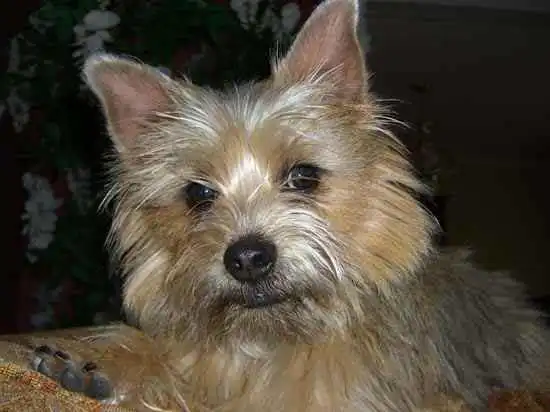
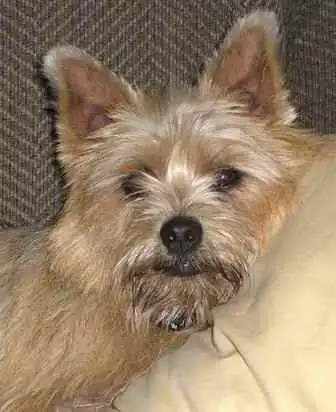
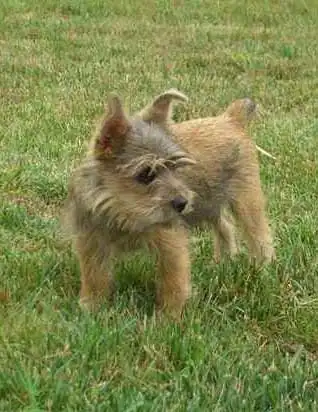
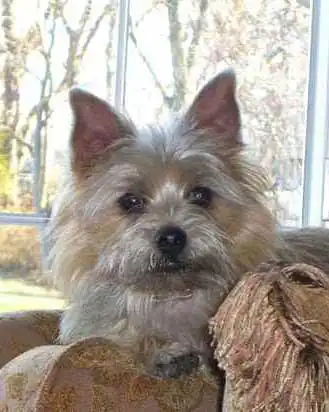
The Affenwich is a unique designer dog breed that emerges from the crossbreeding of the Affenpinscher and the Norwich Terrier. Puppies from this hybrid lineage can showcase a variety of physical characteristics inherited from both parent breeds, resulting in a wide array of appearances even among siblings. Variations in markings, colors, facial expressions, and height are common within the same litter. Generally small in stature, the Affenwich may have a coat that is shaggy, rough, or wiry, with possible colors including wheaten, black and tan, solid black, red, grizzle, or a mix of black and grey. Both parent breeds are celebrated for their endearing facial expressions, which their puppies are likely to inherit. While the tails of the Norwich Terrier and Affenpinscher are typically docked, Affenwich puppies may have either pointy or floppy ears. Regardless of the traits your puppy may possess, you can look forward to a charming companion full of personality.
Care Routine
The Affenwich requires consistent grooming, which includes brushing and combing several times a week, regardless of the type of coat, to avoid matting. Monthly grooming appointments and hair trimming are crucial, especially around the eyes, where hair can lead to irritation and should be kept short. To create a positive grooming experience for both the dog and the owner, it’s vital to approach the task with patience and care. Both the Affenpinscher and Norwich Terriers are classified as hypoallergenic breeds. Furthermore, the Affenwich's nails should be clipped monthly to prevent breakage or injury. If your Affenwich has floppy ears, they should be cleaned weekly, and your veterinarian can suggest a suitable ear wash.
Behavior & Temperament
Due to the high energy levels of both parent breeds, the Affenwich needs regular exercise, such as daily walks. With a background in hunting, this hybrid can easily become bored. If left unsupervised outside, they might attempt to dig their way out. To keep them mentally stimulated, it’s important to offer engaging activities and a diverse selection of toys. Both parent breeds are known for their fearless and intelligent personalities, often paired with a touch of stubbornness. While they can be effective watchdogs, they may also become excessively vocal if not properly trained. Affenpinschers, in particular, may show signs of food aggression. They typically enjoy being around children, but close supervision is essential, especially in households with very young kids. Establishing rules and boundaries, along with consistent training, is crucial for the Affenwich. If you encounter difficulties with housebreaking, crate training can be a helpful approach.
Play & Exercise
Merging an Affenpinscher with a Norwich Terrier can create difficulties and potential disorder if the dog lacks sufficient space to run and burn off energy. Both breeds are known for their vocal tendencies, which can lead to excessive barking that might become annoying. When visiting a dog park, it's important to ensure your dog knows basic commands and to avoid areas populated by larger dogs. Your energetic little friend might mistakenly think he can keep pace with them and could even try to assert his dominance. Small breeds can get enough exercise through extended walks or by playing games in the yard. It's crucial to invest ample time in physical activities with your dog.
Things to Know
Cups Per Day
1.0 Cups
Daily Activity
30 Minutes
Average Lifespan
13 Years
Origin
Unknown
Type
Crossbreeds
Size
Small
Origin Country
Various
Brush Frequency
Weekly
Coat Texture
Wiry
Ancestors
Affenpinscher
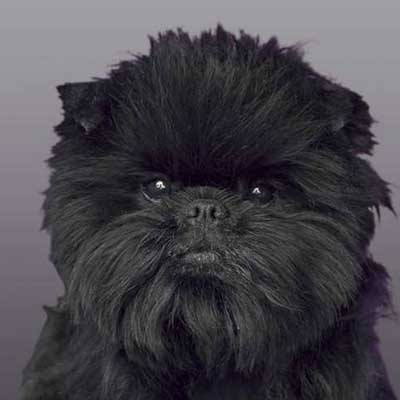
The Affenpinscher, commonly known as the "monkey dog," gets its name from a German term that reflects its playful appearance, particularly its resemblance to primates. Initially bred for hunting rats, these dogs were also referred to as ratters. The breed originated in Germany during the 17th and 18th centuries, evolving from various small terrier breeds. Their small stature and loving disposition made them popular as lapdogs among women, leading breeders to focus on creating even smaller versions. Typically, Affenpinschers reach a height of 9 to 11 inches and weigh about 9 pounds. They have medium-length, wiry fur that comes in several colors, including belge, tan, red, silver, gray, and black. Nowadays, this breed is relatively rare and not commonly found. It is recommended to keep Affenpinschers away from households with young children, as they generally dislike being squeezed or chased.
Read more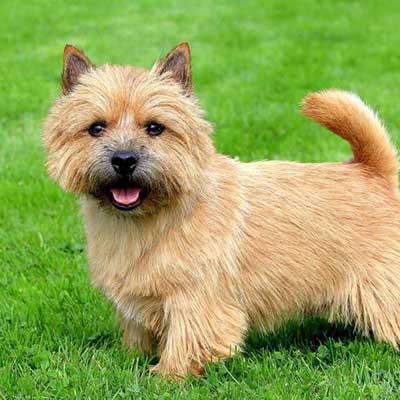
Norwich Terrier
The Norwich Terrier breed originated in England during the 1800s, initially developed as a working dog to control rat populations and other vermin in stables. This breed is the smallest among working terriers, typically standing about 10 inches tall and weighing around 11 pounds. Their coat can come in various colors, including black and tan, grizzle, wheaten, tan, and red. Although these lively dogs were once celebrated for their hunting abilities, they are now mainly cherished as companion animals and show dogs. According to the American Kennel Club, the Norwich Terrier ranks as the 104th most popular breed in the United States, with its registration beginning in 1936. Despite their petite size, they are recognized for their spirited, energetic, and determined personalities, making them endearing and loving pets.
Read moreRegister
Your kids have been begging for a pet forever, and you've recently decided that it's time for your family to get a new addition -- a dog! While everyone is excited for the new arrival, you're wondering if you need to have a dog license. How much does it cost? Is it required? Where do you get one?
Member Clubs

PETINNATE
Other
Height & Weight
Weight
9 lbs (4 kg)Male: 9 lbs (4 kg) , Female: 9 lbs (4 kg)
Height
10 inches (25 sm)Male: 10 inches (25 sm) , Female: 10 inches (25 sm)
6 Months
4 lbs ( m 4 lbs, f 4 lbs )
6 inches ( m 6 inches, f 6 inches )
12 Months
7 lbs ( m 7 lbs, f 7 lbs )
9 inches ( m 9 inches, f 9 inches )
18 Months
8 lbs ( m 8 lbs, f 8 lbs )
10 inches ( m 10 inches, f 10 inches )
Eye Colors
Brown
Amber
Nose Colors
Black
Coat Colors
Brindle
Sable
Red
Gray
Black