Beaski
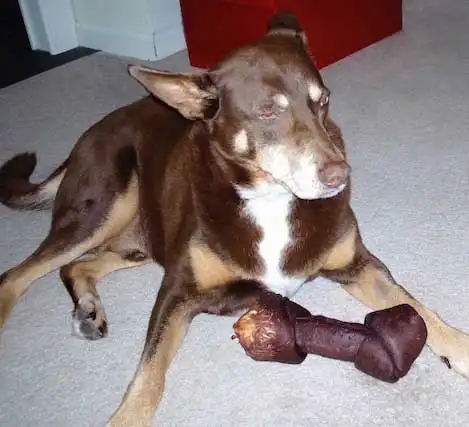
Despite their somewhat fearsome name, Beaskis are actually one of the most loving and delightful dog breeds. This affectionate disposition is inherited from their parent breeds, the Beagle and the Siberian Husky, both celebrated for their friendly natures. However, their physical traits can be unpredictable, as they may take after either parent. Some Beaskis might resemble smaller versions of Siberian Huskies, while others could look like larger Beagles. No matter their appearance, Beaskis are typically easy to train, loyal, and laid-back, making them excellent companions for families. Early socialization is crucial to help them interact positively with other pets and children.
Breed Origin
The history of the Beagle can be traced back to the 1300s, a consensus among most experts. However, some evidence suggests that dogs of a similar size were used for hunting in Greece as early as the 5th century. Originally referred to as Pocket Beagles, these small canines measured around eight inches in height and were conveniently carried in the pockets of hunters. Unfortunately, their small stature ultimately led to their extinction, as hunters began to prefer larger breeds capable of withstanding more challenging environments. The modern Beagle we know today developed in England, resulting from a blend of the Southern Hound, North Country Beagle, Talbot Hound, and possibly the Harrier. This breed gained widespread recognition as the pet of President Lyndon B. Johnson during his presidency and as the iconic Snoopy, the dog of Charlie Brown. The American Kennel Club officially recognized the Beagle in 1885, and it currently holds the title of the fifth most popular dog breed in the United States. In contrast, the Siberian Husky takes its name from its region of origin, Siberia. This breed was cultivated by the Chukchi people, an ancient tribe in Russia, who depended on them for hunting and pulling sleds. In the early 1900s, Siberian Huskies made their way to Alaska, where they participated in the All Alaska Sweepstakes race, achieving notable success until the event was suspended due to World War I. The breed gained significant fame in 1925 when they were instrumental in delivering serum during a diphtheria outbreak in Nome, saving numerous lives. Over 100 dogs undertook the challenging 658-mile trek from Nulato to Nome in record time. The American Kennel Club recognized the Siberian Husky in 1930, and it is now the twelfth most popular breed in the United States.
Breed Appearance
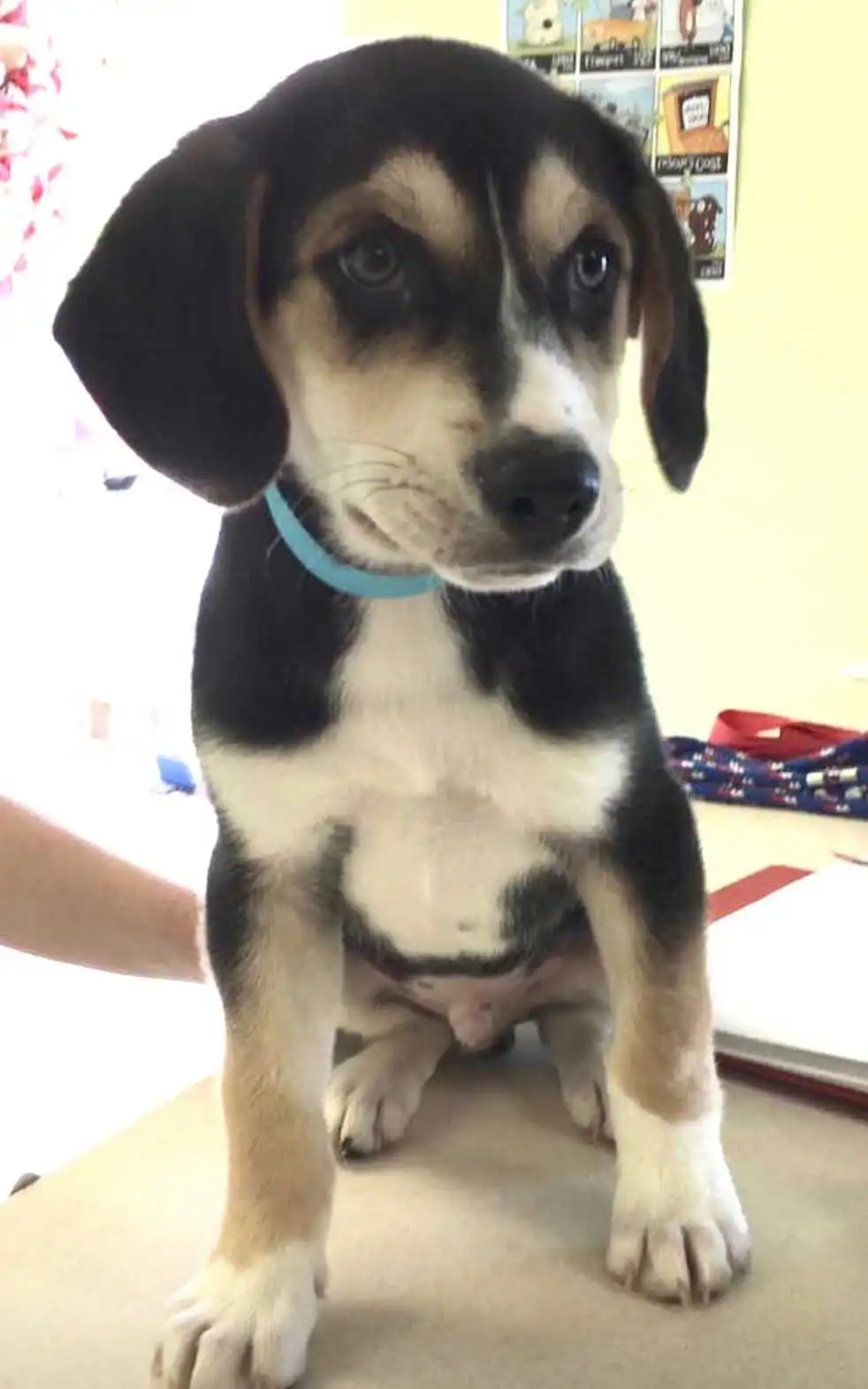
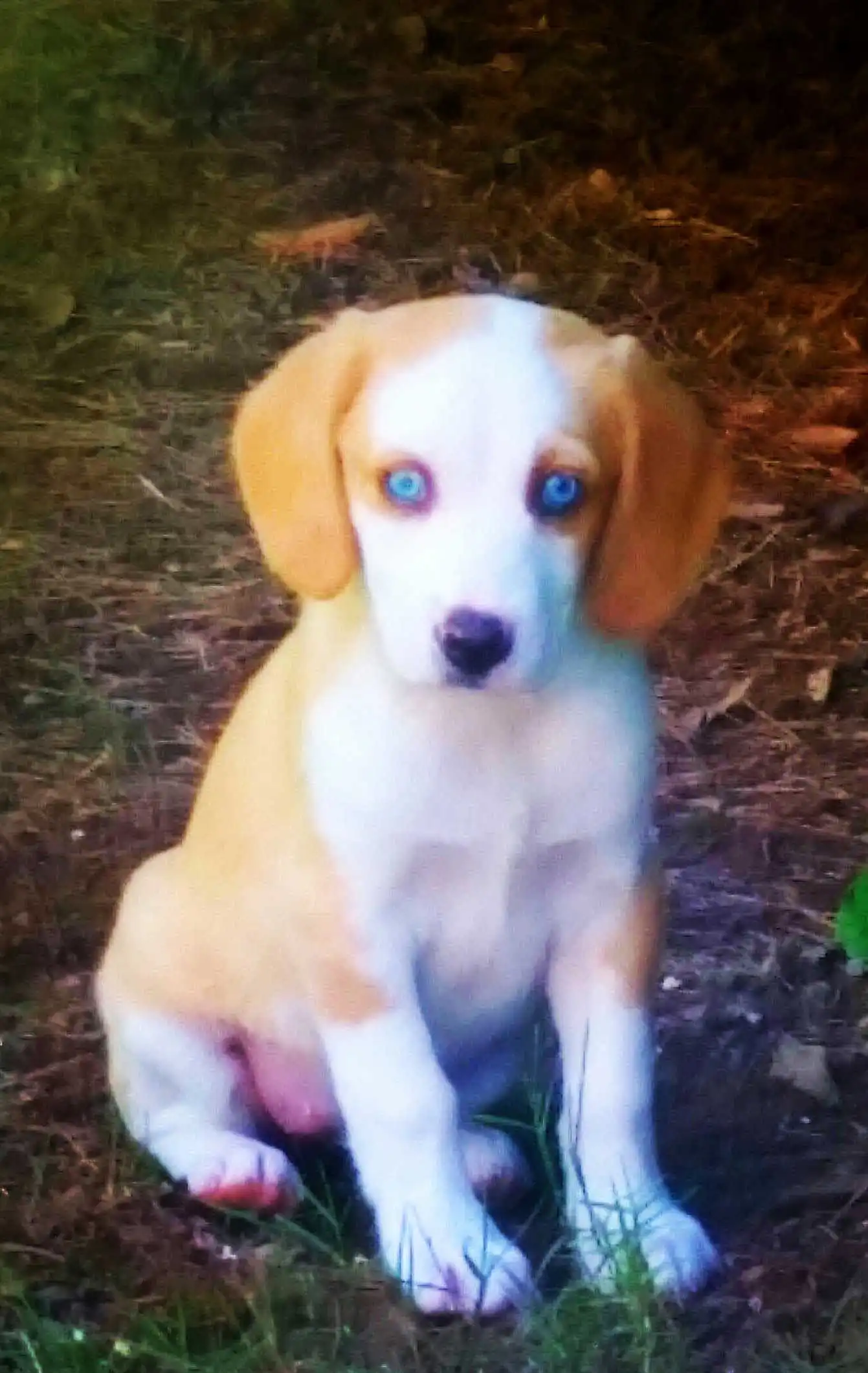
Beaskis exhibit a diverse array of eye colors, including shades like brown, amber, hazel, and even blue, which is reminiscent of the Siberian Husky. Their noses can be either black or brown. Typically, these dogs have floppy, triangular ears and a medium-length muzzle that sits atop a rounded head. They are robustly constructed, boasting muscular, thick-boned legs and a long torso. Their tails are usually long and curl gracefully over their backs. As medium-sized dogs, Beaskis sport a short, soft coat available in a wide spectrum of colors, including black, gray, brown, red, cream, fawn, white, pied, sable, and brindle. Solid colors are rare, with most Beaskis showcasing a tricolored pattern.

Care Routine
The grooming needs of your Beaski can vary depending on their coat type. If your Beaski has the longer fur characteristic of a Husky, you should anticipate increased shedding, which will require regular brushing with a pin brush several times a week. On the other hand, a Beagle's coat may only need to be brushed with a slicker brush once or twice a week. It's best to avoid frequent baths, as they can cause dry skin; baths should be reserved for when they are truly necessary. Weekly ear cleaning is essential to check for mites, wax buildup, and any signs of irritation. Additionally, remember to trim their toenails as needed and brush their teeth weekly to help prevent dental problems.
Behavior & Temperament
The Beaski is celebrated for its amiable and laid-back demeanor, along with its impressive intelligence. Both of its parent breeds were bred to work alongside other dogs, enhancing their natural social skills and their love for children. However, it’s important to monitor the interactions between your Beaski and young children, as well as with unfamiliar small pets such as cats. This breed is energetic and thrives on both play and work. Beaskis are affectionate and enjoy cuddling, displaying a low propensity for aggression, but they can be reliable watchdogs when given the right training.
Play & Exercise
Beagles and Siberian Huskies, recognized as working breeds, need a significant amount of daily exercise to stay healthy and happy. To keep them fulfilled, it's crucial to take them on two extended walks each day and allow for at least one to one and a half hours of outdoor play. Exercise options can include trips to a dog park for socialization, hiking through nature, or playing fetch in your yard. The main goal is to provide them with at least 60 minutes of free running time daily. Without sufficient physical activity, these dogs can easily become anxious and discontented.
Things to Know
Cups Per Day
3.5 Cups
Daily Activity
90 Minutes
Average Lifespan
13 Years
Origin
1990s
Type
Crossbreeds
Size
Medium
Origin Country
United States
Brush Frequency
Weekly
Coat Texture
Straight
Ancestors
Beagle
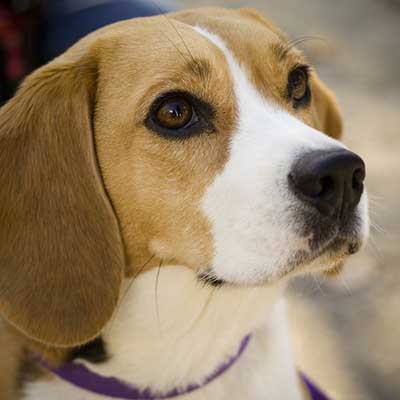
The Beagle is frequently seen as one of the most laid-back and cheerful dog breeds. With a lively and amusing demeanor, this breed spreads happiness to those around it. Originating in England in the early 1800s, Beagles were originally developed for tracking and hunting rabbits. They flourish when allowed to explore their environment, utilizing their exceptional sense of smell, which can sometimes lead them into playful trouble. As scent hounds, Beagles have ancestry that includes the Talbot Hound, North Country Beagle, and Southern Hound. Their compact and muscular build makes them an ideal companion. Beagles are easily identifiable by their droopy ears and endearing expressions. Their short, smooth coats require little maintenance; a simple weekly brushing with a rubber curry brush is enough to keep them looking their finest.
Read more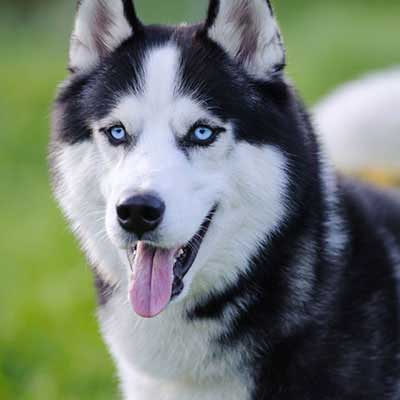
Siberian Husky
The Siberian Husky is a venerable breed that has likely developed alongside humans for thousands of years. Hailing from Russia, these dogs were cultivated by the Chukchi people, who depended on them for hauling supplies, which enabled their community to thrive in challenging environments. In addition to their transportation duties, Huskies were also bred to live harmoniously with Chukchi families. This selective breeding has resulted in a friendly and energetic breed renowned for its impressive stamina. Their dense double coat, which provides insulation against severe cold, requires regular grooming, although they do not need frequent baths. Despite their wolf-like appearance, which may intimidate some, Siberian Huskies are generally too friendly to be effective as guard dogs.
Read moreRegister
Your kids have been begging for a pet forever, and you've recently decided that it's time for your family to get a new addition -- a dog! While everyone is excited for the new arrival, you're wondering if you need to have a dog license. How much does it cost? Is it required? Where do you get one?
Member Clubs

PETINNATE
Other
Height & Weight
Weight
43 lbs (20 kg)Male: 45 lbs (20 kg) , Female: 40 lbs (18 kg)
Height
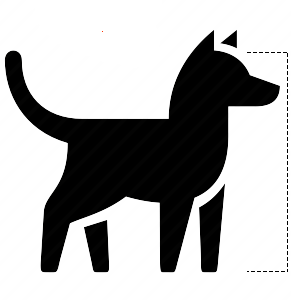
19 inches (48 sm)Male: 20 inches (51 sm) , Female: 18 inches (46 sm)
6 Months
25 lbs ( m 25 lbs, f 25 lbs )
16 inches ( m 16 inches, f 16 inches )
12 Months
32 lbs ( m 32 lbs, f 32 lbs )
17 inches ( m 17 inches, f 17 inches )
18 Months
40 lbs ( m 40 lbs, f 40 lbs )
18 inches ( m 18 inches, f 18 inches )
Eye Colors
Blue

Hazel
Brown
Amber
Nose Colors
Black
Brown
Coat Colors
Black
Gray

Brown

Red

Cream
Fawn

White
Pied

Sable

Brindle