
Bulloxer
American Bulloxer, American Boxerbull, American Bullboxer, American Bull Boxer
Bulloxers are a mixed breed that merges the traits of Boxers and Bulldogs. Originally, both breeds were used in fighting due to their strength and agility. However, their temperaments have evolved over the years, resulting in gentle and loyal companions that are ideal for families. As a combination of these two breeds, Bulloxers tend to be sociable with children and other pets. They possess a strong, muscular, and stocky build inherited from their lineage. Typically, they are healthy dogs with few health concerns and simple grooming needs. Still, they require consistent care and regular exercise to stay happy and healthy.

Breed Origin
This breed is often confused with others that have a similar look. The Bulloxer is usually the result of crossing an American Bulldog with a Boxer, whereas a Bull Boxer is a hybrid of a Boxer and an English Bulldog. Information about the origins of this breed is scarce, as it is relatively new, having developed in the United States. The Boxer itself originated in 19th-century Germany, with its ancestry linked to the Bullenbeisser and the Barenbeiszer, both of which are types of German Mastiffs. Over the years, the breed has also absorbed traits from Bulldogs and other Mastiffs. Initially, Boxers were employed in dog fighting, cart pulling, herding livestock, and hunting wild boar and cattle. They later transitioned into roles in circuses and theatrical performances. The term "Boxer" comes from their characteristic behavior of using their front paws to strike at opponents, reminiscent of a boxing match. Today, Boxers thrive in various capacities, including guarding, serving as watchdogs, police work, military service, search and rescue, performing tricks, Schutzhund, and competitive obedience. In contrast, English Bulldogs have their roots in Asiatic Mastiffs and originate from the British Isles. Initially bred for bull baiting, which is reflected in their name, these dogs were recognized for their aggression and bravery, allowing them to confront full-grown bulls. Although such fights were typically staged in arenas, they were banned in the 19th century. Modern Bulldogs are significantly calmer and less aggressive, yet they still possess their inherent strength and determination.
Breed Appearance
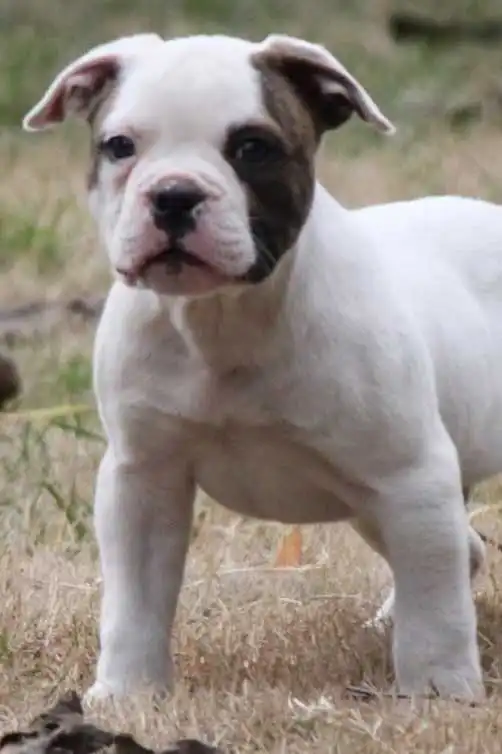
This hybrid breed shares similarities in height and length with the Boxer, while its muscular physique is derived from the Bulldog. These dogs are sturdy, boasting broad chests and well-defined muscles, complemented by a compact, tucked abdomen. Their heads are generally square or blocky, and they possess small muzzles that may show an underbite. The tails are medium in length and are sometimes docked. As a large breed, they typically weigh between 70 and 90 pounds and stand around 22 to 27 inches tall. Their coats are short, dense, and stiff, closely fitting the body, and they come in a variety of colors, such as white, light brown, brindle, and fawn. To gain a deeper insight into this breed's appearance, it is helpful to examine the traits of both the Boxer and the Bulldog. While this hybrid may not inherit every characteristic from its parent breeds, it will undoubtedly reflect a combination of their features.

Care Routine
This breed is relatively easy to care for, as they shed very little and don’t need frequent grooming. However, Bulloxers still require essential care like any other dog. This includes maintaining dental health, trimming nails, and cleaning ears. To keep their teeth and gums healthy and free from bacteria, aim to brush their teeth daily. If that’s not possible, try to do it at least two to three times a week. It’s a good idea to check your dog’s nails once or twice a month; however, not all dogs will need regular trimming if their nails naturally wear down. If you hear clicking sounds when your dog walks, it’s time for a trim. While ear infections can occur in any dog, they are often preventable. Make it a routine to clean your pet’s ears weekly and look for any abnormalities during this check.
Behavior & Temperament
This charming breed is well-known for its friendly and outgoing personality, making it a wonderful choice for families. Their affectionate and playful nature allows them to flourish in households with children. These lively dogs enjoy accompanying their active owners on daily walks or runs. Bulloxers are not only intelligent but also eager to please, which facilitates quick learning through consistent training. However, the Boxer and Bulldog parent breeds can sometimes display stubbornness, which may pose challenges during the training process. Overall, they tend to be calm and loving rather than aggressive. Given that both parent breeds are capable guard dogs, it’s reasonable to anticipate similar protective traits in their offspring. As working dogs, they thrive when given tasks to accomplish. Strong and muscular in adulthood, they need regular training to stay well-behaved. To avoid boredom and potential destructive tendencies, it’s essential to keep them engaged with toys and activities. Furthermore, with early socialization, they can live peacefully alongside other pets.


Play & Exercise
These dogs are acknowledged as highly capable athletes who need both a nutritious diet and a sufficient level of physical activity to stay fit. Consistent exercise is essential for their overall well-being, as it plays a significant role in their happiness and health. Without regular activity, they may become restless and display naughty or destructive tendencies. Although individual requirements can vary, most dogs of this breed generally need between 30 to 45 minutes of exercise daily.
Things to Know
Cups Per Day
0.0 Cups
Daily Activity
0 Minutes
Average Lifespan
13 Years
Origin
Unknown
Type
Crossbreeds
Size
Not Set
Origin Country
United States
Brush Frequency
Daily
Coat Texture
Straight
Ancestors
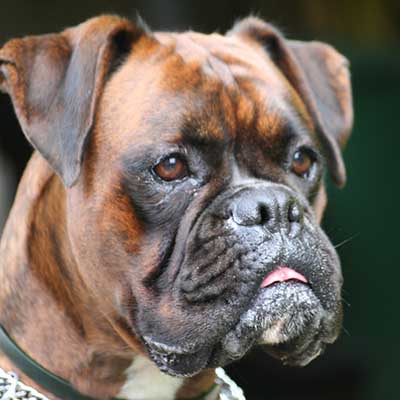
Boxer
The Boxer breed traces its roots back to Germany in the early 19th century, where it was originally developed for use as a bait and fighting dog, as well as a loyal guardian. Its strong, muscular, and agile build made it ideal for these roles until the prohibition of bull baiting and dog fighting. Since then, the Boxer has gained immense popularity around the globe, renowned for its loyalty, playful nature, and high energy, which make it an excellent family pet. Furthermore, Boxers are recognized for their self-grooming tendencies, resulting in relatively low grooming needs. However, it is crucial to provide them with sufficient mental and physical stimulation; without it, they may exhibit undesirable behaviors.
Read more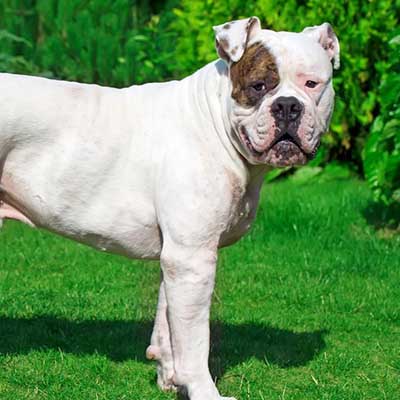
American Bulldog
The American Bulldog is a strong and athletic breed that, despite its imposing appearance, has a gentle disposition and a playful nature. This breed is divided into two main categories: the Johnson type, often called the Bully or Classic type, which has a stockier frame and a shorter muzzle similar to that of the English Bulldog; and the Scott type, known as the Standard or Performance type, which is more agile, featuring a longer muzzle and a squarer head. Many American Bulldogs today are hybrids of these two varieties. Frequently confused with the often-misunderstood American Pit Bull Terrier, the American Bulldog is a distinct breed with its own characteristics that make it not only an excellent working dog but also a loving family pet. Beneath their tough exterior lies a sensitive and emotional nature, which allows them to be highly aware of their surroundings. This sensitivity contributes to their success as family companions, particularly in households with children, as they relish playful interactions and can sense the mood of their environment. These dogs are celebrated for their affectionate personalities and strong self-assurance, which often translates into loyalty, obedience, and a protective instinct. However, because they can be reserved around unfamiliar people and other dogs, early socialization and training are crucial for their development in diverse social situations. As a high-energy breed, they thrive in homes with ample outdoor space and regular exercise, although they can adapt to apartment living if their owners lead an active lifestyle that includes them.
Read moreRegister
Your kids have been begging for a pet forever, and you've recently decided that it's time for your family to get a new addition -- a dog! While everyone is excited for the new arrival, you're wondering if you need to have a dog license. How much does it cost? Is it required? Where do you get one?
Member Clubs

PETINNATE
Other
Height & Weight
Weight
80 lbs (36 kg)Male: 80 lbs (36 kg) , Female: 80 lbs (36 kg)
Height
24 inches (61 sm)Male: 25 inches (64 sm) , Female: 23 inches (58 sm)