Doubull-Mastiff
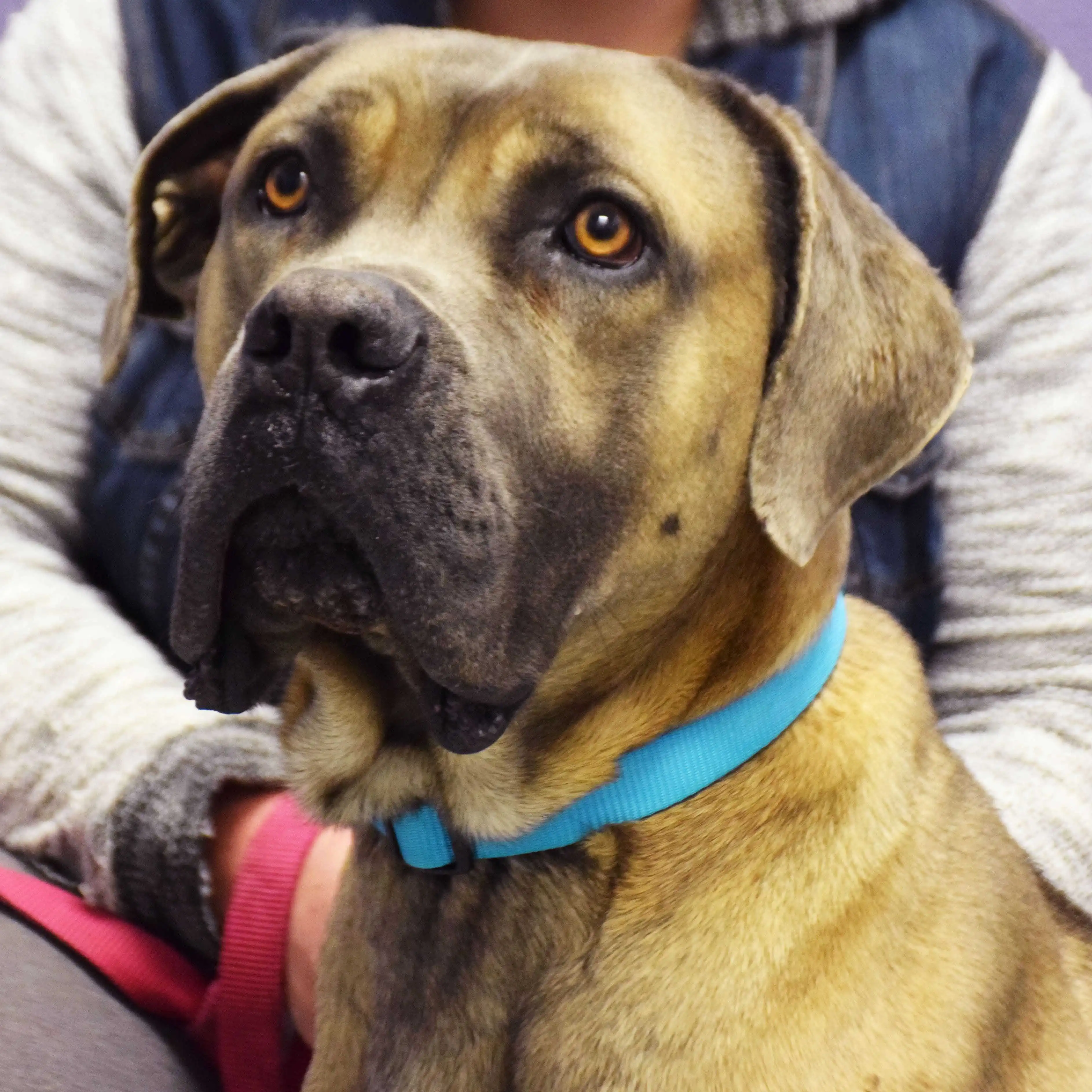
The Doubull-Mastiff is a mixed breed resulting from the combination of the Bullmastiff and the Mastiff. This breed is notable for its substantial size and boasts a short, thick coat that sheds very little. To keep its coat looking shiny, a weekly brushing is suggested to remove any loose fur. Renowned for its calm demeanor, the Doubull-Mastiff is a loving and loyal companion, making it a wonderful choice for families. However, because of its large stature, many owners recommend against housing this breed in an apartment.
Breed Origin
The Dobull-Mastiff is a relatively recent breed, which results in a scarcity of detailed historical information. Nevertheless, we can delve into the histories of its parent breeds. The Bullmastiff made its way to the United States in the 1920s, brought over by oil tycoon John D. Rockefeller, who desired a large, formidable dog to safeguard his estate. This breed originated in England in the 1860s as a cross between the Mastiff and the Bulldog. Gamekeepers selectively bred these two robust breeds to help prevent poachers from accessing the wildlife on their lands. Known as the “Gamekeeper’s Night Dog,” the Bullmastiff gained recognition for its agility, speed, and strength, which allowed it to pursue and capture intruders effectively. Dogs resembling Mastiffs can be traced back to Asia as early as 2500 B.C. These ancient animals were employed for hunting lions, engaging in combat sports, and serving in military roles. In the Roman Colosseum, they were pitted against bulls, tigers, bears, and lions. Julius Caesar even recorded encounters with Mastiff-like breeds during his invasion of Britain in 55 B.C. The modern Mastiff, which was developed in England over two thousand years ago, was primarily bred as a guardian to protect livestock from wolves and other dangers. Sadly, in the 1800s, Mastiffs were often subjected to cruel practices such as dog fighting, bear baiting, and bull baiting. The breed came perilously close to extinction during both World Wars, as they were used to transport munitions and faced severe food shortages during those challenging times.
Breed Appearance
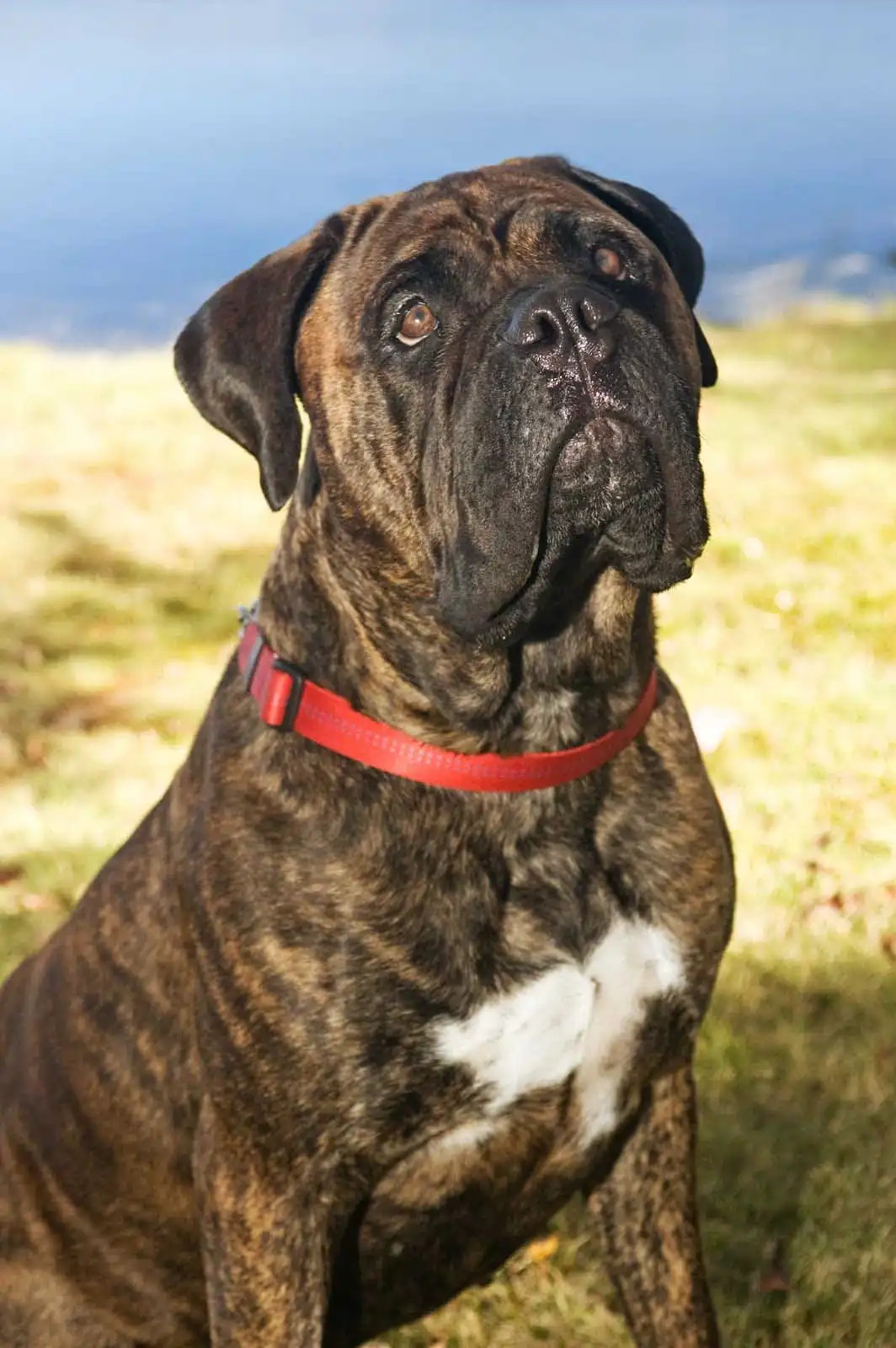
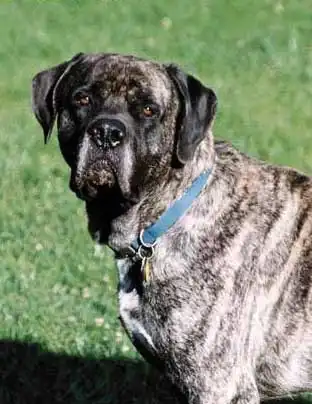
The Doubull-Mastiff showcases a blend of physical characteristics from its parent breeds, resulting in a powerful and formidable appearance. This large breed is noted for its impressive height and a short, thick coat, which usually comes in shades of fawn or brindle. With broad, square heads, floppy V-shaped ears, and compact muzzles, the Doubull-Mastiff radiates a dignified yet loving personality. Their prominent jowls are substantial, often leading to drooling, necessitating regular cleaning of the face. Furthermore, they possess a dark "mask" that highlights their eyes and nose, and may display a slight underbite, with the skin around their face featuring noticeable wrinkles and folds.

Care Routine
The Doubull-Mastiff boasts a short, dense coat that requires minimal upkeep. A weekly brushing is typically enough to remove any loose fur. Daily care of the facial folds and wrinkles is crucial to keep them dry and prevent moisture accumulation, which can lead to bacterial and yeast infections. His ears should be cleaned with an ear wash once a week. To prevent tartar buildup and gingivitis, it's recommended to brush his teeth with toothpaste formulated for dogs several times a week. Additionally, his nails may need to be trimmed monthly. Starting this grooming routine while he is still a puppy can help him get used to it, and many dogs eventually come to appreciate the grooming process.
Behavior & Temperament
The Doubull-Mastiff showcases a unique combination of traits and personality features inherited from its parent breeds. Renowned for their protective instincts, these dogs make outstanding guardians for their families. To foster well-rounded temperaments, it is crucial to involve them in early obedience training and to socialize them with both unfamiliar people and other dogs. While they are not typically excessive barkers, they are certainly not mute; their sounds range from snorts and grunts to snores, and they are known to drool quite a bit. This breed can sometimes display a stubborn nature, which makes patience and consistent training essential. Although they may lean towards laziness, it is important to provide them with regular daily walks to avoid obesity. Generally, Doubull-Mastiffs are friendly and tend to get along well with children, but due to their large size, supervision during playtime is necessary. Teaching children to interact with animals respectfully and gently is crucial, and they should never be permitted to ride on the Doubull-Mastiff, as this could result in injury. In essence, the Doubull-Mastiff is a gentle giant that needs to be reminded that it is not a lapdog.


Play & Exercise
Your Doubull-Mastiff will thoroughly enjoy his daily walks and will find joy in playing fetch and running around in a safe yard. However, it's important to manage playtime during hot weather. As a puppy, he will have a lot of energy, but because he grows quickly, it's vital to prevent overexertion, even in his early stages. Excessive exercise can negatively impact the joints and bones of a developing large breed. Although the Doubull-Mastiff may lean towards a more relaxed lifestyle, consistent exercise is essential to prevent him from gaining excess weight.
Things to Know
Cups Per Day
4.0 Cups
Daily Activity
30 Minutes
Average Lifespan
10 Years
Origin
Unknown
Type
Crossbreeds
Size
Giant
Origin Country
United States
Brush Frequency
Weekly
Coat Texture
Straight
Ancestors
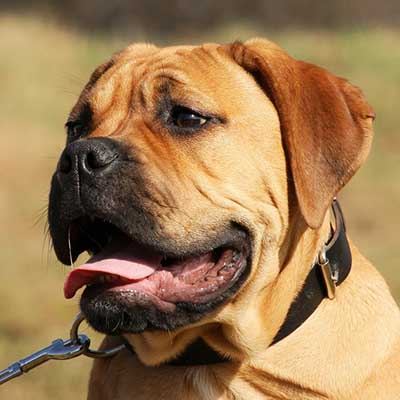
Bullmastiff
In 1795, historical accounts reveal that the Bullmastiff was created by crossing the Mastiff with the Bulldog, resulting in a genetic makeup of approximately 60% Mastiff and 40% Bulldog. To achieve purebred status, these dogs underwent three generations of selective breeding. Originally, their primary function was to track and capture poachers, but their roles later evolved to include service in military and law enforcement, as well as acting as guardians for the Diamond Society of South Africa. Today, the Bullmastiff is celebrated for its loyalty and gentle nature. While they may seem formidable and can show aggression if provoked, their usual temperament is calm and affectionate. They are known for their gentle disposition, patience with children, and a strong desire for human leadership. This breed thrives under the guidance of a strong, fair, and consistent owner who can earn their respect and provide clear direction. Bullmastiffs are receptive to training, but they are also sensitive to the tone of voice, which means that assertive yet gentle communication is essential. They make excellent family pets, offering protection without unnecessary aggression unless they perceive a threat. With appropriate socialization during their early years and consistent guidance, they can develop into devoted and loyal companions.
Read more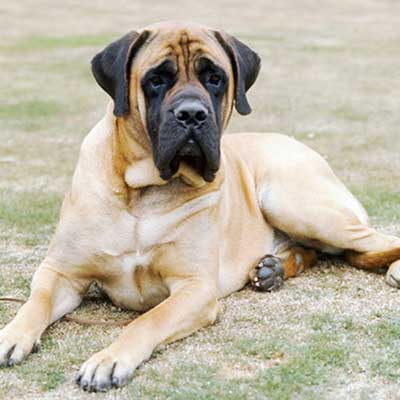
Mastiff
The Mastiff is acknowledged as the largest dog breed. Although breeds such as Wolfhounds and Great Danes may surpass it in height, the Mastiff is distinguished by its remarkable musculature, sturdy physique, and significant bone structure. This breed has its origins in the ancient Molosser lineage, which eventually migrated to the British Isles. Over time, the Mastiff thrived in England, initially serving as a guardian and later becoming involved in the cruel practices of bull and bear baiting. The 19th century marked the decline of these inhumane activities, prompting a selective breeding program that transformed this once fierce breed into a gentle giant. Today, the Mastiff retains its status as one of the largest breeds, continuing its tradition as a loyal protector of its family.
Read moreRegister
Your kids have been begging for a pet forever, and you've recently decided that it's time for your family to get a new addition -- a dog! While everyone is excited for the new arrival, you're wondering if you need to have a dog license. How much does it cost? Is it required? Where do you get one?
Member Clubs

PETINNATE
Other
Height & Weight
Weight
165 lbs (75 kg)Male: 165 lbs (75 kg) , Female: 165 lbs (75 kg)
Height
32 inches (81 sm)Male: 32 inches (81 sm) , Female: 32 inches (81 sm)
Eye Colors
Brown

Nose Colors
Black
Coat Colors
Fawn
Brindle