Doxie Scot
The Doxie Scot is a hybrid breed created by crossing a Dachshund with a Scottish Terrier. As a designer dog, there is limited information available about its specific traits, as it can inherit a variety of physical features and characteristics from either parent. This breed is recognized for its spirited and energetic personality, displaying surprising agility despite its elongated body and compact size. Doxie Scots are also known for their loyalty and bravery towards their families, making early socialization with other dogs and pets essential. Given that both parent breeds are known for their vocal tendencies, you can anticipate that the Doxie Scot will be quite talkative. Furthermore, since both the Scottish Terrier and the Dachshund often develop strong bonds with a particular family member, proper socialization is crucial for raising a well-adjusted and happy Doxie Scot.
Breed Origin
The Doxie Scot is a modern hybrid breed that emerges from the combination of a Dachshund and a Scottish Terrier. As a relatively new breed, it does not possess a well-defined historical narrative apart from that of its parent breeds. The physical characteristics and traits of the Doxie Scot can differ significantly, showcasing features inherited from either parent, and there is limited information available regarding this hybrid. It is recognized by various organizations, such as the American Canine Hybrid Club, the Designer Breed Registry, the Designer Dogs Kennel Club, the Dog Registry of America, and the International Designer Canine Registry, under the names Doxie Scot and Doxie Scott. To better understand the potential qualities of the Doxie Scot, prospective owners are encouraged to research the histories and traits of its parent breeds. The Scottish Terrier traces its lineage back to the now-extinct Scotch Terrier, which was first noted by the Romans in 55 BC. They recognized these small dogs as agile hunters skilled at tracking prey underground, referring to them as Terrarii, meaning "workers of the earth." Over time, the Terrier group flourished in Scotland and England, eventually spreading to Germany and France. By the 1800s, the Scottish Terrier had established itself as a small, wire-haired breed within the Skye group, setting it apart from the smooth-coated Terriers found in England. The Dachshund, whose name translates to "badger dog" in German, was specifically bred for hunting badgers. Its elongated body was designed to aid in digging and pursuing ground-dwelling animals such as badgers, hares, and foxes. The breed's history can be traced back to at least the 15th century in Germany, and it may share ancestry with the French Basset Hound and certain Terrier breeds, contributing to the distinctive earth dog we recognize today. The Dachshund's breed standard was established in 1879, and it made its American debut in 1888, with 11 dogs registered with the American Kennel Club. Today, the Dachshund is unique as the only breed recognized by the AKC that functions as both an above-ground and below-ground hunter.
Breed Appearance
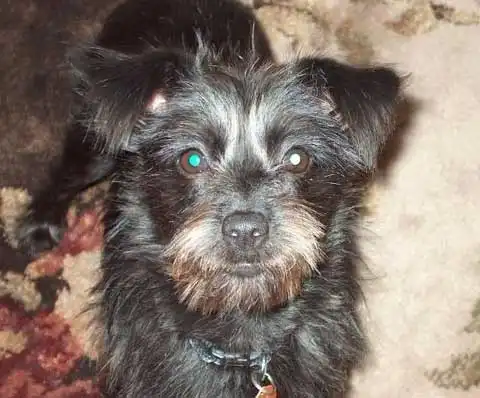
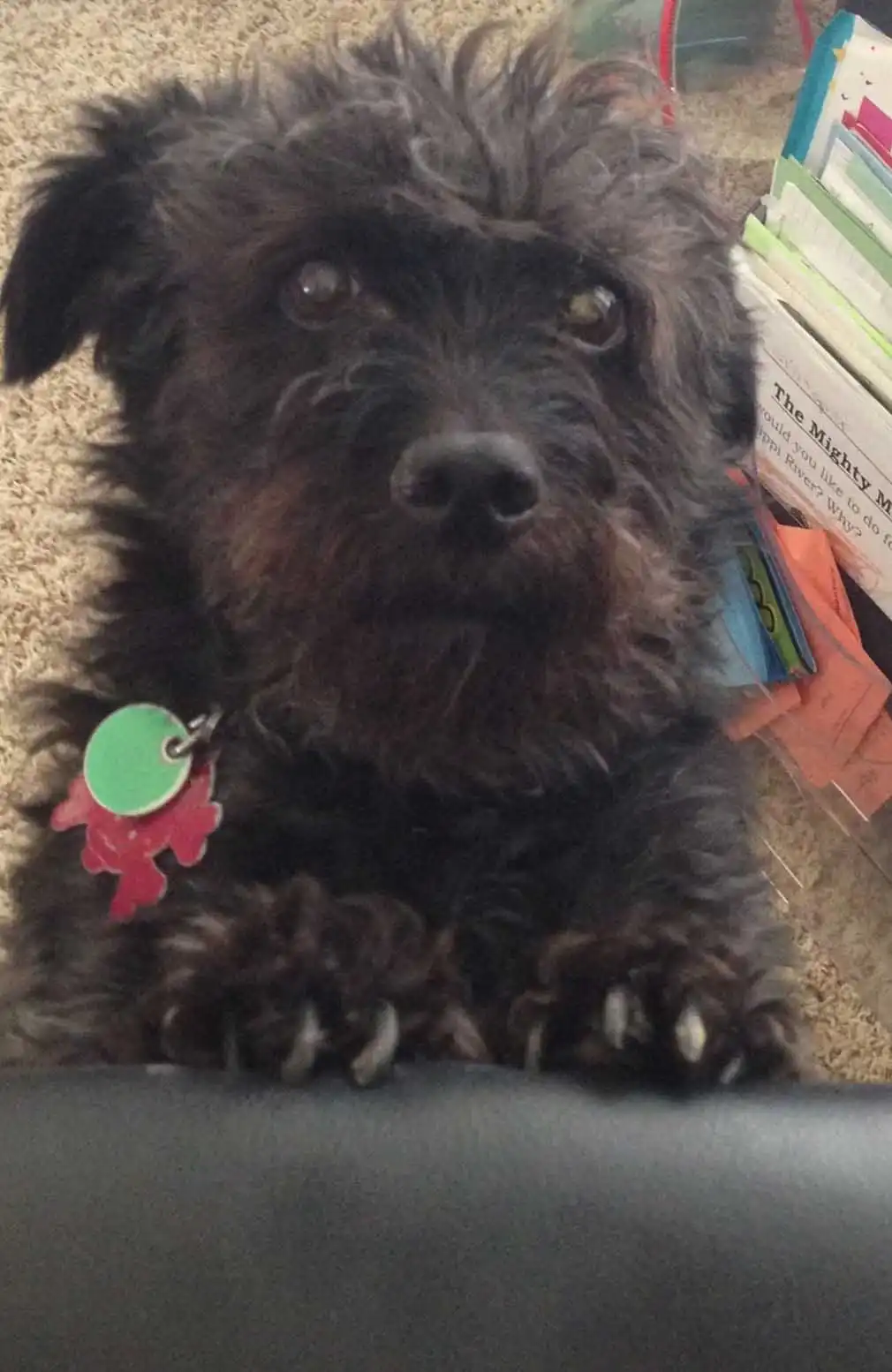
The Doxie Scot is a mixed breed that results from crossing a Dachshund with a Scottish Terrier, generally categorized as small to medium in size. This breed may inherit the Scottish Terrier's wiry coat, often in black, or it might take on the sleek look of the Dachshund, showcasing a variety of colors including black and tan, brown, red, or white. The Doxie Scot features larger ears that are set lower on the head compared to those of the Scottish Terrier. While Scottish Terriers are compact and low to the ground relative to their body size, the Dachshund exhibits a more pronounced physique. The Doxie Scot maintains this distinctive build, characterized by sturdy legs and a longer body than that of the Scottish Terrier. Its tail is usually carried level with the back and may have a slight curl, but it can also stand upright when the dog is excited, reflecting the traits inherited from its Scottish Terrier ancestry.

Care Routine
If a Doxie Scot inherits the hypoallergenic characteristics from its Scottish Terrier parent, it is likely to experience minimal shedding, making it a favorable option for those with allergies. On the other hand, a softer, smoother coat may suggest a closer resemblance to the Dachshund, which could raise allergy concerns, even though Dachshunds are not known for heavy shedding. To keep this hybrid looking its best and to ensure its health, regular grooming is crucial. This should include a mix of tools like stiff brushes, hound gloves, and wide-toothed combs on a weekly basis. Bathing should be reserved for when it is truly necessary, as the skin of the Scottish Terrier can be quite sensitive. Furthermore, neither parent breed is typically linked to unpleasant dog odors. Given the Doxie Scot's longer, more flexible ears, it is also recommended to clean their ears regularly.
Behavior & Temperament
The Doxie Scot inherits a vibrant and spirited nature from its Scottish Terrier ancestry, often presenting a serious front. When distressed, this breed tends to be quite vocal and assertive, making it an excellent watchdog. Generally, the Doxie Scot develops a strong bond with one family member and is ideally suited for homes with older children who know how to engage with dogs. Although this breed thrives on human interaction, it does not tolerate teasing or rough play, despite its nimble physique. The Doxie Scot may be somewhat wary of strangers and can display shyness, taking its time to evaluate new people before forming a judgment. It is essential to approach a Doxie Scot with respect and a friendly demeanor, as the Scottish Terrier lineage is particularly sensitive to human emotions. This hybrid is intelligent but can also exhibit a stubborn streak. Drawing from its Dachshund roots, the Doxie Scot often responds well to training that incorporates food rewards; however, the independent spirit of the Scottish Terrier may lead your Doxie Scot to occasionally follow its own inclinations.
Play & Exercise
The Doxie Scot, a delightful mix of the lively Scottish Terrier and the resilient Dachshund, stays low to the ground and doesn’t need rigorous exercise routines. However, it’s crucial for this hybrid to have daily physical activity. Typically, a brisk 30-minute walk twice a day is adequate, but it’s important to consider the pace, as the Dachshund’s shorter legs may struggle to match the Scottish Terrier’s quicker strides. This breed is moderately active and generally exhibits a calmer demeanor than its Scottish Terrier lineage, largely due to the more relaxed temperament of the Dachshund. Still, your Doxie Scot can display a playful nature. Regarding climate, while the Dachshund may find cold weather challenging, the Doxie Scot adapts well to temperate environments. Both parent breeds are well-suited for apartment living, meaning that whether you live in an urban setting or a rural area, a Doxie Scot can flourish as long as it receives sufficient exercise. Regular physical activity is vital not just for physical well-being but also for mental engagement, helping to mitigate any digging or burrowing tendencies inherited from its parent breeds.
Things to Know
Cups Per Day
1.0 Cups
Daily Activity
60 Minutes
Average Lifespan
13 Years
Origin
Unknown
Type
Crossbreeds
Size
Small
Origin Country
United States
Brush Frequency
Weekly
Coat Texture
Wiry
Ancestors
Dachshund
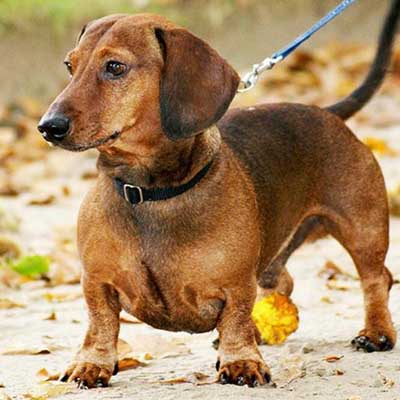
Since the 1950s, Dachshunds have consistently been among the most beloved dog breeds. With their distinctive long bodies and short legs, these dogs are not only charming but also exhibit a spirited and courageous personality. Although they possess intelligence, training can be challenging, especially if the techniques used become repetitive. Their inherent stubbornness often leads them to prefer their own methods. Originally developed in Germany for hunting small game, these characteristics are still apparent in their behavior today, which may manifest as a tendency to chase smaller animals or dig in the yard. Dachshunds are lively both indoors and outdoors, allowing them to adapt well to a variety of living environments.
Read more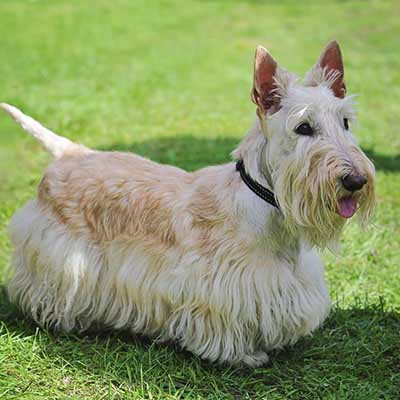
Scottish Terrier
The Scottish Terrier is a small yet spirited breed, celebrated for its lively character. In the 1700s, breeders started developing what we now know as the Scottish Terrier, originally calling it the Aberdeen Terrier after a town in Scotland. The breed was affectionately dubbed the “little diehard” by the fourth Earl of Dumbarton, a nickname that still resonates today. Though they are petite, these dogs are brimming with bravery and vitality. Initially bred to hunt rabbits, otters, foxes, and badgers, Scottish Terriers continue to excel as vigilant watchdogs and devoted companions.
Read moreRegister
Your kids have been begging for a pet forever, and you've recently decided that it's time for your family to get a new addition -- a dog! While everyone is excited for the new arrival, you're wondering if you need to have a dog license. How much does it cost? Is it required? Where do you get one?
Member Clubs

PETINNATE
Other
Height & Weight
Weight
23 lbs (10 kg)Male: 23 lbs (10 kg) , Female: 23 lbs (10 kg)
Height
9 inches (23 sm)Male: 9 inches (23 sm) , Female: 9 inches (23 sm)
Eye Colors
Brown

Nose Colors
Black
Coat Colors
Black
Brown
Red

White