Englian Mastiff
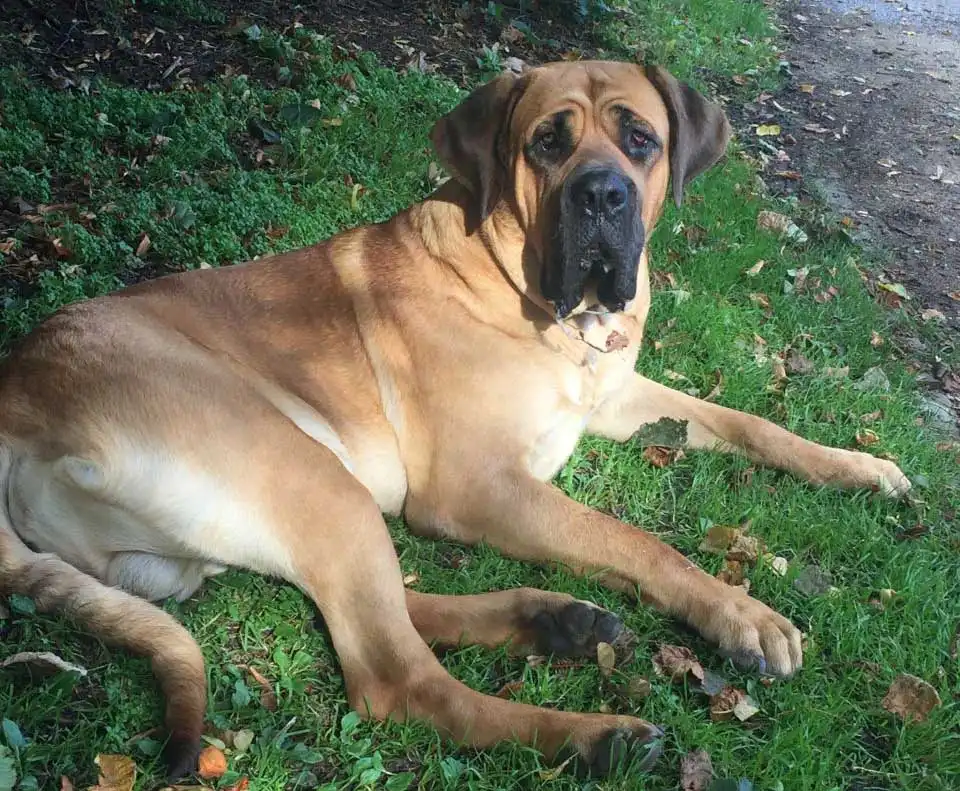
The Englian Mastiff is a large breed that might seem daunting at first, but beneath that exterior lies a gentle giant known for its loving and serene nature. This breed is a wonderful choice for families, although they do tend to drool significantly and are not ideal for warmer climates. Generally, they are quiet and will bark only when necessary. They usually get along well with children, as long as the kids exhibit proper leadership. When interacting with strangers, the Englian Mastiff may be a bit aloof, highlighting the importance of early socialization. They flourish under the direction of a confident leader, making obedience training vital. Despite their calm demeanor, these dogs possess a natural guarding instinct inherited from their forebears and will react to perceived threats unless reassured by their owner. While training can present challenges, the effort can be rewarding with consistent practice. They respond best to a training style that balances firmness with gentleness.

Breed Origin
The origins of the hybrid Englian Mastiff remain somewhat ambiguous due to insufficient documentation, making it more effective to explore the characteristics of its ancestral breeds to predict the traits your pet may inherit. All European Mastiffs can trace their ancestry back to the ancient Tibetan Mastiff, a breed with a rich history. These dogs were companions to British soldiers as early as 55 BC. Julius Caesar is well-known for bringing a group of Mastiffs to Rome, where they were forced to fight in the brutal arenas against humans, lions, and even in bear and dog fights. After this violent period, Mastiffs became popular in England, appreciated for their roles as both guardians and companions. It is believed that the English Mastiff arrived in America on the Mayflower, with further imports occurring later. This breed is recognized for its adaptability, thriving in various roles such as police and military service, search and rescue missions, and as watchdogs and guard dogs. Conversely, the Neapolitan Mastiff descends directly from the Roman Molossus dog. Although it faced near extinction, it survived in the Campania region despite the destruction of war. Historically, these dogs were used in combat and the brutal spectacles of the Roman arenas. Their impressive size and strength have established them as formidable guard dogs, effectively deterring potential threats. The Neapolitan Mastiff has been utilized by Italian law enforcement and military forces, as well as by property owners looking to protect their possessions. Despite its distinguished heritage, this breed remains relatively uncommon in the United States, having gained official recognition from the American Kennel Club in 2004.
Breed Appearance
The Englian Mastiff is an impressive and powerful breed, known for its substantial size and strength. This dog may exhibit unique facial folds inherited from the Neapolitan Mastiff or the distinctive black mask typical of the English Mastiff. With a broad, square head, the Englian Mastiff conveys a robust and commanding presence. Its muzzle is generally about half the length of the skull, and the ideal bite is either scissors or slightly undershot. Eye traits can differ depending on genetic background; they may be medium-sized and dark hazel, especially in individuals with a dark mask similar to the English Mastiff, or they might display deep-set amber brown eyes that are nearly hidden by drooping upper eyelids. The breed's small, triangular ears are well-suited to its head, and the tail is carried high, tapering to a point or curling over the back. Its strong, muscular legs, ending in rounded feet, support a sturdy body covered in a short, straight, and smooth coat that comes in a variety of colors.


Care Routine
Grooming the Englian Mastiff is typically a straightforward task, although it can be quite time-consuming due to the size of the breed. To prevent matting and remove loose hair and dirt, it’s crucial to regularly use a firm bristle brush. Bathing your dog or applying dry shampoo should be done as necessary. Additionally, it’s vital to check the skin folds for any debris or signs of infection. After bathing, ensure that these folds are completely dried to prevent any health complications. Begin training your puppy to accept tooth brushing early on, as this will make the process easier as they mature. Be ready for some drooling, especially in warmer weather or after they drink, and keep paper towels handy for quick clean-ups.
Behavior & Temperament
The Englian Mastiff is a striking breed, recognized for its impressive size and formidable presence. Yet, beneath this tough facade lies a gentle giant that is fiercely devoted to its family. This breed shows a particular fondness for children and generally gets along well with other pets in the home. To help them understand their role within the family, early socialization is vital. These dogs flourish under the direction of a strong but kind leader. While they are eager to please and respond well to training, they have a strong will and may ignore timid owners; therefore, establishing yourself as the pack leader is crucial for earning their respect. With consistent patience, these dogs can reach a high level of obedience. Although they may not be the right fit for every owner, it is a misconception to view them as difficult. They simply require a confident leader, and in exchange, they will provide steadfast love and loyalty. Despite their significant size and strength, they are mindful of their power and tend to be gentle and careful around smaller animals and children.


Play & Exercise
The Englian Mastiff is generally quite inactive when at home, but they flourish both mentally and physically with regular exercise. Their relatively low energy allows them to adapt well to apartment living, provided they get their daily dose of physical activity. These dogs have inherent guarding instincts; their large stature and serious demeanor can easily deter potential intruders. However, they also exhibit a playful side, especially when playing with children in the family. For young Englian Mastiff puppies, socialization is essential; frequent trips to the dog park can be a joyful outing for your gentle giant. They respond best to a confident owner, as they may take advantage of someone who is more laid-back. Moreover, participating in training sessions will significantly enhance your dog's development.
Things to Know
Cups Per Day
3.0 Cups
Daily Activity
60 Minutes
Average Lifespan
10 Years
Origin
Unknown
Type
Crossbreeds
Size
Giant
Origin Country
United States
Brush Frequency
Daily
Coat Texture
Straight
Ancestors
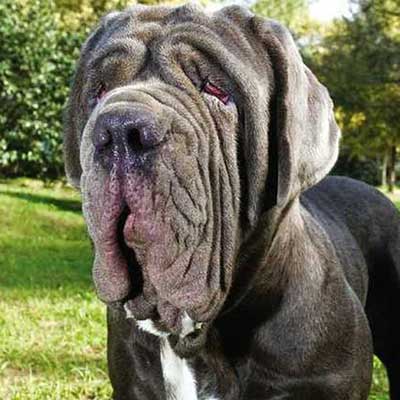
Neapolitan Mastiff
The Neapolitan Mastiff presents a striking and formidable presence, making it easy to understand why ancient Italians turned to these dogs for protection. Their robust physique and commanding stature serve as effective deterrents against potential intruders. Yet, beneath their intimidating appearance lies a gentle and affectionate disposition, earning them the nickname "gentle giants." Weighing between 110 and 200 pounds, Neapolitan Mastiffs are characterized by their loose skin and prominent, wrinkled faces. They are known for their strong protective instincts and unwavering loyalty to their families. Their calm nature and loving personality make them a favored choice for many households. However, prospective owners should recognize that without proper socialization, Neapolitan Mastiffs can display stubbornness, willfulness, and even aggression towards strangers and other dogs. This breed thrives under the guidance of a confident owner who can manage their protective tendencies, making them less suitable for inexperienced dog owners. With early training and socialization, a Neapolitan Mastiff can grow into a well-adjusted and peaceful companion, offering steadfast love and loyalty.
Read more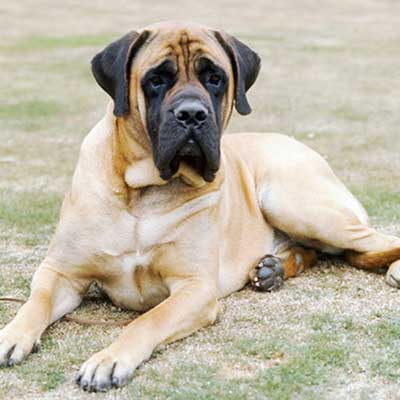
Mastiff
The Mastiff is acknowledged as the largest dog breed. Although breeds such as Wolfhounds and Great Danes may surpass it in height, the Mastiff is distinguished by its remarkable musculature, sturdy physique, and significant bone structure. This breed has its origins in the ancient Molosser lineage, which eventually migrated to the British Isles. Over time, the Mastiff thrived in England, initially serving as a guardian and later becoming involved in the cruel practices of bull and bear baiting. The 19th century marked the decline of these inhumane activities, prompting a selective breeding program that transformed this once fierce breed into a gentle giant. Today, the Mastiff retains its status as one of the largest breeds, continuing its tradition as a loyal protector of its family.
Read moreRegister
Your kids have been begging for a pet forever, and you've recently decided that it's time for your family to get a new addition -- a dog! While everyone is excited for the new arrival, you're wondering if you need to have a dog license. How much does it cost? Is it required? Where do you get one?
Member Clubs

PETINNATE
Other
Height & Weight
Weight
161 lbs (73 kg)Male: 165 lbs (75 kg) , Female: 158 lbs (72 kg)
Height
31 inches (79 sm)Male: 34 inches (86 sm) , Female: 29 inches (74 sm)
Eye Colors
Brown

Amber
Nose Colors
Black
Coat Colors
Black
Red
Brown
Gray
Silver