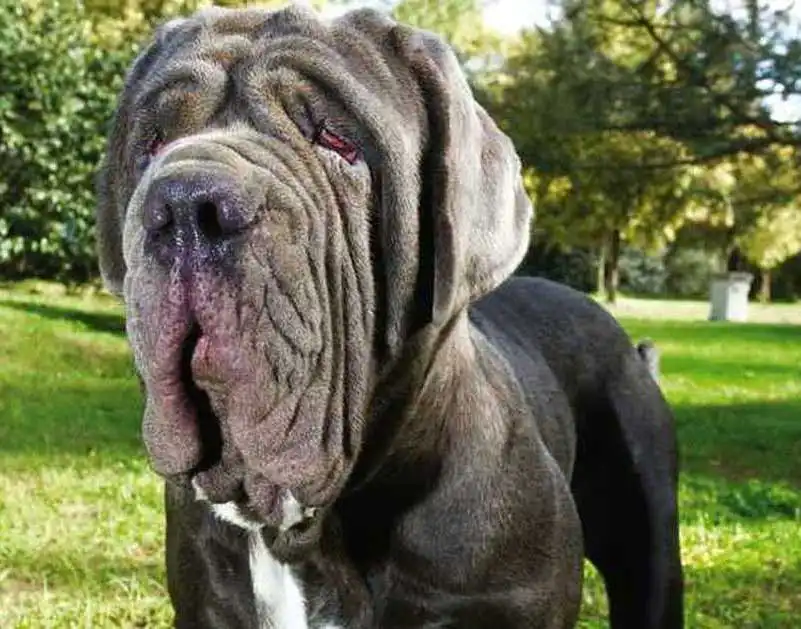
Neapolitan Mastiff
Italian Mastiff, Italian Molosso
The Neapolitan Mastiff presents a striking and formidable presence, making it easy to understand why ancient Italians turned to these dogs for protection. Their robust physique and commanding stature serve as effective deterrents against potential intruders. Yet, beneath their intimidating appearance lies a gentle and affectionate disposition, earning them the nickname "gentle giants." Weighing between 110 and 200 pounds, Neapolitan Mastiffs are characterized by their loose skin and prominent, wrinkled faces. They are known for their strong protective instincts and unwavering loyalty to their families. Their calm nature and loving personality make them a favored choice for many households. However, prospective owners should recognize that without proper socialization, Neapolitan Mastiffs can display stubbornness, willfulness, and even aggression towards strangers and other dogs. This breed thrives under the guidance of a confident owner who can manage their protective tendencies, making them less suitable for inexperienced dog owners. With early training and socialization, a Neapolitan Mastiff can grow into a well-adjusted and peaceful companion, offering steadfast love and loyalty.
Breed Origin
These extraordinary dogs have deep roots in Italy, particularly in the Naples region, where they originated. Their ancestry can be traced back to Roman war dogs that were bred with the formidable British Mastiff. Despite their somewhat saggy appearance, these dignified animals exude a wonderful spirit. The Neapolitan Mastiff, affectionately known as the Neo, has long been valued for its protective instincts, serving as a loyal guardian of family farms and estates throughout the years. This earned them the endearing moniker “big dogs for little men,” reflecting their charming nature and the strong connections they forge with their families. However, the Neo faced a perilous decline during World War II, a consequence of the destruction wrought by war and the pressures of industrialization. Thankfully, Italy was determined to preserve this magnificent breed. In 1946, the Neapolitan Mastiff was reintroduced to the public at a dog show in Naples, largely due to the efforts of notable Italian journalist Piere Scanziana, who was passionate about promoting the breed. By the early 1970s, the Neo had gained traction across Europe and even made its way to the United States. While these dogs were historically prized for their guarding capabilities on estates and farms, they are now more frequently seen in dog shows and cherished as family pets. Nonetheless, having one of these large dogs in your home provides a strong sense of security against potential intruders. It’s essential to keep in mind that they require significant socialization and patience to learn how to interact appropriately with family members, strangers, and other dogs.
Breed Appearance
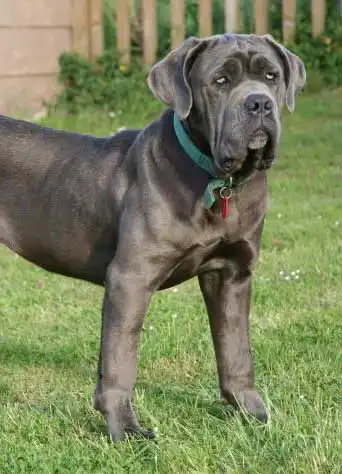
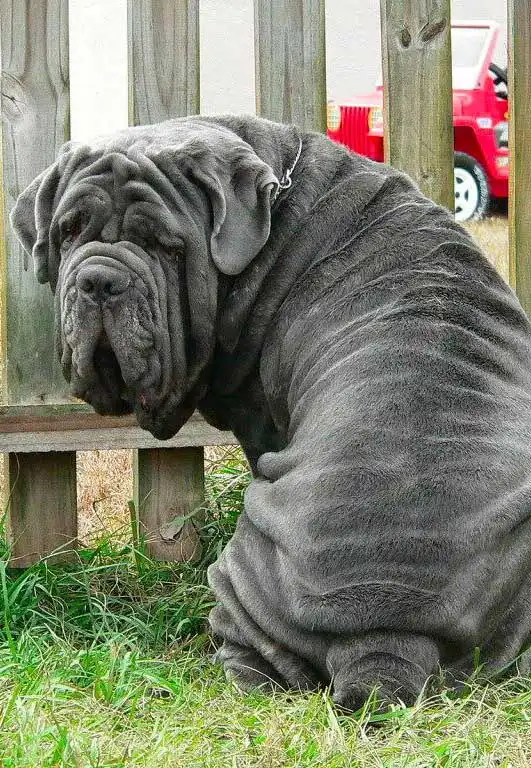
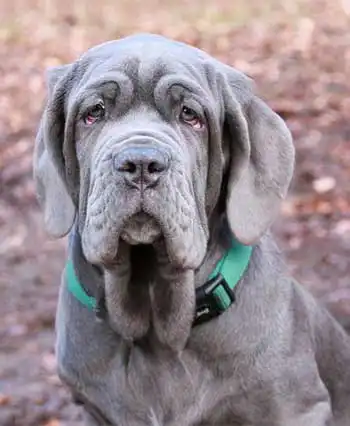
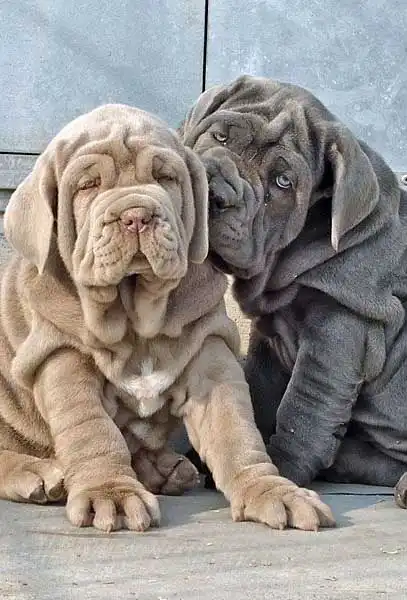
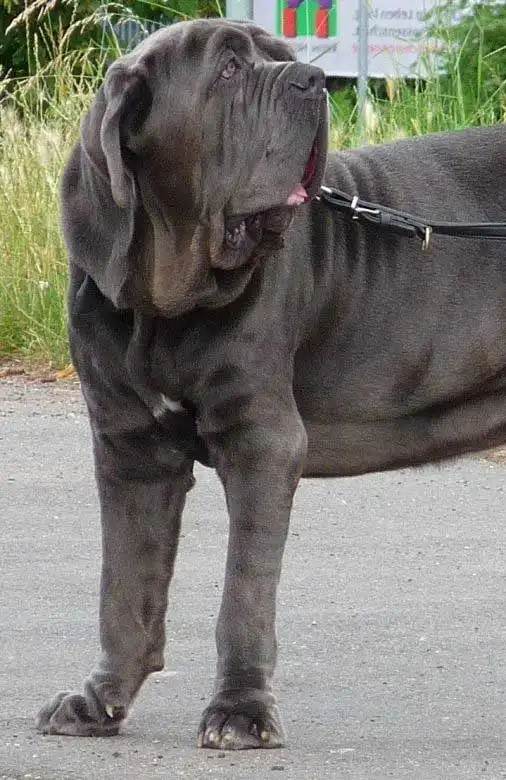
The most striking feature of the Neapolitan Mastiff is its remarkable size. This breed is characterized by a strong and muscular build, enveloped in loose skin and numerous wrinkles. The unique skin folds obscure the shape of its head, while a prominent dewlap adds to its distinctive look. The Neo has a large nose that complements its coat color, and its eyes, although alert, often seem somewhat sleepy due to the facial folds. Eye color can vary from amber to brown, depending on the shade of the dog's coat. Its large, drooping ears and slow, heavy movements enhance the overall appearance of the breed. The coat comes in a range of colors, from light tawny to deep black, with white being absent from the face. Brindle or white markings may be present, and a small amount of white can occasionally be seen on the chest or toes.
Care Routine
It's clear that a dog like the Neapolitan Mastiff, known for its abundant skin folds, needs consistent grooming, especially when it comes to baths. While this breed doesn't shed excessively, it's beneficial to brush your Neo often to remove dirt and loose hair that can gather in its coat. It's crucial to regularly clean the wrinkles with a damp cloth and ensure these areas are thoroughly dried to prevent any risk of infection. Moreover, because this breed can develop a musky smell due to its oily skin, frequent bathing can help manage this odor. Additionally, routine nail trimming and ear cleaning are vital to avoid infections.
Behavior & Temperament
The Neapolitan Mastiff, known for its impressive size and striking appearance, has a bark that is much more intimidating than its bite. In fact, you might liken this breed to a 200-pound lap dog! While they possess a natural protective instinct, with the right training and early socialization, a Neo can evolve into a gentle giant who cherishes his family and maintains a serene demeanor. It’s important to remember that, despite their slow movements and friendly nature when properly socialized, these dogs were originally bred for guarding purposes. Consequently, your Neo may display caution around strangers and could be aggressive towards unfamiliar dogs. To cultivate a well-adjusted pet, begin training early and consider enrolling him in puppy kindergarten classes while he is still young. This approach will help you nurture a loving and gentle companion who will go to great lengths for his family, offering both safety and affection.
Play & Exercise
Things to Know
Cups Per Day
6.5 Cups
Daily Activity
60 Minutes
Average Lifespan
9 Years
Origin
ancient times
Type
Pure Breeds
Size
Giant
Origin Country
Italy
Brush Frequency
Weekly
Coat Texture
Straight
Register
Your kids have been begging for a pet forever, and you've recently decided that it's time for your family to get a new addition -- a dog! While everyone is excited for the new arrival, you're wondering if you need to have a dog license. How much does it cost? Is it required? Where do you get one?
Member Clubs

PETINNATE
Guardian Dog

AKC
Working Group

UKC
Guardian Dog
Height & Weight
Weight
161 lbs (73 kg)Male: 175 lbs (79 kg) , Female: 148 lbs (67 kg)
Height
28 inches (71 sm)Male: 29 inches (74 sm) , Female: 27 inches (69 sm)
6 Months
105 lbs ( m 105 lbs, f 105 lbs )
21 inches ( m 21 inches, f 21 inches )
12 Months
115 lbs ( m 115 lbs, f 115 lbs )
23 inches ( m 23 inches, f 23 inches )
18 Months
147 lbs ( m 147 lbs, f 147 lbs )
26 inches ( m 26 inches, f 26 inches )
Eye Colors
Brown

Amber
Nose Colors
Blue
Black
Brown
Isabella
Coat Colors
Black

Brown
Red
Fawn
Sable
Brindle
Characteristics
Mixes
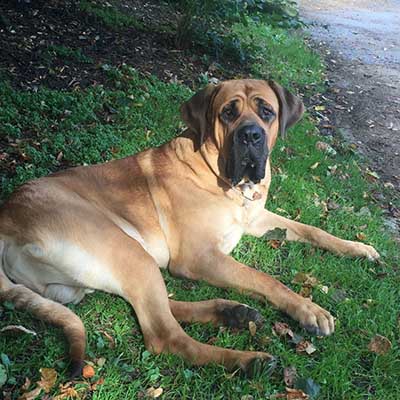
Englian Mastiff
The Englian Mastiff is a large breed that might seem daunting at first, but beneath that exterior lies a gentle giant known for its loving and serene nature. This breed is a wonderful choice for families, although they do tend to drool significantly and are not ideal for warmer climates. Generally, they are quiet and will bark only when necessary. They usually get along well with children, as long as the kids exhibit proper leadership. When interacting with strangers, the Englian Mastiff may be a bit aloof, highlighting the importance of early socialization. They flourish under the direction of a confident leader, making obedience training vital. Despite their calm demeanor, these dogs possess a natural guarding instinct inherited from their forebears and will react to perceived threats unless reassured by their owner. While training can present challenges, the effort can be rewarding with consistent practice. They respond best to a training style that balances firmness with gentleness.
Read more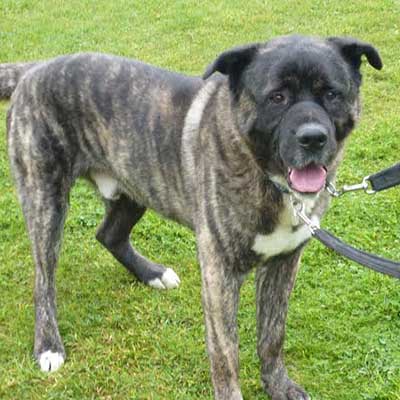
Nekita
The Nekita hybrid is a crossbreed between the Akita Inu and the Neapolitan Mastiff. Given the substantial size of both parent breeds, a mature Nekita typically weighs around 160 pounds and stands between 25 to 29 inches tall. Their coat is short and thick, often showcasing a variety of colors, including brindle, sable, fawn, red, brown, black, white, silver, or pied. While they are loving and sociable with their families, they may be cautious around young children who are not yet school-aged. With appropriate training, they can learn to be gentle, but it is crucial to supervise their interactions. Additionally, the Nekita is known for its ability to get along with other pets and makes an excellent guard dog, owing to its impressive stature and steadfast loyalty.
Read more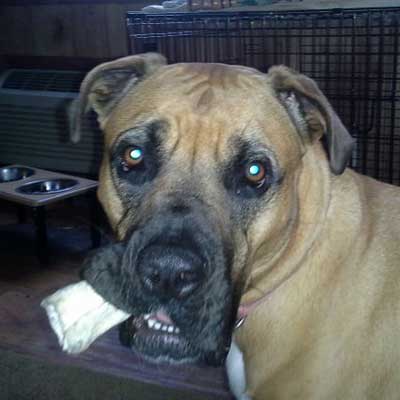
Neo Bullmastiff
The hybrid breed created from the Bullmastiff and Neapolitan Mastiff is known as the Italian Bullmastiff by the Designer Canine Registry, while the American Canine Hybrid Club calls it the Neo Bullmastiff. This breed is quite large, typically exceeding two feet in height at the shoulder and weighing over one hundred pounds. Given their size, it is crucial to provide early socialization and training to foster their generally calm nature. However, their friendly temperament may not always extend to other dogs, particularly those that show aggression or encroach on their space. They may also inherit a tendency to chase smaller animals from their Bullmastiff ancestry. While their grooming and exercise requirements are relatively minimal, these dogs are very social and thrive on interaction with their families, necessitating significant attention to ensure their happiness and emotional well-being.
Read more