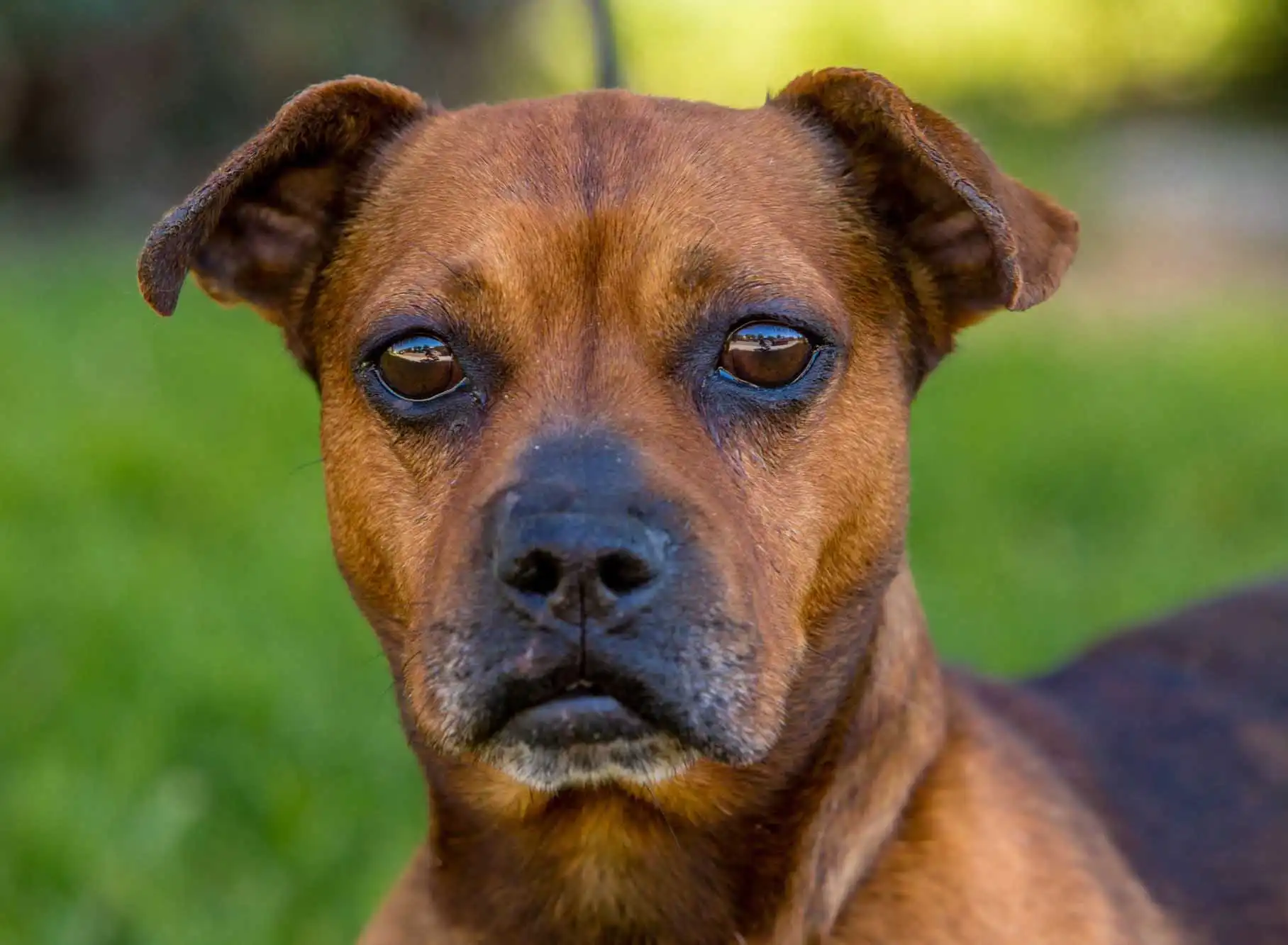
French Bull Weiner
The French Bull Weiner is an endearing blend of the lively French Bulldog and the energetic Dachshund. Typically, these hybrids weigh around 15 to 25 pounds and can have either long or short fur, which may be smooth or wiry in texture. Renowned for their friendly and loving disposition, French Bull Weiners are usually sociable, quick to learn, and enjoy playtime. Their strong loyalty to their families makes them a delightful addition to any home, providing both joy and entertainment. However, their natural instinct to chase may make them less suitable for families with young children.
Breed Origin
The Dachshund traces its origins back to Germany, where it was originally known as badger dogs. In the 1700s and 1800s, German foresters sought to breed a small yet courageous dog capable of digging into badger burrows to hunt small game. The first variant created was the smooth-coated type, a combination of the Braque and Pinscher breeds, possibly with some influence from the French Basset Hound. The wirehaired Dachshund likely developed from crosses with Spaniels, while the longhaired version was produced by mixing with Terriers. It wasn't until the 1800s that the breed evolved from a hunting companion to a beloved household pet, gaining favor among European royalty, including Queen Victoria. The American Kennel Club officially recognized the breed in 1885. However, its German heritage posed challenges during World War I. Following the war, a surge of Dachshunds arrived in the United States, aiding in the breed's growth. While they are still considered hunting dogs in some parts of Europe, in the United States and Great Britain, they are treasured as family pets. In contrast, the French Bulldog originated in England and migrated to France during the Industrial Revolution, accompanying lace makers whose traditional craft faced the threat of mechanization. Upon reaching France, this "toy" Bulldog was crossbred with Terriers and Pugs, eventually earning the name French Bulldog. With its distinctive bat-like ears and fashionable look, this breed quickly became popular, gaining recognition from the American Kennel Club in 1898.
Breed Appearance
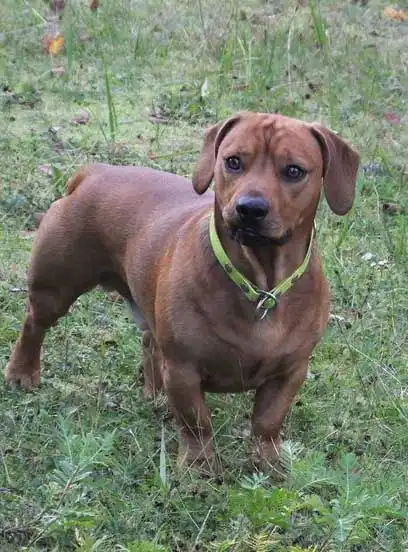
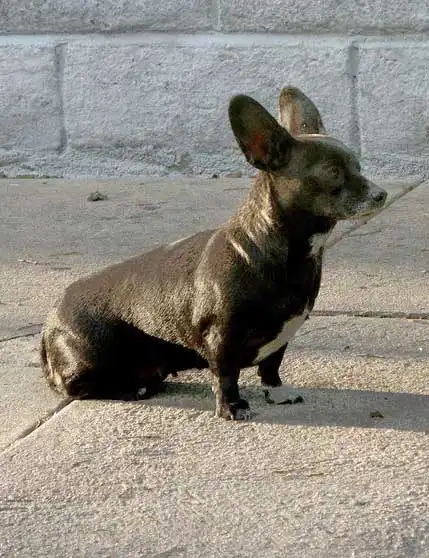
The French Bull Weiner is a sturdy and compact breed, generally weighing up to 17 pounds. This dog is available in a variety of colors, such as black, tan, red, white, brown, or combinations thereof. Its coat length can range from medium to long, with textures that may be smooth or wiry, depending on the Dachshund ancestry and the coat type of its parents. Notably, the French Bulldog is distinguished by its large ears and short, flat muzzle. Its round, dark eyes exude a vibrant and friendly demeanor, showcasing a playful spirit.

Care Routine
Taking care of this small dog is usually straightforward. As with all dogs, it’s important to brush their teeth two to three times a week, since smaller breeds are more prone to dental issues and decay. Regular nail trimming is also important. For your French Bull Weiner, daily brushing with a pin brush is recommended to keep its coat in good condition, especially if it has a long, fine coat inherited from a long-haired Dachshund parent. If the dog has a shorter coat, grooming once a week with a slicker brush should be adequate.
Behavior & Temperament
The spirited French Bull Weiner is a clever and loving breed, recognized for his cheerful personality. Typically brimming with energy, he enjoys interacting with both humans and fellow canines. However, his playful instincts may not make him the ideal pet for young children, as he might have a tendency to chase them. Although he can display a stubborn streak and a degree of independence, providing him with ample affection and attention can positively influence his behavior. Consistent training is essential; by offering him praise and rewards, he will be more motivated to participate and comply.
Play & Exercise
The French Bull Weiner is a perfect pet for active families, as he requires minimal exercise to stay fit. His small stature and balanced energy make him suitable for various living environments, and while a fenced yard is a plus, it’s not a necessity. A few short walks daily will keep your French Bull Weiner content, and he will love playing fetch in the yard, tapping into his instinct to chase. Moreover, visits to the dog park can further improve his social skills.
Things to Know
Cups Per Day
1.0 Cups
Daily Activity
30 Minutes
Average Lifespan
14 Years
Origin
Unknown
Type
Crossbreeds
Size
Small
Origin Country
Unknown
Brush Frequency
Daily
Coat Texture
Wiry
Ancestors
French Bulldog
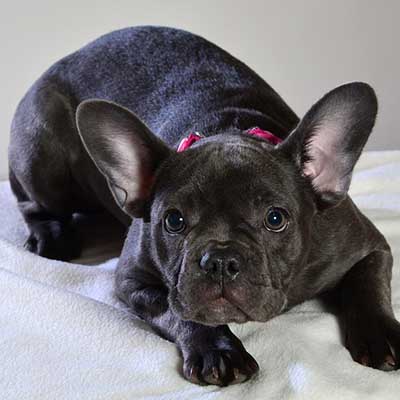
The French Bulldog, often referred to as the Frenchie, is a small breed that originated in the 1800s, initially bred for companionship despite its lineage linked to bull-baiting and pit fighting. Hailing from Normandy, France, the French Bulldog remains a cherished pet in modern times. However, this breed is prone to several health concerns and requires a nurturing environment to flourish. Although the French Bulldog does not demand extensive exercise, it has a strong need for human interaction, stemming from its history as a companion animal. A lack of socialization can lead to undesirable behaviors in this breed.
Read more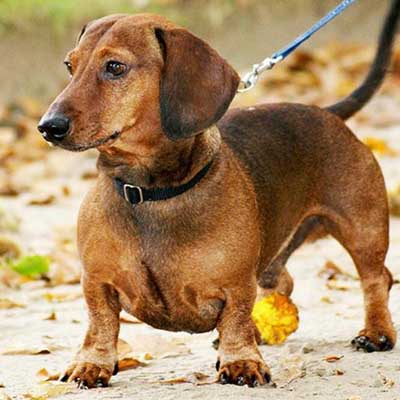
Dachshund
Since the 1950s, Dachshunds have consistently been among the most beloved dog breeds. With their distinctive long bodies and short legs, these dogs are not only charming but also exhibit a spirited and courageous personality. Although they possess intelligence, training can be challenging, especially if the techniques used become repetitive. Their inherent stubbornness often leads them to prefer their own methods. Originally developed in Germany for hunting small game, these characteristics are still apparent in their behavior today, which may manifest as a tendency to chase smaller animals or dig in the yard. Dachshunds are lively both indoors and outdoors, allowing them to adapt well to a variety of living environments.
Read moreRegister
Your kids have been begging for a pet forever, and you've recently decided that it's time for your family to get a new addition -- a dog! While everyone is excited for the new arrival, you're wondering if you need to have a dog license. How much does it cost? Is it required? Where do you get one?
Member Clubs

PETINNATE
Other
Height & Weight
Weight
16 lbs (7 kg)Male: 16 lbs (7 kg) , Female: 16 lbs (7 kg)
Height
11 inches (28 sm)Male: 10 inches (25 sm) , Female: 11 inches (28 sm)
Eye Colors
Brown

Nose Colors
Black
Coat Colors
Brown

White
Red

Black