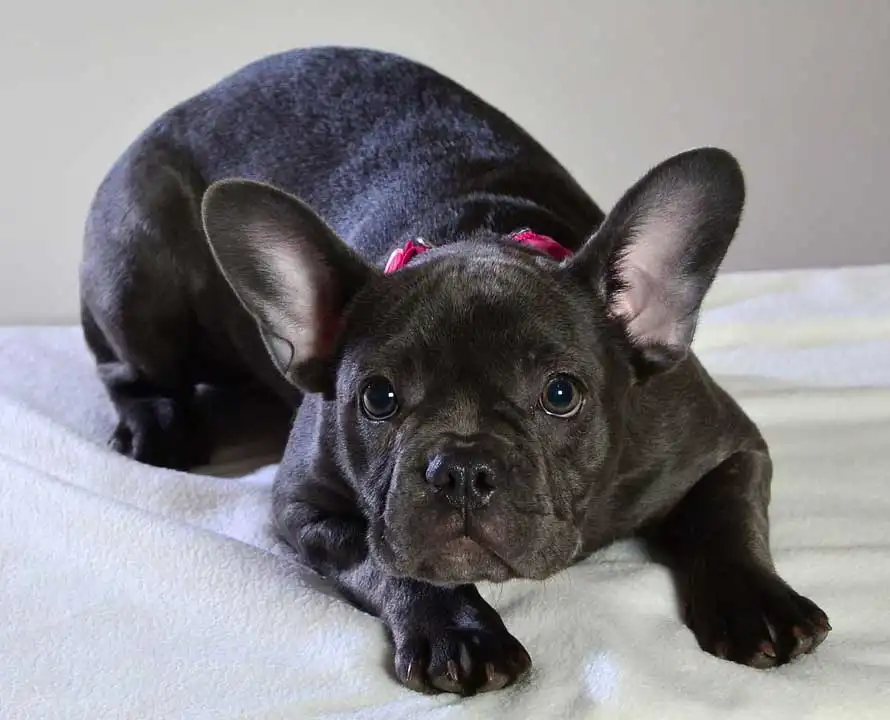
French Bulldog
Bouledogue Francais, Frenchie
The French Bulldog, often referred to as the Frenchie, is a small breed that originated in the 1800s, initially bred for companionship despite its lineage linked to bull-baiting and pit fighting. Hailing from Normandy, France, the French Bulldog remains a cherished pet in modern times. However, this breed is prone to several health concerns and requires a nurturing environment to flourish. Although the French Bulldog does not demand extensive exercise, it has a strong need for human interaction, stemming from its history as a companion animal. A lack of socialization can lead to undesirable behaviors in this breed.

Breed Origin
The French Bulldog's ancestry can be traced back to the ancient Molossians, who are the forebears of both Mastiffs and Bulldogs. Originally, these Bulldogs were bred for bull-baiting and other blood sports. However, as these activities were banned throughout England and Europe, the English Bulldog lost its original purpose. To develop a smaller breed, English Bulldogs were crossbred with small Terriers, resulting in what we now know as the French Bulldog. Those English Bulldogs that were considered too small for British tastes were sent to France, where they quickly became fashionable companions across various social strata. French Bulldogs eventually made their way to the United States, gaining official recognition as a companion breed by the American Kennel Club in 1989. Their popularity soared in both Western Europe and the U.S., where they became symbols of social prestige. At the turn of the 20th century, some French Bulldogs commanded prices as high as $3,000—equivalent to about $35,000 today. Today, the French Bulldog remains extremely popular and is on track to overtake the Labrador Retriever as the most desired dog in the UK, a title the Lab has held for 27 years. In the U.S., French Bulldogs rank among the top six most sought-after breeds. This increasing demand has unfortunately led to a rise in illegal puppy trafficking and poor breeding practices. French Bulldogs are particularly prone to a range of congenital and developmental health problems, with a staggering 81% of their litters requiring delivery through cesarean section.
Breed Appearance
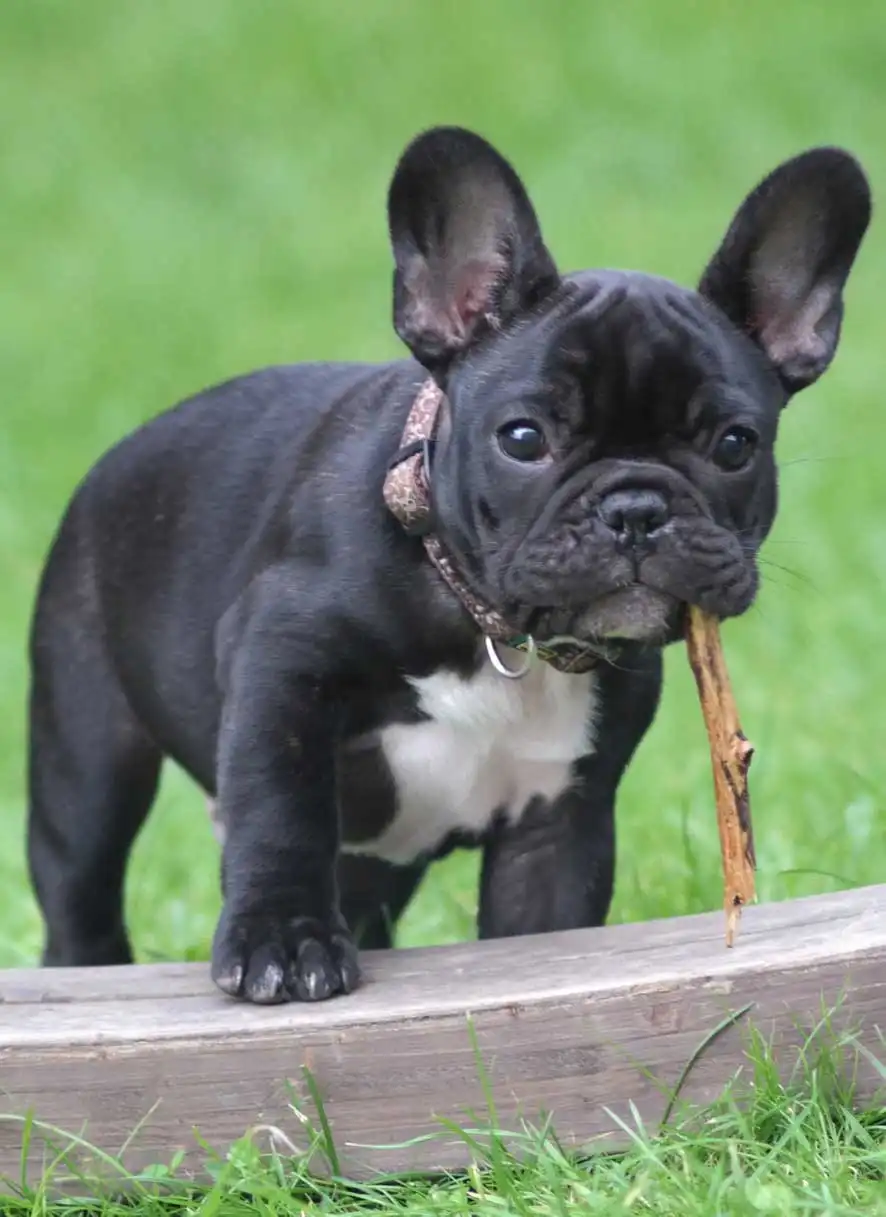
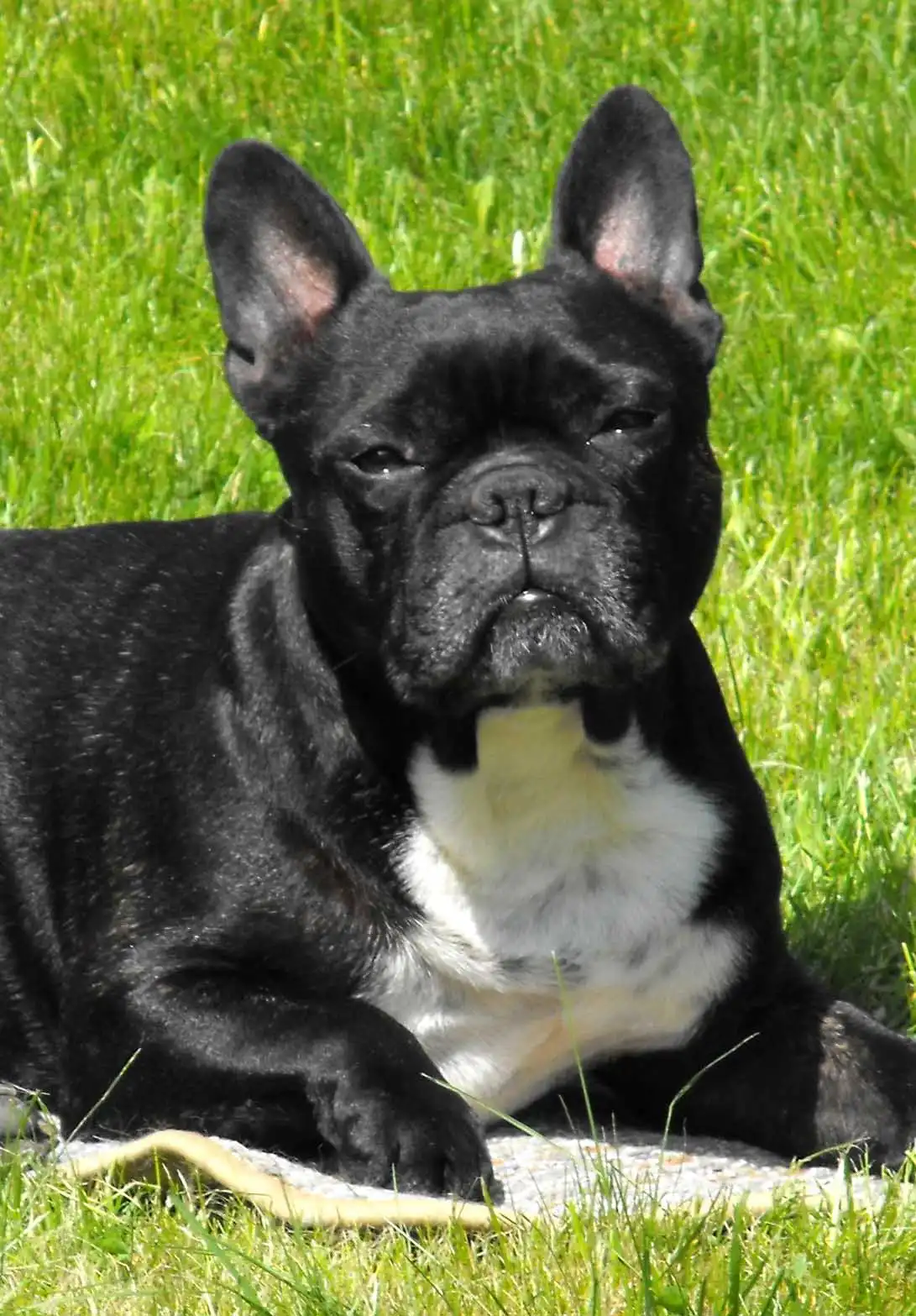
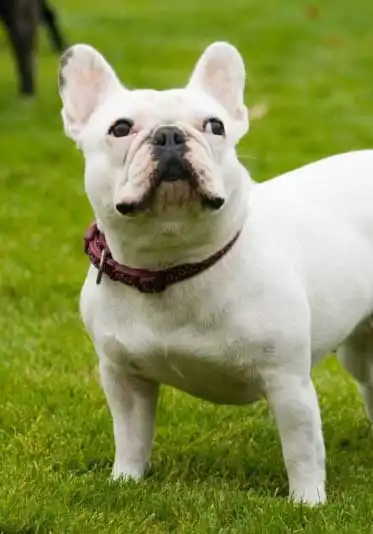
The coat of a French Bulldog is distinguished by its sleek, short, and fine texture. Although many of these dogs are born with black coats that may have various markings and lack brindle patterns, such color variations are not recognized in the Standard French Bulldog. This breed is notable for its robust bone structure and a curious, alert demeanor. Its head is large and square, featuring dark, moderately sized round eyes that are set wide apart; dogs with lighter coats may have lighter-colored eyes. The ears, commonly known as "bat ears," are broad at the base, elongated, and rounded at the tips, standing upright and facing forward, while the skull remains flat between them. The muzzle is wide and slightly recessed, paired with a black nose. The upper lip is thick and hangs over the lower jaw on the sides, while the underjaw is deep, square, and undershot. The forelegs are short and muscular, positioned wide apart, with compact, well-separated feet and toes. The hindquarters are slightly longer than the forelegs and robust, with the loins sloping down towards the shoulders. Like the forefeet, the hind feet and toes are also compact and well-defined. The tail is short and may have a screw shape, but it should never be curly; it hangs low, with a thick base and a fine tip.
Care Routine
The coat of a French Bulldog is quite easy to care for, needing just a weekly brushing to keep it tidy and clean. It's best to minimize baths and shampooing since this breed is prone to dermatitis; excessive washing can remove the natural oils that are vital for skin health. Due to their loose, wrinkled skin—especially around the face—it's essential to routinely check for dirt and debris to prevent infections. Moreover, French Bulldogs are more susceptible to dental problems, so it's advisable to brush their teeth at least three times a week and arrange for annual dental check-ups. Always use dental products and tools that are approved by your veterinarian or a canine dental hygienist, and seek their advice on the most effective cleaning methods. French Bulldogs are affectionate and well-adapted to living in apartments and urban settings. They tend to be quiet and have a low energy level, making them perfect companions for indoor lifestyles. However, they struggle with extreme temperatures, and allergies can pose a risk, highlighting the importance of a stable indoor environment. Regarding their diet, a French Bulldog usually needs between 1 to 1.5 cups of food each day, divided into two meals. The specific amount should be tailored to the dog's age and metabolism, as their small stature and low activity can lead to overfeeding if not carefully managed.
Behavior & Temperament
Like many companion dog breeds, the French Bulldog flourishes through interaction and a strong bond with its owner; without this connection, it may suffer from separation anxiety. When left alone for long periods, these dogs can develop destructive habits. They are especially loving towards children, and female French Bulldogs often exhibit a protective nature around them. If socialized with other dogs early on, they generally display friendliness not only towards their canine companions but also towards unfamiliar people. Typically, French Bulldogs are not prone to excessive barking unless they are seeking attention, and their low energy levels mean they require only minimal exercise. Due to their brachycephalic anatomy, engaging in vigorous activities is not recommended, as it can lead to breathing difficulties. Training these dogs, as with any breed, requires patience. While French Bulldogs are intelligent, they are not particularly known for being highly motivated or exceptionally clever. They tend to enjoy a laid-back lifestyle but are very affectionate with their owners. Although they have a low inclination to roam, it is advisable to keep them on a leash and close by.
Play & Exercise
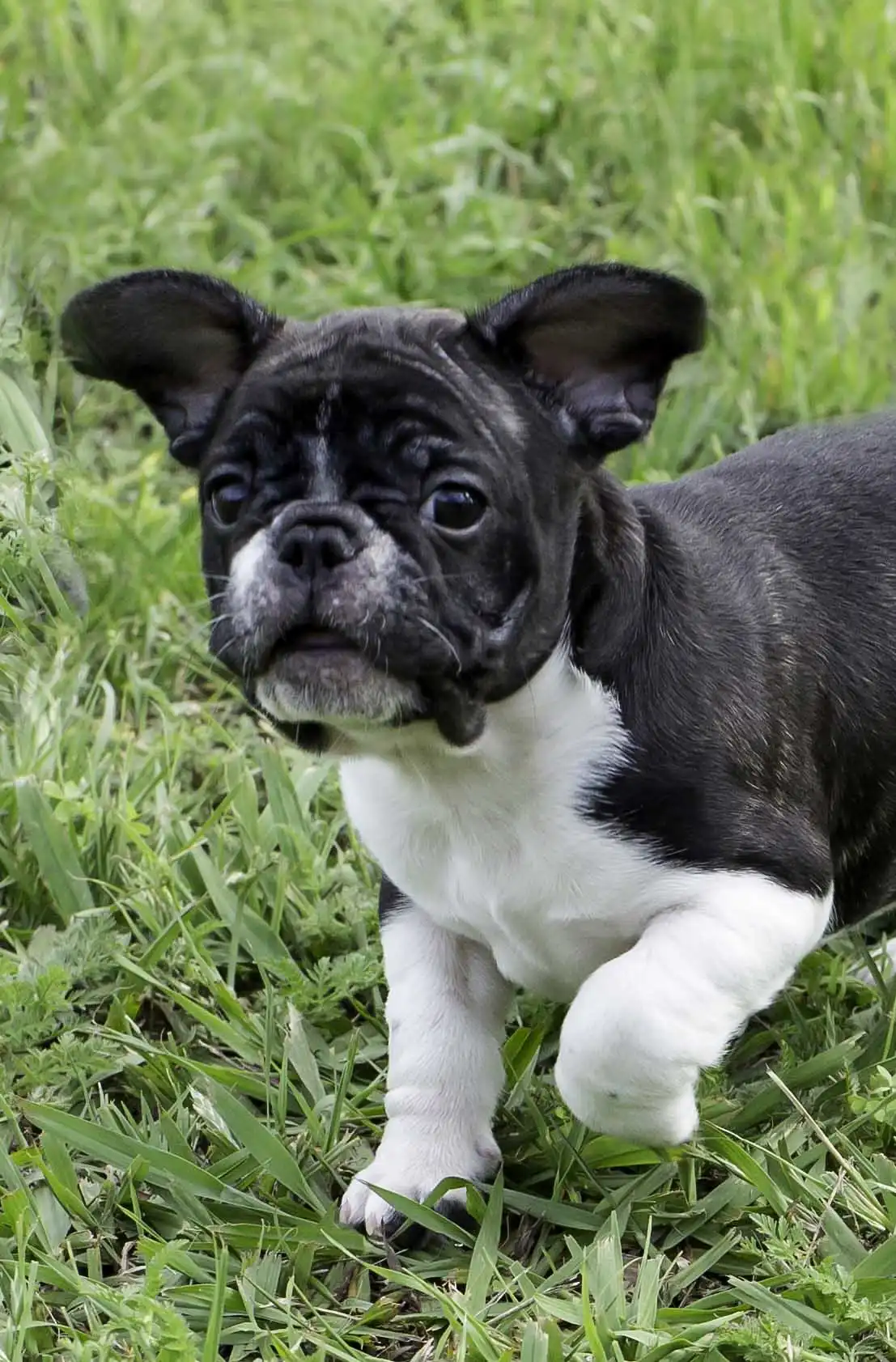
A young French Bulldog flourishes with regular trips to the dog park and enjoys two daily walks to discover the neighborhood. As they age, their exercise needs will change, typically requiring just one walk each day along with bathroom breaks. Even with this reduction in physical activity, their need for companionship remains strong, making it essential to spend quality time with your Frenchie in the yard, where they love to run and explore like any other dog. For those residing in apartments, outdoor activities are still vital; a quick visit to a nearby dog run can be very advantageous. It's crucial to be aware of the French Bulldog's vulnerability to back issues, such as intervertebral disc disease, which necessitates limiting their access to stairs and jumping. Furthermore, their short snouts make them less tolerant of heat than many other breeds, and high humidity can also impact their ability to exercise. Ensuring they have plenty of shade and fresh water is vital for their health. Lastly, remember that French Bulldogs are not natural swimmers, so it's important never to leave them unattended near pools or ponds.
Things to Know
Cups Per Day
1.8 Cups
Daily Activity
30 Minutes
Average Lifespan
12 Years
Origin
1800s
Type
Pure Breeds
Size
Small
Origin Country
France
Brush Frequency
Weekly
Coat Texture
Straight
Register
Your kids have been begging for a pet forever, and you've recently decided that it's time for your family to get a new addition -- a dog! While everyone is excited for the new arrival, you're wondering if you need to have a dog license. How much does it cost? Is it required? Where do you get one?
Member Clubs

PETINNATE
Companion Dog

AKC
Non-Sporting Group

UKC
Companion Dog
Height & Weight
Weight
22 lbs (10 kg)Male: 23 lbs (10 kg) , Female: 22 lbs (10 kg)
Height
12 inches (30 sm)Male: 12 inches (30 sm) , Female: 12 inches (30 sm)
6 Months

13 lbs ( m 13 lbs, f 13 lbs )
6 inches ( m 6 inches, f 6 inches )
12 Months
17 lbs ( m 17 lbs, f 17 lbs )
9 inches ( m 9 inches, f 9 inches )
18 Months
25 lbs ( m 25 lbs, f 25 lbs )
11 inches ( m 11 inches, f 11 inches )
Eye Colors
Blue

Brown
Nose Colors
Black
Coat Colors
Fawn

Cream

Black

White

Characteristics
Mixes

French Buillon
The French Buillon is a charming hybrid that merges the French Bulldog with the Papillon. Both of these parent breeds are small, loving, and friendly, making them excellent companions for individuals and other animals. Thanks to the traits inherited from its parents, the French Buillon is usually easy to care for. One parent is typically more relaxed, while the other is quite energetic, leading to varying exercise needs among individual dogs. Likewise, training can be affected by the characteristics of the parent breeds; one is often seen as stubborn, while the other is eager to please. In general, this mixed breed is fairly healthy, facing few health concerns, and usually has a lifespan ranging from 9 to 15 years.
Read more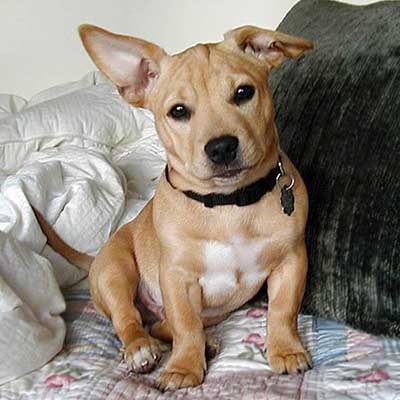
French Bull Jack
The French Bull Jack is a loving and intelligent mixed breed, born from the charming union of the French Bulldog and the Jack Russell Terrier. Both parent breeds are compact in size but boast vibrant personalities. One is generally more relaxed, while the other is brimming with energy, which can make it difficult to gauge the activity level of these dogs. Keeping your pet mentally stimulated is essential, but it's crucial to avoid overexertion, especially in warm weather. With their energetic nature, they flourish in a large, securely enclosed yard.
Read more
French Bull Rat Terrier
The French Bull Rat Terrier is a delightful and devoted companion. This energetic mix arises from the union of the affectionate French Bulldog and the spirited American Rat Terrier. The fusion of these two breeds results in a dependable friend who spreads happiness to all in his presence. Although he can be somewhat headstrong at times, his eagerness to please is sincere. Many owners of a French Bull Rat Terrier often share that the investment in training and direction pays off significantly.
Read more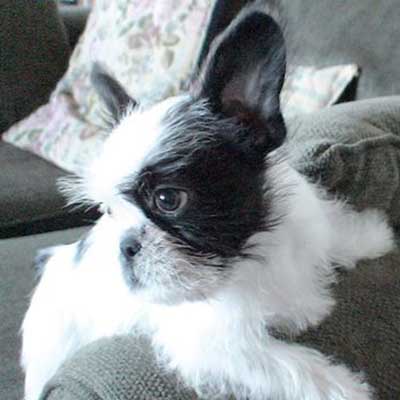
French Bull Tzu
The French Bull Tzu is a delightful hybrid that blends the lively French Bulldog with the graceful Shih Tzu. These compact dogs boast medium to long fur and come in various colors. Renowned for their loving and cheerful disposition, they make wonderful companions. To ensure your French Bull Tzu is comfortable with children, early socialization and obedience training are essential. Thankfully, this breed doesn’t require a lot of exercise; a simple daily walk is sufficient to satisfy their activity requirements.
Read more
Frenchie Bichon
Frenchie Bichons are confident and clever companions that flourish in family environments. Although they exhibit a certain level of independence, they also relish both giving and receiving affection. Typically, these small dogs have a lifespan of 9 to 15 years and weigh between 13 and 22 pounds, with a height ranging from 10 to 12 inches, depending on the individual. Their medium-length, dense coats come in various color combinations, such as apricot, buff, cream, white, and fawn, often featuring brindle patterns and ticked markings. This breed likely emerged in the late 20th century and has since maintained a consistent temperament and appearance. Many owners find Frenchie Bichons to be low-maintenance pets with lively personalities.
Read more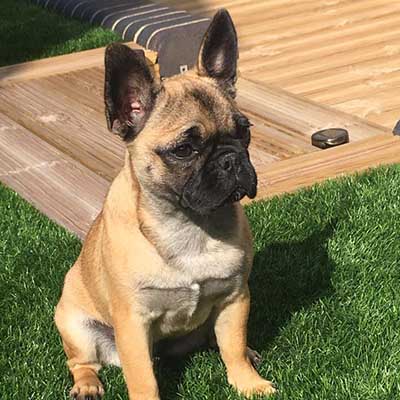
Frenchie Pug
Frenchie Pugs, affectionately known as “Frugs,” are small dogs that require minimal exercise yet boast lively and engaging personalities. These spirited companions are confident and thrive on human interaction. On average, Frenchie Pugs have a lifespan of 9 to 15 years, typically weigh between 15 and 23 pounds, and stand around 10 to 12 inches tall. Their coats are short, smooth, and fine, showcasing a variety of colors including black, cream, white, and fawn, often adorned with brindle patterns and ticked markings. This hybrid breed likely originated in the early 1900s and has since become one of the most cherished mixed breeds. However, it’s essential to recognize that Frenchie Pugs are not a fully established breed, resulting in significant diversity in their appearance and temperament. Despite these variations, most owners find that Frenchie Pugs are affectionate and proud members of their households.
Read more
Frengle
The Frengle is a newly developed hybrid breed that results from the crossbreeding of a French Bulldog and a Beagle. This compact dog is characterized by its friendly nature, keen alertness, joyful personality, and unexpected vitality relative to its size. Although they typically respond positively to training, it's essential to recognize that they can sometimes display a stubborn streak, necessitating a patient and gentle training approach. Frengles are fantastic family pets, as they are affectionate towards children and generally get along well with other animals. Early socialization is vital for these dogs, as it fosters their confidence and leads to a sociable companion eager to please. With their charming appearance and sturdy build, Frengles make delightful companions.
Read more