Frengle
Frengle Hound
The Frengle is a newly developed hybrid breed that results from the crossbreeding of a French Bulldog and a Beagle. This compact dog is characterized by its friendly nature, keen alertness, joyful personality, and unexpected vitality relative to its size. Although they typically respond positively to training, it's essential to recognize that they can sometimes display a stubborn streak, necessitating a patient and gentle training approach. Frengles are fantastic family pets, as they are affectionate towards children and generally get along well with other animals. Early socialization is vital for these dogs, as it fosters their confidence and leads to a sociable companion eager to please. With their charming appearance and sturdy build, Frengles make delightful companions.
Breed Origin
To fully grasp the history of the Frengles, one must delve into the ancestry of their parent breeds, which ultimately shapes their unique story. The French Bulldog originated in 19th-century England, specifically in Nottingham, where the lace makers' guild sought a smaller companion to keep them company during their work. This desire led to the development of a miniature version of the English Bulldog. As the industrial revolution progressed in the 1860s, many artisans relocated to France, bringing their small dogs with them. These charming little dogs quickly became popular in their new environment and were named French Bulldogs. When the breed made its way back to England for dog shows years later, a contentious discussion emerged about its name due to its English heritage. Despite this, the name "French Bulldog" ultimately triumphed and continues to be used today. The Beagle's origins trace back to the 1500s, when they were employed in packs by hunters to track rabbits, hares, quails, and other small game. However, their prominence diminished in the 18th century as the faster Foxhound became the favored hunting dog. Thankfully, farmers continued to breed Beagles, and by the 1800s, they made their way to the United States, where breeders aimed to develop a smaller variant of the breed. Known for their sweet and playful demeanor, Beagles often exhibit a delightful mischievousness. They respond well to training and, with proper socialization, can be wonderful family pets. Moreover, Beagles are celebrated for their exceptional detection abilities at airports and their valuable roles as therapy dogs.
Breed Appearance
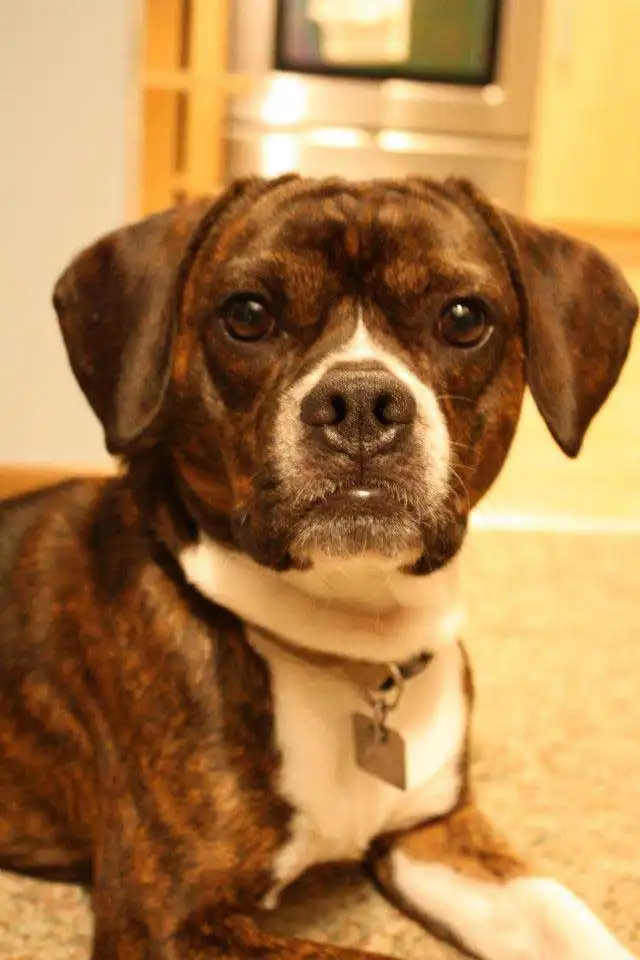
The Frengle is a charming blend of the French Bulldog's sturdy physique and the Beagle's unique head shape. Although their muzzle is generally shorter than that of a Beagle, they may display some of the Bulldog's signature skin folds. These compact dogs are full of vitality and zest, making up for their smaller stature with an abundance of energy. Their bodies are strong and slightly elongated, characterized by a broad chest and short, robust legs ending in adorable rounded paws. The tail can vary, being either long and pointed like a Beagle's or docked like a Bulldog's. They possess a black nose with wide nostrils, and their dark brown, round eyes exude a spirited expression. In contrast to the Bulldog's bat-like ears, Frengles usually have floppy ears. Their coat is easy to care for and comes in a range of colors, including various shades of cream and black.


Care Routine
The Frengle features a coat that sheds minimally and is simple to care for. To keep them in top condition, a weekly brushing with a tool that effectively removes loose fur is adequate, along with occasional baths as necessary. Due to their susceptibility to ear infections, it’s crucial to routinely check their ears and gently wipe them with a soft, damp cloth to clear away any debris. Regular nail trimming is also recommended to prevent the clicking sound of their nails on the floor. Starting a tooth brushing routine early on will contribute to maintaining their dental health as they age.
Behavior & Temperament
The Frengle is a dog that thrives on pleasing its owners, but before you decide to bring one into your home, it's essential to recognize their occasional stubbornness when they choose not to obey commands. This characteristic calls for a training approach that is both patient and consistent; it's vital to maintain a calm and gentle demeanor to prevent overwhelming them. Once they understand your expectations, these dogs can become vibrant companions, eager to bring you joy. Early socialization is crucial to ensure they don’t develop excessive clinginess. Although they may show sensitivity in their early days, they generally outgrow this as their confidence increases. Frengles have a special affinity for children and love to engage in play, often taking the lead in activities. As puppies, they are small and vulnerable to injury, so close supervision during playtime is necessary. They also adore cuddle time, happily curling up in your lap to enjoy your affection. Furthermore, the Frengle acts as a dependable watchdog, alerting you to any unfamiliar visitors near your home.


Play & Exercise
Although the Frengle is a small breed, it is full of vitality and requires daily walks to maintain its health. Ideally, these walks should occur in the morning and evening; however, as long as they get sufficient exercise, they will flourish. These dogs are lively companions who love to interact with other dogs in a safe dog park setting. They also enjoy participating in family activities such as running, hiking, and swimming. The Frengle can adapt to different weather conditions, but it's crucial to avoid exercising them during the hottest times of the day. If they need to stay indoors, make sure they have access to shade and cool air conditioning.
Things to Know
Cups Per Day
1.0 Cups
Daily Activity
120 Minutes
Average Lifespan
14 Years
Origin
Unknown
Type
Crossbreeds
Size
Small
Origin Country
United States
Brush Frequency
Weekly
Coat Texture
Wiry
Register
Your kids have been begging for a pet forever, and you've recently decided that it's time for your family to get a new addition -- a dog! While everyone is excited for the new arrival, you're wondering if you need to have a dog license. How much does it cost? Is it required? Where do you get one?
Member Clubs

PETINNATE
Other
Height & Weight
Weight
18 lbs (8 kg)Male: 22 lbs (10 kg) , Female: 15 lbs (7 kg)
Height
11 inches (28 sm)Male: 12 inches (30 sm) , Female: 10 inches (25 sm)
Eye Colors
Brown

Nose Colors
Black
Coat Colors
Black

Brindle
Brown
Cream
White