Giant Irish Wolf Schnauzer
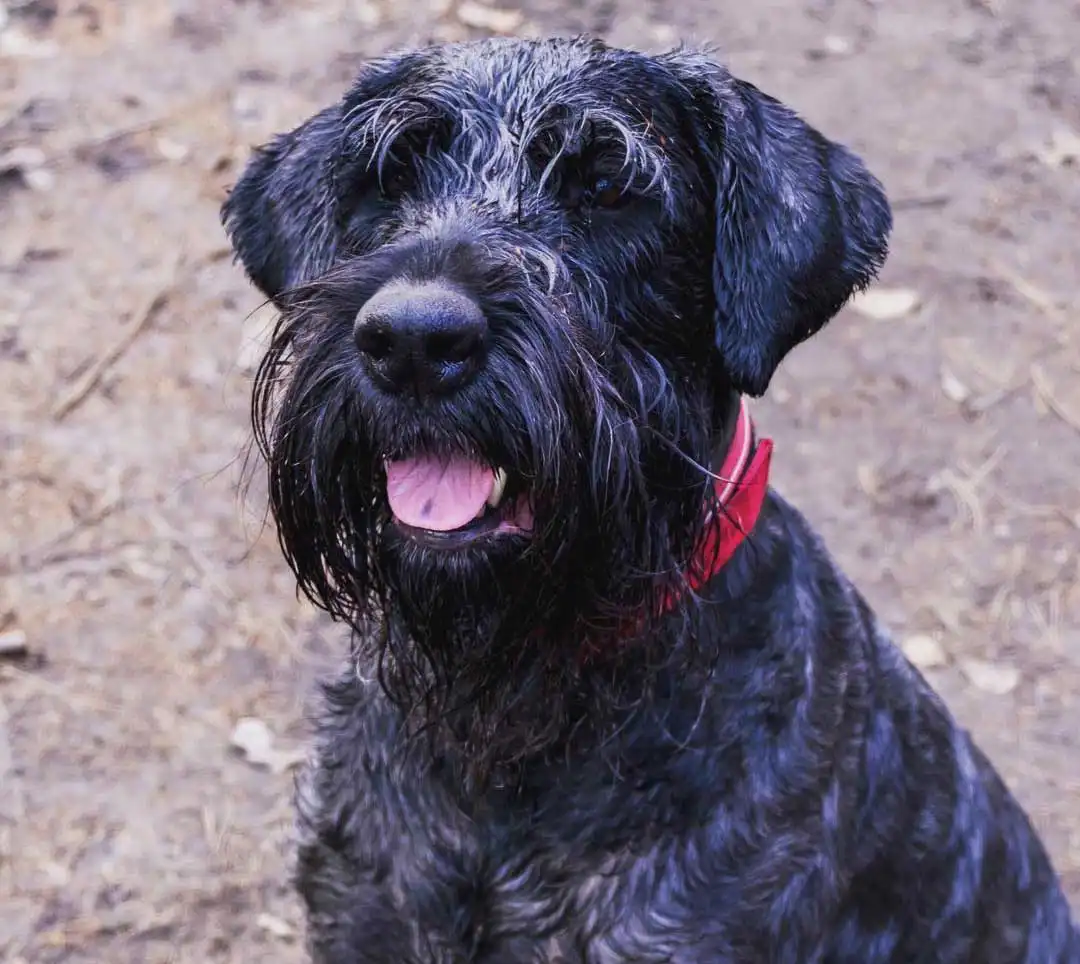
The Giant Irish Wolf Schnauzer is a meticulously designed hybrid breed, created through the deliberate crossbreeding of the Giant Schnauzer and the Irish Wolfhound. The Giant Schnauzer, a sturdy dog with origins in Germany, was historically utilized for various farm tasks, such as herding cattle, protecting livestock, and pulling carts. On the other hand, the Irish Wolfhound is a large breed that was traditionally used for hunting and eradicating the now-extinct Irish wolf, and possibly the Irish elk, with roots tracing back to at least 391 A.D. Both breeds are typically sociable and enjoy being around children, regardless of their size. However, they may exhibit excessive energy or clumsiness when interacting with very young kids, especially the younger Giant Irish Wolf Schnauzers. It’s also important to mention that there are Standard and Miniature Irish Wolf Schnauzers, which are bred using either the Standard or Miniature Schnauzer instead of the Giant Schnauzer. These three types of Schnauzers, while sharing similar looks, are distinct breeds that vary significantly in terms of health concerns, temperament, and natural abilities, making the Standard and Miniature Irish Wolf Schnauzers quite different from their Giant relative.
Breed Origin
The Irish Wolf Schnauzer is a meticulously designed hybrid breed, created through the deliberate crossing of the Irish Wolfhound and the Giant Schnauzer. The Irish Wolfhound, a sighthound with a history of hunting large game like wolves, elk, and boar in ancient Ireland, has origins that date back to 391 AD. During this era, several of these remarkable dogs, celebrated for their power and agility, were gifted to the Royal Consul from Ireland. Historically, packs of Irish Wolfhounds played a crucial role in hunting significant prey, including the now-extinct Irish wolf. However, after the Irish wolf's extinction in 1786, the population of Wolfhounds began to dwindle, and by the mid-1800s, the breed faced near extinction. The revival of the Irish Wolfhound is largely credited to Captain George Augustus Graham, a Scottish officer in the British army. In 1862, he dedicated himself to finding and collecting the remaining Irish Wolfhounds to restore the breed. To enhance its health and vitality, he introduced outcrosses with other breeds, such as the Scottish Deerhound, Great Danes, and Russian Wolfhounds. The American Kennel Club recognized the Irish Wolfhound as part of the Hound group in 1897, followed by the Kennel Club of England in 1925. In contrast, while the Schnauzer may not boast the same ancient lineage as the Irish Wolfhound, it is nonetheless a historic breed that originated in Germany, with its development tracing back to the 1500s. The Standard Schnauzer was initially bred for herding and driving sheep to market. Cattle farmers later crossed the Standard Schnauzer with various robust breeds, including the Bear Schnauzer, Rough-coated Sheepdog, and Great Dane, to enhance its size and strength. As cattle driving declined in the early 1900s, the Giant Schnauzer adapted to new roles, serving as a military, police, and guard dog. When the first Giant Schnauzers arrived in the United States during this period, German Shepherds had already become the dominant military and police dogs, allowing Giant Schnauzers to find their place as guard dogs, show dogs, and cherished companions.
Breed Appearance
The Giant Irish Wolf Schnauzer is a striking breed known for its substantial size and a body shape that can be either square or slightly rectangular. Dogs that display more characteristics from their Irish Wolfhound ancestry typically have a long, narrow head with an elongated, pointed muzzle covered in fine, short hair. On the other hand, those that lean more towards the Giant Schnauzer traits tend to have a sturdy, brick-like head with a broad, slightly tapering muzzle, often featuring a generous amount of facial hair that creates a notable mustache and beard. This hybrid breed usually has dark brown eyes, which may be oval or almond-shaped, and its ears are set high on the head, folding forward. While some Schnauzer owners choose to dock the ears for a more erect look, this practice is also adopted by certain Irish Wolf Schnauzer owners. It is important to note, however, that many countries have banned ear docking for non-medical purposes.


Care Routine
The Giant Irish Wolf Schnauzer has a low shedding rate, allowing it to be considered hypoallergenic. However, bringing one of these dogs into your home requires a commitment to grooming that is generally more intensive than that of many other breeds, though daily grooming is not necessary. It is advisable to groom this hybrid once or twice a week, with sessions typically lasting longer than those for many other dogs due to its unique coat and larger size. To keep their coat in good condition, it’s essential to comb through it to remove dirt and untangle any knots or debris like twigs and grass seeds. After this initial combing, using a slicker brush or a stiff bristle brush will help eliminate any remaining tangles and dead hair, which further reduces shedding. Bathing should occur every few months and is most effective when the dog has been thoroughly brushed beforehand. Moreover, coat stripping is required every four to six months, which can be done with a specialized stripping comb or through hand stripping techniques. Depending on how quickly the coat grows, regular trimming and scissoring may also be necessary. If your dog develops a beard, it’s important to clean it after each meal, as food, water, and saliva can quickly lead to unpleasant odors and hygiene concerns.
Behavior & Temperament
The Giant Irish Wolf Schnauzer is a powerful and athletic breed, known for its keen hunting instincts and impressive looks. While they are often energetic, particularly in their youth, they can also exhibit a calm demeanor when at home. Commonly dubbed gentle giants, Irish Wolfhounds differ from Schnauzers, who tend to be more exuberant and might unintentionally cause some chaos. Although a well-socialized Irish Wolf Schnauzer is generally non-aggressive towards children, it’s crucial to supervise their interactions to prevent any potential misunderstandings or overly enthusiastic behavior from either party. Their strong prey drive may render them unsuitable for households with smaller, quick-moving pets, and Giant Schnauzers can sometimes show fear or aggression towards other dogs. Despite their intelligence, training these dogs can prove difficult due to their stubborn and independent traits; thus, it is recommended to begin training as early as possible to mitigate any rebellious behaviors.


Play & Exercise
As the Irish Wolfhound ages, it may become less active, whereas the Giant Schnauzer is recognized for its lively and athletic disposition. Therefore, the Giant Irish Wolf Schnauzer needs at least 60 to 90 minutes of intense exercise each day to ensure its well-being and happiness. Due to its size, this mixed breed might be prone to skeletal problems if it engages in rough play or puts too much strain on its joints through extended walks or runs during its growth phase. Besides walking and jogging, this dog can benefit from and enjoy a variety of activities, such as obedience training, swimming, agility courses, and rally competitions.
Things to Know
Cups Per Day
4.0 Cups
Daily Activity
90 Minutes
Average Lifespan
10 Years
Origin
Unknown
Type
Crossbreeds
Size
Giant
Origin Country
Unknown
Brush Frequency
Weekly
Coat Texture
Wiry
Ancestors
Giant Schnauzer
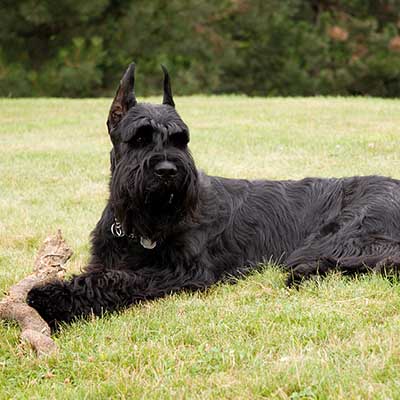
The Giant Schnauzer is the largest of the three recognized Schnauzer breeds. Initially bred as a working dog, its primary roles included herding cattle and protecting livestock. It is commonly thought that the Giant Schnauzer was developed by crossing the Standard Schnauzer with the Great Dane and the Bouvier des Flandres. Given its demanding temperament and the necessity for extensive training, this breed may not be the best fit for novice dog owners. Known for its intelligence and strong sense of independence, the Giant Schnauzer can be somewhat difficult to keep mentally stimulated. Furthermore, this breed requires considerable grooming, making it a high-maintenance pet.
Read more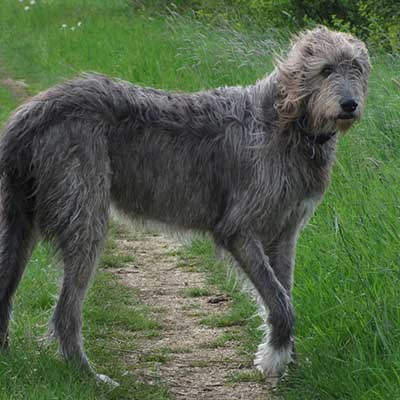
Irish Wolfhound
The Irish Wolfhound is a striking breed that was initially developed to assist in pulling men from their horses and chariots. Beyond its historical significance as a powerful hunting partner, the breed nearly faced extinction due to the dwindling populations of boars and wolves in Ireland. Captain George Graham was instrumental in the breed's revival, incorporating Great Danes and Deerhounds into its genetic line. Once referred to as the "Great Hound of Ireland," these dogs were highly esteemed by the aristocracy, often exchanged as gifts and even becoming the subject of ownership disputes. The American Kennel Club granted official recognition to the Irish Wolfhound in 1897.
Read moreRegister
Your kids have been begging for a pet forever, and you've recently decided that it's time for your family to get a new addition -- a dog! While everyone is excited for the new arrival, you're wondering if you need to have a dog license. How much does it cost? Is it required? Where do you get one?
Member Clubs
PETINNATE
Other
Height & Weight
Weight
113 lbs (51 kg)Male: 118 lbs (54 kg) , Female: 108 lbs (49 kg)
Height
29 inches (74 sm)Male: 30 inches (76 sm) , Female: 28 inches (71 sm)
Eye Colors
Brown
Nose Colors
Black
Coat Colors
White
Silver
Red
Gray
Cream
Brindle
Blue
Black