Great Dasenji
Great Basenji
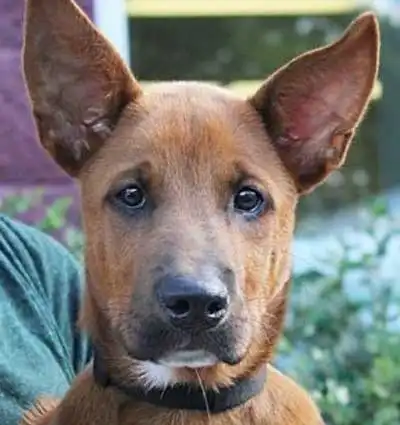
Great Dasenjis are a lively and independent hybrid of Great Danes, known for their affectionate nature towards their owners and their love for physical activity. On average, these dogs have a lifespan of 6 to 14 years, typically weigh between 60 and 85 pounds, and reach a height of 22 to 24 inches. Their coat is short, fine, and smooth, showcasing a range of patterns and colors that inherit characteristics from both parent breeds. Within the category of large designer dogs, the Great Dasenji is relatively uncommon and not widely recognized. Many owners find them to be playful and easy to train, though they may display a more reserved attitude when meeting new people.
Breed Origin
The Great Dansenji gets its name from its parent breeds, the Great Dane and the Basenji, each boasting a unique history. The Great Dane is thought to have originated around 3000 B.C., likely linked to Assyrian traders who brought these dogs to Rome and Greece. Initially known as the Boar Hound for its exceptional hunting skills, the breed later adopted names like English Dogges in England and Kammerhunde in Germany. By the 1700s, it was referred to as the Grand Danois in Denmark and France, a name that eventually evolved into Great Dane. Despite its name implying Danish origins, this remarkable breed was primarily developed by German breeders. Renowned for their impressive size and gentle temperament, Great Danes gained popularity in North America during the 1800s and were officially recognized by the American Kennel Club in 1887. In contrast, the Basenji's history is less well-documented, with some evidence indicating its presence in ancient Egypt, gradually spreading throughout central Africa. The term "Basenji" is derived from ancient Congolese and Sudanese languages, roughly meaning “bush thing.” Originally bred for hunting small game, the Basenji made its way to England and the United States in the 1930s, where it transitioned into a show dog and later a sighthound. The Basenji Club of America was founded in 1942, and the breed gained recognition from the AKC in 1943. The combination of these two breeds is quite rare, making the Great Dansenji an unusual hybrid.
Breed Appearance
This refined hybrid, reminiscent of a Basenji, showcases a slender muzzle with a scissor bite, striking dark almond-shaped eyes, and ears that stand erect yet have a slight hooded appearance. Unlike the Basenji, it possesses the round, compact feet and highly arched toes typical of a Great Dane. The Great Dasenji features a short, fine, and smooth coat that comes in solid colors or various combinations, including blue, fawn, black, white, tan, and red. Its coat may also display patterns such as harlequin, mantle, merle, or brindle, often accented with brindle, black, or white markings. These dogs are not only agile and graceful but also display a keen and inquisitive nature.


Care Routine
Great Dansenjis are an ideal option for those seeking a dog that requires minimal upkeep. Their short, neat coats demand little grooming, with moderate shedding occurring throughout the year. A bath is only necessary once a month. However, it is crucial to provide daily dental care to maintain their oral hygiene. Additionally, their nails should be clipped at least twice a month, and regular checks of their ears for wax buildup and excess moisture are important to prevent yeast infections. It's worth mentioning that these dogs can be quite drooly, so it's advisable to frequently wipe their mouths and muzzles. Lastly, Great Dansenjis are not hypoallergenic, which makes them a poor fit for allergy sufferers.
Behavior & Temperament
At first glance, the Great Dansenji might seem daunting, but don’t be fooled! This breed is actually quite gentle, affectionate, and curious. While they may not require as much attention as Great Danes, they still seek a good deal of interaction. Great Dansenjis enjoy snuggling and expressing their love for their owners whenever possible. However, they may need some time to adjust to new adults, children, or pets, so it’s wise for owners to monitor their encounters with unfamiliar faces. On a positive note, once they feel comfortable, Great Dansenjis are playful and eager to engage in games and activities. Their intelligence means they can become restless if they don’t receive enough mental and emotional stimulation. Additionally, they carry a hint of the Basenji’s stubbornness, which can make training a bit more challenging than with other Great Dane mixes. Still, many dog lovers admire the Great Dansenji for its independent spirit and playful nature.


Play & Exercise
The temperament of the Great Densenji plays a significant role in shaping its activity preferences. This breed enjoys lively play sessions at the park with other dogs, but it is equally satisfied with relaxed walks alongside its owner. While the Great Densenji is adaptable to different living environments, it’s essential to prevent overexertion during extreme weather conditions, whether hot or cold. Due to its high energy levels, this breed flourishes best in suburban or rural areas where there is plenty of outdoor space. Additionally, it’s important to keep in mind that the Great Densenji has a strong hunting instinct, making it wise to ensure it is contained within a securely fenced area.
Things to Know
Cups Per Day
4.0 Cups
Daily Activity
60 Minutes
Average Lifespan
10 Years
Origin
1900s
Type
Crossbreeds
Size
Large
Origin Country
United States
Brush Frequency
Monthly
Coat Texture
Straight
Ancestors
Great Dane
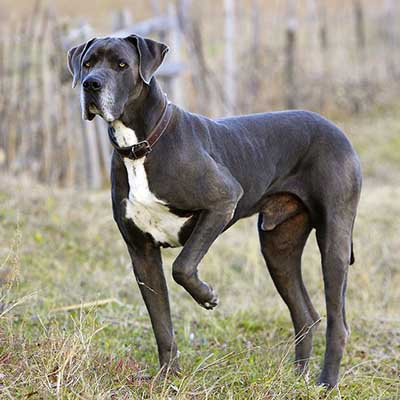
The Great Dane is commonly known as the "gentle giant" due to its calm and thoughtful demeanor. These dogs thrive on love and often try to snuggle in their owner's lap, resembling a smaller lapdog. They have a strong desire to please their families and are typically easy to train. However, it's crucial to keep in mind that their large size enables them to reach elevated surfaces, such as tables and kitchen counters. Moreover, their tails can be a hazard, as they might accidentally knock over objects within their reach, which makes them more suitable for homes with ample space. Unfortunately, like many larger breeds, they generally have shorter lifespans.
Read more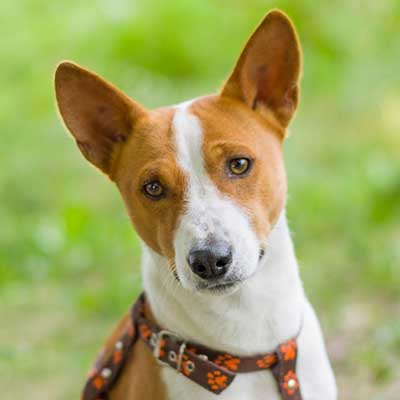
Basenji
The Basenji is a lively and energetic breed, distinguished by its remarkable lack of a barking sound. This breed is thought to originate from Africa, where it was highly regarded in ancient Egypt. During that time, Basenjis were gifted to pharaohs as symbols of loyalty and respect. Known for their exceptional hunting skills, these dogs were adept at capturing rats and other small pests, while also being devoted companions. The Basenji boasts a sleek, short coat and unique upright ears, complemented by a wrinkled forehead that gives it a constantly worried look. Its temperament is often compared to that of a cat, reflecting a strong independence and a meticulous nature. Furthermore, the Basenji is celebrated for its intelligence and curiosity. Caring for this breed is relatively easy; a simple weekly brushing with a curry brush is enough to control shedding, thanks to its short fur.
Read moreRegister
Your kids have been begging for a pet forever, and you've recently decided that it's time for your family to get a new addition -- a dog! While everyone is excited for the new arrival, you're wondering if you need to have a dog license. How much does it cost? Is it required? Where do you get one?
Member Clubs

PETINNATE
Other
Height & Weight
Weight
74 lbs (34 kg)Male: 75 lbs (34 kg) , Female: 73 lbs (33 kg)
Height
24 inches (61 sm)Male: 24 inches (61 sm) , Female: 25 inches (64 sm)
Eye Colors
Brown

Nose Colors
Black
Coat Colors
Brindle
Red
White
Black
Fawn
Blue