Basenji
Congo Dog, Congo Terrier
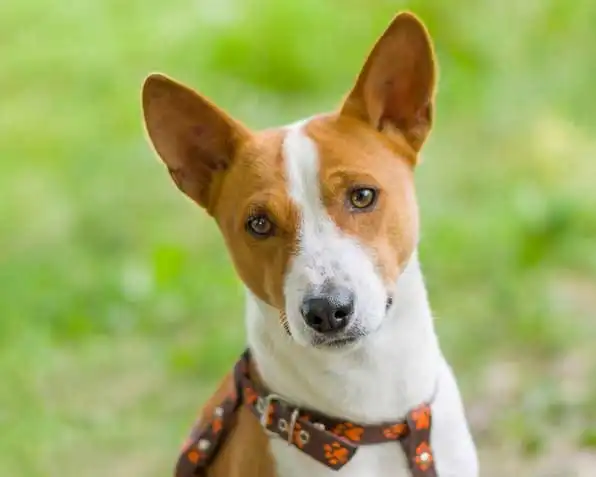
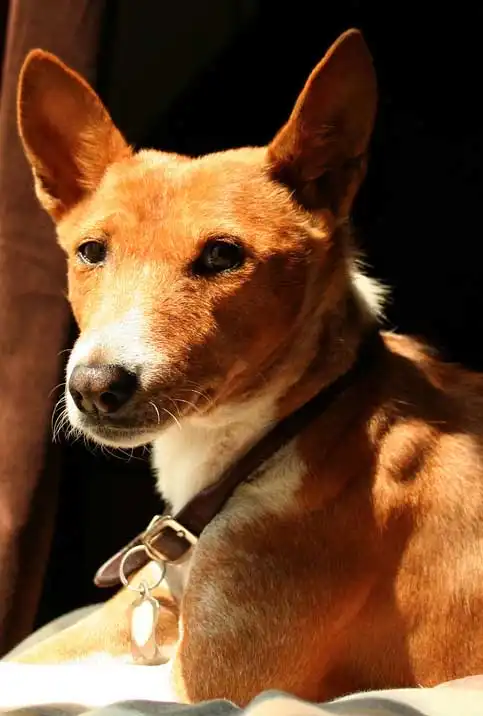
The Basenji is a lively and energetic breed, distinguished by its remarkable lack of a barking sound. This breed is thought to originate from Africa, where it was highly regarded in ancient Egypt. During that time, Basenjis were gifted to pharaohs as symbols of loyalty and respect. Known for their exceptional hunting skills, these dogs were adept at capturing rats and other small pests, while also being devoted companions. The Basenji boasts a sleek, short coat and unique upright ears, complemented by a wrinkled forehead that gives it a constantly worried look. Its temperament is often compared to that of a cat, reflecting a strong independence and a meticulous nature. Furthermore, the Basenji is celebrated for its intelligence and curiosity. Caring for this breed is relatively easy; a simple weekly brushing with a curry brush is enough to control shedding, thanks to its short fur.
Breed Origin
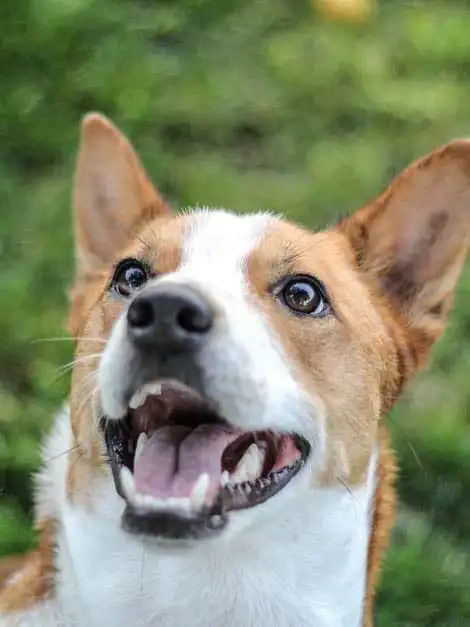
The exact beginnings of the Basenji breed are somewhat ambiguous, but it is generally accepted that its forebears originated in Central Africa. The name "Basenji" comes from ancient dogs found in the Congo and Sudan, translating to "bush thing." Historically, these dogs were often gifted to pharaohs, underscoring their role as esteemed companions. While ancient Egyptian art features images of dogs that may resemble the Basenji, it remains difficult to definitively identify them as belonging to this specific breed. The Basenji first arrived in England during the 1930s, following unsuccessful attempts in 1895 that were thwarted by outbreaks of distemper among the dogs. In 1941, the breed made its debut in the United States, where it was initially utilized as a hunting dog for small game, adept at tracking and enticing its quarry. The breed garnered some fame, particularly with its appearance in the 1956 film "Goodbye, My Lady," which highlighted its unique yodeling vocalization instead of the usual bark. In the 1980s, more Basenjis were imported from Africa to mitigate hereditary health concerns and diversify the gene pool, as well as to introduce new color variations like brindle. During this time, the Basenji was officially categorized as a sighthound and began participating in competitive trials. The Basenji Club of America was founded in 1942, leading to the breed's formal acknowledgment in 1943.
Breed Appearance
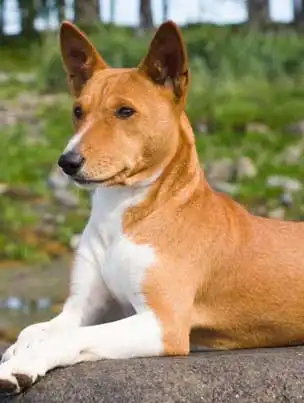
The Basenji is known for its sleek build and nimble movements. Its legs are relatively long compared to its body, contributing to its unique look. The muzzle is shorter than the skull, and it is paired with small, almond-shaped eyes that can range in color from dark hazel to rich brown. The head is marked by noticeable wrinkles, often giving it an expression of concern or deep thought. With its ears standing upright, the Basenji is well-suited for hunting. Its coat is short and wiry, coming in a variety of color patterns, such as black and white, black with tan and white, brindle with white, or red and white. Additionally, the breed features a tail with a white tip, a white underbelly, and white paws, with the tail gracefully curling over its back. Overall, the Basenji exudes a dignified and elegant presence. Interestingly, this breed does not bark in the traditional way; instead, it expresses itself through a unique yodeling sound.

Care Routine
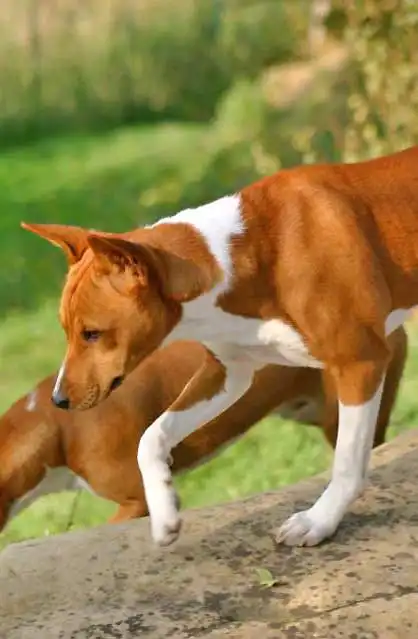
To reduce shedding, it is advisable to brush a Basenji at least weekly with a rubber curry brush. Bathing should be done every four to six weeks to prevent an overproduction of natural oils. Although Basenjis are not hypoallergenic, they do shed minimally, especially during certain seasons. Their coat is free of odor and requires minimal upkeep. Nail trimming should occur every two to three weeks to avoid overgrowth and potential injury. Regular exercise is crucial for keeping a Basenji mentally stimulated and preventing boredom-related destructive behaviors; engaging in high-energy activities and obedience training can be particularly helpful. This breed benefits from the companionship of other Basenjis, so having multiple dogs can be advantageous. They also need plenty of space to run and explore, and should not be left alone without adequate stimulation. Basenjis thrive indoors with their families and are wonderful companions. They adapt well to moderate climates and do not have any specific dietary needs.
Behavior & Temperament
The Basenji is often described as intelligent, strong-willed, and exhibiting a demeanor reminiscent of a cat. This breed is particularly known for its affectionate bond with its owners. Rather than barking, Basenjis express themselves through distinctive yodel-like sounds. Historically, they have thrived in roles that involve chasing and tracking, which means they require plenty of physical and mental stimulation to remain engaged. In return, they take pleasure in bringing happiness to their families. Although they are loving companions, Basenjis are inherently independent and may not always follow their owners, as they often have their own interests. Without adequate exercise and mental challenges, they can display destructive tendencies, which contributes to their reputation for being both mischievous and energetic. This breed is ideally suited for families with older children who can appreciate and manage their unique personality and needs. Basenjis tend to be wary of strangers, making them effective watchdogs. Training should be conducted in short, enjoyable sessions, employing positive reinforcement techniques like treats and praise. When raised alongside other pets, Basenjis can live harmoniously; however, if they are not socialized early on, it is wise to keep them apart, as their natural hunting instincts may take over.
Play & Exercise
Things to Know
Cups Per Day
3.0 Cups
Daily Activity
90 Minutes
Average Lifespan
12 Years
Origin
ancient
Type
Pure Breeds
Size
Small
Origin Country
Central Africa (Zaire and the Congo)
Brush Frequency
Weekly
Coat Texture
Wiry
Register
Your kids have been begging for a pet forever, and you've recently decided that it's time for your family to get a new addition -- a dog! While everyone is excited for the new arrival, you're wondering if you need to have a dog license. How much does it cost? Is it required? Where do you get one?
Member Clubs

PETINNATE
Sighthound and Pariah Dog

AKC
Hound Group

UKC
Sighthound and Pariah Dog
Height & Weight
Weight
23 lbs (10 kg)Male: 24 lbs (11 kg) , Female: 22 lbs (10 kg)
Height
16 inches (41 sm)Male: 17 inches (43 sm) , Female: 16 inches (41 sm)
6 Months
11 lbs ( m 11 lbs, f 11 lbs )
8 inches ( m 8 inches, f 8 inches )
12 Months
19 lbs ( m 19 lbs, f 19 lbs )
15 inches ( m 15 inches, f 15 inches )
18 Months
22 lbs ( m 22 lbs, f 22 lbs )
15 inches ( m 15 inches, f 15 inches )
Eye Colors
Hazel

Brown
Amber
Nose Colors
Black
Brown
Coat Colors
Pied
Black

Brindle
Red
Characteristics
Mixes
Baseagle
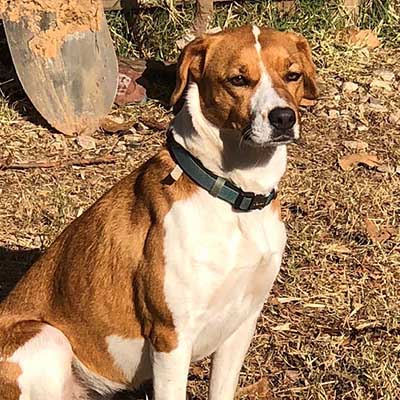
The Baseagle is a hybrid dog that merges the calm demeanor of the Basenji with the vocal characteristics of the Beagle. There is limited information available about this mix, and its background largely mirrors that of its parent breeds. Both the Basenji and Beagle are athletic, medium-sized dogs, though the Beagle is generally a bit smaller. Depending on its ancestry, a Baseagle may resemble either parent in looks, but it usually showcases the Beagle's coloration while reflecting the Basenji's more serene nature. Both breeds are part of the Hound group and were initially bred for hunting. Today, the Baseagle is mainly seen as a companion animal, often appearing as a quieter and more composed alternative to the Beagle.
Read more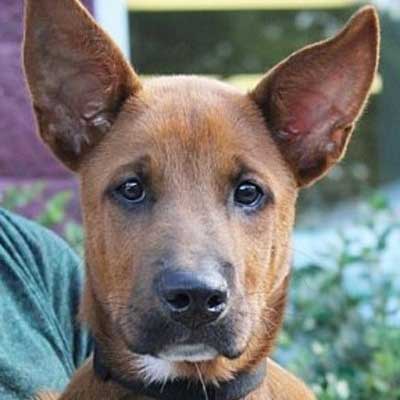
Great Dasenji
Great Dasenjis are a lively and independent hybrid of Great Danes, known for their affectionate nature towards their owners and their love for physical activity. On average, these dogs have a lifespan of 6 to 14 years, typically weigh between 60 and 85 pounds, and reach a height of 22 to 24 inches. Their coat is short, fine, and smooth, showcasing a range of patterns and colors that inherit characteristics from both parent breeds. Within the category of large designer dogs, the Great Dasenji is relatively uncommon and not widely recognized. Many owners find them to be playful and easy to train, though they may display a more reserved attitude when meeting new people.
Read more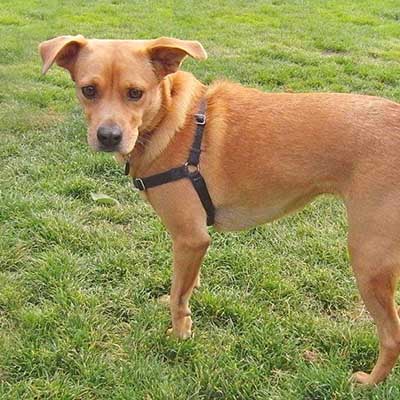
Labrasenji
The Labrasenji is a mixed breed created by crossing a Basenji with a Labrador Retriever. Due to the size difference between the smaller Basenji and the larger Labrador, Labrasenjis can range from medium to large in size. Their coat is short, straight, and dense, and comes in various colors such as red, black, brown, and sable. Training a Labrasenji may demand extra patience, as they can be quite stubborn; therefore, enrolling them in obedience classes could be advantageous. Generally, they are friendly with other pets and children, but it’s wise to supervise their interactions with younger kids, as their playful demeanor can sometimes lead to boisterous behavior.
Read more