Pomerat
Pomerat Terrier
The Pomerat is a hybrid breed created by crossing a purebred Rat Terrier with a purebred Pomeranian. These lively and loving little dogs do best in homes with older children. They are playful and loyal companions but do not enjoy being left alone for long periods. Despite their small size, they have big personalities and need regular training; without it, they might try to take control of the household. Their coats come in various colors, including black, black and tan, brown, and white. Some Pomerats inherit the Rat Terrier's short coat, while others have the longer fur typical of Pomeranians. Grooming is generally easy, and they shed a moderate amount.
Breed Origin
The Pomerat is a hybrid breed that emerges from the combination of a Rat Terrier and a Pomeranian, the smallest member of the Spitz family of dogs. Historically, notable figures such as Martin Luther, Michelangelo, and Mozart were known to have owned Pomeranians, which are also called Zwergspitz, Dwarf Spitz, and Loulou. These dogs have their roots in the Spitz lineage, originally bred as sled dogs in regions like Iceland and Lapland. Their name comes from the German province of Pomerania, where selective breeding aimed to create a smaller version of the breed. While early Pomeranians could weigh as much as 30 pounds, they have since been bred down to a more manageable size. The English Kennel Club granted official recognition to the breed in 1870. Their popularity soared after Queen Victoria, who was known for breeding over 15 different dog breeds, encountered a Pomeranian named Marco in Italy in 1888; Marco weighed only 12 pounds when she brought him back to England. That same year marked the registration of a Pomeranian in the American Kennel Club's stud book, with the breed receiving formal recognition from the American Kennel Club in 1900. Conversely, the Rat Terrier was developed in the United States as a multifunctional farm dog, primarily for hunting rats and small game. Its lineage includes the Old English White Terrier, Manchester Terrier, and Bull Terrier, likely mixed with Beagles, Whippets, and Italian Greyhounds. The breed's name is linked to President Theodore Roosevelt, whose own Rat Terrier played a role in eradicating the rat issue at the White House. Rat Terriers were prevalent on farms from the 1910s through the 1940s, but their numbers declined as farmers turned to poison for rodent control. Despite this reduction, a handful of dedicated breeders worked to preserve the breed, and today, Rat Terriers are cherished as family pets. They are also employed by law enforcement for contraband detection and provide comfort in hospices and assisted living facilities.
Breed Appearance
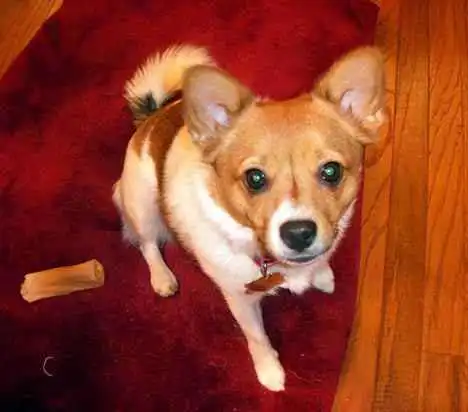
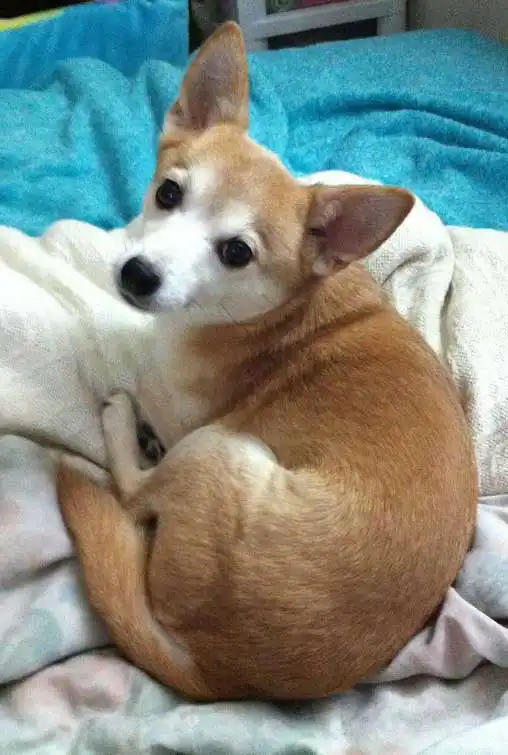
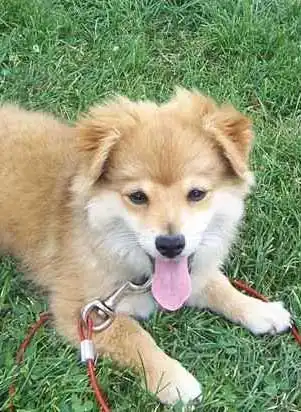
Pomerat dogs are small hybrid breeds created by crossing a Rat Terrier with a Pomeranian. They generally weigh up to 16 pounds and reach heights of around 12 inches. Their coats come in various colors, such as black, black and tan, or brown and white. Depending on their genetic background, they may have either short or long hair. These dogs are known for their small, fox-like faces, which are complemented by almond-shaped brown or hazel eyes that reflect a sharp alertness. Despite their diminutive size, they have a robust physique, featuring upright ears that sit atop their heads and tails that typically arch elegantly over their backs.

Care Routine
Pomeranians are recognized for their low shedding and are generally easy to groom. Even those with longer coats only need to be brushed and combed twice a week to keep their skin healthy and prevent tangles. Short-haired Pomeranians are even easier to manage, requiring just a weekly brushing. Frequent baths aren't needed, but when you do bathe them, it's crucial to use a shampoo formulated for dogs. To maintain dental health, try to brush your dog's teeth every day and check their ears regularly for any dirt. Additionally, it's important to trim their nails from time to time.
Behavior & Temperament
The Pomerat is a small dog full of character and charm. These lively and loving pets delight in playing with their families. While they typically get along well with older children, they are not the best fit for very young kids due to their fragile nature, which makes them prone to injury; they may also react defensively if handled too roughly. With early socialization, Pomerats can also befriend other dogs. They tend to be wary of strangers and will bark, which makes them effective watchdogs. These spirited little dogs thrive on interaction with their owners, making them ideal for those who can invest time and energy into their care. If left alone for long periods, they may develop negative behaviors such as digging or excessive barking. Pomerats are smart and relatively easy to train, but they need a confident owner who can set clear boundaries. They are an excellent option for first-time dog owners.


Play & Exercise
The Pomerat, especially if it inherits characteristics from the Rat Terrier, is an energetic small dog that thrives on activity. Regular walks are vital for this breed, as they are playful and love to chase balls in the yard or play with toys indoors. However, they can be prone to digging and trying to escape, which makes consistent exercise important to curb these behaviors. Engaging in activities that offer both physical and mental challenges is essential for their overall health. While they can adapt to living in apartments, they need companionship and regular exercise. Although they are generally sturdy, they are not well-suited for extreme weather, so it's crucial to keep them warm in winter and avoid exercising them in high heat during summer.
Things to Know
Cups Per Day
1.0 Cups
Daily Activity
25 Minutes
Average Lifespan
17 Years
Origin
Unknown
Type
Crossbreeds
Size
Small
Origin Country
United States
Brush Frequency
Weekly
Coat Texture
Straight
Ancestors
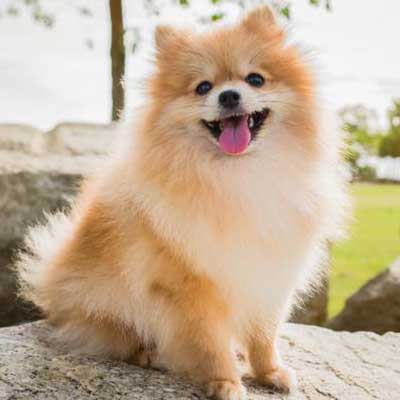
Pomeranian
The Pomeranian is an enchanting little dog known for its lively character. Despite their petite size, they possess a boundless heart and spirit. These feisty pups often display such self-assurance that they will confront much larger dogs, seemingly oblivious to their own smallness. In addition to their bold nature, Pomeranians typically get along well with children and other pets. Their frequent and boisterous barking makes them excellent watchdogs, though they do need proper training to keep this behavior in check. With a variety of nicknames and coat colors, they are sure to add happiness to your life. Historically, Pomeranians could weigh as much as 30 pounds and were used as sheepdogs. Nowadays, they are much smaller but continue to excel in activities like obedience, agility, therapy, flyball, and tracking, all while being loving companions.
Read more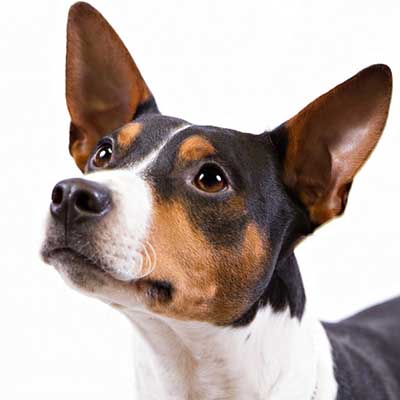
Rat Terrier
During the 19th century, American farmers were in search of an adept rodent hunter, which prompted them to crossbreed several Terrier varieties with Whippets, Greyhounds, and Beagles. This endeavor led to the creation of the delightful Rat Terrier. Known for its agility, this breed excelled at locating rodents and other pests, whether they were hiding above or below ground. In addition to its hunting skills, the Rat Terrier became a dependable watchdog and a beloved companion, establishing itself as a familiar sight on farms throughout the nation. Today, this small to miniature breed is often seen happily engaging with families in both rural and urban environments. With low grooming needs and a high energy level, the Rat Terrier thrives in canine sports, remains vigilant over its loved ones, and adds a lively spirit to any household.
Read moreRegister
Your kids have been begging for a pet forever, and you've recently decided that it's time for your family to get a new addition -- a dog! While everyone is excited for the new arrival, you're wondering if you need to have a dog license. How much does it cost? Is it required? Where do you get one?
Member Clubs

PETINNATE
Other
Height & Weight
Weight
10 lbs (5 kg)Male: 11 lbs (5 kg) , Female: 10 lbs (5 kg)
Height
10 inches (25 sm)Male: 11 inches (28 sm) , Female: 10 inches (25 sm)
6 Months
7 lbs ( m 7 lbs, f 7 lbs )
7 inches ( m 7 inches, f 7 inches )
12 Months
10 lbs ( m 10 lbs, f 10 lbs )
9 inches ( m 9 inches, f 9 inches )
18 Months
10 lbs ( m 10 lbs, f 10 lbs )
9 inches ( m 9 inches, f 9 inches )
Eye Colors
Hazel
Brown
Nose Colors
Black
Coat Colors
Black
Brown
Cream
Fawn