Rat Pinscher
American Rat Pinscher, Rat-A-Pin
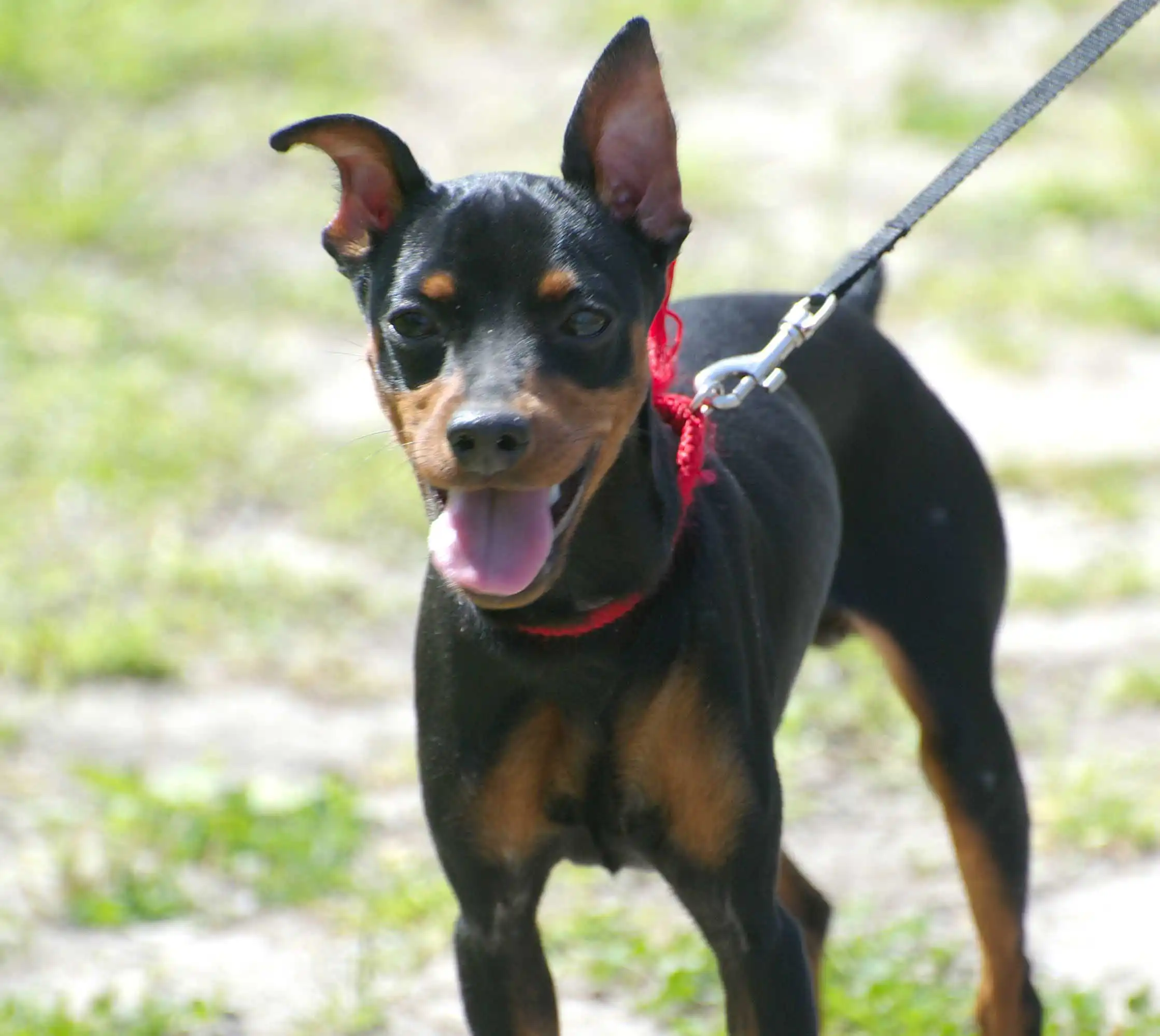
The Rat Pinscher is a meticulously developed hybrid that merges the purebred American Rat Terrier with the Miniature Pinscher. This compact dog features a graceful stance and slender limbs. Renowned for their energetic and vigilant demeanor, Rat Pinschers have a sharp awareness of their surroundings. They typically bark at a moderate level and are usually gentle with children. However, they are well-known for their tendency to escape, making a secure yard a necessity. Their natural instincts as hunters can result in a singular focus when chasing after squirrels or other small animals. In summary, the Rat Pinscher is an exceptionally sturdy breed that flourishes in a nurturing environment, often enjoying a lifespan that exceeds 15 years.
Breed Origin
The Rat Pinscher is a hybrid dog breed that emerges from the combination of two purebred Terriers: the American Rat Terrier and the Miniature Pinscher. As a relatively recent addition to the canine world, this hybrid does not have a well-documented history or established breed standards. Its precise origins remain unclear, but it is believed that the Rat Pinscher was first created in the United States, much like many other designer breeds. For those keen on tracing their Rat Pinscher's ancestry, exploring the traits and backgrounds of its parent breeds can offer valuable insights into the hybrid's potential health and temperament. The American Rat Terrier is a small-sized dog that belongs to the Terrier group and was originally developed in the U.S. This breed is a blend of various Terrier types, possibly mixed with some Hound breeds, and was initially bred as a small vermin-hunting dog. The Rat Terrier was specifically designed for its tenacious hunting skills, proving to be essential for farmers combating rat infestations in their barns. Furthermore, the American Rat Terrier was crossed with local Hound breeds, such as the Beagle in the Southern U.S. to enhance its pack instincts, and the Greyhound in the Midwest to boost its speed when chasing quick jackrabbits. Unlike many breeds that were developed for show purposes, the Rat Terrier was primarily focused on its hunting capabilities, which delayed its recognition by the American Kennel Club until 2013. Nonetheless, it has a significant history in the U.S., famously aiding President Theodore Roosevelt in controlling rat populations in the White House during his presidency. Conversely, the Miniature Pinscher, commonly referred to as the Min Pin, is a German breed thought to have existed for several centuries, although detailed records are limited. The breed standards for the Miniature Pinscher, which include variations in black and tan as well as red coats, were established in the 19th century. The Min Pin closely resembles the Doberman Pinscher but is much smaller; however, it is an older breed and not directly related to the Doberman. The term "Miniature Pinscher" translates to "miniature biter," highlighting its Terrier lineage. Initially popular in Germany, the breed gained worldwide recognition after World War I and made its way to the United States in the early 20th century, where it was officially recognized by the American Kennel Club in 1929. The AKC initially classified the Min Pin as a Terrier but later reassigned it to the Toy group.
Breed Appearance
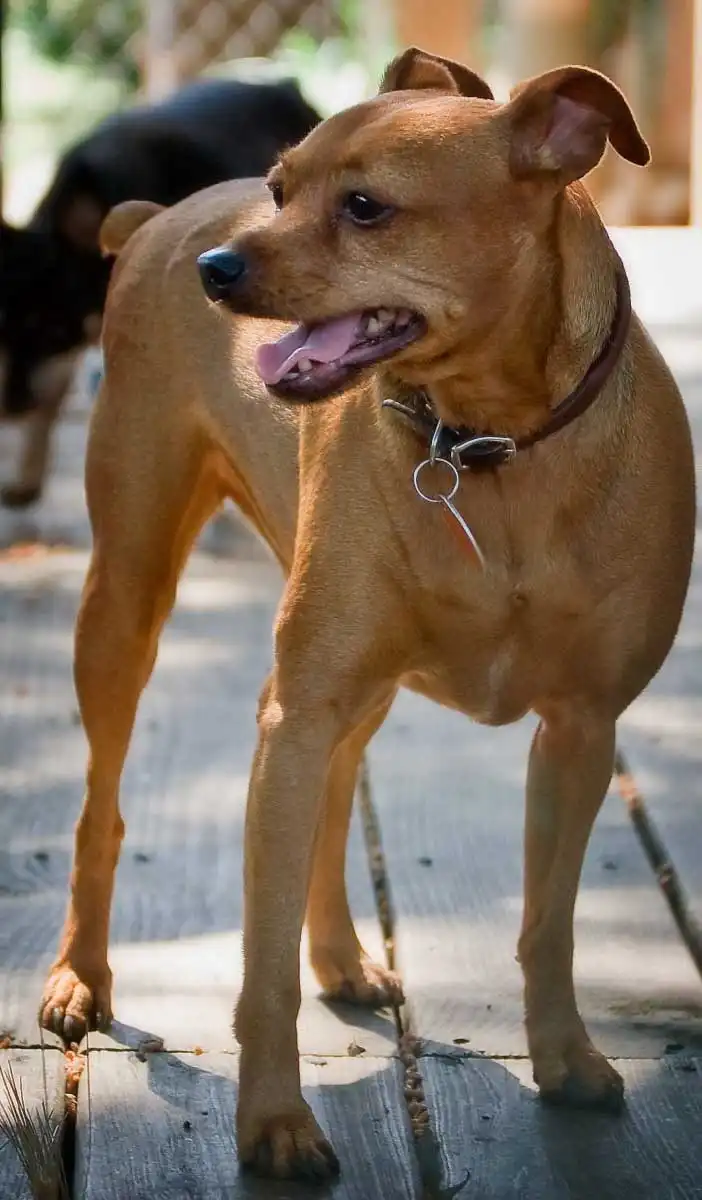
The Rat Pinscher is a refined breed known for its sleek, shiny coat and slender limbs. This dog radiates self-assurance as it moves with an elegant gait. Its head is flat and features large, oval brown eyes, complemented by a tapered muzzle that ends in a black nose, which may also appear brown in dogs with a brown coat. The ears are triangular and typically stand upright, although they can occasionally fold down, resembling those of the American Rat Terrier. With long, straight legs and compact paws, this breed boasts a well-balanced physique. The tail is generally held high and is often docked; when left natural, it is of medium length and arches over the back without a plume. The Rat Pinscher's coat comes in a variety of colors, but it is primarily two-toned, highlighting lighter shades on the face, chest, and legs.


Care Routine
Maintaining a Rat Pinscher's coat is relatively easy thanks to its short and smooth texture. The fur does not easily collect dirt and debris, allowing for straightforward cleaning with a bristle brush or pet wipe. Although the Rat Pinscher is not considered a hypoallergenic breed, it does shed a moderate amount. Owners should only bathe their Rat Pinscher when absolutely necessary, as this breed has sensitive skin that can develop atopic dermatitis if its natural oils are removed. Furthermore, Rat Pinschers may have congenital dental problems, making regular teeth brushing crucial—ideally three times a week. To help control plaque and tartar buildup, providing hard rubber toys can be beneficial for their dental health.
Behavior & Temperament
The Rat Pinscher is a lively and alert breed, making it an exceptional watchdog that promptly notifies its owners of any unfamiliar faces. Although they possess a protective instinct, they are usually friendly and curious about new people. This breed is known for its confidence and lack of shyness. They are affectionate towards their families and tend to be especially gentle with older children. However, they may not be the ideal choice for homes with toddlers or very young kids who might not understand how to interact safely with dogs. While Rat Pinschers generally get along well with other dogs, their bold demeanor can sometimes result in injuries during playful interactions. With the right training and socialization, they can live peacefully alongside both cats and dogs.


Play & Exercise
The Rat Pinscher is an energetic dog in a compact size. They excel in activities like running and jumping and are well-known for their ability to escape yards or sprint away if not leashed. To keep them healthy, they require at least 45 minutes of vigorous exercise and mental stimulation each day. Without enough engagement, a Rat Pinscher may develop unwanted habits such as digging or chewing. This breed is exceptionally intelligent and responds positively to training. While they can adapt to living in apartments with adequate physical and mental activities, they thrive best in a small home with a secure, fenced yard. Furthermore, Rat Pinschers can tolerate warmer weather but tend to struggle in colder conditions.
Things to Know
Cups Per Day
0.5 Cups
Daily Activity
45 Minutes
Average Lifespan
15 Years
Origin
Unknown
Type
Crossbreeds
Size
Small
Origin Country
United States
Brush Frequency
Weekly
Coat Texture
Straight
Ancestors
Rat Terrier
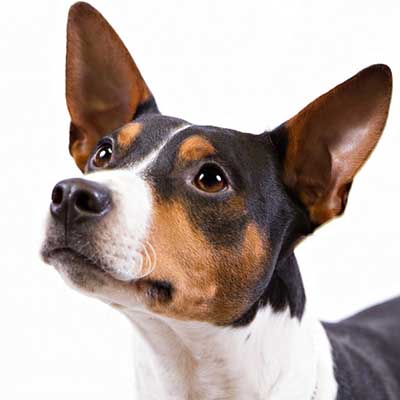
During the 19th century, American farmers were in search of an adept rodent hunter, which prompted them to crossbreed several Terrier varieties with Whippets, Greyhounds, and Beagles. This endeavor led to the creation of the delightful Rat Terrier. Known for its agility, this breed excelled at locating rodents and other pests, whether they were hiding above or below ground. In addition to its hunting skills, the Rat Terrier became a dependable watchdog and a beloved companion, establishing itself as a familiar sight on farms throughout the nation. Today, this small to miniature breed is often seen happily engaging with families in both rural and urban environments. With low grooming needs and a high energy level, the Rat Terrier thrives in canine sports, remains vigilant over its loved ones, and adds a lively spirit to any household.
Read more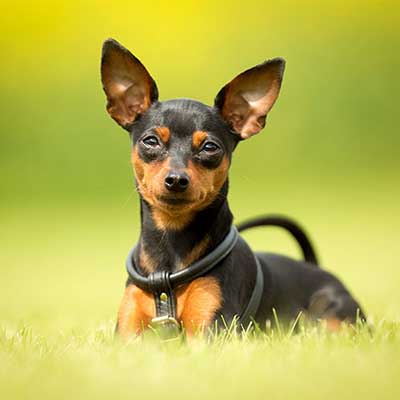
Miniature Pinscher
The Miniature Pinscher should not be mistaken for a diminutive version of the Doberman Pinscher; instead, it is more accurately described as a small-scale likeness of its larger relative. Interestingly, the Miniature Pinscher actually predates the Doberman. Often referred to as the Min Pin, this breed originates from the German Pinscher lineage and may also share ancestry with the Italian Greyhound and Dachshund. While the Miniature Pinscher has been officially recognized for over two centuries, the specifics of its ancestral background continue to spark discussion among enthusiasts. Nevertheless, this distinguished breed has been featured in Renaissance art, and artifacts from as far back as 2,000 years ago attest to its enduring existence.
Read moreRegister
Your kids have been begging for a pet forever, and you've recently decided that it's time for your family to get a new addition -- a dog! While everyone is excited for the new arrival, you're wondering if you need to have a dog license. How much does it cost? Is it required? Where do you get one?
Member Clubs

PETINNATE
Other
Height & Weight
Weight
8 lbs (4 kg)Male: 8 lbs (4 kg) , Female: 8 lbs (4 kg)
Height
11 inches (28 sm)Male: 11 inches (28 sm) , Female: 11 inches (28 sm)
6 Months
7 lbs ( m 7 lbs, f 7 lbs )
10 inches ( m 10 inches, f 10 inches )
12 Months
8 lbs ( m 8 lbs, f 8 lbs )
11 inches ( m 11 inches, f 11 inches )
18 Months
8 lbs ( m 8 lbs, f 8 lbs )
11 inches ( m 11 inches, f 11 inches )
Eye Colors
Brown

Nose Colors
Black
Brown
Coat Colors
Black
Sable
Brown
Red
White