Siberian Pinscher
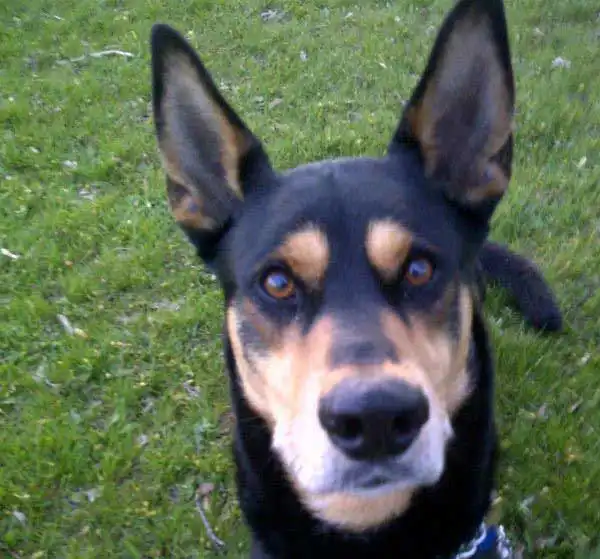
The Siberian Pinscher is a hybrid breed that merges the characteristics of the Siberian Husky and the Doberman Pinscher. Renowned for their friendly and sociable demeanor, Siberian Huskies thrive in diverse roles such as sled dogs, therapy animals, and beloved companions. In contrast, Doberman Pinschers are known for their strength and agility, acting as devoted pets and protectors for their families. Both breeds are medium-sized and exhibit intelligence and impressive endurance—qualities likely to be passed down to their mixed-breed offspring.
Breed Origin
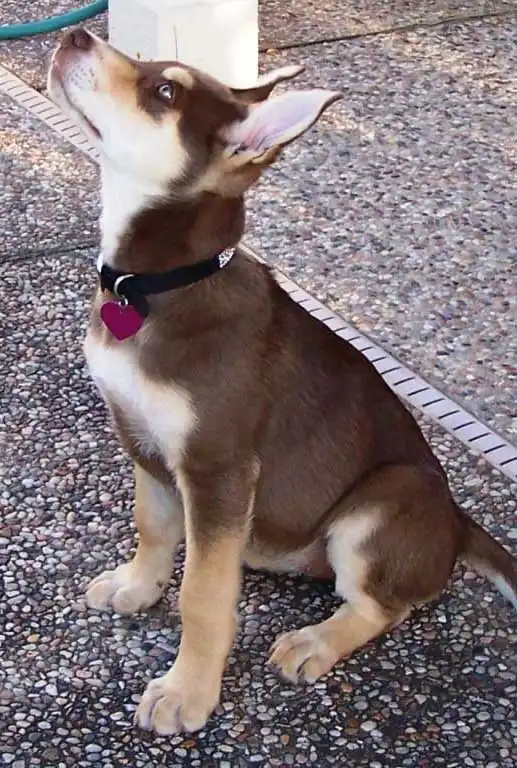
The Chukchi, an indigenous group from Russia, are recognized for their role in the creation of the Siberian Husky, a breed that dates back to prehistoric times. These dogs were essential for hunting and sled-pulling, serving as both vital working animals and beloved companions in the daily lives of the Chukchi people. In the early 1900s, the breed made its way to Alaska, where it gained fame by competing in the All Alaska Sweepstakes race, achieving significant victories; some Siberian Husky teams won this annual event until it was halted after the United States entered World War I. In the winter of 1925, a diphtheria outbreak posed a serious threat to the town of Nome, endangering approximately 10,000 residents. To transport the crucial serum to the impacted villages, a group of twenty sled drivers and over 100 dogs, mainly Siberian Huskies, embarked on a daunting 658-mile journey to Nulato to collect the medicine. Astonishingly, they completed the trip in just under six days, far quicker than the anticipated twenty-five, despite battling harsh weather conditions. During the final leg of the journey, visibility was so poor that the drivers could not see, yet the dogs successfully returned with the serum. The American Kennel Club formally recognized the Siberian Husky breed in 1930. In a different part of the world, the Doberman Pinscher was developed in Germany during the 1890s by Karl Friedrich Louis Dobermann, a dogcatcher and tax collector. His goal was to breed a dog that could accompany him at work while providing protection. He aimed to create a breed that was intelligent, loyal, courageous, protective, and reliable, blending various breeds into the Doberman's ancestry, including the Thueringen Shepherd, German Pinschers, local sheepdogs, butcher’s dogs, and Black and Tan Terriers. Historically, Doberman Pinschers have been employed as guard dogs, police dogs, and military dogs. During World War II, they served as sentries, messengers, and scouts. Notably, Dobermans aided the U.S. military during the Battle of Okinawa in 1945, and a memorial statue in Guam honors 25 marine war dogs that lost their lives in the effort to liberate the territory. Beyond their remarkable capabilities, Dobermans are also celebrated for their affectionate and loyal demeanor towards their human companions.
Breed Appearance
The Siberian Pinscher will showcase traits inherited from both of its parent breeds. As is typical with mixed breeds, this dog may lean more towards the physical characteristics of one parent or exhibit a balanced combination of both. Considering the sizes of its progenitors, the Siberian Pinscher is anticipated to fall within the medium to large size range. Both parent breeds are known for their almond-shaped eyes and erect, triangular ears, indicating that the hybrid is likely to inherit these features. The Siberian Husky generally has a medium-length muzzle and a tail that hangs down or trails unless the dog is alert, at which point it arches over its back. In contrast, the Doberman Pinscher is typically born with a long tail, which is often docked between seven to twelve weeks of age to meet breed standards. Furthermore, both breeds are available in a variety of coat colors.

Care Routine
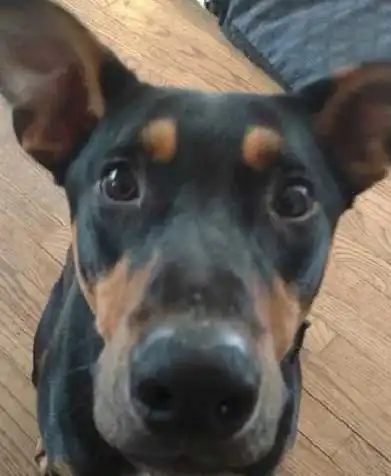
The grooming requirements for your Siberian Pinscher will be significantly shaped by the traits passed down from its parent breeds. The Doberman Pinscher, recognized for its moderate shedding, is relatively easy to maintain. Typically, grooming involves brushing a few times a month with a slicker brush and occasionally using a damp cloth to wipe down the coat, which helps minimize shedding and manage odors. Baths are usually only needed every few months. On the other hand, the Siberian Husky necessitates more regular grooming; at least weekly brushing is crucial, and during the spring and sometimes in the fall, daily brushing becomes essential due to heavy shedding. It’s best to limit baths to no more than once a month, as frequent bathing can lead to dry skin. Ultimately, how often you brush and bathe your Siberian Pinscher will depend on the coat type it inherits from its parent breeds. Additionally, to ensure long-term dental health, remember to check and clean your Siberian Pinscher's ears and brush its teeth two to three times a week.
Behavior & Temperament
The Siberian Pinscher will display behavioral traits derived from its parent breeds, the Siberian Husky and the Doberman Pinscher. Both breeds are celebrated for their affectionate demeanor towards family members, indicating that this hybrid is likely to inherit that quality. The Siberian Husky is notably sociable and welcoming to strangers, whereas the Doberman Pinscher tends to be more reserved in unfamiliar situations. Generally, this mix is compatible with children and other pets; however, due to the strength and energy passed down from its ancestry, supervision is advisable during interactions with young kids. Anticipate a high level of energy and enthusiasm for play from the Siberian Husky, while the Doberman Pinscher is known for its loyalty and protective nature. Although earlier Doberman generations were bred with a focus on aggression, modern breeding practices and proper socialization have resulted in a breed that adapts well to family environments.

Play & Exercise
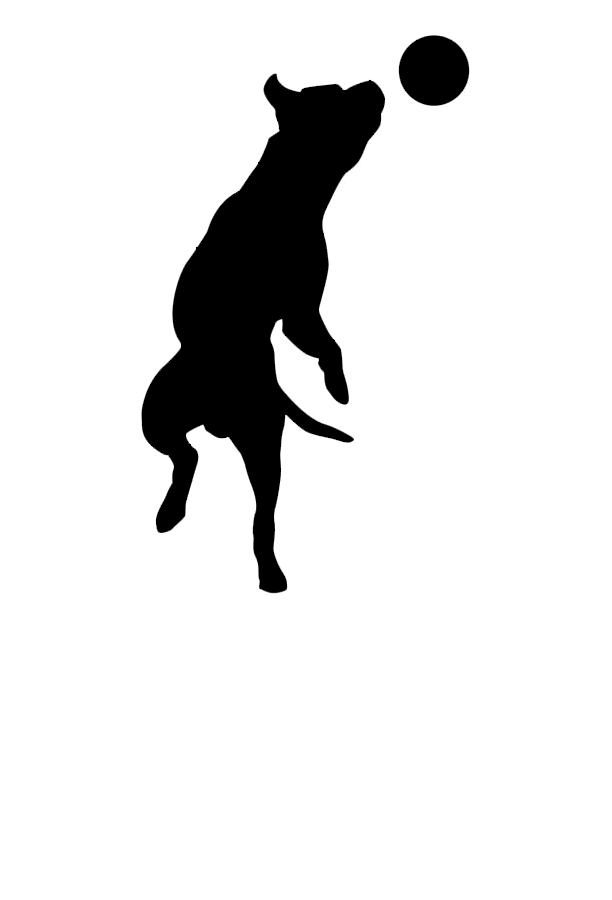
The activity requirements of a Siberian Pinscher can vary depending on the unique traits inherited from its lineage. As a breed known for its athleticism, the Siberian Husky requires ample exercise to maintain its physical health and emotional stability. A lack of sufficient physical activity or mental stimulation can result in destructive behaviors. Likewise, the Doberman Pinscher flourishes when faced with both physical and mental challenges. Consequently, it is reasonable to anticipate that a hybrid Siberian Pinscher will thrive with a diverse range of activities. These may include extended walks, hiking, running, playful snow activities, trips to the dog park, interactive games with their owners, training exercises, and engaging with puzzles and foraging toys.
Things to Know
Cups Per Day
3.0 Cups
Daily Activity
90 Minutes
Average Lifespan
0 Years
Origin
Unknown
Type
Crossbreeds
Size
Large
Origin Country
Unknown
Brush Frequency
Weekly
Coat Texture
Straight
Ancestors
Doberman Pinscher
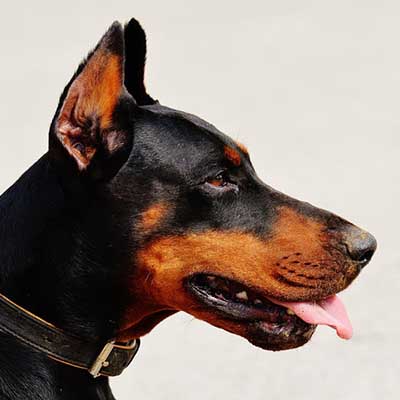
The Doberman Pinscher is a relatively recent breed, having been developed just over a hundred years ago. Founded by Karl Friedrich Louis Dobermann, this breed was designed to serve as a personal protection dog to aid him during tax collection. Dobermans are medium to large-sized dogs, known for their muscular physique and sleek, shiny coats, often exhibiting a watchful demeanor on their strong, wedge-shaped heads. While they require minimal grooming to keep their coats in good condition, they do need regular, vigorous exercise and mental stimulation due to their athletic nature and intelligence. These dogs are typically very trainable; however, without proper socialization, they may develop dominant or undesirable guarding behaviors that necessitate intervention. Renowned for their remarkable loyalty and alertness, Doberman Pinschers are not only excellent family companions but also excel in roles within the military, police work, and search and rescue operations.
Read more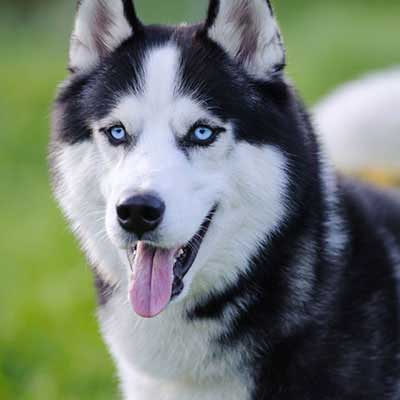
Siberian Husky
The Siberian Husky is a venerable breed that has likely developed alongside humans for thousands of years. Hailing from Russia, these dogs were cultivated by the Chukchi people, who depended on them for hauling supplies, which enabled their community to thrive in challenging environments. In addition to their transportation duties, Huskies were also bred to live harmoniously with Chukchi families. This selective breeding has resulted in a friendly and energetic breed renowned for its impressive stamina. Their dense double coat, which provides insulation against severe cold, requires regular grooming, although they do not need frequent baths. Despite their wolf-like appearance, which may intimidate some, Siberian Huskies are generally too friendly to be effective as guard dogs.
Read moreRegister
Your kids have been begging for a pet forever, and you've recently decided that it's time for your family to get a new addition -- a dog! While everyone is excited for the new arrival, you're wondering if you need to have a dog license. How much does it cost? Is it required? Where do you get one?
Member Clubs

PETINNATE
Other
Height & Weight
Weight
61 lbs (28 kg)Male: 66 lbs (30 kg) , Female: 56 lbs (25 kg)
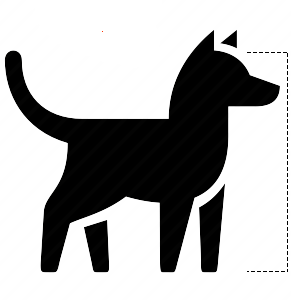
Height
24 inches (61 sm)Male: 25 inches (64 sm) , Female: 24 inches (61 sm)
6 Months
28 lbs ( m 28 lbs, f 28 lbs )
11 inches ( m 11 inches, f 11 inches )
12 Months
53 lbs ( m 53 lbs, f 53 lbs )
22 inches ( m 22 inches, f 22 inches )
18 Months
55 lbs ( m 55 lbs, f 55 lbs )
23 inches ( m 23 inches, f 23 inches )
Eye Colors
Blue

Hazel
Brown
Nose Colors
Black
Brown
Coat Colors
Fawn

Blue

Red

Brown

Black

Sable

Pied

Silver
Gray

White