Toy Rat Doxie
Toy Ratshund Terrier
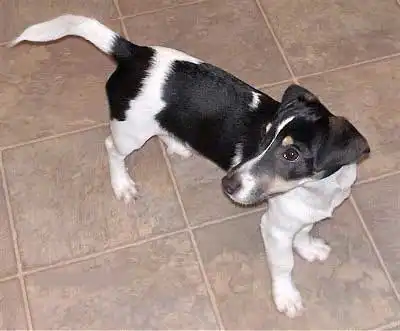
The Toy Rat Doxie is a mixed breed that typically falls within the small to medium size range, drawing from both German and American ancestry. With a height of 8 to 18 inches, they may not seem like fierce hunters at first glance, yet these dogs are equipped with sharp senses and a natural instinct to pursue, making them adept hunters even if their owners do not actively seek out those traits. Although they relish the excitement of the chase, their energy levels are moderate, and their compact stature enables them to adapt well to various living environments. This breed is known for its combination of affection and independence, along with intelligence that can sometimes come with a hint of stubbornness. As a result, they are generally more suitable for experienced dog owners; however, with the right training, they can become wonderful companions for both individuals and families alike.

Breed Origin
The precise beginnings of the Toy Rat Doxie, a hybrid breed, are somewhat ambiguous. However, both the Dachshund and Rat Terrier have storied backgrounds as hunters in their respective regions. The Dachshund, referred to as “badger hound” in German, was developed through selective breeding in Germany during the 18th and 19th centuries. This breeding aimed to produce a dog with the perfect physique and size for hunting burrowing creatures, characterized by a sturdy build and a courageous temperament. By the 1800s, Dachshunds began transitioning into companion animals, leading to the emergence of the miniature variety, a smaller counterpart to the standard breed. Today, both sizes are popular pets, although many still fulfill their original role as hunters in Germany. Interestingly, their size classification differs from that in the United States; instead of relying on weight or height, it is based on the circumference of their chest, which is essential for determining the size of the burrows they can access. Simultaneously, as Dachshunds were gaining popularity in Germany, Rat Terriers were emerging in the United States. In the mid-to-late 1800s, various European Terriers, such as the Manchester and Smooth Fox, were interbred to create a dog skilled in managing vermin, particularly on farms. To further enhance their speed and hunting prowess, they were also crossed with Italian Greyhounds and Beagles. The outcome was a small, well-balanced dog that not only excelled in hunting but also displayed intelligence, cooperation, and remarkable affection.
Breed Appearance
The Toy Rat Doxie, characterized by its varied genetic lineage, typically exhibits a few common traits: a compact stature and a lightweight frame, usually standing around 18 inches tall and weighing up to 35 pounds. These dogs are known for their elongated snouts and medium-length tails, which have a subtle curve, all contributing to their robust, athletic build that complements their elongated bodies. Their coats can differ in length from short to medium, with textures that may be straight, wiry, or wavy. Additionally, their color palette is quite broad, encompassing shades from white to red, brown, and black, often showcasing a mix of two or more colors.


Care Routine
Toy Rat Doxies generally require very little grooming due to their short coats, which do not shed excessively; a weekly brushing is typically adequate. However, their nails grow rapidly, so it’s important to trim them regularly to prevent cracking or splitting. Dental health is another concern, as these dogs can experience dental issues, making it crucial to brush their teeth consistently and arrange for regular dental check-ups to ensure their oral health and avert future problems. For dogs with floppy ears, ear care is often necessary, as they are more prone to infections. While Toy Rat Doxies are typically robust and can adapt to various living environments, they may need jackets when outside in colder temperatures. Owners should also be mindful of the breed's elongated body, which can lead to spinal issues; frequent use of stairs or jumping can exacerbate these problems over time. To mitigate these risks, using ramps or providing support when lifting the dog can be effective solutions.
Behavior & Temperament
The Dachshund is often noted for its tenacity, vocal tendencies, and independent nature. On the other hand, the Rat Terrier is celebrated for its obedience, desire to please, and loving personality. This blend gives rise to the Toy Rat Doxie, a breed known for its gentle disposition and a few minor quirks, such as a propensity to bark frequently, which can usually be addressed through proper training. These dogs possess high intelligence, but without direction, their inquisitive nature may lead to playful antics. Consequently, it is crucial to offer them plenty of attention along with opportunities for play and exercise. With appropriate socialization, they typically thrive as wonderful family companions.

Play & Exercise
Toy Rat Doxies are quite active, requiring their owners to ensure they get regular exercise. Fortunately, their small size and shorter legs make it easy to accommodate this need in limited spaces through playtime or brief walks. Their cleverness and inherent hunting instincts suggest that stimulating play—such as activities that involve chasing or solving puzzles—can be especially advantageous in managing any playful mischief. Ideally, a daily exercise regimen of about 45 to 60 minutes is recommended for these dogs.
Things to Know
Cups Per Day
1.0 Cups
Daily Activity
60 Minutes
Average Lifespan
14 Years
Origin
Unknown
Type
Crossbreeds
Size
Small
Origin Country
Unknown
Brush Frequency
Weekly
Coat Texture
Straight
Ancestors
Dachshund
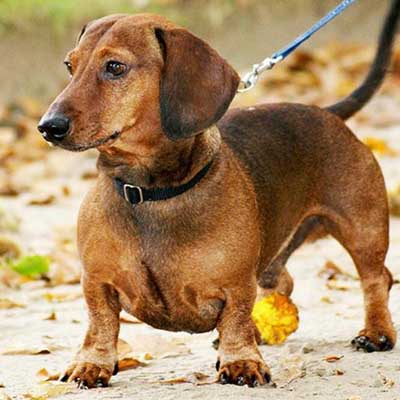
Since the 1950s, Dachshunds have consistently been among the most beloved dog breeds. With their distinctive long bodies and short legs, these dogs are not only charming but also exhibit a spirited and courageous personality. Although they possess intelligence, training can be challenging, especially if the techniques used become repetitive. Their inherent stubbornness often leads them to prefer their own methods. Originally developed in Germany for hunting small game, these characteristics are still apparent in their behavior today, which may manifest as a tendency to chase smaller animals or dig in the yard. Dachshunds are lively both indoors and outdoors, allowing them to adapt well to a variety of living environments.
Read more
Rat Terrier
During the 19th century, American farmers were in search of an adept rodent hunter, which prompted them to crossbreed several Terrier varieties with Whippets, Greyhounds, and Beagles. This endeavor led to the creation of the delightful Rat Terrier. Known for its agility, this breed excelled at locating rodents and other pests, whether they were hiding above or below ground. In addition to its hunting skills, the Rat Terrier became a dependable watchdog and a beloved companion, establishing itself as a familiar sight on farms throughout the nation. Today, this small to miniature breed is often seen happily engaging with families in both rural and urban environments. With low grooming needs and a high energy level, the Rat Terrier thrives in canine sports, remains vigilant over its loved ones, and adds a lively spirit to any household.
Read moreRegister
Your kids have been begging for a pet forever, and you've recently decided that it's time for your family to get a new addition -- a dog! While everyone is excited for the new arrival, you're wondering if you need to have a dog license. How much does it cost? Is it required? Where do you get one?
Member Clubs

PETINNATE
Other
Height & Weight
Weight
21 lbs (10 kg)Male: 21 lbs (10 kg) , Female: 21 lbs (10 kg)
Height
13 inches (33 sm)Male: 13 inches (33 sm) , Female: 13 inches (33 sm)
6 Months
15 lbs ( m 15 lbs, f 15 lbs )
9 inches ( m 9 inches, f 9 inches )
12 Months
17 lbs ( m 17 lbs, f 17 lbs )
10 inches ( m 10 inches, f 10 inches )
18 Months
20 lbs ( m 20 lbs, f 20 lbs )
13 inches ( m 13 inches, f 13 inches )
Eye Colors
Blue

Hazel
Brown
Amber
Nose Colors
Black
Brown
Isabella
Coat Colors
Pied

Brindle

Sable

White
Isabella
Cream
Red

Brown

Black